Crowns vs. Fillings After a Root Canal: Which Wins?
Wondering if you need a crown after a root canal? Learn when crowns vs. fillings work best for lasting tooth protection.
Key Takeaways
- Schedule your crown restoration within 2-4 weeks after root canal treatment; waiting more than 4 months increases extraction risk by nearly 300% and 60+ days increases it by 73%.
- Back molars and premolars almost always need crowns after root canal because they absorb intense chewing pressure; crowned teeth have 81% survival vs 63% for fillings alone over 10 years.
- Front teeth may skip crowns if sufficient healthy structure remains after root canal treatment, as they experience less chewing force than back teeth.
- Posts are not needed for most root-canal-treated teeth; they only provide retention when minimal coronal structure exists, and unnecessary post placement can actually weaken teeth.
- Avoid chewing hard or sticky foods on unrestored teeth after root canal, as unprotected teeth are vulnerable to cracking and bacterial leakage that can undo treatment success.
- Watch for persistent pain, swelling, loose temporary crowns, cracking, or worsening sensitivity after treatment and contact your dentist immediately if these signs appear.
So you just found out you need a root canal, and now your dentist is talking about crowns. Maybe you're wondering if that's really necessary, or if a simple filling could do the job instead. You're not alone in asking this question! It's one of the most common things patients ask our team at Charming Smiles of Ocoee.
Here's the good news: not every tooth needs a crown after a root canal. The right choice depends on a few key factors, like which tooth we're talking about and how much natural structure is left. In this guide, we'll break down crowns versus fillings in simple terms, so you can feel confident about your treatment plan. We'll also share what the research actually says, because you deserve real answers, not just guesses.
What Happens to a Tooth During a Root Canal
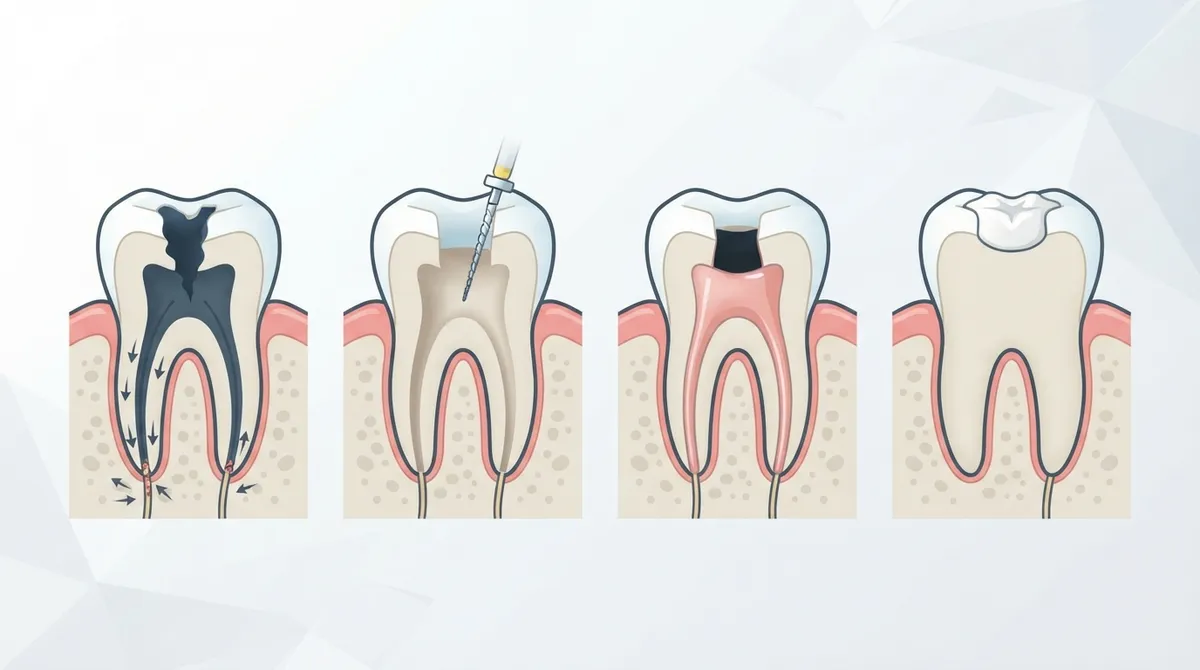
A root canal removes infected or damaged tissue from inside your tooth. Your dentist cleans out the inner chamber and reshapes it before sealing everything up. This process saves the tooth, but it also changes things structurally.
Think of your tooth like a tree. The root canal treatment is like hollowing out part of the trunk to remove rot. The tooth is still standing, but it's not quite as strong as before. That's why the next step matters so much for long-term success.
Do You Always Need a Crown After a Root Canal
No, you don't always need one. This surprises a lot of patients! The American Association of Endodontists actually warns against automatically placing crowns on every treated tooth, since this can sometimes be more treatment than necessary.
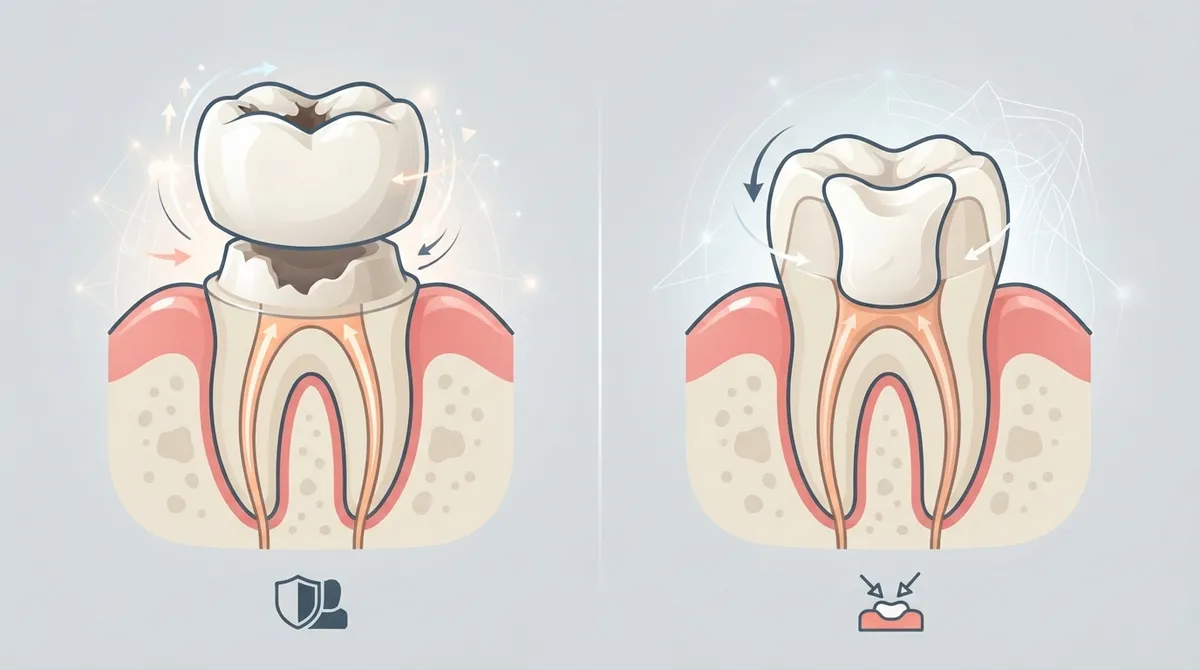
The real question is how much healthy tooth structure remains after treatment. If your dentist removed only a small amount of tissue and the access opening was conservative, a bonded filling might work just fine. But if a lot of structure is gone, a crown often becomes the smarter choice.
Key Factors That Decide Your Restoration
- Which tooth is involved (front tooth vs. back molar)
- How much natural tooth structure remains
- The forces your bite puts on that tooth daily
- Whether you grind your teeth at night
- The overall quality of the root canal treatment
- Your gum health and bone support around the tooth
Crowns vs. Fillings: A Side-by-Side Comparison
Let's make this easy to visualize. Here's how these two options stack up against each other for root-canal-treated teeth.
| Factor | Crown | Filling (Bonded Restoration) |
|---|---|---|
| Best for | Molars, premolars, heavily damaged teeth | Front teeth with minimal structure loss |
| Protection level | Covers entire tooth, prevents fractures | Covers only the treated area |
| Chewing force resistance | High, ideal for back teeth | Moderate, better for lower-force areas |
| Appointment time | Usually two visits (or one with same-day technology) | Often completed in one visit |
| General cost range | Higher upfront investment | Lower upfront cost |
| Long-term durability | Excellent when properly fitted | Good, but depends on remaining tooth strength |
Curious about pricing details specific to your situation? Our team can walk you through root canal cost information for Ocoee patients and help you understand what your restoration might involve.
Why Molars and Premolars Usually Need Crowns
Your back teeth do the heavy lifting when you chew. They absorb tremendous pressure every single day, especially when eating tougher foods. After a root canal removes tissue from inside these teeth, the remaining walls become thinner and more fragile.
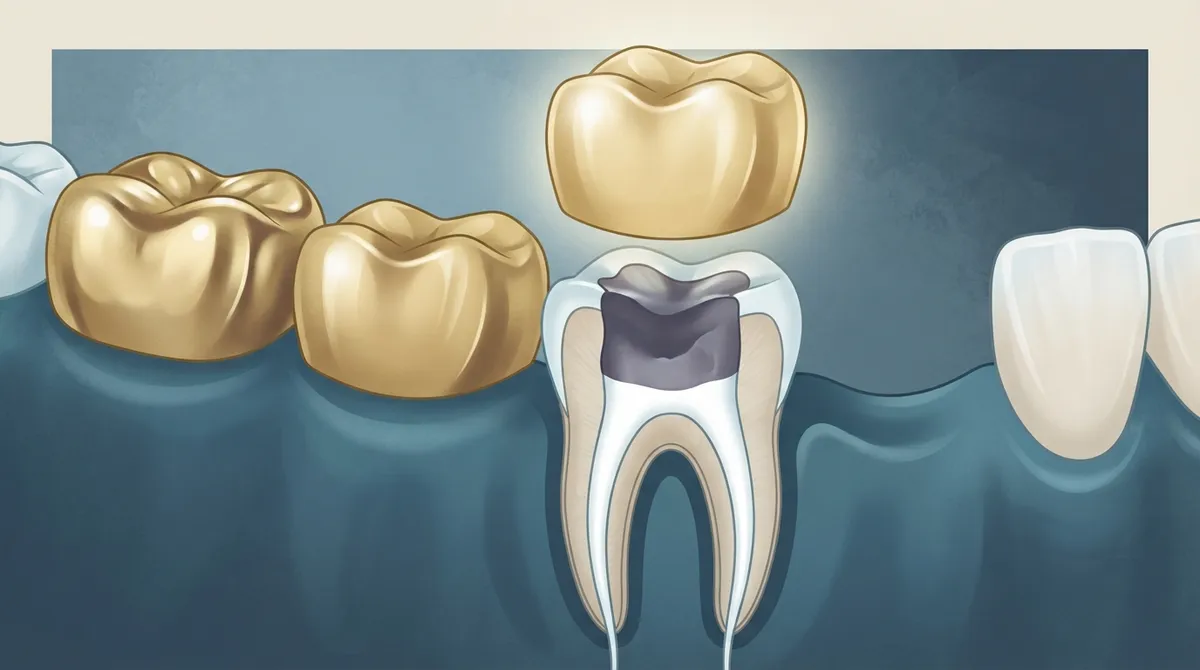
Without a crown, these weakened molars are at higher risk of cracking. A crown wraps around the whole tooth like a protective helmet, spreading out chewing forces evenly. This is called cuspal coverage, and it's one of the main reasons dentists recommend crowns for back teeth so often.
Research backs this up nicely. One systematic review found that root-canal-treated teeth restored with crowns had about an 81% survival rate over 10 years, compared to roughly 63% for teeth restored with fillings alone. That's a meaningful difference when you're trying to keep your natural teeth for life.
When Front Teeth Might Skip the Crown
Front teeth work differently than molars. They handle biting and cutting, not the intense grinding pressure your back teeth face. If your front tooth still has plenty of healthy structure after the root canal, a bonded filling can often provide excellent, long-lasting results.
This doesn't mean crowns are never used on front teeth. If a front tooth suffered significant damage from decay or trauma, a crown might still be the better option. Every smile is different, and that's why a personalized exam matters so much. Learn more about crowns and bridges to see which option fits your specific needs.
How Soon Should You Get Your Crown
Timing really matters here, and waiting too long can cause real problems. Your tooth needs a proper seal to stay protected from bacteria and everyday chewing forces.
- Complete your root canal treatment with your dentist
- Schedule your restoration consultation right away, ideally within a few weeks
- Get your tooth prepared and measured for the crown
- Wear a temporary crown while your permanent one is being made
- Return for your final crown fitting and adjustment
- Follow up with regular checkups to monitor the restoration
Research shows why speed matters. One study found that teeth crowned more than four months after root canal treatment were nearly three times more likely to need extraction later. Another large study found that waiting 60 days or more increased extraction risk by 73% compared to restoring the tooth within two weeks.
In the meantime, avoid chewing hard or sticky foods on that tooth. An unrestored tooth after a root canal is more vulnerable to cracking or bacterial leakage, which can undo all the good work your root canal accomplished.
What About Posts? Do You Need One
Posts sometimes come up in crown conversations, and patients often feel confused about their purpose. A post is a small rod placed inside the tooth to help anchor a core buildup, which then supports the crown.
Here's an important myth to clear up: a post does not make your root stronger. Its only job is retention, helping hold the core material in place when there isn't much natural tooth left. In fact, removing too much tooth structure to place a post can sometimes weaken the tooth further and increase fracture risk.
Most root-canal-treated teeth don't need a post at all. Your dentist will only recommend one if there's genuinely not enough coronal structure remaining to support a stable core on its own.
Understanding Ferrule and Why It Matters
Here's a term you might not have heard before: ferrule. This refers to about 2mm of healthy tooth structure that surrounds the prepared tooth, sitting just above where the crown margin sits.
Think of ferrule like a solid foundation for a building. It helps the crown resist the everyday stress of biting and chewing. Without enough ferrule, even a beautifully made crown might struggle to stay secure over time. This is one more reason why a thorough exam before treatment planning is so important.
How Long Do These Restorations Actually Last
Everyone wants to know the real answer to durability. While no dental restoration lasts forever, properly placed crowns and fillings can serve you well for many years, sometimes decades, with good care.
An eight-year study found overall survival rates around 79.5% for root-canal-treated teeth. Interestingly, teeth restored with composite buildups showed about 83% survival, while those restored with crowns showed about 76% survival in that particular study. These numbers don't mean fillings are always better. They likely reflect differences in which teeth needed which type of restoration in the first place, since more damaged teeth often need crowns.
The bottom line is this: your individual results depend on many factors, including your oral hygiene, bite habits, and how well the restoration fits. Regular checkups help catch small issues before they become big problems.
Crowns vs. Dental Implants: A Quick Note
Some patients wonder if extracting a badly damaged tooth and placing an implant might be a better route than saving it with a root canal and crown. Interestingly, research comparing these two approaches found overlapping survival rates between root-canal-treated teeth with crowns and single-tooth implants.
This means the decision often comes down to your specific situation rather than one option being universally superior. Factors like bone health, overall cost, treatment time, and personal preference all play a role. If you're weighing these options, our team can walk you through dental implants alongside traditional restoration choices.
Signs You Shouldn't Ignore
Even with the best treatment plan, sometimes issues pop up. Here's what to watch for after your root canal and restoration:
- Persistent pain that doesn't improve within a few days
- Noticeable swelling near the treated tooth
- A temporary crown that feels loose or falls off
- Any cracking or breaking of the restored tooth
- Sensitivity that gets worse instead of better over time
If you notice any of these signs, don't wait it out. Reach out to our office promptly so we can take a look and address the issue before it becomes bigger.
Why Choose Charming Smiles of Ocoee for Your Restoration
At Charming Smiles of Ocoee, Dr. Aliuska Lopez and our caring team understand that every root canal and crown situation is unique. We take the time to explain your options clearly, without confusing dental jargon, so you feel fully informed every step of the way.
Our spa-like environment helps ease anxiety, whether you're nervous about the root canal itself or just want a comfortable experience during your crown fitting. We also offer insurance and financing options to help make quality care more affordable, plus a dental savings plan for patients without insurance.
Don't just take our word for it. You can visit us on Google to see what our Charming Smiles of Ocoee patients say about their experiences with root canals and restorations. We're proud of the trust our Ocoee community has placed in us.
Ready to Protect Your Smile
Whether you're facing a root canal soon or you're past treatment and need to discuss your restoration options, we're here to help. Our team will walk you through whether a crown or filling makes the most sense for your specific tooth, based on real clinical factors, not guesswork.
You can also connect with us and see behind-the-scenes glimpses of our practice on our Charming Smiles Facebook page and Charming Smiles Instagram page. For more helpful reading, check out our guide on what to know about root canal treatment in Ocoee or explore the difference between root canal versus tooth extraction.
Don't let a damaged tooth wait too long for proper care. You can easily book online to get started, or reach out and call us at (407) 378-3704 to schedule your consultation today. Our friendly team at our Ocoee location is ready to give your smile the protection it deserves.
FAQs
Q: Do you always need a crown after a root canal?
A: Not always! It really depends on which tooth you're talking about and how much healthy structure remains. Back teeth like molars usually need crowns because they handle so much chewing pressure, but front teeth with minimal damage sometimes do great with just a filling. Your dentist will look at your specific situation to figure out the best fit.
Q: How soon after a root canal should I get a crown?
A: As soon as possible is always the best answer here! Studies show that waiting more than a few months can significantly increase your risk of needing extraction later. We recommend scheduling your restoration appointment within a few weeks of finishing your root canal, so your tooth stays properly protected.
Q: What happens if I wait too long to get a crown after a root canal?
A: Waiting too long puts your tooth at real risk. Without a proper seal, bacteria can sneak back in and cause reinfection, or the weakened tooth structure might crack under everyday chewing pressure. One study found teeth crowned after four months were nearly three times more likely to need extraction, so timing really does matter.
Q: Can a filling replace a crown after root canal treatment?
A: Sometimes, yes! This works best for front teeth that still have plenty of natural structure left after treatment. Fillings aren't usually strong enough for back teeth like molars, though, since those teeth face much higher chewing forces every day. Your dentist can tell you which option fits your tooth best.
Q: Is a post necessary before placing a crown after a root canal?
A: undefined