Crown Decay Underneath: How to Catch It Early
Learn what causes crown decay underneath, warning signs to watch for, and how Charming Smiles of Ocoee protects your smile with expert care.
Key Takeaways
- Decay can develop underneath a crown silently without warning signs, hiding from view until detected through X-rays and dental exams, making regular checkups essential even when crowns appear perfect.
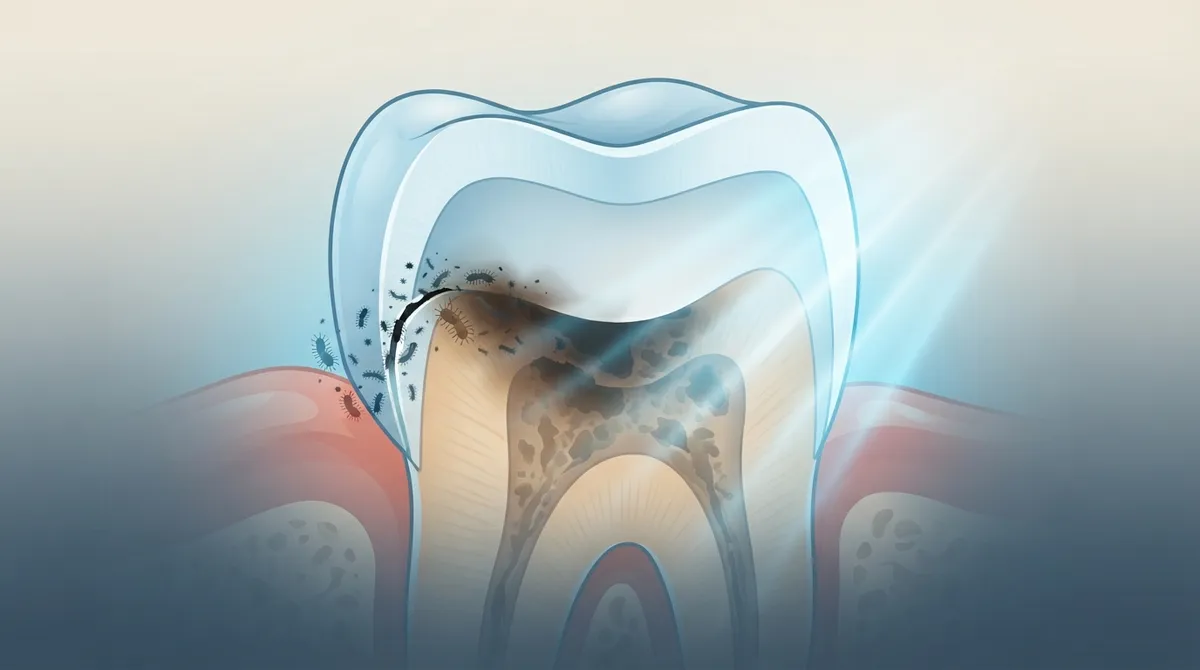
- The crown margin (where crown meets natural tooth) is the primary entry point for bacteria; a worn seal, gum recession, or cement breakdown allows bacteria to access the tooth structure beneath the crown.
- Early decay under a crown often causes zero symptoms, but watch for sensitivity, loose crowns, bad taste, swollen gums, or dark lines at the edge—any sign warrants immediate dental evaluation.
- Treatment varies by decay severity: mild decay requires crown removal and tooth rebuilding, deep decay affecting the nerve needs root canal treatment, and severe decay may require extraction and replacement options.
- Prevent decay by brushing twice daily with fluoride toothpaste, flossing around crown margins, limiting sugary foods, staying hydrated, and maintaining consistent dental exams rather than treating crowns as permanent one-time fixes.
- Crown lifespan is unpredictable and depends on underlying tooth health, oral hygiene habits, bite force, diet, dry mouth, teeth grinding, and checkup frequency—not on a fixed timeline like "10 years."
Do you have a crown that feels just fine, but something still seems off? Maybe there's a weird taste, a little sensitivity, or just a nagging feeling in the back of your mind. Here's the truth: crown decay underneath can hide for a long time without any warning signs at all. That's not meant to scare you. It's meant to help you understand why regular checkups matter so much, even when your smile looks perfect on the outside.
At Charming Smiles of Ocoee, we see this situation more often than you'd expect. A crown can look flawless while decay quietly grows in the tooth structure hiding underneath it. The good news? With the right care and a little know-how, you can protect your smile for years to come. Let's walk through exactly what causes this problem, how to spot it, and what you can do about it.
What Does Crown Decay Underneath Actually Mean?
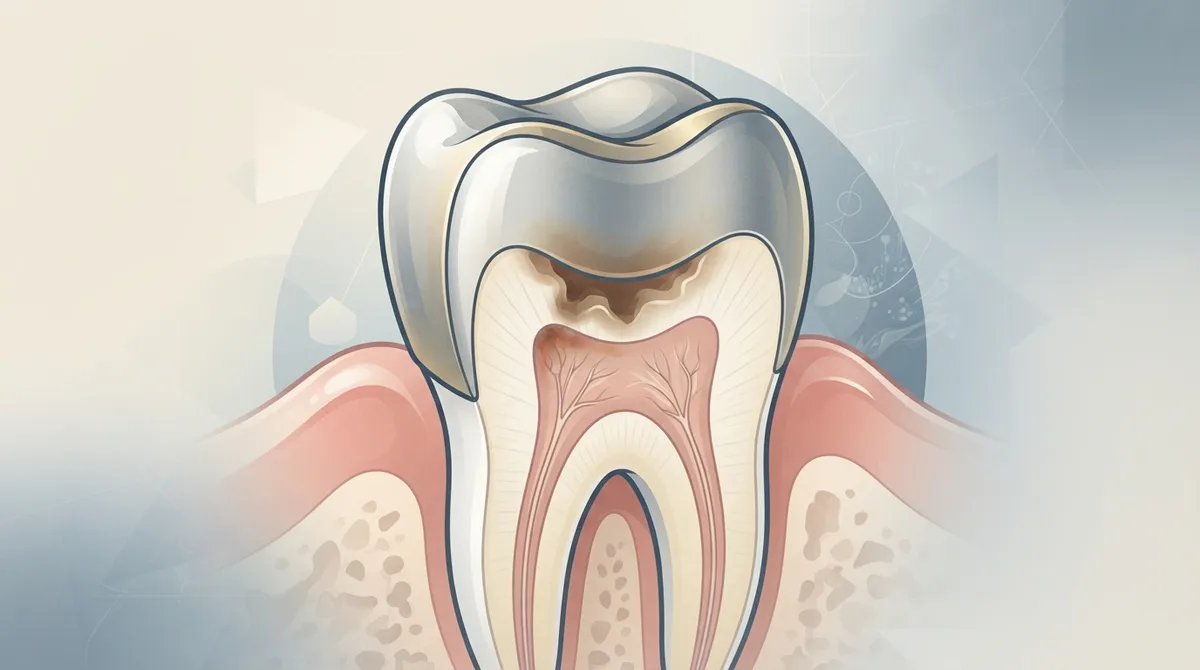
Here's something that surprises a lot of patients: the crown itself cannot get a cavity. Crowns are made of materials like porcelain, zirconia, or metal. These materials don't decay. What actually happens is that your natural tooth underneath the crown can develop new decay, often called recurrent or secondary caries.
Think of your crown like a protective cap sitting on top of your real tooth. If bacteria find a way to sneak in around the edges, they can start eating away at the tooth structure hiding beneath that cap. This usually happens at the margin, which is the spot where the crown meets your natural tooth.
Why Does This Happen in the First Place?
Several things can open the door for bacteria to get underneath a crown. Understanding these causes helps you protect your investment and your oral health:
- The seal between the crown and tooth wears down over time, letting bacteria slip through tiny gaps
- Gum recession exposes the root surface, which is softer and more prone to decay
- The cement holding the crown in place starts breaking down
- A cracked, loose, or damaged crown creates an opening for bacteria
- Frequent snacking on sugary or acidic foods feeds the bacteria that cause decay
- Dry mouth reduces saliva, which normally helps wash away bacteria and neutralize acids
- Grinding your teeth at night (bruxism) can stress the crown and its seal
Plaque buildup plays a role in almost every one of these situations. That's why daily brushing and flossing around your crown matter just as much as they do for your natural teeth.
Signs You Might Have Decay Under Your Crown
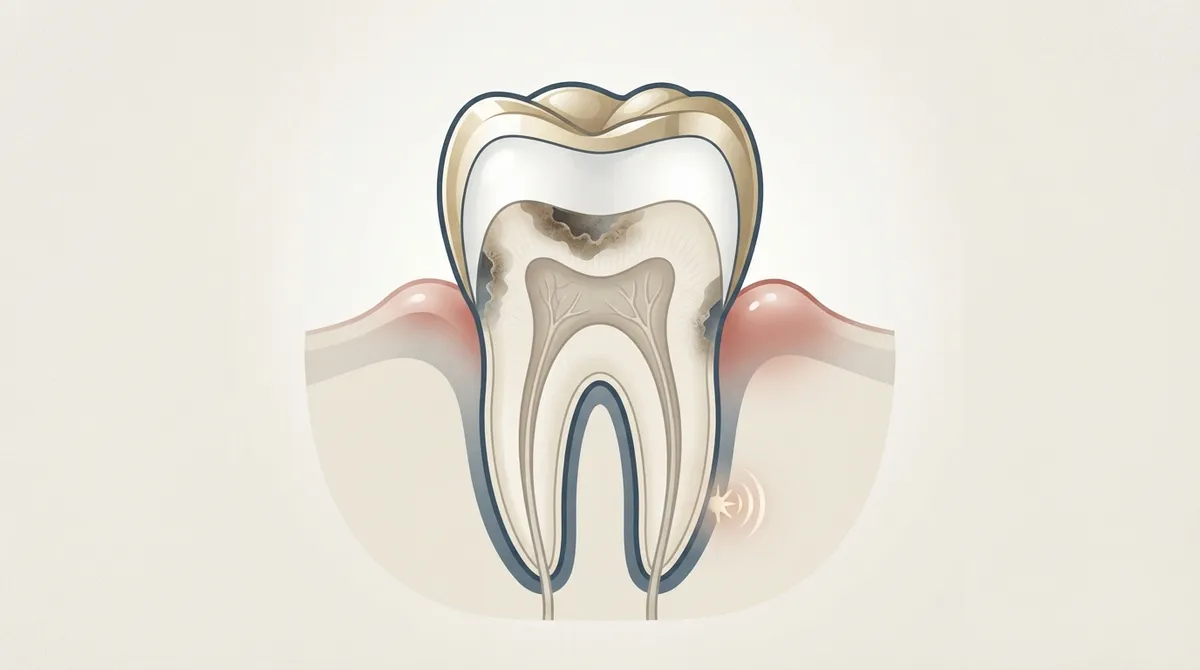
This is the tricky part. Early decay under a crown often causes zero symptoms. The crown literally hides the problem from view, both to you and sometimes even on a quick visual exam. That's exactly why routine dental visits and X-rays matter so much for anyone with crowns.
Still, your body often gives clues. Watch for these warning signs:
- Sensitivity to hot, cold, or sweet foods around the crowned tooth
- Pain or discomfort when you bite down
- Food constantly getting stuck near the crown
- Red, swollen, or bleeding gums around the crown
- A bad taste or persistent bad breath coming from that area
- A crown that feels loose or wiggly
- A dark line or shadow visible at the edge of the crown
If you notice any of these signs, don't wait it out. Reach out to our team for an general dentistry evaluation as soon as possible.
How Dentists Find Decay Hiding Under a Crown
Since crowns can mask what's happening underneath, dentists rely on more than just a visual check. Here's what a thorough evaluation usually includes:
| Diagnostic Method | What It Reveals |
|---|---|
| Clinical exam | Checks the crown margin, looks for looseness or visible dark spots |
| Dental X-rays (bitewing or periapical) | Shows decay hiding beneath the surface that eyes alone can't catch |
| Tooth vitality testing | Checks whether the nerve inside the tooth is still healthy |
| Periodontal assessment | Evaluates gum health and looks for recession around the crown |
This is one big reason we recommend regular dental exams even if your crown seems perfectly fine. Learn more about what happens during these visits in our guide on dental exams and why they matter.
What Treatment Looks Like for Crown Decay Underneath
The right treatment depends on how much decay has developed and how deep it goes. Here's a general breakdown of the possible paths forward:
Mild to Moderate Decay
If the decay is caught early and the tooth structure is still mostly healthy, your dentist will typically need to remove the existing crown to fully assess and clean out the decay. After removing the decayed tissue, the tooth gets rebuilt, and a new crown is placed. This is often handled through our crowns & bridges service.
Decay That Reaches the Nerve
If bacteria have traveled deep enough to affect the tooth's nerve, a root canal may be necessary before the tooth can be rebuilt and re-crowned. This sounds scary, but modern root canal treatment is much more comfortable than its reputation suggests, especially in a gentle, spa-like setting like ours.
Severe Damage
In cases where decay has destroyed too much of the tooth, or has spread below the gumline, extraction might be the only safe option. If that happens, we'll talk through replacement options like dental implants or dentures to restore your smile and your bite.
Here's an important number to keep in mind: according to the CDC's Oral Health Surveillance Report, roughly 1 in 4 adults ages 20 to 64 have untreated tooth decay, and about 1 in 6 seniors 65 and older face the same issue. Decay around crowns is part of this larger picture, which is exactly why staying on top of checkups matters so much.
How Long Do Crowns Actually Last?
You may have heard specific numbers thrown around, like \"crowns last exactly 10 years\" or \"cement fails after 7 years.\" The truth is more complicated. There's no reliable universal lifespan for a crown. How long yours lasts depends on:
- The health of the tooth underneath before the crown was placed
- The material used for the crown and how well it fits
- How much force your bite puts on that tooth daily
- Your oral hygiene habits
- Your diet, especially sugar and acid intake
- Whether you have dry mouth or grind your teeth
- How consistently you attend dental checkups
This is why we always encourage patients in Ocoee to think of a crown as part of an ongoing care relationship, not a one-time fix-it-and-forget-it solution.
Simple Steps to Protect Your Crown From Decay
The good news is that preventing decay underneath a crown isn't complicated. It just takes consistency. Here's what we recommend:
- Brush twice daily with a fluoride toothpaste, paying close attention to the crown's edges
- Floss daily, or use an interdental brush to clean around the crown margin
- Cut back on frequent sugary snacks and acidic drinks between meals
- Stay hydrated and talk to your dentist about dry mouth if it's an issue for you
- Ask about professional fluoride treatments if you're at higher risk for decay
- Avoid chewing on ice, hard candy, or other tough objects that stress the crown
- Keep up with your regular dental exams and cleanings, even if nothing feels wrong
These habits protect not just your crown, but your entire smile. Combined with regular visits to our office, they give you the best shot at catching any issues before they turn into bigger, more expensive problems.
When Should You Call a Dentist Right Away?
Some symptoms deserve a same-day call rather than waiting for your next scheduled cleaning. Please don't try to fix these problems yourself. Never attempt to remove, glue, or drill on your own crown at home. Instead, contact us right away if you notice:
- A crown that feels loose or has fallen off completely
- Sudden, sharp, or severe tooth pain
- Swelling in your face, gums, or jaw
- Pus or discharge near the tooth
- Fever along with dental pain
- Difficulty swallowing or breathing (this needs emergency care immediately)
Our emergency dentistry team is ready to help Ocoee families get relief fast, without judgment and without the long waits you might expect elsewhere.
Why Choose Charming Smiles of Ocoee for Crown Care
Dr. Aliuska Lopez and our team have built a reputation as trusted smile experts right here in Ocoee, Florida. We combine advanced dental technology with a calm, spa-like environment designed to ease anxiety and make every visit as comfortable as possible. Whether you need a routine checkup, a crown repair, or emergency care for a sudden dental problem, we're here for your whole family.
We also make dental care easier to afford. Explore our insurance & financing options, ask about our dental savings plan, or check out our current specials, including a complete adult checkup for just $129. If you'd like to see what other patients have to say, take a look at our testimonials page, or read Charming Smiles of Ocoee reviews on Google to see why so many local families trust us with their smiles.
You can also connect with us and see real patient stories on our Charming Smiles Facebook page and our Charming Smiles Instagram page. For general guidance on caries and prevention, the American Dental Association offers helpful patient resources at ada.org, and the CDC's oral health data is publicly available at cdc.gov/oralhealth.
Your Next Step Toward a Healthier Smile
Crown decay underneath doesn't have to catch you off guard. With regular exams, good home care, and a dental team that knows what to look for, you can protect your smile for the long haul. If it's been a while since your last checkup, or if something just feels a little off with your crown, now is the perfect time to get it checked.
Ready to protect your smile? You can book online in just a few minutes, or feel free to call us at (407) 378-3704 to schedule your visit. Our friendly team at our location near Publix in Ocoee is ready to welcome you with the gentle, personalized care you deserve.
FAQs
Q: Can a tooth really get a cavity underneath a dental crown?
A: Yes, absolutely! While the crown itself can't decay, the natural tooth structure hiding underneath it definitely can. This usually happens at the margin where the crown meets your tooth, especially if bacteria find a tiny gap to sneak through.
Q: What are the most common symptoms of decay under a crown?
A: You might notice sensitivity to hot or cold, pain when biting down, a lingering bad taste, or a crown that feels loose. Sometimes there are no symptoms at all, which is exactly why regular checkups and X-rays matter so much.
Q: Do I always need a new crown if decay is found underneath?
A: Not always, but often yes. Since the crown covers the tooth, your dentist usually needs to remove it to fully see and clean out the decay. After treating the tooth, a new crown typically gets placed to protect it going forward.
Q: Will I need a root canal if decay is found under my crown?
A: It depends on how deep the decay goes. If it reaches the tooth's nerve, a root canal becomes necessary to save the tooth. If caught early, you may just need the decay removed and the tooth rebuilt before a new crown goes on.
Q: How can I prevent decay from forming under my crown?
A: Brush twice daily, floss carefully around the crown's edge, and limit sugary snacks between meals. Regular dental visits at Charming Smiles of Ocoee let us catch small problems early, before they turn into bigger, costlier issues.