Can You Get Dental Implants If You Have Diabetes?
Learn how diabetes affects dental implant success, what HbA1c levels matter, and how Charming Smiles of Ocoee supports safe implant care.
Key Takeaways
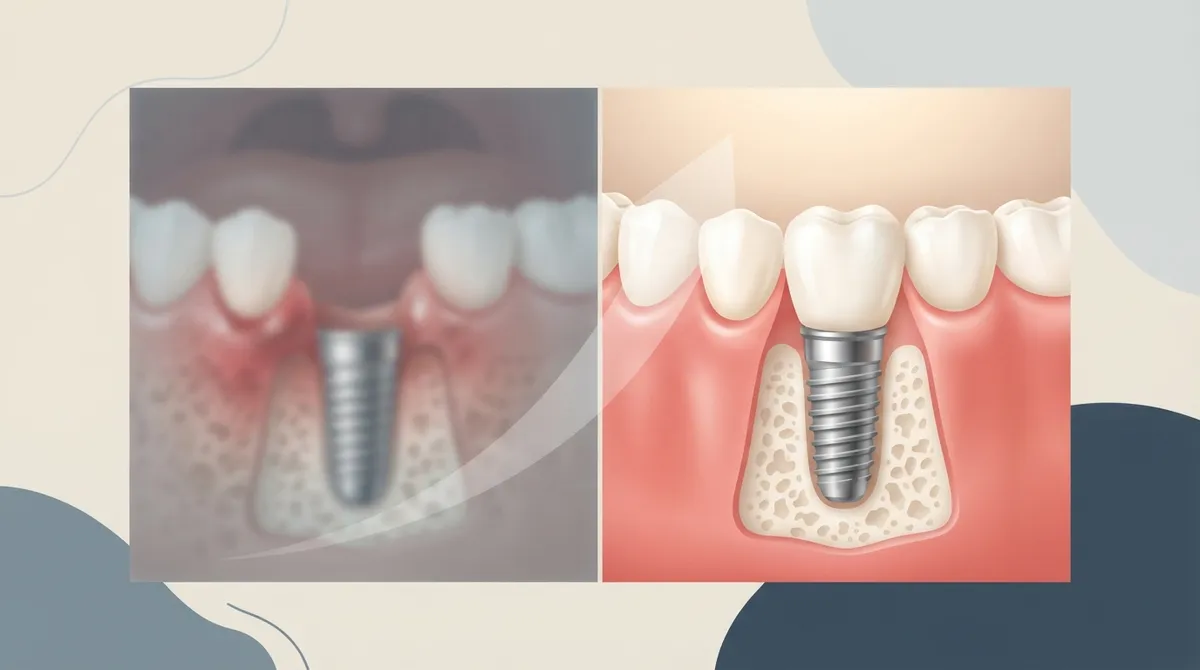
- Well-controlled blood sugar is the critical factor for implant success in diabetic patients, not the diabetes diagnosis itself; research shows 93-97% implant survival rates in patients with controlled diabetes, nearly matching non-diabetic outcomes.
- HbA1c levels below 7% are favorable for implant surgery, below 8% still supports high success rates, and above 8% typically requires delaying surgery to stabilize blood sugar first with your physician.
- High blood sugar delays healing, increases infection risk, slows bone fusion with implants, and increases inflammation and bone loss, making comprehensive preoperative evaluation and blood sugar management essential before surgery.
- Prepare for implant surgery by getting recent HbA1c results, treating active gum disease beforehand, scheduling physician coordination, and committing to all follow-up visits to monitor healing closely.
- After implant placement, diabetic patients should brush and floss daily, attend more frequent professional cleanings, watch for bleeding or swelling, and report warning signs like fever or worsening pain immediately.
- Both Type 1 and Type 2 diabetes are evaluated similarly based on blood sugar control, though Type 1 may require closer coordination with your endocrinologist regarding insulin timing on surgery day.
If you have diabetes and you are missing a tooth, you might think dental implants are off the table. That is one of the most common myths we hear at Charming Smiles of Ocoee. Here is the good news: having diabetes does not automatically rule you out. Many patients with diabetes get implants every year and enjoy strong, lasting results. The real key is how well your blood sugar is managed, not the diabetes diagnosis itself.
We know dental work can feel scary when you already manage a chronic condition. That is why Dr. Aliuska Lopez and our team take extra time with patients who have diabetes. We want you to feel informed, comfortable, and confident before any treatment begins. This guide walks through what the research says, what to expect, and how our Ocoee, FL practice supports safe, successful implant care for people managing diabetes.
Why Diabetes Matters for Dental Implants
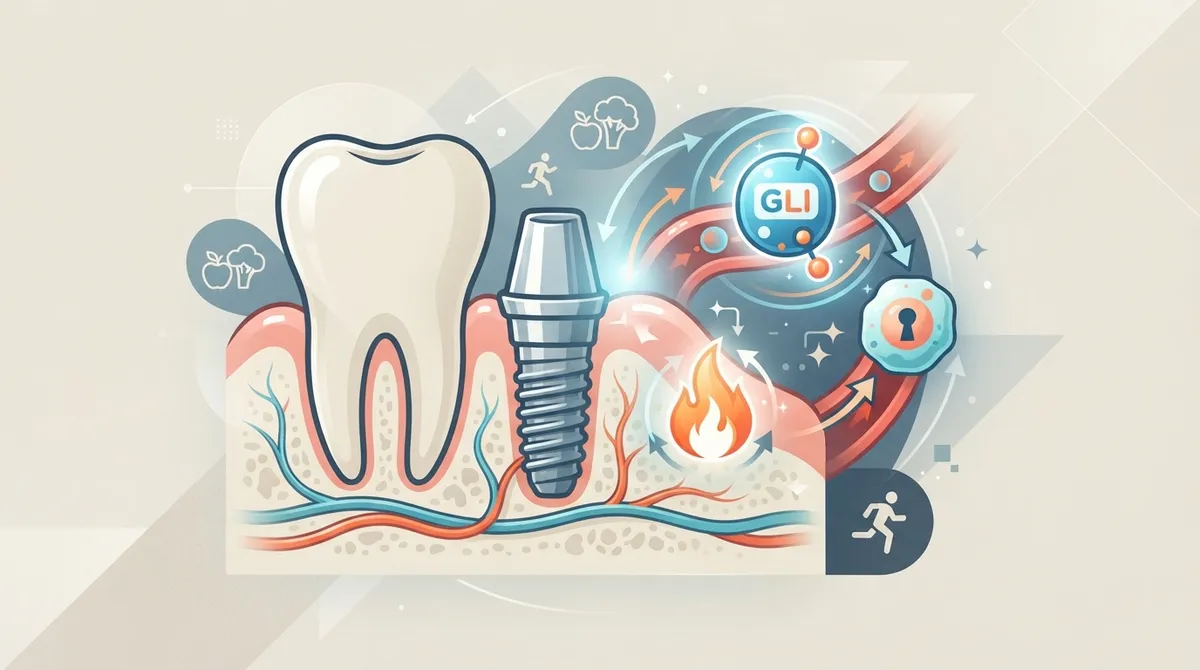
Dental implants work by fusing with your jawbone in a process called osseointegration. This is what makes them so strong and stable. Diabetes can affect how your body heals, which is why your dentist needs to look closely at your health before moving forward.
When blood sugar stays high for a long time, it can slow down healing. It can also make you more likely to get infections. Both of these things matter a lot after implant surgery. But here is the important part: diabetes itself is not a stop sign. It is simply a factor your dental team needs to manage carefully.
How Blood Sugar Affects Healing
Your body needs good blood flow and a strong immune response to heal properly. High blood sugar can get in the way of both. This can lead to:
- Slower healing around the implant site
- Higher risk of infection after surgery
- Delayed bone fusion with the implant
- More inflammation around the gum tissue
- Greater chance of bone loss near the implant over time
This is why your general dentistry team will want updated information about your diabetes management before planning implant treatment.
What the Research Actually Shows
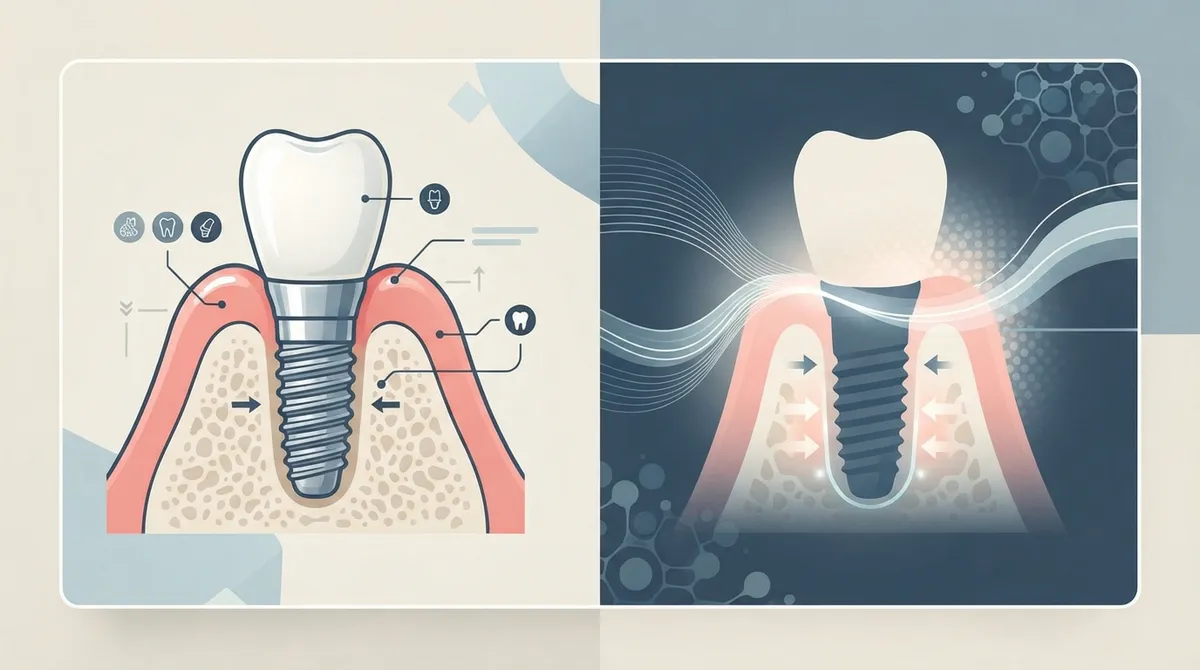
Let's look at real numbers, because they tell a hopeful story for most patients with well-managed diabetes.
A 2024 review of several studies found that dental implants in people with type 2 diabetes had a survival rate of about 96% to 97% after one year. Even after five years, survival rates stayed between roughly 87% and 96%, especially when diabetes was well controlled. That is genuinely encouraging news.
Another large review looking at 40 different studies found something similar. When diabetes was poorly managed, patients saw more problems like peri-implantitis, which is inflammation and infection around the implant. But when blood sugar was under control, outcomes looked a lot like those of patients without diabetes at all.
Implant Success Rates: A Closer Look
| Study Focus | Diabetic Patient Outcome | Key Takeaway |
|---|---|---|
| 2024 Systematic Review (Type 2 Diabetes) | 93.67% overall success rate | Controlled diabetes performs close to non-diabetic outcomes |
| 3-Year Retrospective Study | 90.18% survival in well-controlled diabetics | Nearly identical to 90.95% in non-diabetic patients |
| 2024 Meta-Analysis | Higher failure risk overall (odds ratio 1.777) | Results vary widely by study and diabetes control level |
| 2025 Prospective Study | 85% success at 12 months in diabetic group | Single study; not a universal benchmark |
Notice the pattern here? When diabetes is managed well, implant success gets a lot closer to what non-diabetic patients experience. That is the main message we want you to take away.
The Role of HbA1c in Implant Planning
You have probably heard your doctor mention HbA1c. This blood test shows your average blood sugar level over the past two to three months. It gives your dental team a much clearer picture than a single blood sugar reading.
There is no single HbA1c number that works for every patient. But general patterns have emerged from research:
- HbA1c below 7% is generally seen as a favorable range for implant surgery
- HbA1c below 8% often still allows for high implant survival rates
- HbA1c above 8% usually calls for extra caution, closer monitoring, or delaying surgery
- Your physician and dentist should communicate directly if your levels are on the higher end
- Follow-up testing may be needed closer to your surgery date to confirm stability
This is not about passing or failing a single test. It is about giving your body its best shot at healing well.
Other Factors That Affect Your Candidacy
Blood sugar control matters a lot, but it is not the only piece of the puzzle. Several other things factor into whether implants are a good fit for you right now.
- How long you have had diabetes
- Whether you have type 1 or type 2 diabetes
- Any diabetes-related complications, like nerve or kidney issues
- Whether you smoke or use tobacco products
- Your current gum health and history of gum disease
- The quality and amount of bone in the implant area
- Your ability to keep up with follow-up visits and home care
- A detailed medical history, including all diabetes medications
- Recent HbA1c results or blood sugar records
- A thorough gum health assessment
- Digital X-rays or 3D imaging to check bone volume
- Communication with your physician if needed
This step-by-step approach is part of why patients trust our dental implants program here in Ocoee. We would rather take the time upfront than rush into a plan that is not right for you.
Steps to Prepare for Implant Surgery With Diabetes
If you have diabetes and you are considering implants, a little preparation goes a long way. Here is a simple roadmap many of our patients follow.
- Schedule a consultation to discuss your health history and goals
- Get updated HbA1c and blood sugar readings from your doctor
- Work with your physician to stabilize your blood sugar if needed
- Treat any active gum disease before implant placement
- Follow personalized instructions about meals and medication timing on surgery day
- Attend all follow-up visits so we can monitor healing closely
- Report any unusual pain, swelling, or fever right away
Following these steps helps set you up for the best possible outcome. Our team will walk you through each one so nothing feels confusing or overwhelming.
Caring for Your Implants After Surgery
Patients with diabetes may have a slightly higher chance of developing peri-implantitis. This is inflammation around the implant that can lead to bone loss if it is not caught early. The good news is that consistent care makes a huge difference.
- Brush and floss around your implant every single day
- Keep up with regular professional cleanings and checkups
- Watch for bleeding, swelling, or tenderness near the implant
- Let us know right away if something feels off
- Keep your blood sugar as stable as possible long term
We often recommend slightly more frequent recall visits for patients managing diabetes. This lets us catch small issues before they become big problems. You can learn more about ongoing gum health support through our periodontal services.
What to Watch for After Getting Implants
Most patients heal beautifully with no major issues. But it helps to know the warning signs that mean you should call us right away.
- Fever or chills after surgery
- Swelling that keeps getting worse instead of better
- Bleeding that will not stop
- Pain that increases instead of easing over time
- Signs of very high or very low blood sugar, like shakiness or extreme thirst
If you notice any of these, do not wait it out. Reach out to our team so we can help right away.
Why Choose Charming Smiles of Ocoee for Implant Care
At Charming Smiles of Ocoee, we believe every patient deserves a treatment plan built around their real health picture, not a one-size-fits-all approach. Dr. Aliuska Lopez has years of experience helping patients with diabetes achieve healthy, confident smiles through carefully planned implant care.
Our spa-like office near Publix in Ocoee is designed to help you feel calm from the moment you walk in. We offer soothing music, comfortable blankets, and a team that genuinely listens. If dental anxiety has kept you away from care in the past, we invite you to read more about how we support nervous patients through real dental anxiety relief strategies we use every day.
We also make it easier to afford the care you need. Our practice accepts many major insurance plans and offers flexible insurance & financing options, including third-party plans that let you pay over time. Right now, we even offer a free dental implant consultation and $200 off implant treatment, so there has never been a better time to ask your questions.
Curious what other patients think? You can visit us on Google — Charming Smiles of Ocoee to read real reviews from our Ocoee community. You can also follow our work and see patient transformations on the Charming Smiles Facebook page and the Charming Smiles Instagram page.
Frequently Asked Questions About Diabetes and Dental Implants
We know you probably still have questions, and that is completely normal. Let's cover a few more details before you make your decision.
Is Type 1 Diabetes Treated Differently Than Type 2?
Both types are evaluated using similar factors, mainly blood sugar control and overall health. Type 1 patients may need closer coordination with their endocrinologist, especially around insulin timing on surgery day. Your dental team and physician will work together either way.
Can Diabetes Medications Affect Implant Healing?
Some medications can affect blood sugar stability around the time of surgery. That is why we always ask for a full list of your current medications. This helps us plan appointment timing and any needed adjustments with your doctor's guidance.
For more general guidance on managing chronic health conditions alongside oral health, the Centers for Disease Control and Prevention offers helpful, trustworthy resources on diabetes management. The American Dental Association also provides useful information on the connection between diabetes and oral health.
Ready to Talk About Your Smile?
Living with diabetes does not mean giving up on a complete, confident smile. With the right planning, careful monitoring, and a caring dental team, dental implants can absolutely be part of your future. Our team at Charming Smiles of Ocoee is here to guide you through every step, from your first consultation to your final follow-up visit.
If you are ready to explore whether implants are right for you, we would love to meet you. Feel free to call us at (407) 378-3704 to schedule your free consultation, or stop by our location near Publix in Ocoee to say hello. You can also book online whenever it is convenient for you. Your healthiest, most confident smile is closer than you think.
FAQs
Q: Can people with diabetes get dental implants?
A: Yes, in most cases! Many of our patients with diabetes have successful implant treatment when their blood sugar is well managed. Diabetes alone does not disqualify you, it just means we take a bit more care in planning your treatment.
Q: What HbA1c level is considered safe for dental implant surgery?
A: Research generally shows HbA1c below 7% is favorable, and levels below 8% can still support high success rates. Above 8%, we usually recommend working with your physician first to improve control before surgery.
Q: Do dental implants fail more often in patients with diabetes?
A: Studies show mixed results, but well-controlled diabetes often leads to success rates very close to non-diabetic patients. Poorly controlled blood sugar is linked to more complications, which is why management matters so much.
Q: How often should diabetic patients have implant maintenance visits?
A: We often suggest slightly more frequent checkups for patients managing diabetes, so we can catch any early signs of inflammation. Your exact schedule will depend on your healing progress and overall gum health.
Q: Should I lower my blood sugar before getting dental implants?
A: If your levels are running high, yes, it is a smart idea to work with your doctor first. Stable blood sugar around the time of surgery gives your body the best chance to heal properly and fuse with the implant.