Bone Grafting vs. No Graft: Which Wins for Implants?
Wondering if you need bone preservation before your dental implant? Learn how socket preservation helps protect your jaw and smile.
Key Takeaways
- Socket preservation should be done immediately after tooth extraction to prevent jawbone shrinkage, as bone resorption begins almost immediately without tooth root support and can require more complex grafting procedures later.
- Skipping bone preservation may seem cost-effective initially but often leads to additional surgeries and higher overall treatment costs, making proactive socket preservation the more economical long-term choice for most patients.
- Healing typically takes 3-6 months after socket preservation before implant placement, allowing graft material to integrate with natural bone and create a stable foundation for successful implant fusion.
- Even if bone loss has already occurred, advanced techniques like ridge augmentation and sinus lifts can rebuild jawbone structure, making dental implants achievable for patients who missed the initial preservation window.
Losing a tooth is stressful enough. Then your dentist mentions something called "bone preservation," and suddenly you have more questions than answers. Should you get a bone graft right after your extraction? Can you just skip it and get your implant later? These questions matter more than you might think, and the answer can affect how your smile looks and feels for years to come.
At Charming Smiles of Ocoee, we talk to patients about this exact decision all the time. Our team, led by Dr. Aliuska Lopez, wants you to feel confident about every step of your dental implants journey. So let's break down bone preservation implants versus skipping bone preservation, in plain language, so you can make the choice that's right for your smile.
What Are Bone Preservation Implants, Really?
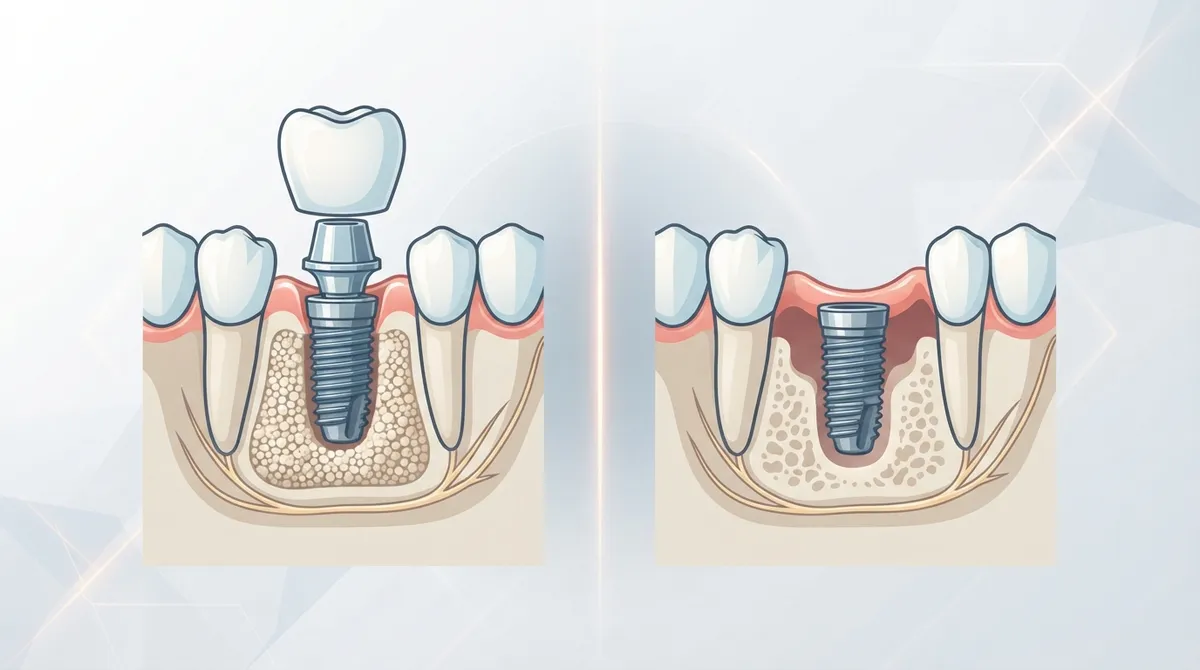
Here's the thing: "bone preservation implants" isn't one single procedure. It's really implant planning that includes a step called socket preservation or ridge preservation. This step happens right after a tooth comes out, before an implant goes in.
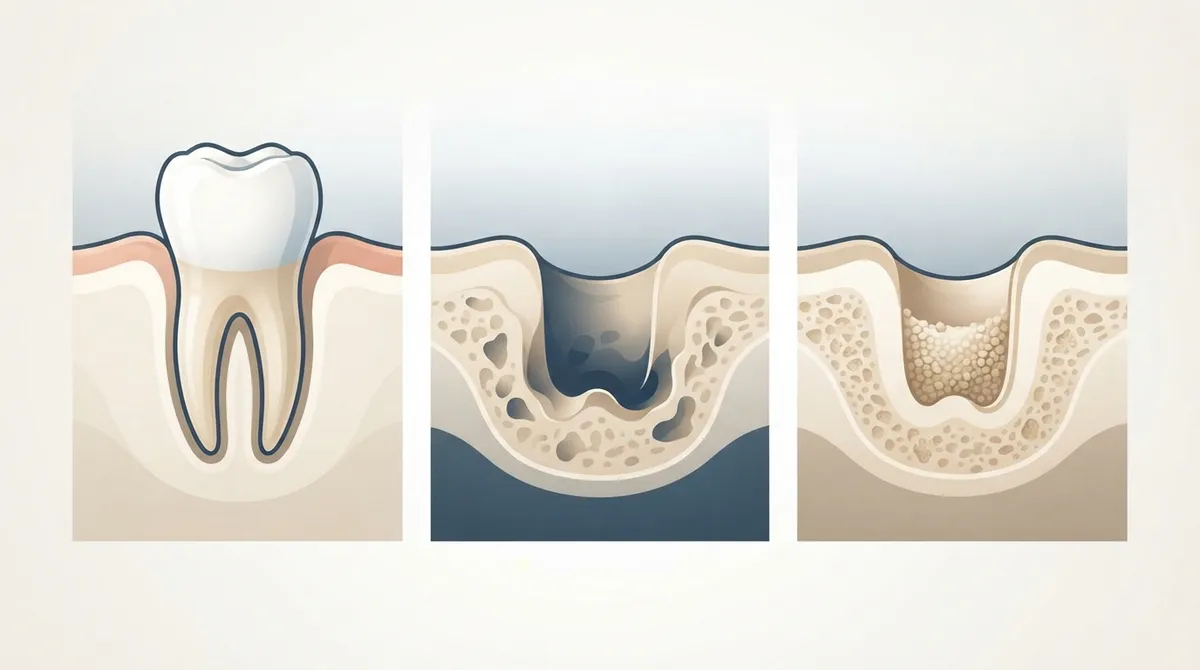
When a tooth is extracted, your jawbone starts to shrink almost immediately. Without support from tooth roots, the bone in that area begins to resorb, or break down. Socket preservation fills that empty space with graft material to help the bone hold its shape and volume while it heals.
Think of it like propping up a garden bed with a border. Without the border, the soil (your bone) slowly washes away and loses its shape. With it, everything stays put and ready for what comes next, in this case, a strong, stable implant.
How Socket Preservation Works
The process is simpler than it sounds. Here's a typical sequence:
- Your dentist removes the damaged or decayed tooth.
- Graft material is placed directly into the empty socket.
- A protective membrane may be added to hold everything in place.
- The site is allowed to heal, usually for a few months.
- Once healed, the implant can be placed into strong, stable bone.
This graft material can come from a few different sources, including donor bone, synthetic substitutes, or other biocompatible materials. Your dentist will choose what's best based on your specific needs and the size of the extraction site.
Bone Preservation vs. No Graft: The Real Comparison
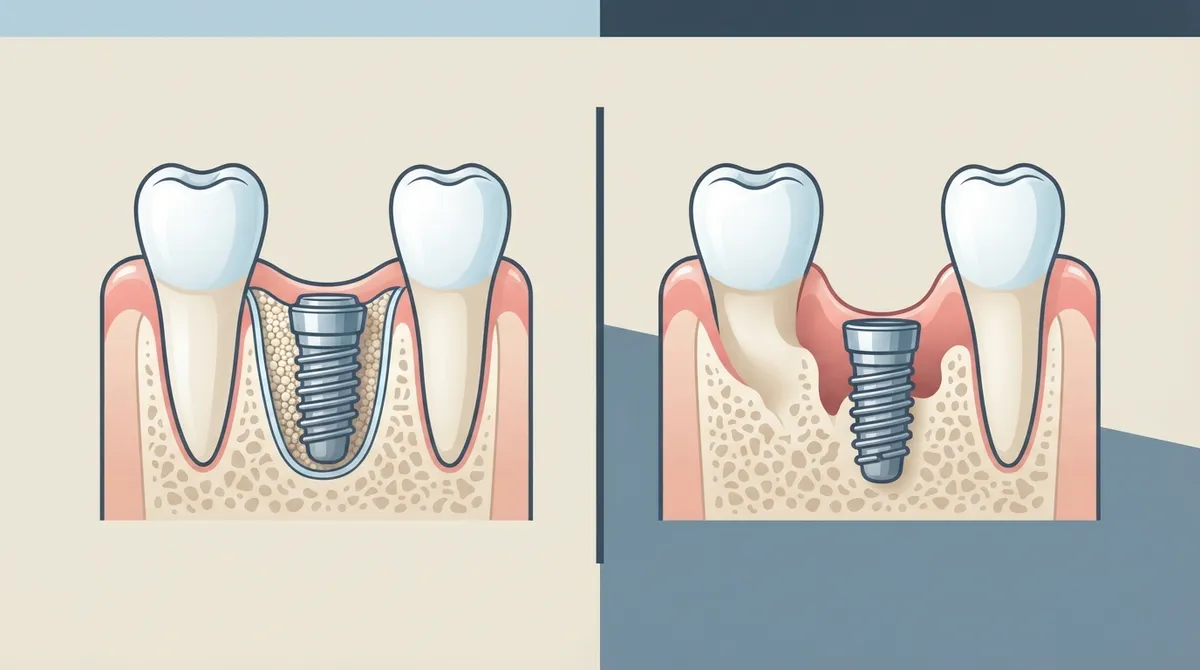
So what actually happens when you compare these two paths side by side? Let's look at the differences that matter most to patients.
| Factor | With Bone Preservation | Without Bone Preservation |
|---|---|---|
| Bone volume after healing | Better maintained width and height | Often shrinks noticeably |
| Future implant placement | Usually more predictable and simpler | May need extra grafting later |
| Healing time before implant | About 3 to 6 months | Varies, but often longer if grafting becomes necessary later |
| Aesthetic outcome | Ridge shape better supports a natural-looking restoration | Sunken or collapsed appearance possible |
| Overall cost over time | One planned procedure | Possible additional surgery down the road |
Notice that skipping bone preservation doesn't always cause problems right away. But months or years later, that missing support can make implant placement harder and more expensive. This is why so many dentists recommend socket preservation as a proactive step, not an optional extra.
When Is Bone Preservation Most Important?
Not every extraction site needs the same amount of care. Bone preservation tends to matter most in these situations:
- Front teeth extractions, where appearance is a bigger concern
- Sites where an implant is planned for the future
- Patients with thin or fragile bone to begin with
- Molars with larger sockets that are more prone to collapse
- Cases where healing time before the implant will be longer
If you're not sure whether your situation calls for this extra step, that's exactly what a consultation is for. Our team can look at your X-rays and give you real answers, not guesses.
What If You Already Have Bone Loss?
Maybe your tooth has been missing for a while already. Maybe bone loss has already happened. Don't worry, you still have options. If preservation wasn't done at the time of extraction, more advanced bone grafting techniques can rebuild what's needed.
These advanced options may include:
- Horizontal ridge augmentation to widen a thin jawbone
- Vertical ridge augmentation to build up bone height
- Sinus lift procedures for upper back teeth
- Block grafting for more significant bone loss
These procedures take more time and healing than simple socket preservation. But they can absolutely get your jaw ready for a strong, long-lasting implant. Patients are sometimes surprised at how much can be rebuilt with the right plan and a little patience.
How Long Does Healing Actually Take?
This is one of the most common questions we hear. Healing time depends on a few things, like the graft material used, the location in your mouth, and your own body's healing pace.
Generally speaking, most patients wait about 3 to 6 months between socket preservation and implant placement. This gives the graft material time to integrate with your natural bone and create a solid foundation. Rushing this step can lead to implant instability later, so patience really does pay off here.
Why Bone Preservation Improves Implant Success
You might be wondering, does all this extra step actually make a difference? The short answer is yes. Preserving your bone's height and width supports both function and looks.
Here's what better bone preservation typically leads to:
- A more stable base for the implant to fuse with over time
- Reduced risk of needing complex grafting procedures later
- A more natural-looking gum line around the future restoration
- Better long-term chewing function and comfort
- Fewer follow-up surgeries and lower overall treatment costs
One oral surgery practice notes that socket preservation is often described as having a high success rate, and for good reason. It gives your implant the best possible starting point.
What Does This Cost?
Cost varies by location, graft material, and the complexity of your case. As a general reference point, one dental practice lists alveolar bone preservation around $727, not including the extraction itself, with additional material costs on top of that.
At Charming Smiles of Ocoee, we believe cost shouldn't be a barrier to getting the care you need. We accept many major insurance plans, including Delta Dental, Cigna, Aetna, MetLife, and more. We also offer insurance & financing options through providers like CareCredit, so you can spread out payments comfortably. Our dental savings plan is another great option if you don't have traditional insurance.
Right now, we're also offering a free dental implant consultation plus $200 off implant treatment. Check our current specials page to see all the ways we make quality care more affordable.
Steps to Take Before Your Extraction
If you know a tooth needs to come out, don't wait to think about what comes next. Here's how to prepare:
- Schedule a consultation to discuss extraction and implant plans together
- Ask whether socket preservation is recommended for your specific tooth
- Talk about timeline expectations for healing and implant placement
- Review your insurance coverage and financing options
- Ask about sedation options if you feel nervous about the procedure
Planning ahead like this often leads to smoother treatment and fewer surprises. It also means less time spent going back and forth to fix issues that could have been prevented.
Why Patients Trust Charming Smiles of Ocoee
Dr. Aliuska Lopez is known throughout Ocoee as a true smile expert who takes time to explain every option clearly. Our spa-like office includes calming touches like soothing music, cozy blankets, and streaming entertainment, so even patients with dental anxiety feel at ease.
We combine advanced dental technology with genuine warmth. Patients consistently tell us how comfortable they feel from the moment they walk in. You can visit us on Google — Charming Smiles of Ocoee to read real reviews from real patients in your neighborhood. You can also follow along on our Charming Smiles Facebook page or check out smiles we've helped transform on our Charming Smiles Instagram page.
For deeper background on tooth replacement options, resources like the American Dental Association's guide on dental implants and information from the National Institute of Dental and Craniofacial Research offer helpful, trustworthy details as well.
Common Mistakes Patients Make
Over the years, we've noticed a few patterns that can lead to complications. Here are mistakes worth avoiding:
- Waiting too long after extraction to plan for an implant
- Assuming all extraction sites need the exact same treatment
- Skipping follow-up appointments during the healing period
- Choosing the cheapest option without understanding long-term costs
- Not asking questions about graft material or healing timeline
Being an informed patient really does make a difference. The more you understand your options, the better decisions you can make for your smile's future.
Making the Right Choice for Your Smile
So, bone preservation versus no graft: which one wins? For most patients planning a future implant, bone preservation is the clear winner. It protects your jaw's shape, supports a more natural-looking result, and often saves you from bigger procedures down the road.
That said, every mouth is different. The right choice depends on your specific tooth, your bone health, and your long-term goals. That's exactly why a personal consultation matters so much.
Ready to talk about your options? Reach out to our friendly team by calling us at (407) 378-3704 to schedule your consultation. We're proud to serve Ocoee families and look forward to helping you protect your smile for years to come.
FAQs
Q: What is bone preservation in dental implants?
A: Bone preservation, often called socket preservation, is a step done right after a tooth extraction. Your dentist places graft material into the empty socket to help your jawbone keep its shape and volume, which makes future implant placement easier and more predictable.
Q: Is socket preservation the same as ridge preservation?
A: Yes, these terms are usually used interchangeably. Both describe the process of filling an extraction socket with graft material to protect the surrounding bone ridge from shrinking during healing.
Q: How long after socket preservation can an implant be placed?
A: Most patients wait about 3 to 6 months before their implant is placed. This gives the graft time to fully integrate with your natural bone, creating a strong, stable foundation for your new tooth.
Q: Can you get implants if you already have bone loss?
A: Absolutely! If bone loss has already happened, more advanced techniques like ridge augmentation or sinus lifts can rebuild the area. It just may take a bit more time and planning, but implants are still very achievable.
Q: Does bone preservation improve implant success?
A: Yes, it really does. Preserving bone height and width creates a sturdier base for your implant, which supports better long-term function, a more natural look, and fewer complications down the road.