Bonding vs. Crowns: How to Fix a Broken Tooth?
Learn how dentists fix a broken tooth, from simple bonding to crowns and root canals, with costs and prevention tips.
Key Takeaways
- Call your dentist immediately if you experience severe pain, heavy bleeding, swelling, or a loose tooth, as these are dental emergencies requiring urgent care.
- Dental bonding is the most affordable and quick option for small chips (completed in under an hour), while crowns are necessary for larger breaks to restore strength and function.
- If a crack reaches the pulp where nerves and blood vessels are located, a root canal followed by a crown becomes necessary to prevent infection and save the tooth.
- Treatment cost varies significantly: bonding is most affordable for minor damage, crowns cost more but last 10-15+ years, and root canal therapy is a bigger investment but preserves the natural tooth.
- Immediately after breaking a tooth, rinse gently, save the broken piece in milk or saliva, apply cold compress, and avoid chewing on that side while contacting your dentist.
- Prevent future damage by wearing a mouthguard during sports, avoiding chewing on hard objects, using a night guard if you grind teeth, and attending regular checkups to catch weak spots early.
You just bit into something hard, and now your tooth feels different. Maybe it looks jagged. Maybe it's sharp against your tongue. Maybe it hurts. Whatever happened, you're probably wondering the same thing everyone wonders in this moment: what happens next, and how much is this going to cost you?
Here's some good news. A broken tooth is one of the most common problems dentists see, and there are proven ways to fix broken tooth damage no matter how big or small the crack is. At Charming Smiles of Ocoee, we see patients from families with active kids to grandparents who just want their smile back to normal. This guide walks through your options so you know exactly what to expect before you even sit in the chair.
What Actually Happens When a Tooth Breaks?
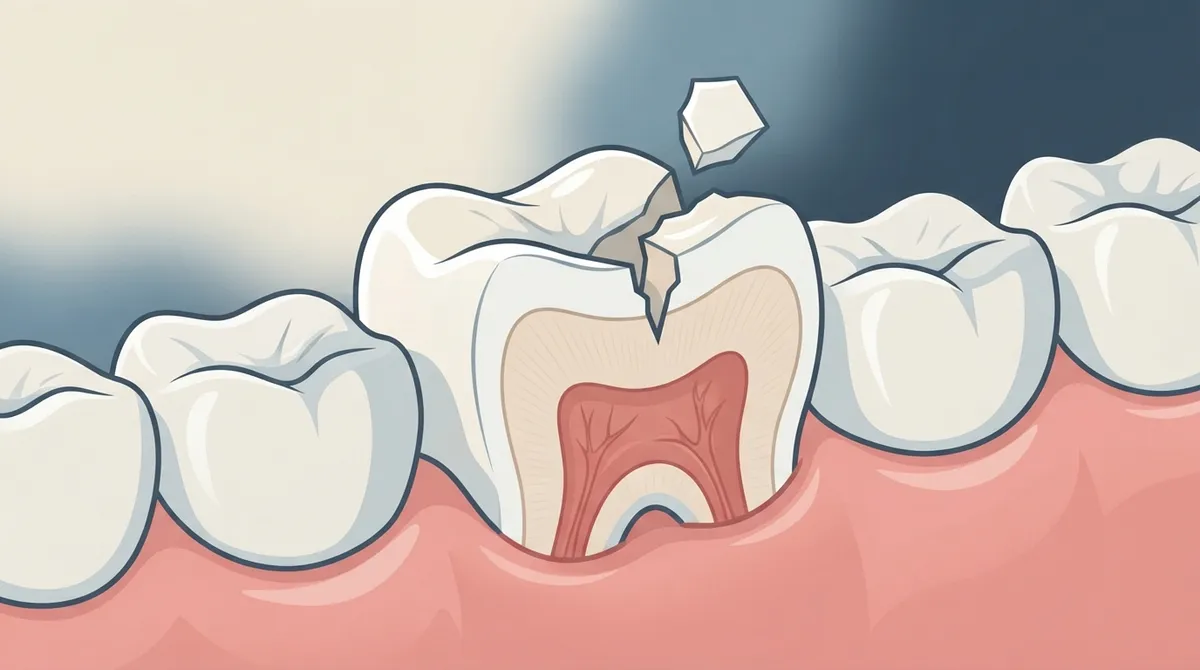
Teeth are strong, but they're not invincible. A hard bite, a fall, or even years of grinding can cause a crack or chip. The outer layer, called enamel, is the hardest part of your body. But underneath it sits dentin, and below that is the pulp, where nerves and blood vessels live.
How your dentist treats a broken tooth depends on how deep the damage goes. A tiny chip in the enamel is a much smaller deal than a crack that reaches the pulp. That's why seeing a dentist quickly matters so much. What looks like a small chip today could turn into a bigger problem if bacteria sneaks into exposed dentin.
Common Signs You Have a Broken Tooth
- A visible chip, crack, or jagged edge you can feel with your tongue
- Sudden sharp pain when you bite down or chew
- Sensitivity to hot, cold, or sweet foods that wasn't there before
- Swelling around the gum near the damaged tooth
- Bleeding from the gum or the tooth itself
- A piece of tooth that has completely broken off
If you notice bleeding, swelling, or a piece of the tooth is loose, this is considered a dental emergency. Don't wait it out. Call your dentist right away.
Bonding vs. Crowns: Which Fix Is Right for You?
This is the big question most patients have. Do you need a simple fix, or something more involved? The answer depends on the size of the break and how much healthy tooth structure remains.
When Dental Bonding Works Best
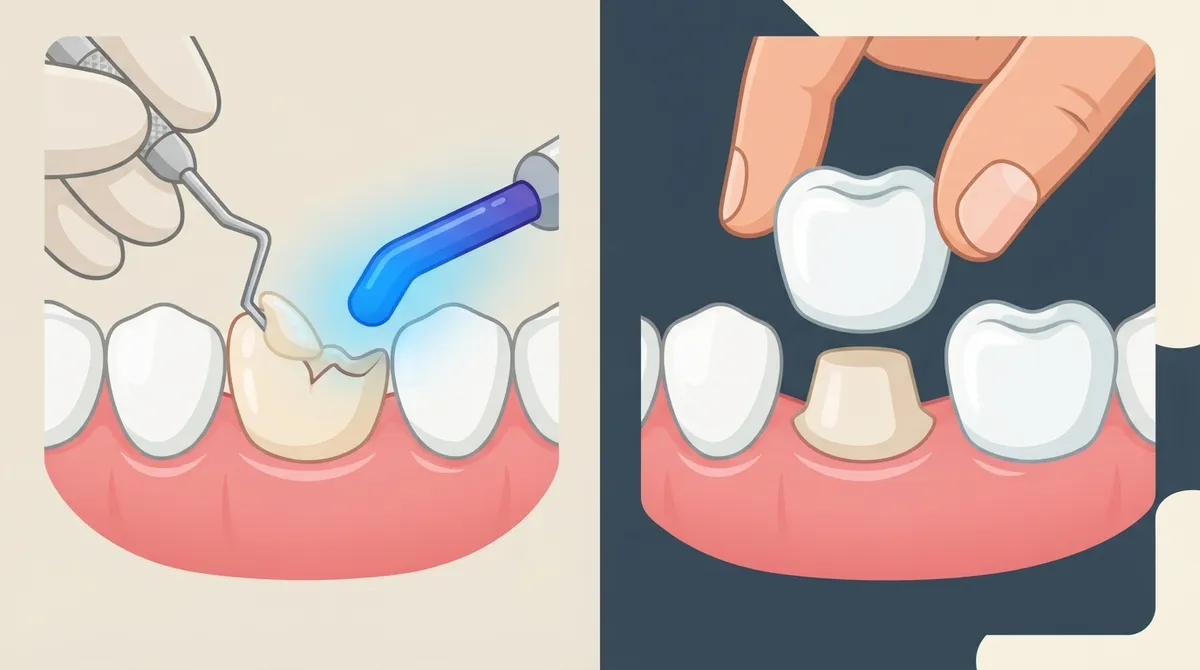
Bonding is often the go-to solution for small chips. Your dentist applies a tooth-colored resin to the damaged area, shapes it to match your natural tooth, and hardens it with a special light. It's quick, usually painless, and can often be done in a single visit.
- Best for minor chips that don't affect the tooth's structure
- Matches your natural tooth color for a seamless look
- Usually completed in under an hour
- More affordable than crowns or other restorative options
Bonding isn't as durable as a crown, though. If the chip is large or in a spot that takes a lot of chewing pressure, bonding may not hold up as well over time.
When You Need a Crown Instead
Larger breaks usually call for a crown. Think of a crown as a protective cap that covers the entire visible part of your tooth. It restores strength, function, and appearance all at once.
- Ideal for larger fractures or teeth with significant structural loss
- Provides long-term protection against further damage
- Restores full chewing function
- Can be made from porcelain for a natural look
Our crowns & bridges options at Charming Smiles of Ocoee are designed to look and feel like your natural teeth, so nobody will know you had work done except you.
5 Main Ways Dentists Treat a Broken Tooth
According to major dental sources, there are five common ways a fractured tooth gets treated. Here's a simple rundown, from least invasive to most involved.
- Contouring and polishing — For very minor chips that only affect the enamel surface, your dentist may simply smooth out rough edges.
- Bonding — A tooth-colored resin repairs small to moderate chips and restores natural appearance.
- Veneers — For front teeth with cosmetic damage, a thin porcelain shell can cover the break and improve overall appearance. Learn more about our Veneers options if you want both repair and a smile upgrade.
- Crown placement — For larger breaks, a crown protects what's left of the tooth and restores full function.
- Root canal followed by a crown — If the crack reaches the pulp, root canal therapy removes the damaged tissue before the tooth is capped.
In rare cases where the damage goes below the gumline or into the root, extraction may be the safest choice. If that happens, your dentist will talk with you about options like dental implants or a bridge to replace the missing tooth.
Comparing Your Treatment Options
| Treatment | Best For | Typical Visits | Durability |
|---|---|---|---|
| Contouring/Polishing | Tiny enamel chips | 1 visit | Permanent (no repair needed) |
| Bonding | Small to moderate chips | 1 visit | 3-10 years |
| Veneer | Front tooth cosmetic damage | 1-2 visits | 10-15 years |
| Crown | Large breaks, cracked teeth | 1-2 visits | 10-15+ years |
| Root Canal + Crown | Breaks reaching the pulp | 2 visits | Lifetime with care |
Why Root Canals Are More Common Than You Think
If your dentist mentions a root canal, try not to panic. Root canal therapy is performed on about 15 million teeth every year in the United States, according to the American Association of Endodontists. It's one of the most routine procedures in dentistry today.
A root canal becomes necessary when a fracture reaches the pulp, which is the soft tissue inside your tooth filled with nerves and blood vessels. Once bacteria gets in there, infection can follow quickly. The procedure removes the damaged tissue, cleans out the space, and seals it up. A crown usually follows to protect the tooth long term.
Our team offers gentle root canals designed with your comfort in mind. We know the word alone makes people nervous, but modern techniques make the process far more comfortable than most people expect.
Signs You May Need a Root Canal
- Deep, throbbing pain that doesn't go away
- Sensitivity to hot or cold that lingers for a long time
- Visible dark discoloration on the tooth
- Swelling or a pimple-like bump on the gum near the tooth
- Pain when you bite down or apply pressure
What Should You Do Right After Breaking a Tooth?
The first few minutes after a tooth breaks can make a real difference in how your treatment goes. Here's a step-by-step guide to follow.
- Rinse your mouth gently with warm water to clear away any debris.
- If there's bleeding, apply gentle pressure with clean gauze until it stops.
- Find the broken piece if possible. Store it in milk or your own saliva, not water.
- Apply a cold compress to your cheek to reduce swelling and ease pain.
- Avoid chewing on that side of your mouth.
- Take an over-the-counter pain reliever if needed, following label directions.
- Call your dentist as soon as possible, even if the pain seems manageable.
One thing dental professionals always stress: never try to glue a broken tooth fragment back together at home. Household glue is not safe for use in your mouth and can actually make things worse. Leave the repair work to trained professionals.
Is a Broken Tooth Always a Dental Emergency?
Not every chip requires an urgent visit, but some situations absolutely do. Here's how to tell the difference.
Call Right Away If You Notice:
- Severe, ongoing pain
- Heavy bleeding that won't stop
- Visible swelling in your face or gums
- A tooth that feels loose or has shifted position
- A large piece of tooth missing with exposed nerve tissue
You Can Usually Wait for a Regular Appointment If:
- The chip is small and doesn't hurt
- There's no bleeding or swelling
- You don't notice any sharp edges bothering your tongue or cheek
When in doubt, it's always better to call. Our emergency dentistry team at Charming Smiles of Ocoee is ready to help families throughout Ocoee get fast relief when dental pain strikes unexpectedly.
What About Cost? Understanding Your Investment
Cost is often the first question on everyone's mind, and that's completely understandable. The price to fix a broken tooth varies quite a bit depending on the treatment needed.
- Bonding tends to be the most affordable option for small repairs
- Crowns cost more but offer greater durability and protection
- Root canals combined with crowns represent a bigger investment but save the natural tooth
- Extractions with replacement options like implants are typically the most involved financially
We believe cost shouldn't stand between you and a healthy smile. That's why we offer flexible insurance & financing options and a payment plans program designed to fit real family budgets. We also accept most major dental insurance plans, including MetLife, Delta Dental, Cigna, Aetna, and many others.
If you don't have insurance, our dental savings plan can help you save on everyday care and unexpected repairs alike. And be sure to check our current specials, including a $49 emergency consultation that gets you seen fast without breaking the bank.
Why Choose Charming Smiles of Ocoee for Tooth Repair?
Dr. Aliuska Lopez and her team understand that dental anxiety is real. Nobody wants to sit in a chair feeling scared, especially when they're already dealing with pain from a broken tooth. That's why our Ocoee practice is built around comfort from the moment you walk in.
- Soothing music and streaming entertainment in every treatment room
- Pillows, blankets, and aromatherapy to help you relax
- Gentle hygienists and a warm front desk team
- Advanced technology for accurate, comfortable treatment
- A spa-like atmosphere that takes the stress out of dental visits
Families across Ocoee trust us because we treat every patient like they matter, not just another appointment on the schedule. You can about us and get to know Dr. Lopez's approach to gentle, modern dentistry before you ever book a visit.
Want to see what real patients are saying? Check out our reviews and Visit us on Google — Charming Smiles of Ocoee to read honest feedback from Ocoee families just like yours. You can also connect with us on the Charming Smiles Facebook page or follow along on the Charming Smiles Instagram page for smile transformations and helpful tips.
Preventing Future Tooth Damage
Once your tooth is repaired, you'll want to protect your investment. A few simple habits go a long way.
- Wear a custom mouthguard during sports or activities with fall risk
- Avoid chewing on ice, hard candy, or pens
- Ask about a night guard if you grind your teeth while sleeping
- Keep up with regular checkups so small issues get caught early
- Don't use your teeth as tools to open packages or bottles
Regular visits for general dentistry checkups help us spot weak spots before they turn into emergencies. Prevention really is the best medicine when it comes to protecting your smile long term.
The Bottom Line on Fixing a Broken Tooth
A broken tooth doesn't have to derail your week or your budget. Whether you need simple bonding or a full crown, modern dentistry offers reliable ways to restore your smile quickly and comfortably. The most important step is acting fast, so small problems don't turn into bigger ones.
According to trusted sources like the Cleveland Clinic's guide on fractured teeth, prompt treatment leads to better outcomes and often less invasive procedures overall. Don't wait until pain becomes unbearable to make that call.
If you've chipped, cracked, or broken a tooth, don't wait to get help. Reach out to call us at (407) 378-3704 and let our friendly team get you scheduled quickly, or stop by our location near Publix in Ocoee. Your smile deserves gentle, expert care, and we're here to give you exactly that.
FAQs
Q: How do dentists fix a broken tooth?
A: It really depends on how bad the break is. Small chips usually just need bonding or a bit of polishing. Bigger breaks call for a crown, and if the crack reaches the nerve, you might need a root canal first. Our team will always walk you through the best option for your specific situation.
Q: Is a broken tooth a dental emergency?
A: It can be, especially if you're in pain, bleeding, or notice swelling. Even if it doesn't hurt right away, it's smart to get it checked soon since small cracks can get worse over time. When in doubt, just give us a call and we'll help you figure out next steps.
Q: Can a broken tooth be repaired without a crown?
A: Yes, absolutely! Many small to moderate chips can be fixed with simple bonding, which is quick, affordable, and looks completely natural. Crowns are usually reserved for larger breaks that need extra strength and protection.
Q: How much does it cost to fix a broken tooth?
A: Cost varies based on the treatment you need, from affordable bonding to more involved crown or root canal work. We accept most major insurance plans and offer flexible financing, so cost never has to be a barrier to getting the care you need.
Q: Can a dentist glue a broken tooth back on?
A: In some cases, if you save the broken piece and bring it in quickly, your dentist may be able to reattach it using professional dental bonding materials. Just never try this at home with household glue, since it's not safe for your mouth and won't hold up anyway.