Why Won't Your Bad Breath Go Away, Even With Brushing?
Struggling with bad breath despite brushing? Learn the real causes and effective dental treatments that actually work in Ocoee.
Key Takeaways
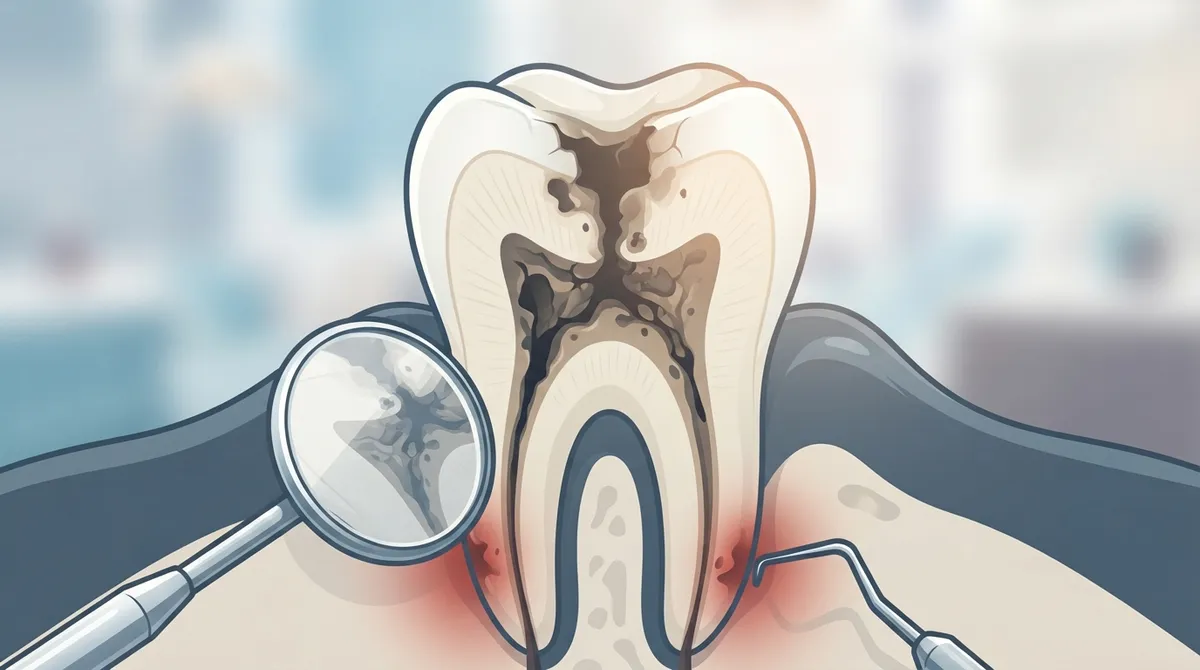
- Persistent bad breath usually has a root cause in your mouth—such as gum disease, tooth decay, dry mouth, or plaque buildup—that requires professional dental treatment, not just mouthwash or mints which only mask odors temporarily.
- Follow a 7-step treatment plan: brush for 2 minutes twice daily, floss daily, clean your tongue, stay hydrated, reduce odor-causing foods, chew sugar-free gum after meals, and get a professional cleaning—if bad breath persists after 2 weeks, schedule a dental exam.
- Warning signs like persistent bad breath despite brushing, bleeding gums, or loose teeth indicate gum disease or other serious dental problems requiring immediate professional care to prevent tooth loss.
- Regular dental checkups every 6 months catch hidden decay and bacteria trapped in old fillings or crowns that store-bought products cannot fix, providing the most effective long-term solution for chronic bad breath.
You brush twice a day. You use mouthwash. You even carry mints in your purse. But that stale, embarrassing breath keeps coming back. If this sounds familiar, you're not alone. Many folks in Ocoee deal with this same frustrating problem every single day.
Here's the good news. Bad breath, also called halitosis, almost always has a real cause. And once you find that cause, you can fix it. At Charming Smiles of Ocoee, we help patients get to the root of their breath problems instead of just masking them. This guide will walk you through why bad breath happens, what actually works to treat it, and when it's time to see a dentist.
What Actually Causes Bad Breath?
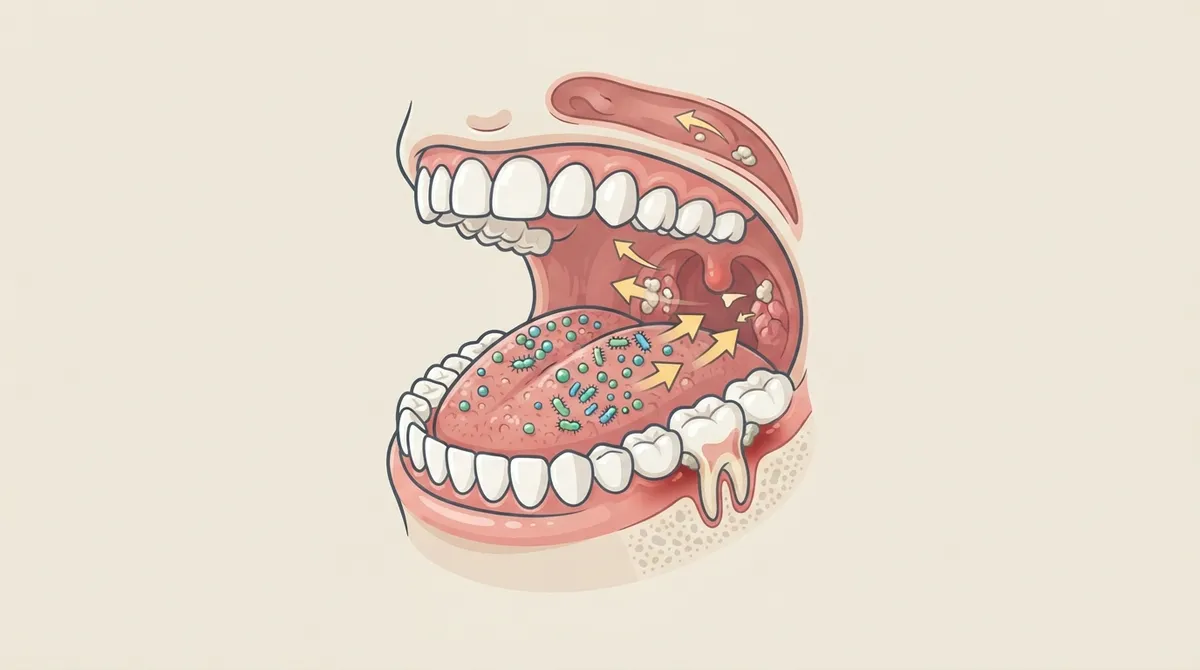
Bad breath usually starts in your mouth. Food particles get stuck between teeth. Bacteria break them down. This releases smelly sulfur compounds. That's the science behind most morning breath and post-meal odor.
But sometimes the cause runs deeper than a missed brushing session. Here are the most common triggers we see at our practice:
- Poor oral hygiene that lets plaque and bacteria build up on teeth and gums
- Gum disease, which creates pockets where bacteria thrive
- Dry mouth, often from medications or breathing through your mouth at night
- Tooth decay or old fillings that trap food and bacteria
- Certain foods like garlic, onions, and coffee
- Tobacco use, which dries out the mouth and leaves its own odor
- Underlying health issues like sinus infections or acid reflux
Most of these causes trace back to what's happening inside your mouth. That's why a trip to the dentist is often the fastest way to real relief. Learn more about how general dentistry checkups catch these problems early.
Why Mouthwash and Mints Don't Solve the Real Problem
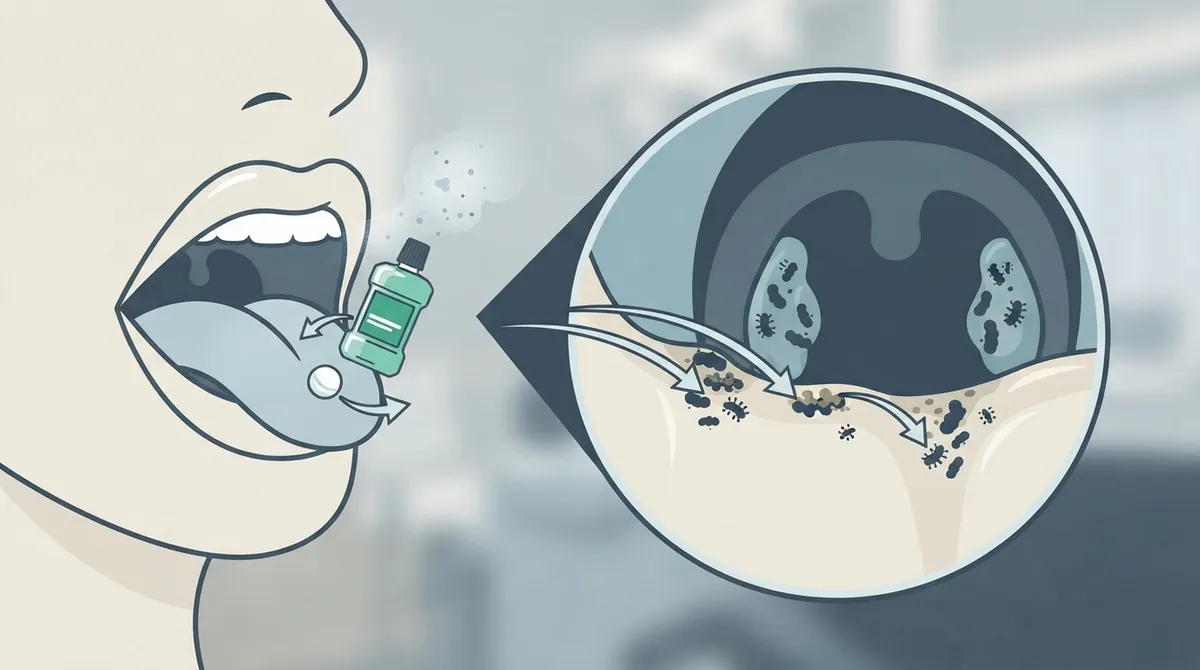
Mints and mouthwash cover up odor for a short time. They don't kill the bacteria hiding in gum pockets or clean out old fillings that trap food. Think of it like spraying air freshener over a pile of dirty laundry. It smells better for a minute, but the real issue is still there.
Some mouthwashes even make things worse. Alcohol-based rinses dry out your mouth. Less saliva means more bacteria. More bacteria means worse breath later on. This is a cycle we see often with patients who rely only on store-bought products.
7 Steps for Real Bad Breath Treatment
Here's a simple plan that works for most people. Try these steps in order, and pay attention to what helps.
- Brush twice daily for two full minutes. Don't rush this step. Cover every tooth surface, including the back molars.
- Floss every single day. This removes food stuck between teeth that brushing alone can't reach.
- Clean your tongue. Bacteria love the rough surface of your tongue. Use a tongue scraper or your toothbrush.
- Stay hydrated all day. Water washes away food particles and keeps your mouth from drying out.
- Cut back on odor-causing foods and tobacco. Garlic, onions, and cigarettes leave lasting smells that basic hygiene can't fully remove.
- Chew sugar-free gum after meals. This boosts saliva flow, which naturally cleans your mouth.
- Schedule a professional cleaning. A dental hygienist can remove plaque and tartar buildup that you simply can't reach at home.
If you follow these steps for two weeks and still notice bad breath, that's your sign to book a dental exam. Something deeper may be going on.
When Bad Breath Signals a Bigger Dental Problem
Sometimes bad breath is your mouth's way of waving a red flag. Here are warning signs that mean you need professional care right away:
- Breath that stays bad no matter how much you brush or rinse
- Bleeding or swollen gums along with the odor
- A constant bad taste in your mouth
- Loose teeth or receding gums
- Pain when chewing
These symptoms often point to gum disease, which affects millions of adults across the country. Left untreated, it can lead to tooth loss. Our general dentistry team checks for these signs during every routine visit, so problems get caught before they get worse.
Table: Common Causes of Bad Breath and How We Treat Them
| Cause | Common Signs | Recommended Treatment |
|---|---|---|
| Plaque and tartar buildup | Yellow film on teeth, morning breath | Professional cleaning, better home routine |
| Gum disease | Bleeding gums, swelling, persistent odor | Deep cleaning, periodontal treatment |
| Dry mouth | Sticky feeling, thirst, bad taste | Hydration tips, saliva-boosting products |
| Tooth decay | Pain, visible holes, sensitivity | Fillings or root canals if needed |
| Old dental work | Odor near crowns or fillings | Replacement crowns via crowns & bridges |
How a Dental Checkup Helps Fix Bad Breath for Good
A dental exam does more than check for cavities. Your dentist looks closely at your gums, checks for hidden decay, and examines old fillings or crowns that might be trapping bacteria. This kind of close look catches problems that store-bought products simply cannot fix.
At Charming Smiles of Ocoee, Dr. Aliuska Lopez and her team use advanced technology to spot issues early. Many patients tell us they feel embarrassed bringing up bad breath. There's no need to feel that way. It's one of the most common concerns we treat, and we handle every visit with kindness and zero judgment.
If it's been a while since your last cleaning, now is a great time to schedule one. Regular visits every six months keep plaque and bacteria from building up in the first place.
Bad Breath Treatment for Busy Families
Parents often notice bad breath in their kids and wonder if it's normal. Sometimes it's just morning breath. Other times it points to a cavity or a sinus issue. Either way, routine checkups for the whole family make a big difference.
We know family schedules are packed. That's why our office works hard to make appointments easy for everyone, from toddlers to grandparents. Our pediatric dentistry team is gentle and patient with younger patients, helping them build good habits early.
Bad Breath and Cosmetic Concerns
If you're investing in a beautiful smile through veneers or teeth whitening services, fresh breath should be part of that confidence. Nobody wants a stunning smile paired with breath that makes people step back. Our cosmetic team looks at your whole mouth health, not just appearance, to make sure your smile is beautiful and healthy from every angle.
Does Invisalign Affect Bad Breath?
If you wear Invisalign aligners, you might notice more odor than usual. Aligners trap bacteria against your teeth if they aren't cleaned properly. Here's a quick numbered guide to keep your breath fresh during treatment:
- Rinse your aligners every time you take them out.
- Brush your teeth before putting aligners back in.
- Clean aligners daily with a gentle cleaning solution, not toothpaste.
- Avoid eating or drinking anything but water while wearing them.
- Replace your aligner case regularly to avoid bacteria buildup.
Following these steps keeps your treatment on track and your breath fresh the whole time.
What to Expect During Your Bad Breath Consultation
Wondering what happens at your appointment? Here's a simple breakdown:
- A friendly chat about your symptoms and habits
- A full exam of your teeth, gums, and tongue
- X-rays if needed to check for hidden decay
- A custom plan based on what we find
- Tips you can start using at home right away
We believe in explaining everything clearly so you understand your treatment plan every step of the way.
Affordable Care for Every Budget
Cost shouldn't stand between you and fresh breath. Charming Smiles of Ocoee accepts many major insurance plans and offers insurance & financing options to help spread out payments. We also have a dental savings plan for patients without insurance, plus flexible payment plans through trusted providers. Be sure to check our current specials, including a $129 Adult Complete Checkup that includes an exam and X-rays.
Real Results, Real Reviews
Patients often tell us they wish they had come in sooner. Fresh breath means more confidence at work, on dates, and with family. You can visit us on Google — Charming Smiles of Ocoee to see what our patients say about their experience. We also share smiles and updates on our Charming Smiles Facebook page and Charming Smiles Instagram page.
Ready to Say Goodbye to Bad Breath?
Bad breath doesn't have to control your confidence. With the right care, most causes are simple to fix. According to the American Dental Association, persistent bad breath is often linked to gum disease, and professional treatment is the most effective solution. The National Institute of Dental and Craniofacial Research also confirms that regular dental visits play a key role in preventing chronic oral health issues.
Our office sits near Publix in Ocoee, making it easy to fit a visit into your errands or workday. Whether you're dealing with occasional odor or a more stubborn case, our team is ready to help. You can book online at a time that works for you.
Don't wait another day feeling self-conscious about your breath. Check out our location and hours, or simply call us at (407) 378-3704 to schedule your visit. Fresh breath and a healthier smile are closer than you think.
FAQs
Q: What is the fastest bad breath treatment?
A: The fastest fix is a professional dental cleaning paired with better daily habits like flossing and tongue cleaning. Mints and mouthwash only hide the smell for a few minutes, but a cleaning removes the bacteria causing it in the first place.
Q: Can bad breath be a sign of gum disease?
A: Yes, it definitely can. Persistent bad breath along with bleeding or swollen gums is one of the earliest warning signs of gum disease, so it's worth getting checked out sooner rather than later.
Q: How often should I see a dentist for bad breath?
A: We recommend a checkup every six months, but if your bad breath won't go away after two weeks of good home care, come see us sooner. Catching the cause early makes treatment much easier.
Q: Does Invisalign cause bad breath?
A: Invisalign itself doesn't cause bad breath, but aligners can trap bacteria if they aren't cleaned properly. A simple daily cleaning routine keeps your breath fresh throughout treatment.
Q: Is bad breath treatment covered by dental insurance?
A: Many insurance plans cover the cleanings and exams needed to treat bad breath. Our team happily helps verify your benefits, and we also offer flexible financing if you need extra support.
Our Service Area
iframe src="https://maps.google.com/maps?q=Ocoee%2C%20FL&z=11&output=embed" width="100%" height="450" style="border:0;" loading="lazy" referrerpolicy="no-referrer-when-downgrade" title="Our Service Area">/iframe>