9 Ways Dental Implants Can Change Your Bite (2026)
Wondering will implants change my bite? Learn how implant position, adjustment, and healing affect your smile in Ocoee, FL.
Key Takeaways
- Implant position is critical to bite outcome—placement that's too high, too low, or poorly angled can cause discomfort, uneven pressure, and jaw problems, making experienced placement essential.
- Occlusal adjustment is a quick, straightforward fix for most post-implant bite issues, involving marking paper and gentle crown reshaping to balance contact points.
- Well-placed implants restore disrupted bites by filling tooth gaps and preventing neighboring teeth from drifting, helping chewing feel more even and natural.
- Bite adaptation varies by patient but typically takes a few days to weeks initially, with full comfort settling in within 3-6 months for most cases.
- Implants prevent future bite problems by acting like natural tooth roots, stopping adjacent teeth from shifting and protecting overall bite alignment long-term.
- Watch for warning signs like one tooth hitting first, jaw soreness, or one-sided chewing preference—these indicate a bite adjustment is needed and should be addressed promptly.
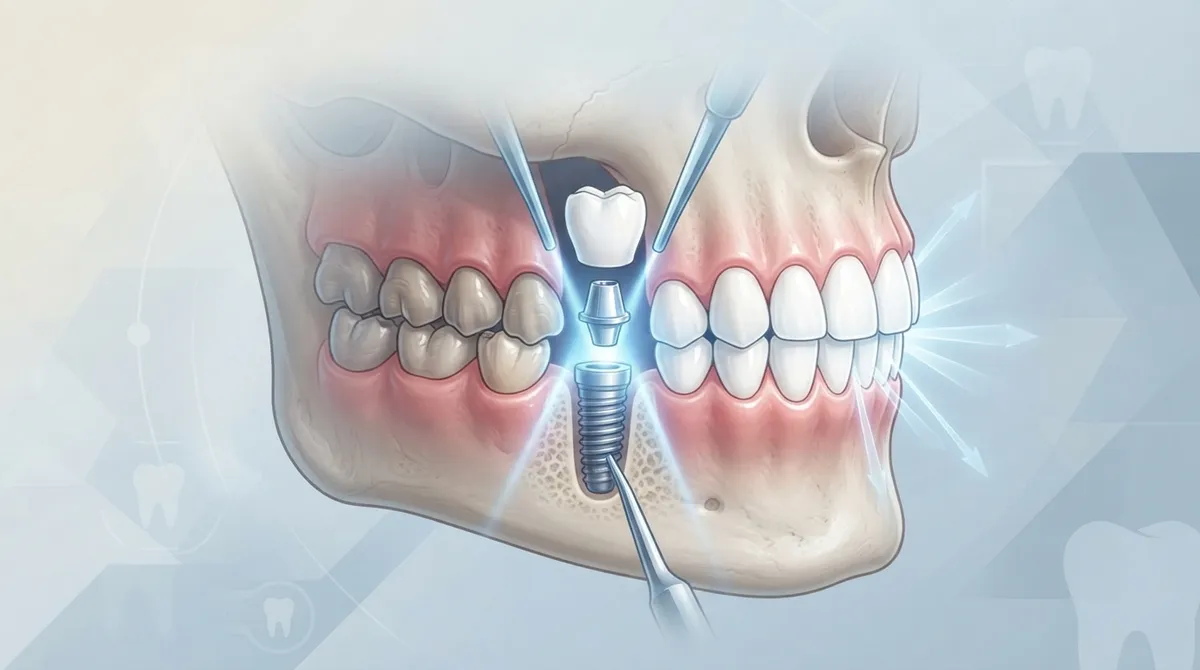
Missing a tooth changes more than your smile. It can shift how your whole bite feels every time you chew. If you are thinking about dental implants, you have probably wondered: will implants change my bite? The honest answer is yes, they can, and in most cases that change is a good thing.
At Charming Smiles of Ocoee, we help patients across Ocoee, FL understand exactly what to expect before, during, and after implant treatment. Dr. Aliuska Lopez and her team focus on precise, comfortable care so your new tooth feels like it belongs. Let's walk through the nine biggest ways implants can affect your bite, and how to make sure those changes work in your favor.
1. Implants Can Restore a Bite That Missing Teeth Already Disrupted
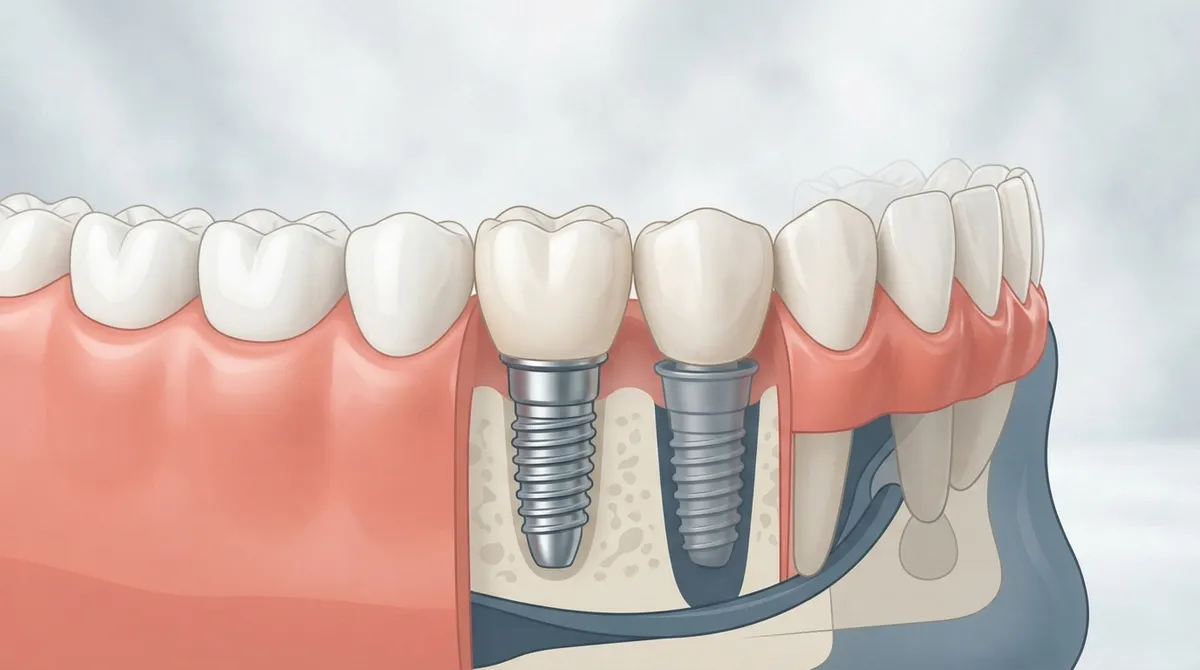
When a tooth goes missing, your bite starts to shift almost right away. Nearby teeth can lean into the gap. Opposing teeth may drift down or up looking for something to touch. This slowly throws off your whole bite pattern.
A well-placed implant fills that space and gives your teeth something solid to rest against again. This helps stop the drifting and can bring your bite closer to how it used to feel. Many patients say chewing feels more even and natural once the implant crown is in place.
2. Implant Position Determines How Your Bite Feels
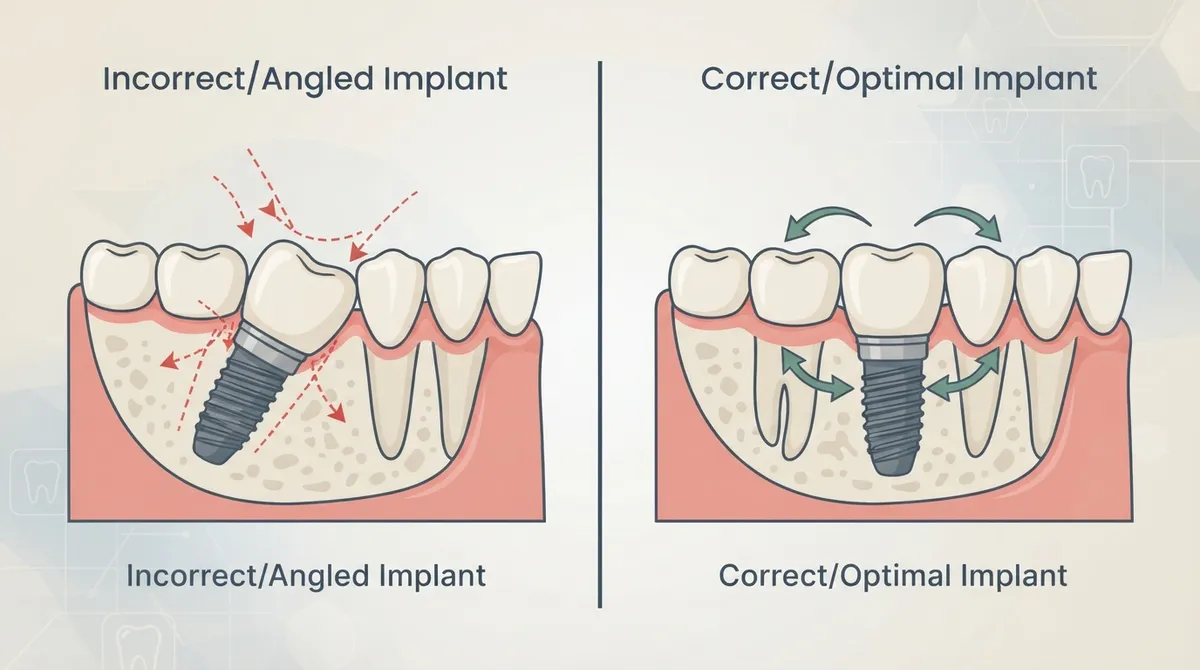
The final bite outcome depends heavily on where the implant is placed and how well the crown fits. This is one of the most important facts to understand before treatment starts.
Here is why position matters so much:
- An implant placed too high can hit opposing teeth too hard.
- An implant placed too low may leave a gap that affects chewing.
- Angle problems can cause uneven pressure on one side of your mouth.
- Poor alignment can cause soreness in the jaw joint over time.
This is why choosing an experienced provider matters. Dr. Lopez uses advanced imaging and careful planning for every dental implants case to get the position right the first time.
3. A Properly Placed Implant Should Feel Natural After Adjustment
Your mouth needs a little time to adjust to anything new, even a well-placed implant. Most patients notice their bite feels slightly different right after the crown goes on.
Here is what a smooth adjustment usually looks like:
- Your dentist checks your bite with special marking paper during your appointment.
- Small adjustments are made to the crown's surface if needed.
- You go home and start using the tooth normally within a day or two.
- Your brain and jaw muscles adapt to the new tooth over the following days.
- Full comfort usually settles in within a few weeks for simple cases.
A properly placed implant should help distribute chewing forces more evenly across your jaw. That even pressure is a big part of what makes a bite feel comfortable long term.
4. Bite Problems Can Happen If the Implant Restoration Sits Too High
Sometimes a new crown feels a little too tall right after placement. This is common and usually easy to fix. But if it is not corrected, it can cause real problems.
Watch for these signs of a high bite:
- You notice one tooth touching before all the others.
- Soreness shows up on the implant tooth or the tooth across from it.
- Jaw muscles feel tight or tired after eating.
- You catch yourself chewing more on one side of your mouth.
If any of this sounds familiar, do not wait it out. A quick visit for an occlusal adjustment can solve the issue fast.
5. Occlusal Adjustment Is the Simple Fix for Most Bite Concerns
Occlusal adjustment sounds technical, but it is actually a straightforward process. It simply means fine-tuning the contact points between your new tooth and the teeth it touches.
During this appointment, your dentist will:
- Ask you to bite down naturally on marking paper.
- Look at exactly where your teeth are touching too hard.
- Gently shave down tiny amounts of the crown surface.
- Have you bite again to check the new fit.
- Repeat until your bite feels even and comfortable.
This process usually takes just a few minutes. It is one of the easiest and most effective ways to correct bite issues after implant treatment.
6. Full Bite Adaptation Takes Time, and That Is Normal
Patients often ask how long it takes to feel completely normal again. The truth is, timelines vary quite a bit from person to person.
| Adaptation Stage | Typical Timeframe | What's Happening |
|---|---|---|
| Initial Adjustment | A few days to two weeks | Muscles and nerves get used to the new tooth |
| Comfortable Chewing | 3 to 6 months | Most patients feel fully adapted |
| Complex Cases | Up to two years | Multiple implants or bite changes need more time |
| Bone Integration | 12 to 18 months or longer | Bone continues to bond and stabilize around the implant |
Studies on implant patients show many people regain about 80 to 90 percent of their original bite strength after treatment. That is a strong result, especially compared to living with a missing tooth.
7. Implants Help Prevent Future Bite Problems, Not Just Fix Current Ones
One of the biggest long-term benefits of implants is prevention. Once your implant is in place, it acts like a natural tooth root. This stops neighboring teeth from shifting into the empty space.
Without an implant, here is what tends to happen over time:
- Nearby teeth slowly tilt toward the gap.
- Opposing teeth can over-erupt into the open space.
- Your bite alignment gradually gets worse.
- Chewing on that side becomes harder and less comfortable.
By replacing the tooth early, you protect the rest of your bite from these slow, sneaky changes. This is one reason our team often recommends implants soon after tooth loss rather than waiting.
8. Poorly Placed Implants Can Affect More Than Just That One Tooth
It is worth being honest about the risks here too. Implant failure has been linked to bite-related complications in roughly 5 to 10 percent of cases in some clinical reviews. That is a small percentage, but it shows why skill and experience matter.
A badly placed implant can lead to:
- Extra wear on the teeth that touch it too hard.
- Jaw joint discomfort from uneven pressure over time.
- Gum irritation around the implant site.
- Ongoing soreness that does not improve on its own.
This is exactly why choosing a skilled, detail-oriented dentist matters so much. Dr. Lopez is known throughout Ocoee as a true smile expert, and her careful approach to implant planning helps patients avoid these complications from the start.
9. Complex Bite Issues May Need a Team Approach
Most implant patients only need simple adjustments to feel comfortable. But some cases are more complex, especially if several teeth are missing or the bite was already uneven before treatment began.
In these situations, care may involve:
- Your restoring dentist evaluating the overall bite pattern.
- Coordination with the surgeon who placed the implant.
- Possible orthodontic input if teeth need repositioning too.
- Follow-up visits to fine-tune the fit over several months.
This team approach ensures nothing gets missed. If you are dealing with a more complicated case, do not worry. Our practice coordinates every step so you are never left guessing what comes next.
How to Know If Your Bite Needs Attention After Implant Treatment
Not every strange feeling after implant surgery means something is wrong. But certain signs are worth a phone call to your dentist.
Call your dentist if you notice:
- Pain that gets worse instead of better after a week.
- One tooth that feels noticeably taller than the rest.
- Jaw clicking or popping that started after your implant.
- Difficulty closing your mouth comfortably.
- Soreness that spreads to your ear or temple area.
Catching these issues early makes them much easier to fix. Waiting too long can sometimes lead to bigger problems down the road.
Why Choosing the Right Dentist Matters for Your Bite
Implant success is not just about the surgery itself. It is about the entire plan, from imaging to placement to that final bite check. Charming Smiles of Ocoee combines advanced technology with a calm, spa-like setting so every step feels comfortable, even the detailed bite adjustments.
Patients across Ocoee trust our team because we take the time to get things right. You can follow our Facebook page for patient stories, or check out real photos and updates on our Instagram page. You can also read what patients say by visiting our Google Business Profile for Charming Smiles of Ocoee.
If you are exploring implants for the first time, our guide on 5 Dental Implant Mistakes That Could Cost You Thousands is a great place to start. We also recommend checking our insurance and financing options so cost never gets in the way of a healthy bite.
Final Thoughts on Implants and Your Bite
So, will implants change my bite? Yes, and for most patients, that change means a stronger, more even, more comfortable way of chewing. The key is proper placement, careful adjustment, and a dentist who pays attention to the small details that make a big difference.
According to research published by the National Institute of Dental and Craniofacial Research, replacing missing teeth early helps preserve healthy bite function and jaw bone over time. That research supports exactly what we see every day in our Ocoee office.
Ready to find out if implants are right for your smile? You can book online for a consultation, or reach out and call us at (407) 378-3704 to speak with our friendly team today. We would love to help you chew, smile, and feel confident again.
FAQs
Q: Will dental implants change my bite permanently?
A: Yes, in a good way for most patients. Once your implant heals and your bite is adjusted properly, it becomes a permanent part of your smile that supports even, comfortable chewing for years to come.
Q: Why does my bite feel off after getting a dental implant?
A: This is usually normal in the first few days as your mouth adjusts to the new tooth. If it does not improve within a week or two, it may mean the crown needs a small occlusal adjustment, which is a quick and easy fix.
Q: Can a dental implant be adjusted if it is too high?
A: Absolutely. Your dentist can gently reshape the crown surface during a simple in-office visit. This is one of the most common and easiest bite corrections we perform.
Q: How long does it take to get used to a new bite after implants?
A: Most patients feel comfortable within a few days to a few weeks. Full adaptation can take three to six months, and more complex cases may take up to two years to fully settle.
Q: Can implants fix bite problems caused by missing teeth?
A: Yes, implants often help correct bite issues that developed after tooth loss. They fill the gap, stop nearby teeth from shifting, and help restore more even chewing pressure across your mouth.