9 Things to Know When Looking for In-Office Teeth Whitening
Looking for in-office teeth whitening? Learn how it works, what results to expect, costs, and how to pick a gentle, trusted provider in Ocoee.
Key Takeaways
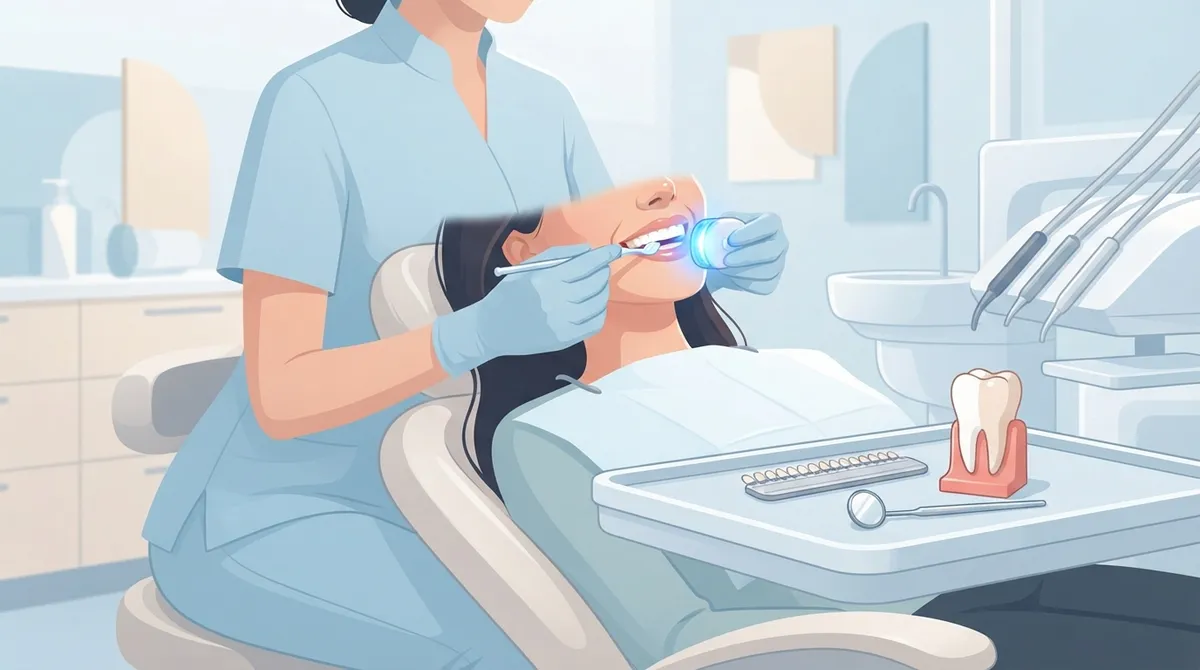
- Dentist-supervised in-office whitening uses peroxide gel at roughly 15% to 43% concentration, far stronger than most store-bought products, which is why results can appear in a single one-hour visit.
- Always get a dental exam first: untreated cavities, cracks, or gum disease should be fixed before whitening, since bleach can cause pain on compromised teeth.
- Whitening only lightens natural tooth structure, so existing crowns, veneers, fillings, and implants will not change color and may look darker next to your new shade. Plan for this with your dentist beforehand.
- Expect temporary sensitivity, which the ADA reports can affect up to two-thirds of users early on; tell your dentist about past sensitivity and avoid very hot or cold drinks for a day.
- Results vary by stain type and natural color, and no honest dentist can guarantee a specific shade; the NHS suggests effects may last about three years with good habits.
- Insurance usually does not cover cosmetic whitening, so request a written quote that details what is included, such as follow-up visits or take-home trays, before booking.
Have you ever caught your reflection in a photo and wished your smile looked a little brighter? You are not alone. Coffee, tea, red wine, and simple aging can dull even the best-kept teeth. That is why so many people end up looking for in office teeth whitening in 2026. It is fast, it is supervised by a dental professional, and it can lift your smile in a single visit.
But not all whitening experiences are the same. Before you book, it helps to know what the treatment involves, who it works best for, and what questions to ask. Think of this guide as a friendly chat with someone who wants you to walk out feeling great about your choice.
Below, we walk through nine things worth knowing, from how the treatment works to what it costs and how to keep your results. Whether you are a busy parent, a cosmetic enthusiast, or someone who gets nervous in the dental chair, you will find helpful answers here.
1. What In-Office Teeth Whitening Actually Is
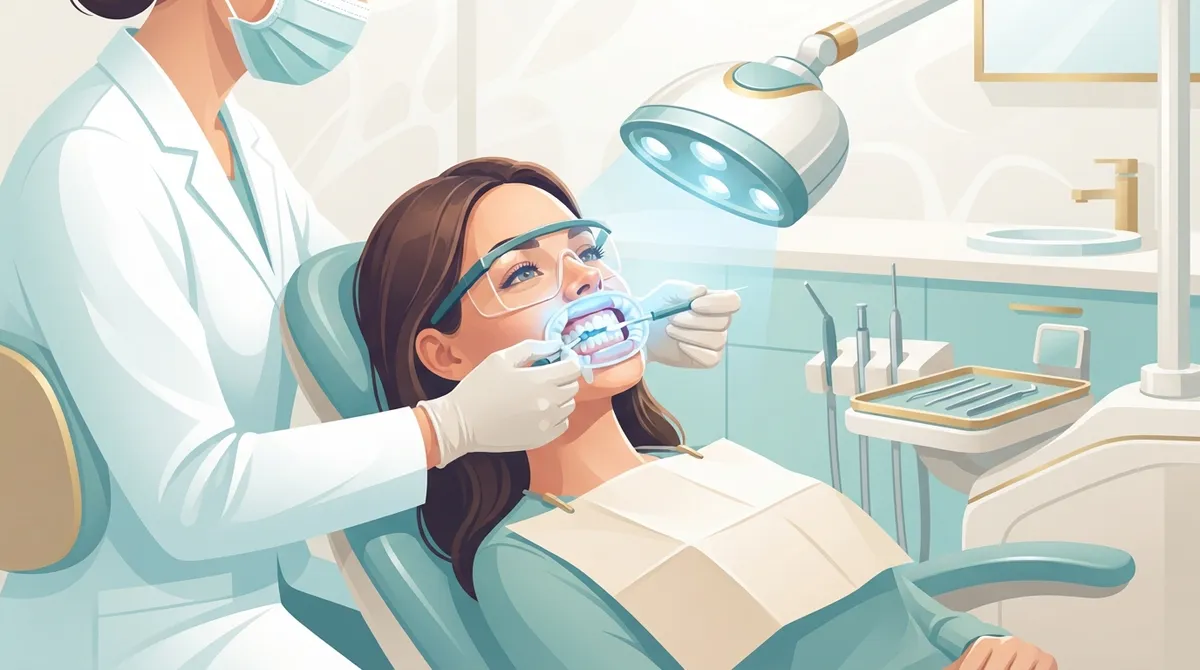
In-office whitening is a dentist-supervised bleaching procedure. It uses peroxide-based gel at higher strengths than most store-bought products. That extra strength is why results can show up in one appointment instead of weeks.
According to the American Dental Association, professional in-office products commonly use hydrogen peroxide concentrations of about 15% to 43%. Strengths vary by product and by where you live. Your dentist picks what is right for your teeth and gums.
The key word here is supervised. A dental team watches the whole process, protects your soft tissues, and adjusts the plan if something does not feel right. That is a big comfort for many patients.
2. Why the Exam Comes First
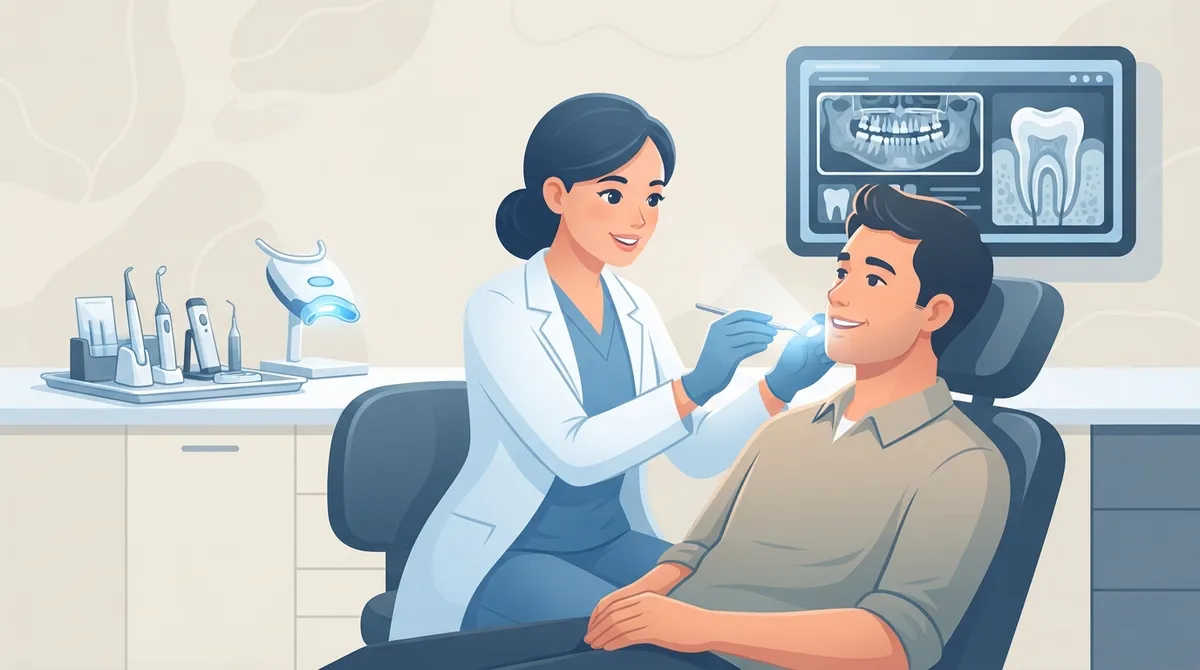
A good whitening visit starts with a dental exam, not a bottle of gel. Your dentist needs to know why your teeth look dull before deciding how to treat them.
During the exam, the dentist will usually:
- Look for cavities, cracks, or worn enamel
- Check your gums for signs of disease or irritation
- Ask about sensitivity, allergies, and past whitening
- Identify the cause of the discoloration
Whitening can be unsuitable until oral health problems are treated. Putting bleach on a tooth with an untreated cavity can cause pain. Taking care of those issues first keeps you safe and comfortable.
If you have not had a checkup in a while, this is a great time to schedule one. Our guide on how to find a dental checkup near me in Ocoee can help you get started.
3. How the Treatment Works, Step by Step
Nervous about what happens in the chair? Knowing the steps can ease a lot of worry. While every office has its own method, a typical visit looks like this:
- Cleaning and prep. Your teeth are cleaned to remove surface plaque so the gel can work evenly.
- Shade check. The team notes your starting shade so you can see your progress.
- Gum protection. A barrier or shield covers your gums and soft tissues.
- Gel application. The whitening gel is placed on the front surfaces of your teeth.
- Activation and waiting. Some systems use a special light, while others do not need one. The gel sits for a set time.
- Rinse and review. The gel is removed, your teeth are rinsed, and the team checks your new shade.
A light or laser may be used with some systems, but it is not required for every treatment. If someone tells you a light is the only way to get results, ask questions. The peroxide gel does the actual whitening work.
4. How Long It Takes and What Results to Expect
Most appointments take about an hour. The ADA describes in-office whitening as usually taking around one hour. Some patients need more than one round of gel during the visit, so exact timing depends on the product and your teeth.
As for results, an ADA News overview notes that in-office treatment can produce a visible change of roughly three to eight shades in 30 to 60 minutes. That sounds exciting, and it can be. Still, results vary from person to person, and no honest dentist can promise a specific shade.
Your results depend on:
- The type of stain you have (surface stains often respond best)
- Your natural tooth color
- How long the stains have been there
- The product and strength used
Yellow tones tend to brighten well. Gray or brownish stains from certain medications may respond more slowly. Your dentist can give you a realistic picture during your consultation.
5. What Whitening Cannot Change
Here is something many people do not realize. Whitening only lightens natural tooth structure. It does not change the color of crowns, veneers, fillings, dentures, or implants.
That means if you have a front-tooth crown or bonding, it may look darker than your newly whitened teeth. This mismatch can be a surprise if no one warns you ahead of time.
If you already have dental work, talk it over before you start. In some cases, whitening first and then updating a restoration to match gives the most natural look. You can learn more about this in our article on whether you can whiten veneers, and our guide to whitening crowns covers similar ground.
6. Possible Side Effects and How to Handle Them
Whitening is a common and well-studied treatment, but it is fair to talk about side effects. The most common ones are temporary tooth sensitivity and mild gum irritation.
The ADA reports that transient mild-to-moderate sensitivity can occur in up to two-thirds of users during the early stages of bleaching. That figure covers whitening treatments in general, not only in-office ones. For most people, the zing fades within a day or two.
Here are a few ways to stay comfortable:
- Tell your dentist about any past sensitivity before you begin
- Ask about desensitizing treatments or toothpaste
- Avoid very hot or very cold drinks for the first day
- Call your dentist if pain is strong or does not go away
If you get nervous about dental visits, you are in good company. Many of our patients feel the same way. We have a whole page of ideas in 10 gentle dental care secrets for a stress-free visit, and our spa-like atmosphere is designed to help you relax.
7. Who Is a Good Candidate (and Who Should Wait)
Most healthy adults with natural teeth can whiten safely. Still, some situations call for extra care or a different plan.
| Situation | What It Usually Means |
|---|---|
| Healthy adult with surface stains | Often a strong candidate |
| Untreated cavities or gum disease | Treat these first, then whiten |
| Very sensitive teeth | May need a gentler plan or prep |
| Crowns, veneers, or fillings in view | Expect a possible color mismatch |
| Children and teenagers | Generally not recommended |
| Pregnant or breastfeeding | NHS guidance advises against it; talk to your dentist |
If you are a parent wondering about your teen, the answer is usually to wait. Younger teeth have larger nerve chambers and may be more sensitive. If a teen is unhappy with their smile, a visit to a dentist can help sort out safe options, including Invisalign for teens if alignment is part of the concern.
8. In-Office vs. At-Home Whitening
Which is better? The honest answer is that it depends on your goals, your budget, and your schedule. Here is a simple side-by-side look.
| Feature | In-Office Whitening | At-Home Options |
|---|---|---|
| Speed | Visible change in about an hour | Gradual, often days to weeks |
| Strength | Higher peroxide levels | Lower strength |
| Supervision | Dental team protects gums | You manage it yourself |
| Customization | Based on your exam | One-size-fits-most or custom trays |
| Best for | Special events, fast results | Slow, steady touch-ups |
Many people actually combine the two. They get a professional treatment first for a big jump, then use take-home trays now and then to keep the shade. We cover this in 8 things to know about in-office vs. at-home teeth whitening, and it is worth a read if you are still deciding.
If you are weighing whitening against bigger cosmetic changes, our comparison of veneers vs. whitening can help you decide which fits your smile goals.
9. Cost, Insurance, and How Long Results Last
Let us talk money, because it matters. Professional whitening is usually considered a cosmetic service, so dental insurance often does not cover it. Prices vary by office and by product, so always ask for a written quote before you begin. Also ask what is included, such as follow-up visits or take-home products.
For a deeper look at what to expect, see our post on dental teeth whitening cost. And if budgeting is a worry, we offer flexible options. You can explore our dental savings plan and payment plans. We also run current specials, including free professional teeth whitening when you book another cosmetic treatment.
As for how long your smile stays bright, the NHS says whitening effects may last around three years when patients follow their dentist's advice. That timeline is not a promise. Coffee, tea, red wine, and tobacco can shorten it.
To make your results last, try these habits:
- Rinse or brush after dark drinks when you can
- Use a straw for coffee and tea
- Keep up with regular cleanings and checkups
- Ask about occasional touch-up treatments
What to Look for in a Whitening Provider
Now that you know the basics, how do you pick the right office? Here are a few friendly signs you are in good hands.
- They start with an exam. No exam, no deal.
- They explain risks honestly. A trustworthy dentist talks about sensitivity and limits, not just big promises.
- They protect your gums. Ask how they shield your soft tissues.
- They give a clear quote. You should know the cost upfront.
- They make you feel at ease. Comfort is part of good care.
At Charming Smiles of Ocoee, Dr. Aliuska Lopez and the team focus on gentle, personalized care in a calm, spa-like setting. If you want to learn more about our approach, take a look at our teeth whitening services or read how to get a brighter smile with teeth whitening. You can also visit us on Google — Charming Smiles of Ocoee to see what our neighbors in Ocoee say about their visits.
Ready to Brighten Your Smile?
Looking for in-office teeth whitening does not have to feel confusing. When you know what to expect, you can walk into your appointment feeling relaxed and informed. Start with a good exam, ask honest questions, and choose a team that treats you like family.
We would love to help you find the right fit for your smile. Ready to get started? Book online in just a few clicks, or call us at (407) 378-3704. You can also find our location at 315 West Rd, Ocoee, FL 34761. We cannot wait to meet you and help you shine.
FAQs
Q: How does in-office teeth whitening work?
A: Your dentist protects your gums, then applies a peroxide-based whitening gel to your teeth. The gel lifts stains from the tooth surface, and some systems add a light to speed things along. It usually takes about an hour in one visit.
Q: How long do in-office teeth whitening results last?
A: The NHS says results may last around three years when you follow your dentist's advice, though it varies from person to person. Coffee, tea, red wine, and tobacco can make your smile dull faster, so a few smart habits really help.
Q: Is in-office teeth whitening safe, and will it make my teeth sensitive?
A: When done under dental supervision after an exam, it is a widely used cosmetic treatment. Temporary sensitivity and mild gum irritation are the most common side effects, and they usually fade quickly. Let your dentist know if you have sensitive teeth so they can plan ahead.
Q: Does teeth whitening work on crowns, veneers, or fillings?
A: No, whitening only lightens natural tooth structure. Crowns, veneers, fillings, dentures, and implants will stay the same color, so they may look different next to your brighter teeth. It is smart to talk this through with your dentist before you start.
Q: Is professional whitening better than at-home kits?
A: Professional whitening is faster and uses stronger gel with a dental team protecting your gums, so it is great when you want quick results. At-home options work more slowly and gently. Many people get a professional treatment first and then use take-home touch-ups to keep the shine.