9 Facts About Dental Crown Lifespan You Need in 2026
Discover 9 key facts about dental crown lifespan, from average durability to warning signs, straight from Ocoee's trusted dental experts.
Key Takeaways
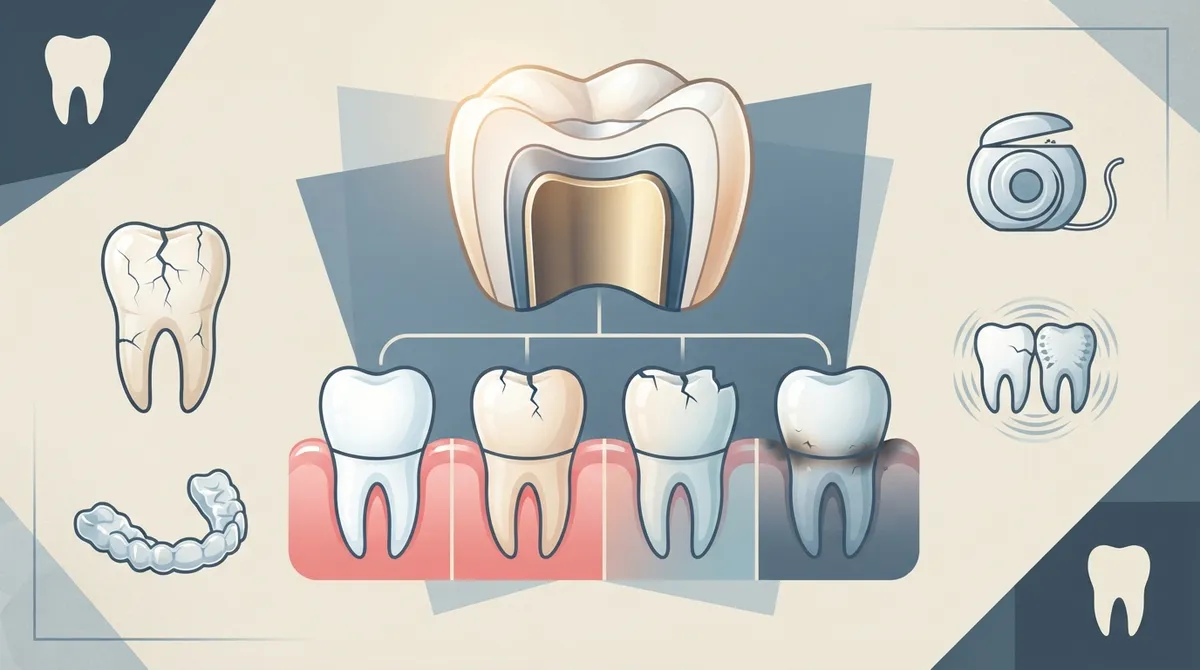
- Most dental crowns last 10-15 years, but lifespan varies based on material, tooth location, bite force, and daily care habits rather than a fixed timeline.
- Crown material significantly affects durability: metal alloys last 15-20+ years, metal-ceramic and zirconia last 10-15+ years, while porcelain lasts 8-12 years.
- Daily habits like grinding teeth, chewing ice, skipping flossing, and smoking directly damage crowns; brushing, flossing, and wearing a nightguard extend lifespan.
- Back molars need stronger crown materials due to heavy chewing forces, while front teeth benefit from cosmetic materials; location determines optimal material choice.
- Watch for warning signs including sharp pain, looseness, visible cracks, bite changes, food trapping, and gum bleeding; early detection prevents expensive replacements.
- Regular six-month dental checkups catch hidden decay and crown issues before they worsen; replacement timing depends on crown condition, not age alone.
Wondering how long your dental crown will last? You're not alone. It's one of the most common questions we hear at Charming Smiles of Ocoee... but before we get ahead of ourselves, let's talk facts. Whether you already have a crown or you're considering one, knowing what affects its lifespan helps you protect your smile for years to come.
A dental crown is a strong cap that covers a damaged or weak tooth. It restores your bite, protects the tooth underneath, and can even improve how your smile looks. But crowns aren't forever. They wear down over time, just like anything else in your mouth. The good news? With the right care, your crown can serve you well for over a decade, sometimes longer.
In this guide, we'll break down nine key facts about dental crown lifespan. We'll cover how long crowns really last, what causes them to fail early, and simple things you can do to help yours go the distance. If you live in Ocoee and want expert guidance on crowns & bridges, our friendly team is here to help every step of the way.
1. Most Dental Crowns Last 10 to 15 Years
Here's the simple truth: most dental crowns last between 10 and 15 years. Some patients enjoy their crowns for even longer, especially when they take good care of their teeth and gums. Others may need a replacement sooner if their bite is rough on the crown or if decay sneaks in around the edges.
Think of your crown's lifespan like a range, not a fixed number. It depends on many things working together: the material used, where the tooth sits in your mouth, your daily habits, and how often you visit your dentist. A crown on a back molar that handles heavy chewing may wear differently than one on a front tooth used mostly for biting soft foods.
The bottom line? Ten to fifteen years is a solid average. But your crown could last much longer with proper care, regular general dentistry checkups, and smart habits at home.
2. Crown Survival Doesn't Always Mean Problem-Free
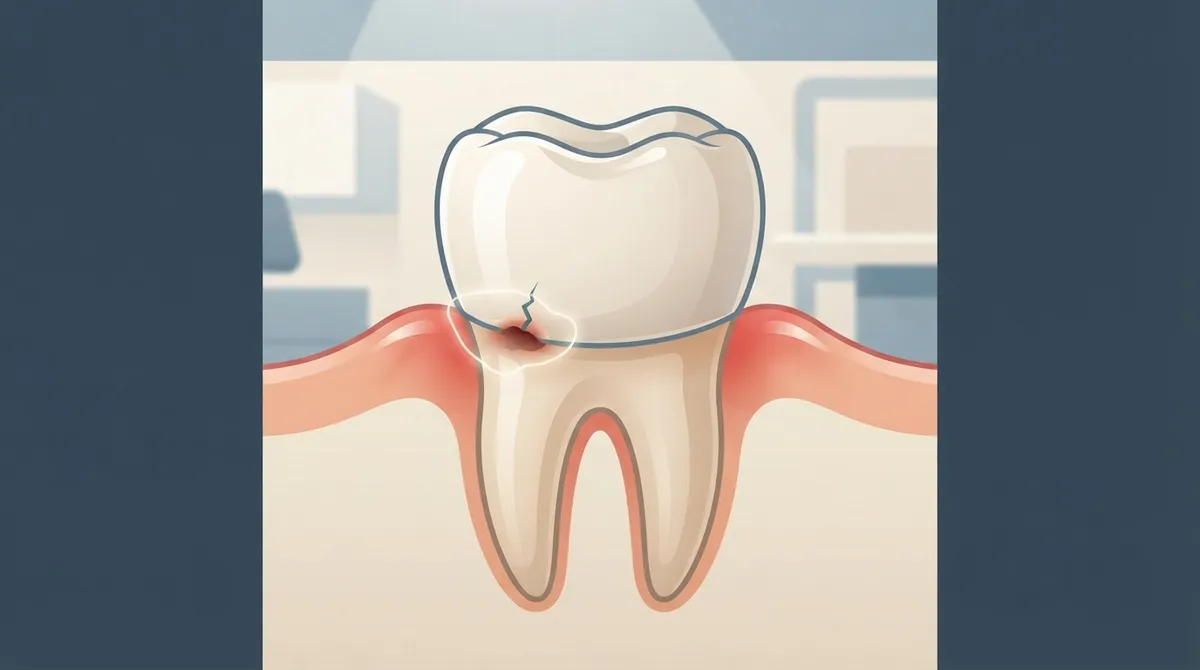
This fact surprises a lot of people. A crown can technically "survive" for many years, but that doesn't mean it's been trouble-free the whole time. Survival simply means the crown is still in place and doing its job. It doesn't rule out small issues along the way.
For example, a crown might need polishing, a minor repair, or even recementing at some point during its lifespan. These small fixes don't mean the crown has failed. They're just part of normal maintenance, kind of like getting your car's oil changed even though the engine still runs fine.
Research backs this up. According to a widely cited systematic review published in the National Library of Medicine, metal-ceramic crowns showed a 95.6% five-year survival rate, while all-ceramic crowns showed 93.3% survival over the same period. These numbers sound great, but they measure survival, not a flawless experience. That's why keeping up with routine visits matters so much, even when your crown feels perfectly fine.
3. Crown Material Plays a Big Role in Longevity
Not all crowns are created equal. The material your dentist chooses affects how long it will last and how it performs under pressure. Let's break down the most common options.
| Crown Material | Typical Lifespan | Best For |
|---|---|---|
| Metal-Ceramic (PFM) | 10-15+ years | Long-term durability, proven track record |
| Zirconia (All-Ceramic) | 10-15+ years | Strength plus a natural look |
| Porcelain/Glass-Ceramic | 8-12 years | Front teeth, cosmetic appearance |
| Gold or Metal Alloy | 15-20+ years | Back teeth, heavy chewing forces |
A 2024 comparative study following 515 single crowns found overall survival of 91.5% during the study period. Metal-ceramic crowns showed 90.1% survival, while zirconia crowns showed 93.3% survival. Mean observed survival time was about 6.26 years for metal-ceramic crowns and 6.54 years for zirconia crowns, though many crowns continue performing well beyond these averages.
Another 2024 review focused on glass-ceramic crowns found a 96% survival rate across an average follow-up of 4.6 years, based on over 4,000 restorations. These numbers show that modern ceramic crowns hold up impressively well when properly designed and placed.
4. Your Daily Habits Can Make or Break Your Crown
Believe it or not, your everyday choices have a huge impact on how long your crown lasts. Some habits protect your crown, while others quietly wear it down over time.
- Grinding or clenching your teeth puts extra stress on crowns, especially at night
- Chewing ice, hard candy, or pens can crack or chip even strong crown materials
- Skipping regular brushing and flossing allows decay to form at the crown's edge
- Smoking increases gum disease risk, which can weaken the support around your crown
- High sugar intake feeds the bacteria that cause decay near crown margins
- Dry mouth reduces natural protection against cavities and gum irritation
The tooth under your crown is still a real, living tooth. It can still get cavities, especially where the crown meets your gum line. That's why daily brushing, careful flossing, and fluoride use remain just as important as they were before you got your crown.
5. Where the Crown Sits in Your Mouth Matters
Not every tooth faces the same daily workload. Back teeth handle heavy chewing forces, while front teeth deal more with biting and speaking. This difference affects how crowns wear over time.
Molars and premolars often need stronger materials because they absorb more pressure every time you eat. Front teeth, on the other hand, may benefit more from cosmetic materials that blend naturally with your smile since they show more when you talk or smile.
Your dentist considers this when recommending a crown material. That's part of why a personalized evaluation matters so much, rather than choosing a one-size-fits-all approach. At Charming Smiles of Ocoee, Dr. Lopez takes time to match the right crown to each tooth's specific job in your mouth.
6. Root Canal Teeth Often Need Extra Support
If you've had a root canal, your dentist may have suggested a crown, and there's a good reason for that. Teeth that have had root canals tend to become more brittle over time. Without the crown's protective cover, these teeth face a higher risk of cracking.
Research supports this connection. A systematic review of restorations found an estimated 5-year survival of 98.3% for metal-ceramic and all-ceramic crowns placed on healthy, vital teeth. For teeth that had root canals and were restored with all-ceramic crowns and fiber posts, the estimated 5-year survival was slightly lower at 95.0%, still a strong outcome overall.
This is why many dentists recommend a crown after root canal treatment. It's not just about looks. It's about giving that weakened tooth a fighting chance to last for many more years.
7. Watch for These Warning Signs of Crown Trouble
Your crown won't just fail without warning. Your mouth usually gives you clues first. Knowing what to watch for helps you catch problems early, before they turn into bigger, more expensive issues.
- Sharp pain or new sensitivity when eating hot or cold foods
- A feeling of looseness when you bite down or touch the crown with your tongue
- Visible cracks or chips anywhere on the crown's surface
- A change in your bite, like teeth not meeting the way they used to
- Food getting stuck in a new spot near the crown
- Bleeding or swelling in the gums around the crown
- Bad breath or an odd taste that won't go away, even after brushing
- A visible gap where the crown meets your natural tooth
If you notice any of these signs, don't wait it out. Schedule a visit as soon as possible. Catching a problem early often means a simple fix instead of a full replacement. If you're dealing with sudden pain or a loose crown, our team offers emergency dentistry so you can get relief fast.
8. Regular Dental Visits Are Your Crown's Best Friend
Think of your six-month dental checkup as a tune-up for your crown. Even if nothing feels wrong, your dentist can spot early signs of trouble that you might miss at home. This includes checking the crown's fit, looking for tiny cracks, and examining the gum tissue around it.
During these visits, your dentist may also take X-rays to check what's happening beneath the surface. Decay under a crown doesn't always cause pain right away, so imaging helps catch issues before they grow into bigger problems.
We always encourage patients to stick to their regular checkup schedule, even years after getting a crown. It's one of the easiest ways to protect your investment and keep your smile healthy for the long run. Many patients love reading about real experiences too, so feel free to visit us on Google — Charming Smiles of Ocoee and see what our Ocoee neighbors have to say.
9. Replacement Depends on Your Mouth, Not a Set Date
Here's an important myth to bust: your crown doesn't have an expiration date stamped on it. Just because it's been ten or fifteen years doesn't automatically mean it needs to be replaced. Some crowns keep working great for two decades or more.
On the flip side, a crown that's only five years old might need attention sooner if there's decay, a crack, or gum issues developing underneath. That's why your dentist looks at the actual condition of the crown and tooth, rather than just counting years.
This is exactly why regular exams matter so much. A trained eye can tell the difference between a crown that's aging gracefully and one that needs a closer look. If you're not sure how your current crown is holding up, booking a checkup is the easiest way to find out.
How Charming Smiles of Ocoee Supports Your Crown's Longevity
At Charming Smiles of Ocoee, we believe getting a crown shouldn't feel stressful or confusing. Dr. Aliuska Lopez and our caring team walk you through every step, from material choices to aftercare tips that fit your lifestyle. We also offer a relaxing, spa-like setting designed to ease any dental anxiety you might feel.
We proudly serve families throughout Ocoee, and many patients choose us because we take time to explain what's really going on with their smile. Whether you need a brand-new crown, a repair, or just peace of mind with a checkup, we're here to help. Curious what other patients think? Check out our Charming Smiles Facebook page or follow along on our Charming Smiles Instagram page for smile transformations and helpful tips.
We also make it simple to fit dental care into your budget. Ask us about our dental savings plan, flexible payment plans, and current specials, including our Adult Complete Checkup special. We also accept many major insurance plans and offer insurance & financing options to make quality care accessible for every family.
Ready to Protect Your Smile for the Long Haul?
Your dental crown is an investment in your comfort, confidence, and oral health. With the right care and regular checkups, it can serve you well for many years, sometimes decades. If you're due for a checkup, have questions about a crown that feels off, or want to explore our services, we'd love to help.
Give us a call to call us at (407) 378-3704 or stop by our location in Ocoee. You can also book online at a time that works best for your schedule. At Charming Smiles of Ocoee, we're committed to helping your smile stay strong, healthy, and beautiful for years to come.
FAQs
Q: How long does a dental crown usually last?
A: Most dental crowns last between 10 and 15 years, though many go much longer with good care. It really depends on the material, your bite, and how well you keep up with brushing and checkups. Some of our Ocoee patients have crowns going strong after 20 years!
Q: Do zirconia crowns last longer than porcelain-fused-to-metal crowns?
A: Both materials perform really well, often lasting a decade or more. Studies show zirconia crowns had slightly higher survival rates in some research, but metal-ceramic crowns have decades of proven success too. Your dentist can help you pick the best fit for your specific tooth and bite.
Q: Can a dental crown be repaired, or does it need to be replaced?
A: Many crown issues, like small chips or a loose fit, can be repaired without needing a full replacement. It really depends on the extent of the damage and the health of the tooth underneath. Bringing it in early gives your dentist the best chance to save your existing crown.
Q: How can I make my dental crown last longer?
A: Brush and floss daily, avoid chewing on hard objects like ice, and wear a nightguard if you grind your teeth. Regular dental checkups also let your dentist catch small issues before they become bigger problems. These simple habits go a long way in protecting your investment!
Q: What are the signs that a dental crown is failing?
A: Watch for new sensitivity, a loose or wiggly feeling, visible cracks, or a change in how your teeth bite together. Bad breath or gum bleeding near the crown are also signs worth checking out. If you notice any of these, it's best to schedule a visit sooner rather than later.