9 Emax Veneers Temporary vs Permanent Mistakes to Avoid
Learn the key differences between temporary and permanent emax veneers, plus 9 mistakes to avoid for a smooth, successful smile transformation.
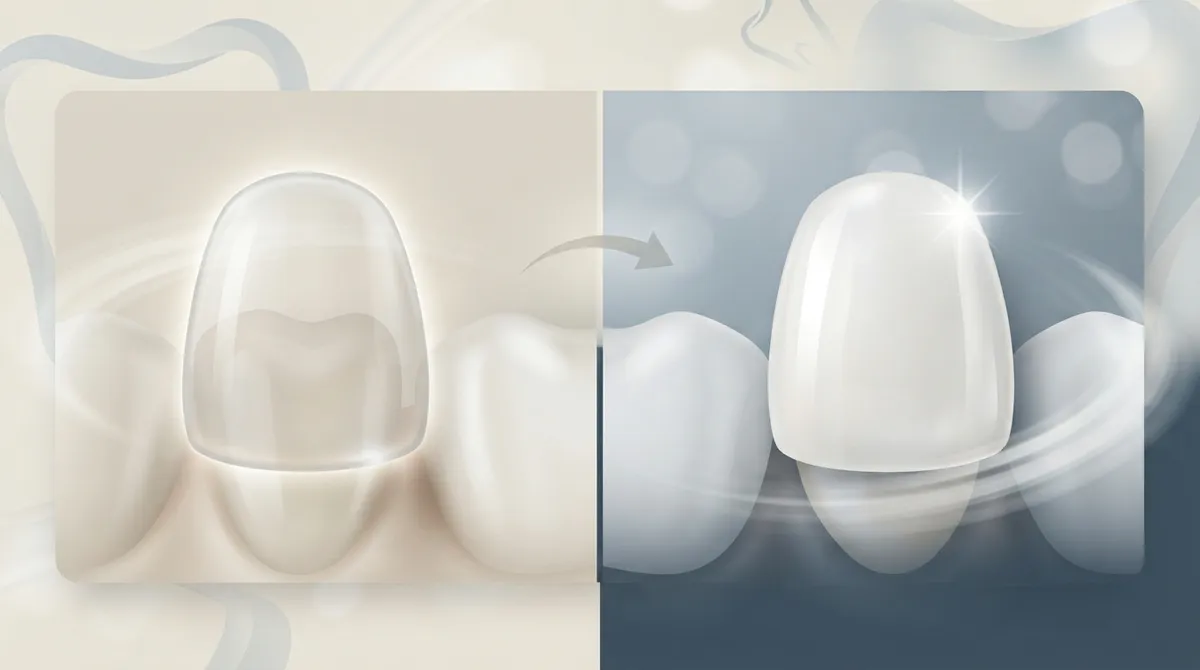
Key Takeaways
- Temporary veneers are critical placeholders made from composite resin or acrylic that protect teeth and allow you to preview your smile before permanent bonding; speak up immediately about shade, shape, or length changes during this phase as it's the cheapest time to make adjustments.
- Permanent emax veneers made from lithium disilicate ceramic have 96-99% survival rates over 10+ years, but veneers prepared entirely within enamel have 99% survival while those touching dentin have significantly higher failure risk, making careful case selection essential.
- Avoid eating hard or sticky foods with temporary veneers, skip oral hygiene, or ignore loose temporaries as these mistakes can cause sensitivity, tooth shifting, and complications that delay your final results.
- Patients with bruxism or teeth grinding must wear a custom night guard and receive extra planning before treatment, as heavy grinding can crack or chip even strong permanent emax veneers over time.
- Understand that emax veneer preparation may permanently remove tooth enamel and is often irreversible; always ask your dentist exactly how much enamel reduction is planned before committing to treatment.
- Permanent emax veneers require ongoing maintenance including twice-daily brushing with soft bristles, daily flossing, avoiding hard foods, regular dental checkups, and a night guard if needed to maximize their longevity.
If you're considering emax veneers, you've probably heard about the two-step process: temporary veneers first, then the permanent ones. It sounds simple enough, but so many patients in Ocoee make small mistakes during this stage that end up affecting their final smile. The good news? Every single one of these mistakes is easy to avoid once you know what to look for.
At Charming Smiles of Ocoee, we walk patients through every step of the emax veneers journey, from the very first fitting to the final bonding. This guide breaks down exactly what temporary veneers do, how they differ from permanent emax veneers, and the common slip-ups that can cost you time, money, or your dream smile.
What Are Temporary Veneers, Really?
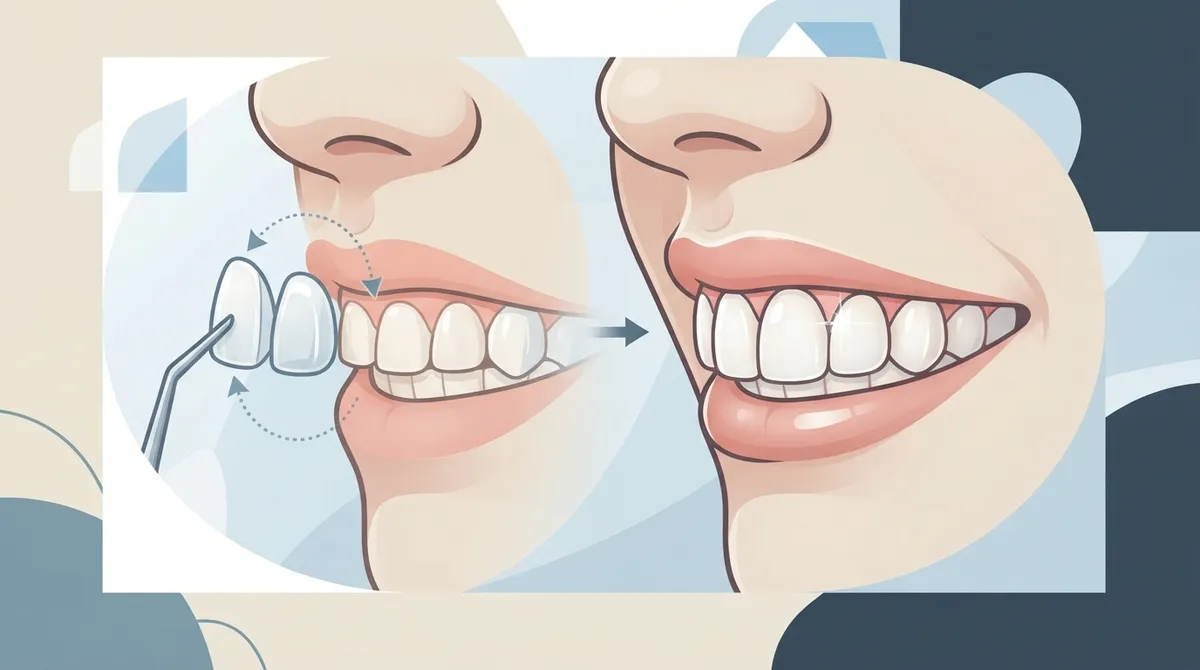
Temporary veneers are placeholders. They sit on your teeth between the day your dentist preps your teeth and the day your final emax veneers get bonded. They're usually made from composite resin or acrylic, not the strong lithium disilicate ceramic used in permanent emax veneers.
Think of temporary veneers like a rough draft. They protect your teeth, help you get used to the new shape, and give you a sneak peek at your future smile. But they're not built to last forever, and they're not meant to.
Why Temporary Veneers Matter More Than You Think
Many patients assume temporary veneers are just a formality. That's mistake number one. These provisional pieces actually do serious work:
- They protect freshly prepared teeth from sensitivity and bacteria
- They keep your teeth from shifting out of position
- They let you test your bite, speech, and smile shape
- They give you and your dentist a chance to fine-tune the design
- They preview your new smile before it becomes permanent
Skipping careful attention during this phase is one of the biggest mistakes patients make. This is your window to speak up about shade, shape, or length before the lab finalizes your permanent restoration.
What Makes Permanent Emax Veneers Different
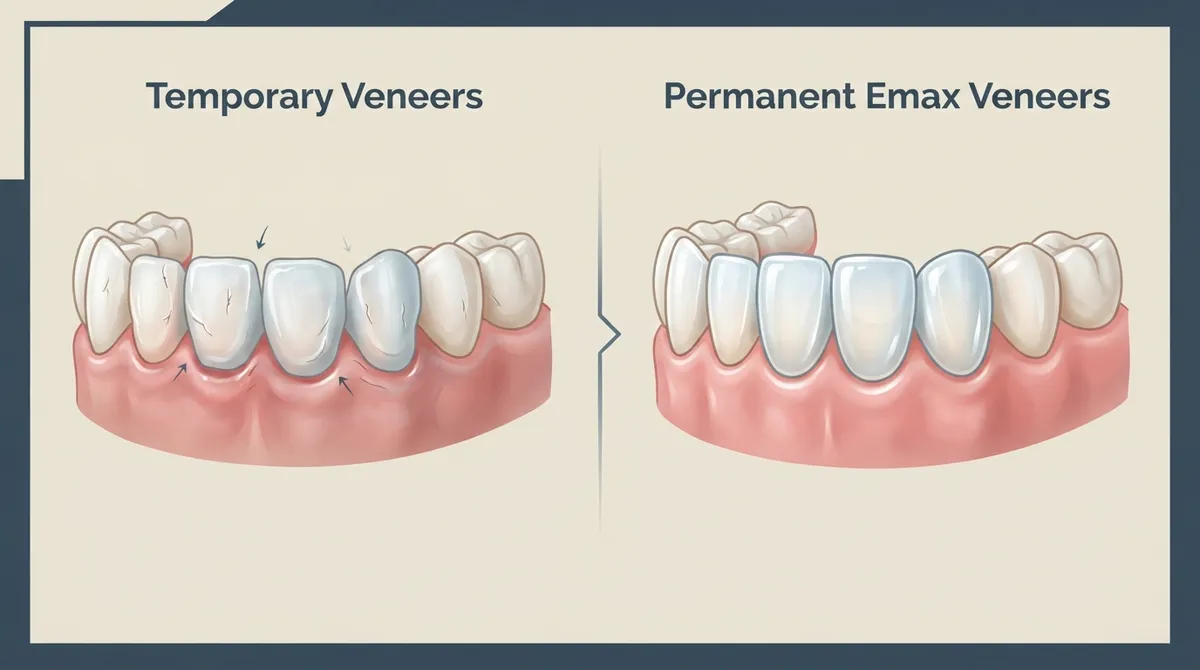
Permanent emax veneers are made from lithium disilicate glass-ceramic, most often through the IPS e.max Press or IPS e.max CAD systems from Ivoclar. These are lab-crafted or digitally designed, then bonded to your teeth with resin cement.
Unlike temporary veneers, permanent emax veneers are built for the long haul. They offer better translucency, stronger stain resistance, and a more natural look overall. Research backs this up. A 2016 study published on PubMed found a 5-year survival rate of 97.2% for IPS e.max Press veneers, with an overall failure rate of just 2.5% across all restoration types studied.
A separate study in the European Journal of Dentistry tracked 79 lithium disilicate veneers and found a 98.7% survival rate after about 3 years, with only one detachment reported. Even longer-term data looks promising. A 2025 meta-analysis found lithium disilicate veneers had roughly 96.81% survival at a mean follow-up of 10.4 years.
The Enamel Factor Nobody Talks About
Here's a mistake that catches people off guard: assuming veneers are always reversible. They're often not. A study of 580 veneers found that preparations staying entirely within enamel had about 99% survival, while veneers touching dentin had a much higher failure risk.
This is exactly why case selection matters so much. At Charming Smiles of Ocoee, Dr. Lopez carefully evaluates enamel thickness, bite alignment, and gum health before recommending veneers of any kind.
9 Mistakes to Avoid With Emax Veneers Temporary vs Permanent
- Ignoring changes needed during the temporary stage. If your temporary veneers feel too long, too short, or the wrong shade, tell your dentist right away. This is the easiest and cheapest time to make changes.
- Eating hard or sticky foods with temporary veneers. Temporary veneers are not as strong as permanent ones. Chewing ice, hard candy, or sticky caramel can crack or pop them off.
- Skipping oral hygiene during the temporary phase. Just because they're temporary doesn't mean you can slack on brushing and flossing. Bacteria buildup can cause problems for your prepped teeth.
- Assuming all veneers are made from the same material. Temporary veneers use composite resin or acrylic. Permanent emax veneers use lithium disilicate ceramic. They are not interchangeable in strength or looks.
- Waiting too long to report a loose or broken temporary. If a temporary veneer falls off, call your dentist immediately. Leaving prepped teeth exposed can cause sensitivity and other issues.
- Choosing a dentist without cosmetic veneer experience. Emax veneers require precise preparation and bonding. An experienced smile expert makes all the difference in long-term results.
- Ignoring bite and grinding habits before treatment. Patients with bruxism need a night guard or extra planning. Heavy grinding can chip or crack even strong emax veneers over time.
- Expecting permanent veneers to need zero maintenance. Even the strongest ceramic still needs regular checkups, good hygiene, and care to last for years.
- Not asking about the reversibility of the procedure. Tooth preparation may remove enamel permanently. Always ask your dentist how much enamel reduction is planned before you commit.
Temporary vs Permanent Emax Veneers: A Side-by-Side Look
| Feature | Temporary Veneers | Permanent Emax Veneers |
|---|---|---|
| Material | Composite resin or acrylic | Lithium disilicate ceramic (IPS e.max) |
| Purpose | Protect teeth, preview smile | Long-term cosmetic and functional restoration |
| Durability | Weeks to a couple months | Many years with proper care |
| Stain Resistance | Low, prone to discoloration | High, resists staining well |
| Fit and Precision | Approximate, chairside made | Custom lab or digitally crafted |
| Cost | Included in overall treatment | Main cost of veneer treatment |
How the Emax Veneers Process Works, Step by Step
Understanding each stage helps you know what to expect and avoid surprises along the way.
- Consultation and smile planning. Your dentist examines your teeth, discusses your goals, and checks whether you're a good candidate for veneers.
- Tooth preparation. A small amount of enamel is removed to make room for the veneer material.
- Temporary veneer placement. Provisional veneers protect your teeth while the permanent ones are made.
- Trial period and feedback. You test the fit, look, and feel, and share any adjustments needed.
- Lab fabrication. Your final emax veneers are crafted using digital scans or a physical mold.
- Try-in appointment. Your dentist checks the fit, shade, and shape before permanent bonding.
- Final bonding. The permanent veneers are adhesively cemented onto your teeth.
- Bite adjustment. Your dentist fine-tunes your bite so everything feels natural.
- Follow-up care instructions. You'll get tips on eating, cleaning, and protecting your new smile.
Common Questions Patients Ask During This Process
Many Ocoee patients want to know how long each stage takes and what results they can realistically expect. A 2019 clinical study on lithium disilicate veneers found strong marginal fit and soft-tissue health outcomes even in short-term follow-up, which is reassuring for anyone nervous about the process.
Signs Your Temporary Veneers Need Attention
- Rough edges that catch on your tongue or lip
- Noticeable staining after just a few days
- A loose or wiggly feeling when you bite down
- Sharp sensitivity to hot or cold foods
- Visible gaps between the temporary and your gum line
If you notice any of these, don't wait. Reach out to your dental team so small issues don't turn into bigger ones later.
Why Case Selection Is Everything
Not everyone is an ideal candidate for emax veneers, and that's okay. Some patients may benefit more from crowns and bridges or other restorative options, especially if there's significant tooth damage or decay.
A thorough exam checks for enamel availability, gum health, bite alignment, and any grinding habits. According to the American Dental Association, proper case selection and diagnosis are essential steps before any cosmetic restoration, including veneers, to ensure long-term success.
Bruxism and Emax Veneers: What You Should Know
Patients with teeth grinding habits can still get emax veneers, but extra planning is needed. A custom night guard often protects your investment and helps your veneers last much longer.
Caring for Your New Emax Veneers
Once your permanent veneers are bonded, a little TLC goes a long way. Here's what we recommend:
- Brush twice daily with a soft-bristled toothbrush
- Floss gently around the veneer edges every day
- Avoid biting directly into extremely hard foods like ice or bones
- Wear a night guard if you grind your teeth
- Visit your dentist for regular cleanings and checkups
Longevity really does depend on how well you care for your veneers, along with the skill of your dental team and the quality of the bonding process.
Why Choose Charming Smiles of Ocoee for Your Veneer Journey
Dr. Aliuska Lopez has built a reputation as a trusted smile expert in Ocoee, known for gentle, precise cosmetic dentistry. Our spa-like environment helps ease anxiety, so even nervous patients feel comfortable throughout every step, from temporary veneers to the final reveal.
We also offer a free cosmetic consultation so you can explore whether emax veneers are the right fit for your smile goals. Curious what real patients say? You can visit us on Google — Charming Smiles of Ocoee to read honest reviews from people just like you.
We also stay active on social media, so feel free to check out the Charming Smiles Facebook page or follow along on the Charming Smiles Instagram page for smile transformations and patient stories.
Financing Your Emax Veneers
Cost is often a big factor in deciding on veneers. We offer flexible insurance and financing options, along with convenient payment plans, so quality care fits your budget. Be sure to check our current specials for savings on cosmetic consultations and treatments.
You can also learn more about our full range of dental services, including teeth whitening services that pair beautifully with a new set of veneers.
Final Thoughts on Temporary vs Permanent Emax Veneers
Understanding the difference between temporary and permanent emax veneers helps you avoid unnecessary stress and get the smile you're hoping for. Temporary veneers protect and preview. Permanent emax veneers deliver the lasting strength, shine, and confidence you deserve.
Ready to start your smile transformation the right way? Call us at (407) 378-3704 to schedule your consultation, or stop by our location in Ocoee. You can also book online whenever it's convenient for you. Our team at Charming Smiles of Ocoee is here to guide you through every step, from that very first temporary veneer to your stunning permanent smile.
FAQs
Q: Are temporary veneers made from e.max?
A: Nope! Temporary veneers are usually made from composite resin or acrylic, not e.max ceramic. They're designed to be a quick, protective placeholder while your permanent emax veneers are being crafted in the lab.
Q: How long do temporary veneers last before permanent e.max veneers are fitted?
A: Typically, temporary veneers stay on for a couple of weeks while your final restoration is made. Your dental team will let you know the exact timeline based on your specific treatment plan.
Q: Can I eat normally with temporary veneers?
A: You can eat, but it's best to avoid hard, sticky, or heavily pigmented foods. Temporary veneers aren't as strong as permanent ones, so a little extra care goes a long way during this stage.
Q: Are e.max veneers stronger and more natural-looking than temporary veneers?
A: Absolutely. Permanent e.max veneers are made from lithium disilicate ceramic, which offers better strength, translucency, and stain resistance compared to temporary materials. They're built to last for years, not weeks.
Q: How long do permanent e.max veneers last?
A: With good care, many patients enjoy their e.max veneers for a decade or more. Studies show survival rates around 96 to 99 percent over several years, though results depend on your bite, habits, and maintenance.