9 Dental Implant Alternatives Worth Knowing in 2026
Discover 9 dental implant alternatives, from bridges to dentures, and find the tooth replacement option that fits your smile and budget.
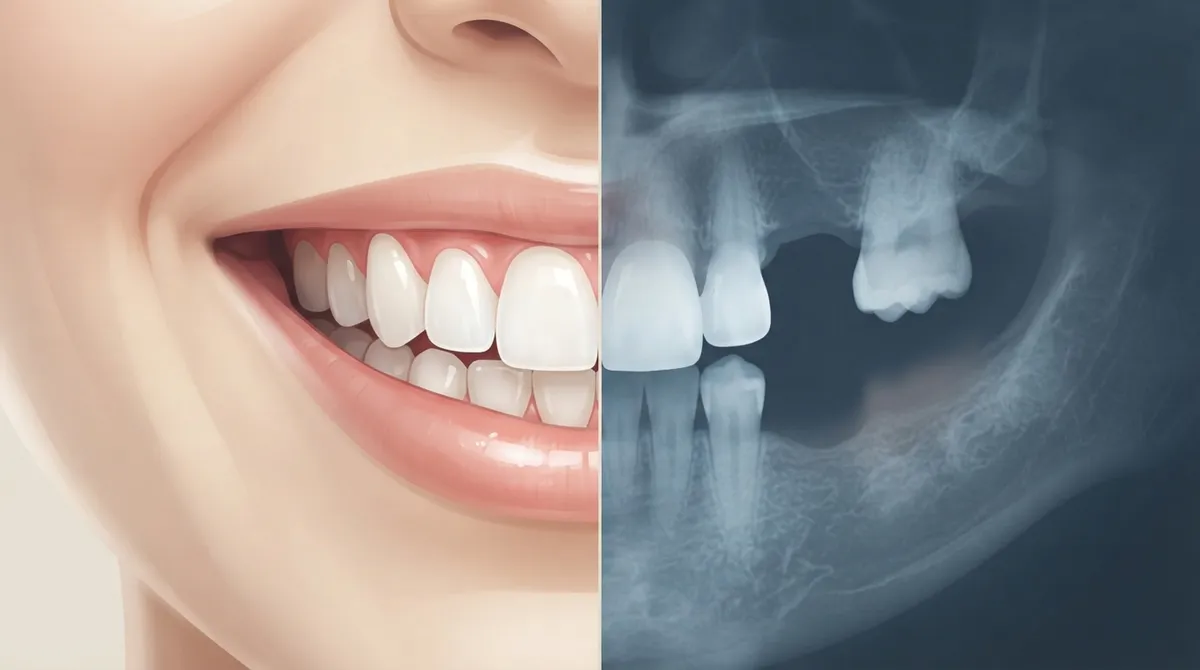
Key Takeaways
- Traditional bridges and Maryland bridges offer natural-looking solutions for missing teeth without surgery, though they require shaping adjacent healthy teeth; Maryland bridges are more conservative for front teeth.
- Mini implants require less bone density than full implants and heal faster, making them ideal for patients who want implant-like durability but lack sufficient jawbone for traditional implants.
- Removable partial dentures and flippers are the most affordable options but serve different purposes: partial dentures last 5-8 years for multiple missing teeth, while flippers work only as temporary 1-2 year solutions.
- Delaying tooth replacement causes shifting, bite problems, and bone loss over time, so exploring alternatives promptly is better than leaving gaps untreated.
Missing a tooth can feel stressful. Maybe you're not ready for surgery. Maybe your budget doesn't line up yet. Or maybe you're just curious about your options before making a big decision. Whatever your reason, you're not alone. Many patients at Charming Smiles of Ocoee ask us the same question: are there good dental implant alternatives that still give me a healthy, confident smile?
The answer is yes! There are several trusted ways to replace missing teeth without going straight to implant surgery. Some are quick fixes. Others last for many years. Each option has its own perks, costs, and things to think about. In this friendly guide, we'll walk through 9 dental implant alternatives so you can feel confident about your next step. And if you ever have questions, our team at Charming Smiles of Ocoee is always here to help you choose what's best for your smile.
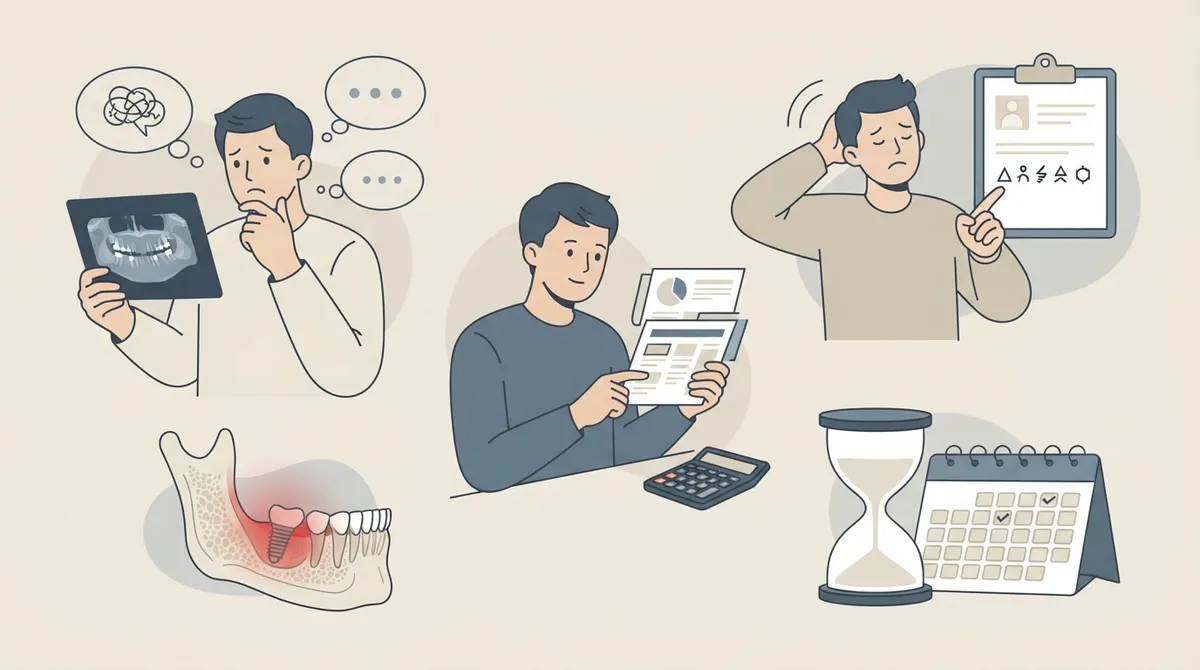
Why People Look for Dental Implant Alternatives
Dental implants are wonderful. They're strong, natural-looking, and built to last. But they're not the only path to a full, healthy smile. Some patients need dental implants right away. Others prefer to start with a gentler, faster, or more affordable option.
Here are some common reasons patients ask about alternatives:
- They want a faster solution without surgery
- They have low bone density and aren't ready for bone grafting
- They're on a tighter budget right now
- They have health conditions that make surgery risky
- They simply want to explore all their choices first
Whatever your reason, it helps to know your options. Let's look at the top 9 choices patients consider.
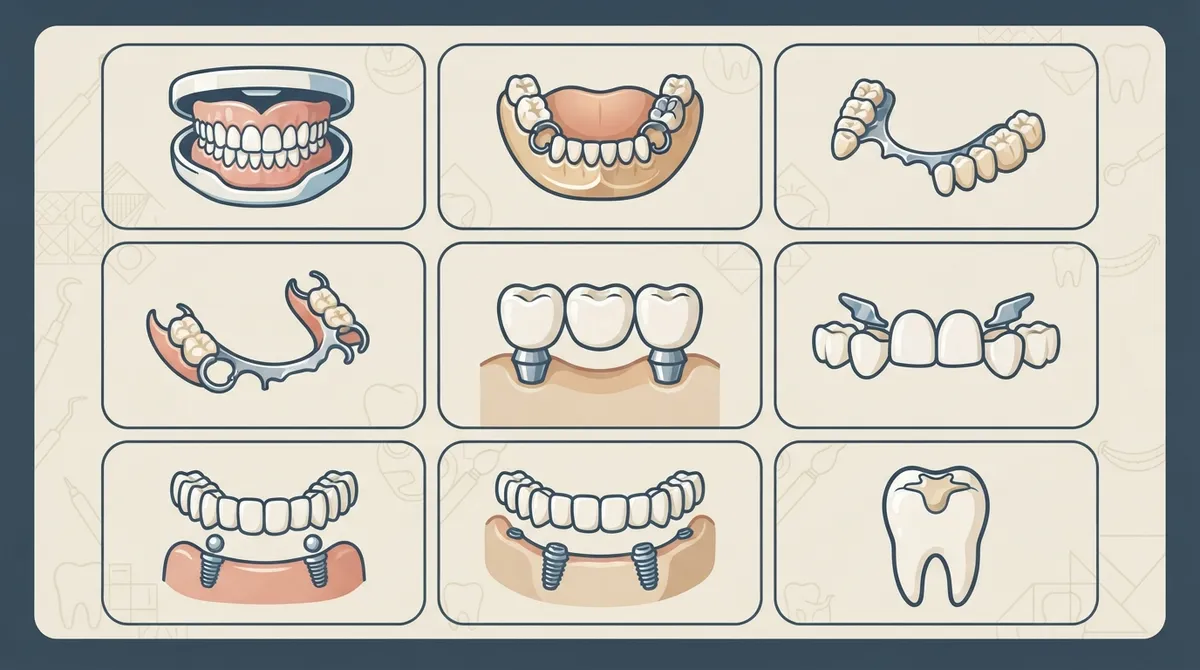
9 Dental Implant Alternatives to Consider
1. Traditional Dental Bridges
A dental bridge is one of the most popular dental implant alternatives. It's a fixed appliance that "bridges" the gap left by a missing tooth. The bridge uses crowns on the teeth next to the gap to hold a false tooth in place.
Bridges don't require surgery. They can often be finished in just two visits. They also look and feel very natural. The tradeoff? The teeth next to the gap need to be shaped down to hold the crowns. This means healthy teeth get slightly altered to support the bridge.
2. Removable Partial Dentures
Partial dentures replace one or several missing teeth. They clip onto your natural teeth and can be taken out for cleaning. This is one of the most affordable dental implant alternatives out there.
They're a great short-term or budget-friendly option. However, they can feel bulkier than a bridge or implant. Some patients also find they shift a little while eating or talking.
3. Complete Dentures
If you're missing all your teeth in one or both arches, complete dentures may be the right choice. These removable appliances replace an entire row of teeth. Modern dentures look far more natural than they did years ago, thanks to better materials and techniques.
Dentures take some getting used to. But with the right fit and regular checkups, they can serve you well for many years.
4. Mini Dental Implants
Mini implants are a smaller version of traditional implants. They use a narrower post, which means less bone is needed to support them. This makes them a helpful option for patients with lower bone density who still want an implant-like solution.
The healing time is often shorter too. Mini implants can be a nice middle ground between full-size implants and other alternatives.
5. Resin-Bonded (Maryland) Bridges
This type of bridge is gentler on your other teeth. Instead of crowning the teeth next to the gap, it uses small metal or ceramic "wings" bonded to the back of those teeth. This is often used for front teeth, where a natural look matters most.
Maryland bridges are more conservative than traditional bridges. They may not be as strong for back teeth that handle heavy chewing, though.
6. Dental Flippers
A flipper is a light, removable device that fills a gap temporarily. It's made of acrylic and can be popped in and out. Flippers are usually the cheapest option and can be made quickly.
They're best for short-term use, like while you wait for a permanent solution. They're not built for heavy chewing and can feel fragile compared to other options.
7. Root Canal with a Dental Crown
Sometimes a tooth doesn't need to be replaced at all. If the tooth structure is still healthy enough, a root canal followed by a crown can save your natural tooth. This keeps your bite and smile intact without needing any replacement tooth at all.
This option only works if enough of the natural tooth remains. Our team can check this during a simple exam.
8. Space Maintainers (For Younger Patients)
For kids who lose a tooth early, a space maintainer holds the gap open until the adult tooth comes in. This isn't a permanent solution for adults, but it's an important tool in pediatric dentistry. It helps prevent other teeth from shifting into the empty space.
9. Doing Nothing (And Why We Don't Recommend It)
Some patients consider leaving a gap as-is. We always gently discourage this. Missing teeth can lead to shifting, bite problems, and even bone loss over time. It's better to explore one of the options above than to leave things untreated.
Comparing Your Dental Implant Alternatives
Here's a simple table to help you compare these options side by side.
| Option | Surgery Needed? | Typical Lifespan | Cost Level |
|---|---|---|---|
| Dental Bridge | No | 10-15 years | Moderate |
| Partial Denture | No | 5-8 years | Low |
| Complete Denture | No | 5-10 years | Low to Moderate |
| Mini Implant | Minor | 10+ years | Moderate |
| Maryland Bridge | No | 5-10 years | Moderate |
| Flipper Denture | No | 1-2 years | Very Low |
Costs and lifespans can vary based on your specific situation. That's why a personal consultation matters so much.
How to Decide Which Option Is Right for You
Choosing between dental implant alternatives can feel like a lot. Here's a simple step-by-step way to think it through.
- Think about your timeline. Do you need a fix fast, or can you wait a bit?
- Consider your budget. Some options cost much less upfront.
- Ask about your bone health. This affects which options work best.
- Think about how many teeth are missing. One tooth is different than a full arch.
- Talk with a trusted dentist who can guide you through the choices.
At Charming Smiles of Ocoee, we walk every patient through these steps during a relaxed, no-pressure consultation. We want you to feel good about your choice, not rushed into it.
What Makes Charming Smiles of Ocoee Different
Choosing a dental practice matters just as much as choosing your treatment. Dr. Aliuska Lopez and her team are known across Ocoee for gentle, patient-first care. Our office has a spa-like feel, with soothing music, cozy blankets, and caring hands every step of the way.
We know some patients feel nervous about the dentist. That's okay! We specialize in helping general dentistry patients feel calm and cared for. Many of our patients say it's the most relaxed dental visit they've ever had. You can read more of these stories when you visit us on Google — Charming Smiles of Ocoee and see what our neighbors are saying.
We also offer flexible ways to pay, including insurance & financing options and a helpful dental savings plan for patients without insurance. Be sure to check our current specials too, since we often run free consultations for implants and cosmetic treatments.
Common Mistakes to Avoid
When exploring dental implant alternatives, a few missteps can slow you down. Here's what to watch for.
- Waiting too long to fix a missing tooth, which can cause shifting or bone loss
- Choosing the cheapest option without asking about long-term costs
- Skipping a professional exam and guessing what you need
- Not asking about financing options that could make treatment easier
- Ignoring signs of gum disease that could affect your results
A quick chat with our team can help you avoid these common pitfalls. We're happy to answer questions honestly, even if the answer is "let's wait and watch."
Taking the Next Step Toward Your Smile
Every smile is different, and so is every treatment plan. Whether you're leaning toward a bridge, dentures, or still weighing your options, the most important step is simply starting the conversation. Our friendly team has helped hundreds of Ocoee families find the right fit for their smiles, and we would love to help you too.
You can also follow our updates, patient smiles, and helpful tips on the Charming Smiles Facebook page or the Charming Smiles Instagram page for more real patient stories and smile inspiration.
Ready to explore your options? You can easily book online or reach out directly. If you'd like to speak with our friendly front desk team, feel free to call us at (407) 378-3704 today. We can't wait to help you smile with confidence again.
FAQs
Q: What is the best alternative to dental implants for missing front teeth?
A: For front teeth, many patients love a Maryland bridge or a traditional bridge because they look so natural. Both options avoid surgery, which is a big plus for many folks. Our team can help you decide which one fits your smile best during a friendly consultation.
Q: Are dental bridges better than dentures for replacing multiple missing teeth?
A: It really depends on how many teeth you're missing and where they are located. Bridges work great for a few missing teeth in a row, while dentures are better for larger gaps or full arches. We're happy to walk you through both so you feel confident in your choice.
Q: How long do dental flipper dentures last compared to permanent options?
A: Flippers are meant to be a short-term fix, usually lasting one to two years at most. They're a wonderful temporary solution while you plan for something more permanent. Just don't expect them to hold up the same way a bridge or implant would.
Q: Can mini dental implants be used if I have low bone density?
A: Yes, that's actually one of the best things about mini implants! Their smaller size means they often work well even when bone density is lower than ideal. It's still smart to get a full evaluation first so we can confirm they're right for you.
Q: Do dental implants prevent bone loss better than bridges or dentures?
A: Yes, implants are unique because they stimulate the jawbone just like a natural tooth root would. Bridges and dentures don't offer this same benefit, so bone loss can continue over time with those options. It's a good thing to keep in mind as you plan for the future of your smile.
Our Service Area
iframe src="https://maps.google.com/maps?q=Ocoee%2C%20FL&z=11&output=embed" width="100%" height="450" style="border:0;" loading="lazy" referrerpolicy="no-referrer-when-downgrade" title="Our Service Area">/iframe>