8 Veneer Mistakes That Shorten Porcelain Veneer Lifespan
Porcelain veneers often last 10 to 15 years. Learn the 8 mistakes that shorten their life and how to protect your smile in 2026.
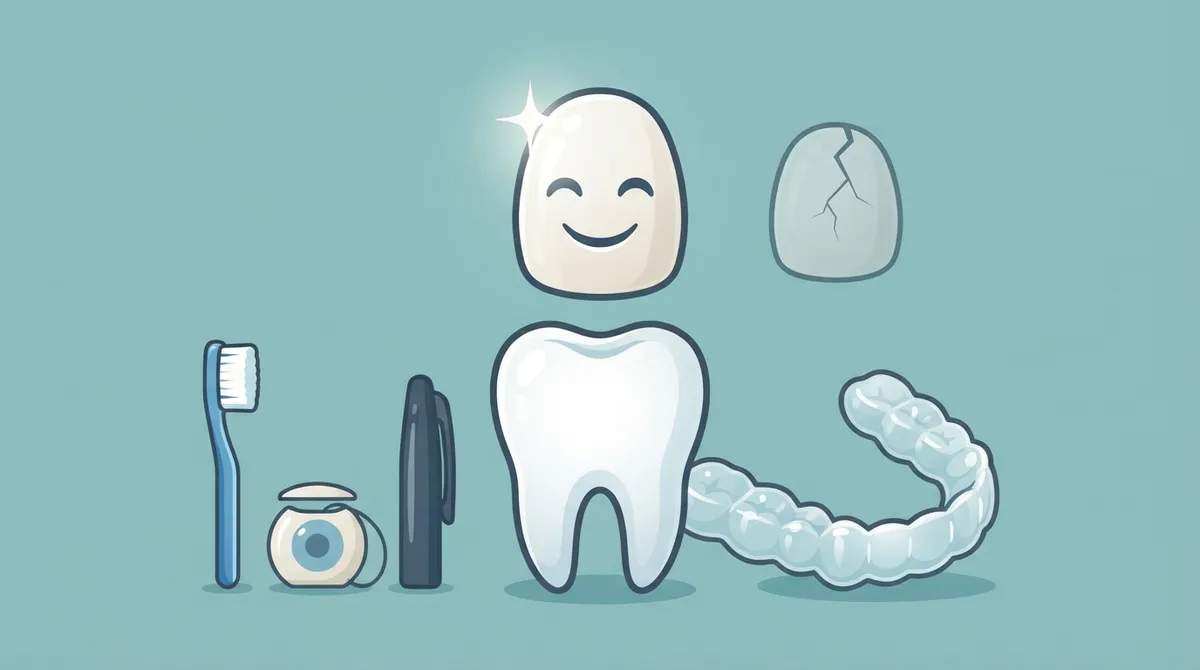
Key Takeaways
- Porcelain veneers typically last 10 to 15 years, and many last longer; a 2021 review found a 95.5% survival rate at 10 years.
- Teeth grinding and clenching are among the biggest threats to veneers; ask your dentist about a custom night guard if you wake with jaw soreness or headaches.
- Avoid using your teeth as tools, such as opening packages, biting pen caps, or chewing ice, since biting hard objects can chip veneers or break their bond.
- Veneers don't protect the natural tooth underneath, so brush twice daily, floss once daily around each veneer, and keep up with regular dental checkups to prevent decay at the margins.
- Call your dentist promptly if a veneer feels loose, looks cracked or chipped, or causes pain, since small problems are easier to repair than bigger ones.
- Replace veneers based on their actual condition, not their age; a healthy veneer can last well past 15 years, while a damaged one needs prompt attention.
You finally got the smile you dreamed about. Now comes the big question: how long do porcelain veneers last? It is a fair thing to wonder. Veneers are an investment in your confidence, and you want them to stay beautiful for as long as possible.
Here is the good news. Porcelain veneers often last around 10 to 15 years, and many go well beyond that. A 2021 review of 25 studies and 6,500 veneers found a 95.5% survival rate at 10 years. That is a strong result.
But there is a catch. Veneers do not last because of luck. Daily habits, bite forces, and regular dental care all play a big role. In this guide, we will walk through eight common mistakes that can cut your veneers short, plus simple ways to avoid each one. Whether you are a busy parent, a cosmetic enthusiast, or a senior who wants a lasting smile, these tips can help you protect your results in 2026 and beyond.
How Long Do Porcelain Veneers Last? The Short Answer
Most patients can expect their porcelain veneers to last about 10 to 15 years. Some last 20 years or more. This is a typical range, not a promise or a replacement date. Your dentist should check your veneers and replace them only when there is a clinical reason.
Research backs this up. One systematic review reported estimated survival of 94.4% at 5 years, 93.5% at 10 years, 85.74% at 15 years, and 82.93% at 20 years. Evidence beyond 20 years is limited, and results vary from study to study.
| Time Since Placement | Estimated Survival Rate |
|---|---|
| 5 years | 94.4% |
| 10 years | 93.5% |
| 15 years | 85.74% |
| 20 years | 82.93% |
Keep in mind that "survival" does not always mean flawless. A veneer might get a small chip or edge discoloration and still be repairable or usable. Studies also define failure in different ways, so the numbers are not perfectly interchangeable.
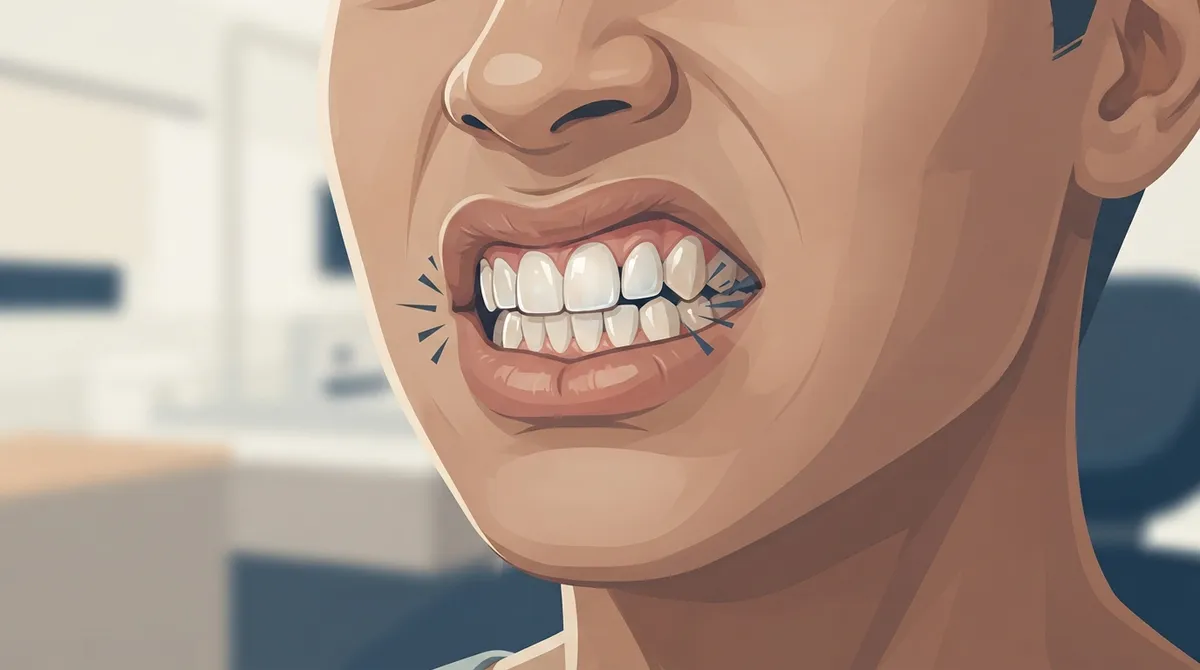
Mistake 1: Ignoring Teeth Grinding and Clenching
Grinding and clenching, called bruxism, is one of the biggest threats to porcelain veneers. Porcelain is strong, but constant heavy pressure can cause chips or cracks. Research links bruxism with a higher risk of veneer failure.
Many people grind at night and have no idea. Clues include morning jaw soreness, headaches, or worn-looking edges on your teeth.
How to Fix It
- Tell your dentist if you wake up with jaw tension or headaches.
- Ask about a custom night guard to cushion your veneers while you sleep.
- Look into stress habits that lead to daytime clenching.
A protective night guard is a small step that can save your smile. If grinding is a concern, explore our mouth guard facts for Ocoee residents to learn more.
Mistake 2: Using Your Teeth as Tools
We have all done it. You tear open a snack bag, pop a bottle cap, or bite a pen when you are busy. With natural teeth, you might get away with it. With veneers, it is risky.
Biting hard objects can chip or crack the ceramic. It can also break the bond that holds the veneer in place. In studies, fracture was the most common complication, followed by debonding.
How to Fix It
- Keep scissors handy for packages.
- Skip ice chewing and hard candy.
- Do not bite your nails or pen caps.
Think of your veneers like fine glassware. They are sturdy, but they are not made for opening cans.
Mistake 3: Skipping Brushing, Flossing, and Checkups
Here is a surprise many patients do not expect. Veneers do not protect the tooth underneath from decay. The edges, called margins, and the surrounding gums still need care.
If plaque builds up along the margin, decay can start. That can lead to bigger problems, including the need for a root canal in rare cases. Consistent home care and routine exams are the best defense.
A Simple Daily Routine
- Brush gently twice a day with a soft-bristled brush and non-abrasive toothpaste.
- Floss once a day, sliding the floss carefully around each veneer.
- Rinse with an alcohol-free mouthwash if your dentist recommends it.
- Visit your dentist for regular exams and cleanings.
Need a refresher on good habits? Our guide on building a dental hygiene routine that protects your smile can help. You can also read about dental care for veneers for more tailored tips.
Mistake 4: Choosing a Provider Based on Price Alone
How long veneers last depends heavily on how well they are planned and placed. Several factors matter:
- The amount and health of your enamel for bonding
- How the tooth is prepared
- The veneer material used
- The quality of the adhesive placement
- Your bite forces and overall oral health
A skilled cosmetic dentist pays close attention to every one of these details. Cutting corners to save money can lead to early debonding or chipping, which costs more in the long run.
That is why experience matters. At Charming Smiles of Ocoee, Dr. Aliuska Lopez is known as a "smile expert" who focuses on precision and natural-looking results. If you want help finding the right provider, see our tips on finding the perfect cosmetic dentist near you.
Worried about cost? We offer insurance and financing options and flexible payment plans to help you plan with confidence.
Mistake 5: Ignoring Early Warning Signs
Small problems are easier to fix than big ones. A tiny rough spot today can become a loose veneer next month. Many patients wait too long because the issue does not hurt yet.
Call your dentist if your veneer:
- Feels loose or shifts when you bite
- Looks cracked or chipped
- Causes pain or sensitivity
- Develops a rough or changing edge
A chipped or loose veneer can often be repaired. Waiting, though, may allow bacteria to slip underneath and cause decay. If something feels off, do not hesitate. Our emergency dentistry team is here when sudden problems pop up. You can also learn what to do from our article on handling a chipped or broken tooth.
Mistake 6: Assuming Veneers Never Need a Checkup
Some patients think that once veneers are placed, the work is done. In reality, veneers should be monitored by a dentist over time. Replacement should never happen just because a certain number of years have passed.
Regular visits let your dentist spot tiny issues early, like a slightly worn margin or early decay. They can also check your bite and see whether grinding is affecting your veneers.
Replacement makes sense when there is a real reason, such as:
- A fracture that cannot be repaired
- Failed bonding
- Decay near the veneer
- An appearance you are no longer happy with
Think of veneer checkups as routine maintenance, much like servicing a car. A little attention keeps everything running well. Learn more about what happens at a visit in our guide to dental exams and why they matter.
Mistake 7: Overlooking Stains and Harsh Products
Porcelain resists stains very well. Still, the natural teeth around your veneers can darken over time, and the edges can pick up discoloration. This can make your smile look uneven.
Harsh, abrasive whitening toothpastes can also dull the surface finish of your veneers over time. Whitening products do not change the color of porcelain, so they will not brighten the veneers themselves.
How to Fix It
- Limit coffee, tea, red wine, and tobacco.
- Rinse with water after staining foods and drinks.
- Choose non-abrasive toothpaste.
- Talk with your dentist about whitening your natural teeth before getting veneers, so the shades match.
If you want a brighter smile overall, our teeth whitening services can help you plan the right order of treatment.
Mistake 8: Not Replacing Veneers for the Wrong Reasons
This last mistake works both ways. Some patients replace veneers too soon because they think they are "due." Others wait too long after a real problem shows up.
The best approach is simple. Let your dentist guide you based on the actual condition of your veneers. A veneer in good shape can keep going well past 15 years. A damaged one deserves attention right away.
Compare the two situations below.
| Situation | What to Do |
|---|---|
| Veneer is intact and healthy | Keep up with routine checkups and home care |
| Small chip or rough edge | Book a visit for a possible repair |
| Loose or debonded veneer | Call your dentist promptly |
| Decay, pain, or a deep crack | Seek care right away; replacement may be needed |
Your dentist will explain which path fits your smile. If you want to see the full picture of what veneers involve, visit our page on porcelain veneers or read our guide on porcelain veneers in Ocoee.
Why Porcelain Veneers Are Worth Protecting
When cared for well, porcelain veneers can change how you feel about your smile for many years. They can fix chips, gaps, stains, and uneven teeth in a natural-looking way. For many people, that boost in confidence is priceless.
If you feel nervous about dental visits, you are not alone. At Charming Smiles of Ocoee, we offer a calm, spa-like setting with soothing music, comfort items, and gentle care to help anxious patients relax. Our friendly team takes the time to explain every step.
You can even read what real patients say about us. Visit us on Google — Charming Smiles of Ocoee to see reviews from our Ocoee neighbors. We would love to welcome you, too.
Want to explore even more ways to keep your smile bright? Our overview of cosmetic dentistry shows all the options available, and you can browse current specials, including a free cosmetic consultation.
Ready to Protect Your Smile?
So, how long do porcelain veneers last? Most last 10 to 15 years, and many last longer with the right care. The eight mistakes above are the most common ways people shorten that timeline, and every one of them is easy to avoid.
Brush and flossing daily, protect your teeth from grinding, skip the "teeth as tools" habit, and keep up with regular checkups. Choose a skilled dentist, and speak up quickly when something feels different. Do those things, and your veneers have the best chance of staying beautiful for years.
Ready to talk about veneers or have your current ones checked? Call us at (407) 378-3704 or find our location in Ocoee. You can also book online in just a few minutes, and follow us on the Charming Smiles Instagram page for smile inspiration. We can't wait to help you smile with confidence.
FAQs
Q: How long do porcelain veneers usually last?
A: Most porcelain veneers last about 10 to 15 years, and many last even longer. A 2021 review found a 95.5% survival rate at 10 years. Your own results depend on your bite, habits, and how well you care for your teeth.
Q: Can porcelain veneers last 20 years or longer?
A: Yes, some veneers do. One review estimated about 83% survival at 20 years, though evidence beyond that is limited. With good care and regular checkups, long-lasting veneers are definitely possible.
Q: Does teeth grinding shorten the life of veneers?
A: It can. Grinding and clenching put extra pressure on the porcelain and are linked to a higher risk of chips and failure. A custom night guard from your dentist is a simple way to protect your smile.
Q: Can a chipped or loose veneer be repaired?
A: Often, yes. Small chips can sometimes be repaired, and a loose veneer may be re-bonded if the tooth and veneer are healthy. Call your dentist right away so a small issue does not become a bigger one.
Q: What are the signs a veneer needs to be replaced?
A: Look for a fracture, failed bonding, decay near the edge, pain, or an appearance you are no longer happy with. Replacement is based on the condition of your veneer, not just its age. Your dentist can help you decide what is best.