8 Truths About Whether Dental Implants Are Permanent
Wondering if cosmetic dental implants are truly permanent? Discover 8 honest truths about implant longevity, care, and lasting results.
Key Takeaways
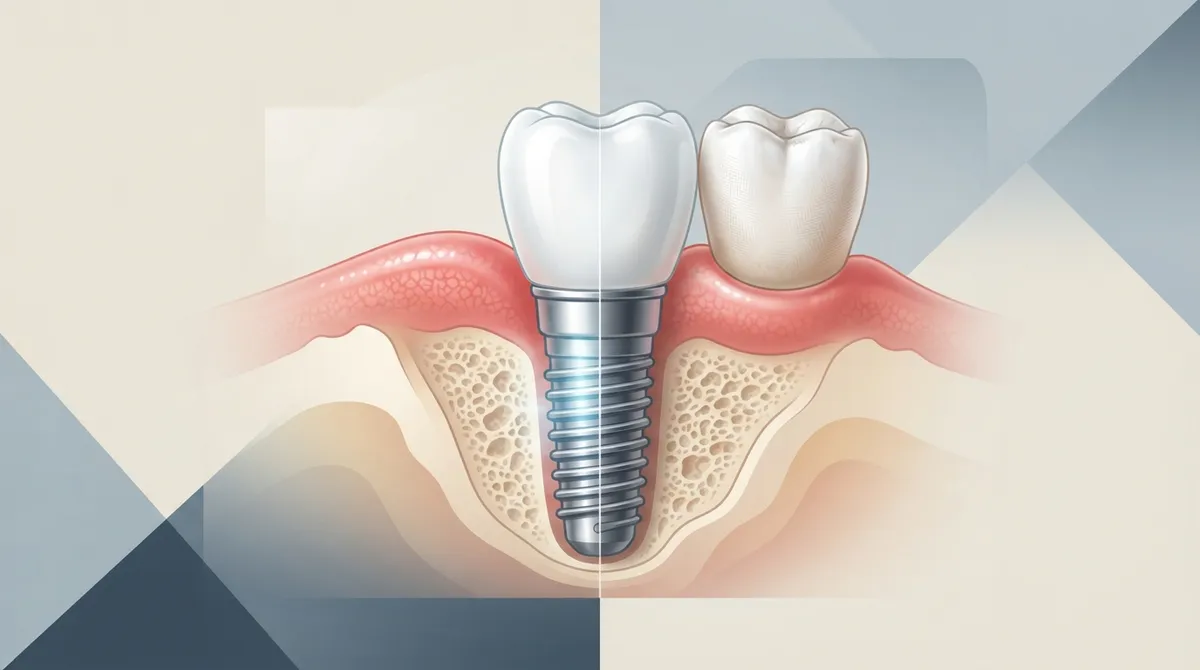
- Dental implant posts can last decades or longer once fused with jawbone (90% still working after 10 years), but crowns wear faster and may need replacement every 5-10 years depending on material, bite force, and hygiene habits.
- Your oral health history significantly affects implant success: patients with healthy mouths see 80-95% success over 15 years, while those with gum disease history drop to 80-85% over just 7 years, making pre-existing conditions critical to address.
- Daily brushing, flossing, and checkups every 3-6 months are essential; smoking, teeth grinding, poor hygiene, and uncontrolled diabetes substantially increase failure risk, but these factors can be managed with proper preventive care.
- Implant failure occurs through early failure (improper bonding) or late failure (peri-implant gum disease causing bone loss), both preventable through regular dental monitoring that catches problems before they become serious.
If you're thinking about cosmetic dental implants, you've probably asked yourself one big question: will they really last forever? It's a fair thing to wonder. After all, you want to make a smart choice for your smile and your wallet. Here at Charming Smiles of Ocoee, we hear this question almost every day from patients across Ocoee, Florida who are exploring dental implants as a way to replace missing teeth.
The short answer is: implants are built to last a very long time, but "permanent" doesn't mean "forever, no matter what." There's more to the story, and knowing the details helps you make a confident decision. In this article, we'll walk through eight important truths about implant longevity, based on real research and what we see in our own practice. By the end, you'll know exactly what to expect and how to protect your investment for years to come.
1. Cosmetic Dental Implants Have Two Parts With Different Lifespans
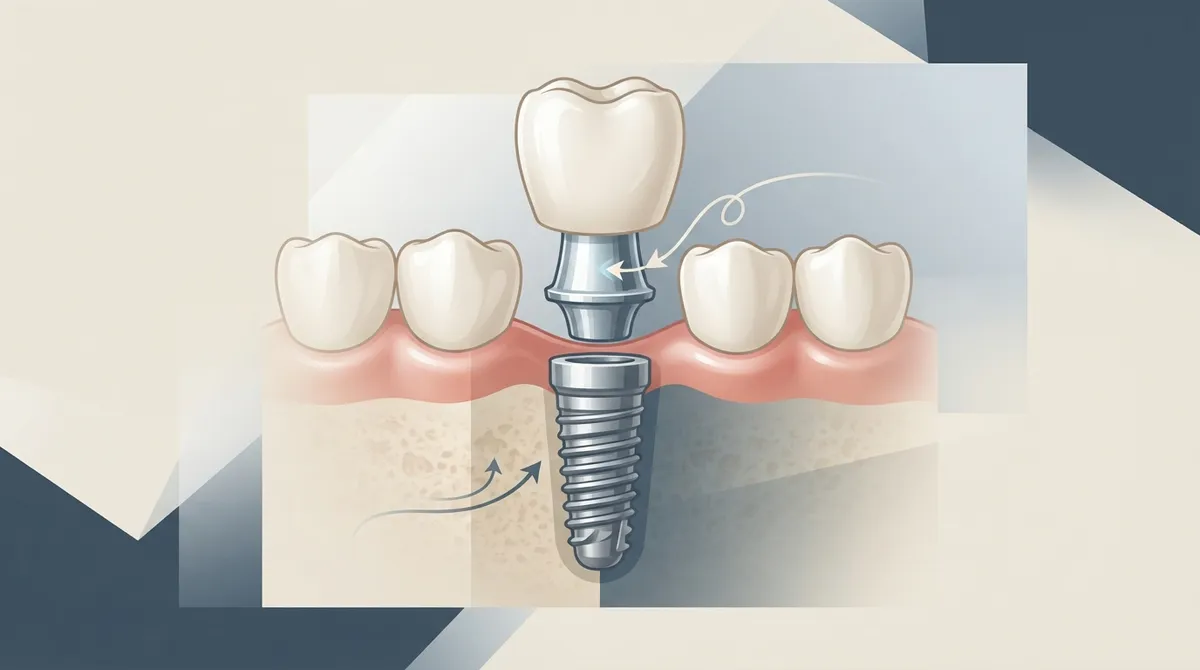
Many people think of a dental implant as one single thing. Actually, it has two main parts. The first part is a small titanium post that goes into your jawbone. The second part is the crown, which is the visible tooth-shaped piece on top.
These two parts don't age the same way. The post often lasts for decades once it fuses with your jawbone. The crown, however, sits on the surface and deals with daily wear from chewing, grinding, and biting. Because of this, your crown may need attention sooner than the post underneath it.
2. The Implant Post Can Last for Decades
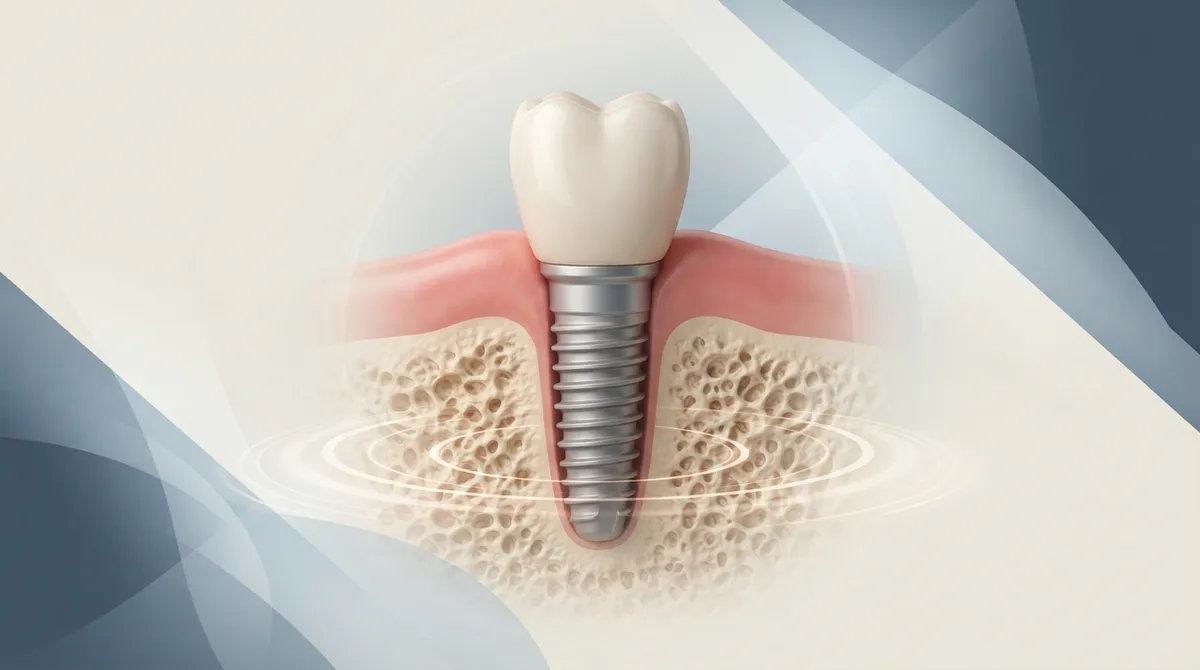
Once the titanium post bonds with your jawbone, it becomes incredibly stable. This process is called osseointegration. It's one reason implants feel so much like natural teeth.
According to Leeds Teaching Hospitals NHS Trust, about 90% of implants placed 10 years earlier are still present and working well. That's a strong track record. Still, no dentist can promise a guaranteed lifespan for every single patient, because everyone's mouth and habits are different.
3. Crowns Wear Down Faster Than the Post Below
The crown on top of your implant does all the heavy lifting when you eat. Over time, it can chip, loosen, or wear thin. How long a crown lasts depends on a few things:
- The material used, such as metal-ceramic or zirconia
- How hard you bite or grind your teeth
- Your daily brushing and flossing habits
- How often you visit your dentist for checkups
A 2018 review of dental studies found that metal-ceramic crowns had a five-year survival rate of 98.3%, while zirconia crowns had a slightly lower rate of 97.6%. Both numbers are strong, but they show that even a well-placed crown can eventually need repair or replacement.
4. Implant Survival Doesn't Always Mean Problem-Free
Here's something many people don't realize. An implant can technically still be in your mouth and still count as a "success," even if it's dealing with some issues. This might include mild gum inflammation or slight bone changes around the implant.
Research from Cambridge University Hospitals shows implant success rates ranging from 80% to 95% over 15 years in patients with healthy mouths. For patients with a history of gum disease, that number drops to 80-85% over just seven years. This tells us that your overall oral health plays a huge role in how well your implant holds up.
5. What Can Cause an Implant to Fail
Failure can happen in two main ways. Early failure happens when the implant doesn't properly bond with your jawbone after placement. This is less common but can occur.
Late failure usually comes from something called peri-implant disease. This is basically gum disease that affects the tissue and bone around your implant. It can cause swelling, bleeding, and eventually bone loss if it isn't caught early. The good news is that regular checkups make it easy to catch these problems before they get serious.
6. Certain Habits Increase Your Risk
Not everyone faces the same risk level. Some factors make implant problems more likely down the road. Understanding these can help you protect your smile:
- Smoking, which slows healing and increases infection risk
- A history of gum disease before getting implants
- Poor daily brushing and flossing habits
- Skipping regular dental cleanings and checkups
- Grinding or clenching your teeth at night
- Uncontrolled health conditions like diabetes
If any of these apply to you, don't worry. Our team can talk through your specific situation during a consultation and create a plan that fits your needs. Many patients with these risk factors still enjoy successful, long-lasting implants with the right care.
7. Daily Care and Checkups Make a Real Difference
Your implant needs the same love and attention as your natural teeth, maybe even more. Brushing twice a day, flossing, and using recommended cleaning tools around your implant all matter.
One NHS hospital resource recommends follow-up visits every three to six months, though your dentist may suggest a different schedule based on your needs. At Charming Smiles of Ocoee, we tailor these visits to fit each patient, especially those with a higher risk for gum issues. Consistent care is one of the simplest ways to help your implant last as long as possible.
| Care Habit | Why It Matters |
|---|---|
| Daily brushing and flossing | Removes plaque that can cause gum inflammation |
| Regular dental checkups | Catches early signs of bone or gum trouble |
| Avoiding tobacco | Improves healing and reduces infection risk |
| Wearing a night guard if needed | Protects your crown from grinding damage |
| Managing health conditions like diabetes | Supports better healing and implant stability |
8. A Skilled Dentist Makes a Big Difference in Long-Term Success
The person placing your implant matters just as much as your home care routine. Proper planning, precise placement, and quality materials all affect how long your implant will last.
Dr. Aliuska Lopez and the team at Charming Smiles of Ocoee take pride in careful, personalized treatment planning for every implant patient. We also offer a free implant consultation so you can ask questions and understand your options before committing to treatment. Many of our Ocoee neighbors have found comfort and confidence through this process, and you can visit us on Google — Charming Smiles of Ocoee to see what real patients say about their experience.
Comparing Implant Parts at a Glance
| Component | Typical Longevity | What Affects It |
|---|---|---|
| Titanium Post | Often decades, sometimes a lifetime | Bone health, osseointegration, overall care |
| Crown (Visible Tooth) | Varies widely by material and habits | Bite force, grinding, material choice, hygiene |
| Surrounding Gum Tissue | Ongoing, requires monitoring | Brushing, flossing, smoking, gum disease history |
What This Means for You
So, are cosmetic dental implants permanent? They're designed for the long haul, and many patients enjoy their implants for decades. But like any dental work, they need attention and care to stay in top shape. Think of it less like a one-time fix and more like a long-term partnership between you and your dental team.
If you're weighing your options, it might help to compare implants with other choices like dentures or crowns and bridges. Every mouth is different, and what works well for one person may not be the best fit for another. That's exactly why a personal consultation matters so much.
We also understand that cost is a real factor for many families in Ocoee. That's why we offer helpful insurance and financing options, along with flexible payment plans to make treatment more manageable. Be sure to check our current specials too, since we frequently offer savings on implant consultations and treatment.
Your Next Step Toward a Confident Smile
Choosing dental implants is a big decision, and you deserve clear answers and honest guidance. Our team at Charming Smiles of Ocoee has helped many patients throughout Ocoee find lasting solutions for missing teeth, all delivered with warmth and genuine care.
We invite you to follow along and connect with our community on the Charming Smiles Facebook page or check out real smile transformations on the Charming Smiles Instagram page. Seeing real results can help you feel even more confident about your own journey.
Ready to find out if implants are right for you? You can easily book online for a consultation, or simply call us at (407) 378-3704 to speak with our friendly team. We're here to answer your questions, ease any worries, and help you take the next step toward a smile you'll love for years to come.
FAQs
Q: Are dental implants permanent or do they need to be replaced?
A: The titanium post can last for decades, even a lifetime, once it bonds with your jawbone. The crown on top, though, may wear down or need replacement over time depending on your habits and care.
Q: How long do dental implant posts last?
A: Studies show around 90% of implant posts are still working well after 10 years. Many patients enjoy their implant post for 20 years or more with good care and regular checkups.
Q: What can cause a dental implant to fail?
A: Early failure can happen if the post doesn't properly bond with your jawbone. Later on, gum disease around the implant, poor hygiene, smoking, or grinding can lead to problems too.
Q: How do I care for a dental implant to make it last longer?
A: Brush and floss daily just like you would with natural teeth, and keep up with regular dental visits. Avoiding smoking and wearing a night guard if you grind your teeth also helps a lot.
Q: How often should I see a dentist after getting a dental implant?
A: Most patients benefit from checkups every three to six months, though your dentist may recommend a different schedule based on your specific needs. Regular visits help catch small issues before they turn into bigger ones.