8 Teeth Extraction Facts Ocoee Patients Need in 2026
Discover 8 essential facts about teeth extraction, from reasons and recovery to tooth replacement options, with expert care from Charming Smiles of Ocoee.
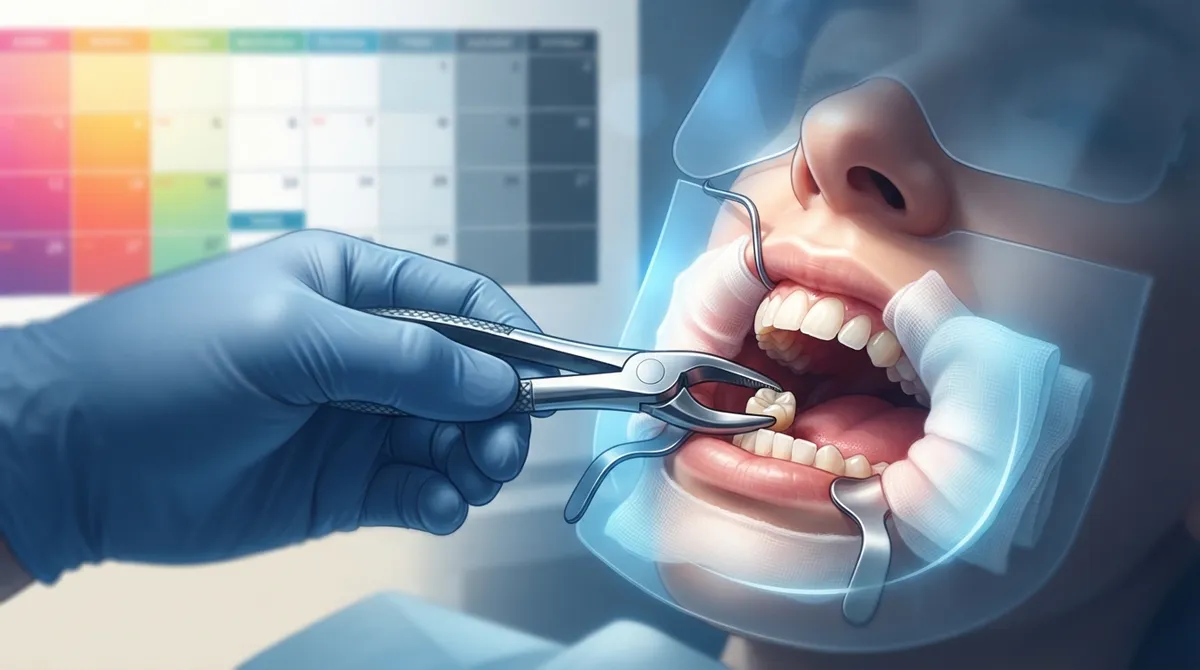
Key Takeaways
- Dentists always attempt to save teeth first through fillings, crowns, or root canals; extraction is only recommended when the tooth is too damaged, infected, or loose to preserve safely.
- The first 48-72 hours after extraction are critical for healing—protect the blood clot by avoiding straws, smoking, vaping, and strenuous exercise to prevent complications like dry socket.
- Simple extractions typically take 15-20 minutes with local anesthetic numbing, while surgical extractions for impacted or broken teeth take longer and may require small stitches.
- Most people recover noticeably within one week, though wisdom tooth extraction may take 5-7 days; mild pain, swelling, and bruising peak on days 2-3 then improve steadily.
- Warning signs requiring immediate dental contact include worsening pain after day three, uncontrolled bleeding, fever, or bad taste from the extraction site, especially as dry socket risk peaks 2-5 days post-procedure.
- Plan tooth replacement soon after healing to prevent bone loss and bite shifting; options include dental implants, bridges, or dentures depending on the number of missing teeth and budget.
Hearing the words "you need a tooth pulled" can make anyone's stomach flip. Take a deep breath, friend. Teeth extraction sounds scary, but it is one of the most common dental procedures out there, and it is often the kindest thing your dentist can do for your smile. At Charming Smiles of Ocoee, we understand that pulling a tooth is never anyone's first choice. That is exactly why Dr. Aliuska Lopez and her caring team always look at every possible option first, then walk you through the process step by step so you feel calm and informed.
Whether you are a busy parent worried about your child's wiggly tooth, an adult facing a stubborn wisdom tooth, or someone managing dental anxiety, this guide covers everything you need to know. We will break down why extractions happen, what to expect, and how to heal fast and comfortably. Let's get you the answers you deserve.
1. Understanding What Teeth Extraction Really Means
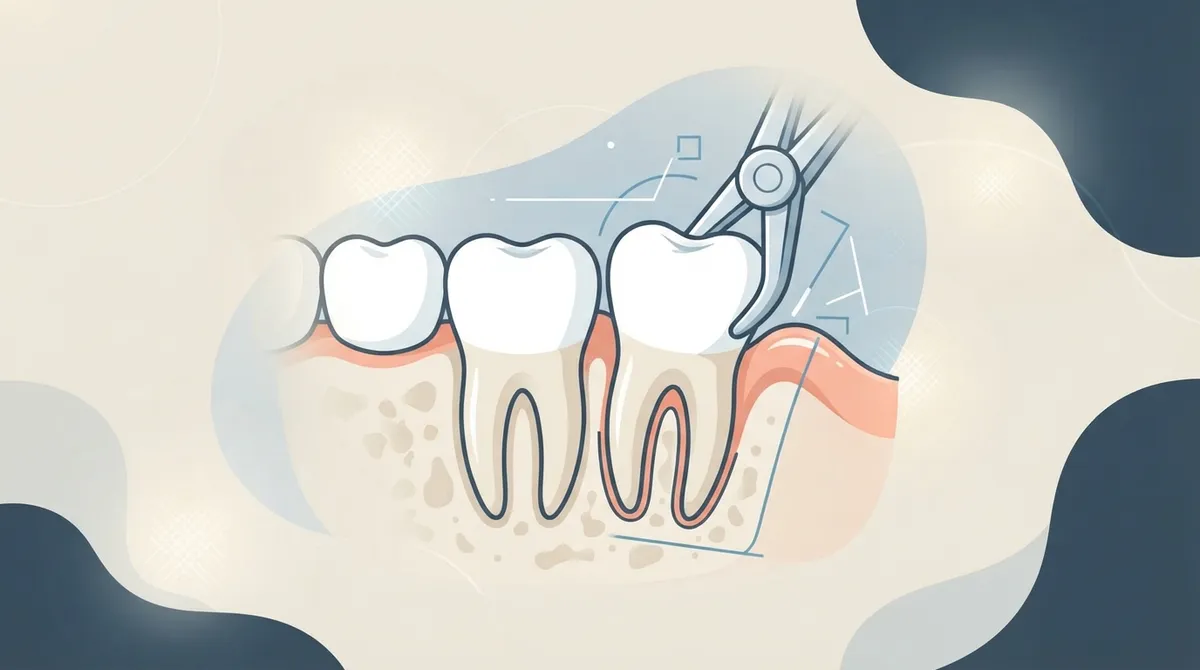
Teeth extraction is simply removing a tooth from its socket in the jawbone. It sounds simple, but there are actually two different types of extractions, and knowing the difference helps you feel more prepared.
Simple Extractions vs Surgical Extractions
A simple extraction happens when the tooth is fully visible above the gum line. Your dentist gently loosens the tooth and lifts it out. A surgical extraction is needed when the tooth is broken, impacted, or hidden under gum or bone. This type takes a bit more skill and sometimes a small incision.
- Simple extractions are usually quick, often 15 to 20 minutes
- Surgical extractions may take longer and involve small stitches
- Both types use numbing medicine so you will not feel pain during the procedure
- Your dentist will always explain which type you need before starting
No matter which type you need, our team at Charming Smiles of Ocoee makes sure you are comfortable from start to finish, with soothing music and a relaxing, spa-like atmosphere designed to ease any nerves.
2. Common Reasons Dentists Recommend Extraction
Nobody wants to lose a tooth. But sometimes it truly is the best path forward for your health. Here are the most common reasons a tooth may need to come out.
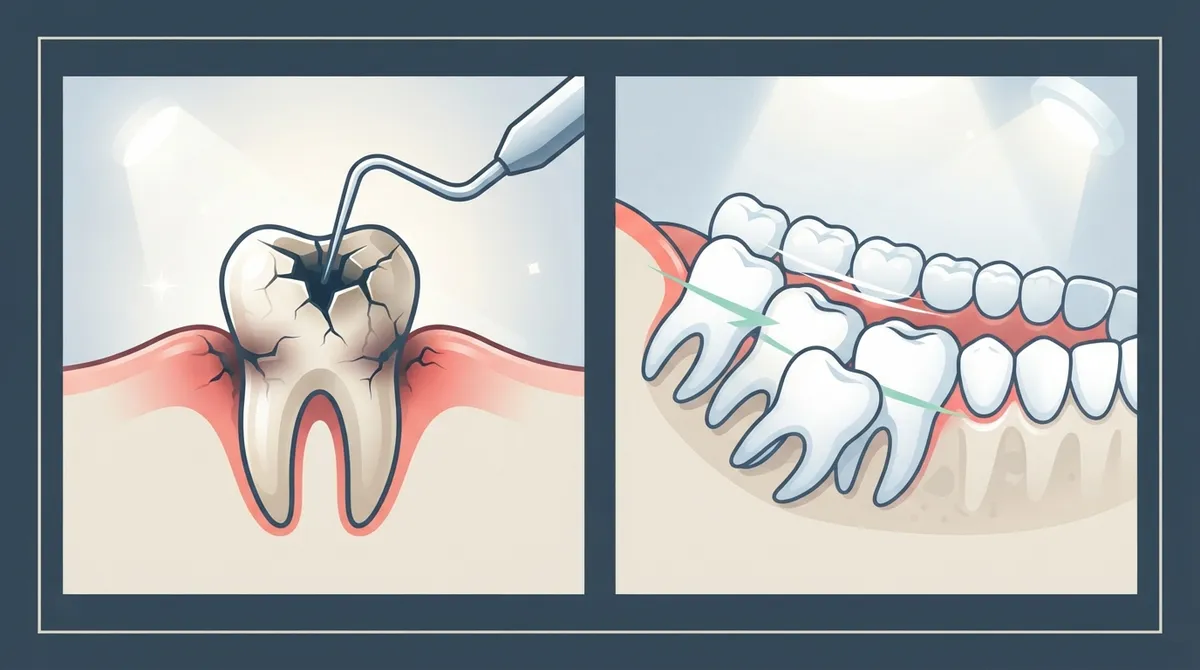
- Extensive tooth decay that has destroyed too much of the tooth structure
- Advanced gum disease that has loosened the tooth beyond saving
- A dental abscess or infection that will not clear up with a root canal
- A fractured tooth that cannot be repaired with a crown or filling
- Impacted wisdom teeth causing pain or crowding
- Overcrowding that needs to be fixed before orthodontics like Invisalign
- Teeth that interfere with dentures or other restorative treatment
Our dentists always consider fillings, crowns, or root canal treatment first. Extraction only becomes the answer when saving the tooth is not realistic or would put your overall oral health at risk. If you are dealing with wisdom teeth pain right now, check out our guide on 5 Wisdom Teeth Extraction Facts Every Patient Should Know for more details.
3. How Dentists Decide Between Saving a Tooth and Pulling It
This is a question we hear all the time. Dentists always try to save your natural tooth first. Here is a quick comparison to help you understand the decision-making process.
| Treatment Option | Best For | When Extraction Wins Instead |
|---|---|---|
| Filling | Small to moderate cavities | When decay has reached the tooth's core |
| Crown | Cracked or weakened teeth | When too little healthy tooth remains |
| Root Canal | Infected tooth pulp | When infection has destroyed the root structure |
| Gum Treatment | Early to moderate gum disease | When advanced disease has loosened the tooth badly |
If you are curious about the difference between saving a tooth and removing it, our article on Root Canal vs. Tooth Extraction: Which Is Right for You? breaks it down even further.
4. What Happens During the Extraction Procedure
Knowing what to expect can turn nervous energy into calm confidence. Here is the typical process from start to finish.
- Your dentist reviews your dental X-rays to check the tooth's roots and position
- Local anesthetic numbs the area completely, so you feel pressure but not pain
- For anxious patients or complex cases, sedation options may be discussed
- The tooth is gently loosened and removed from the socket
- Gauze is placed to help a blood clot form right away
- Your dentist gives you clear aftercare instructions before you leave
For patients with dental anxiety, our team offers extra comfort touches like blankets, aromatherapy, and calming music. You deserve a stress-free visit, and that is exactly what we aim to deliver at every appointment. Learn more about our approach to emergency dentistry if you are dealing with sudden tooth pain right now.
5. The First 48 Hours: What Your Recovery Really Looks Like
The first two to three days after an extraction are the most important for healing. This is when swelling and discomfort peak, according to NHS hospital guidance. Do not worry, this is completely normal.
What You Might Feel
- Mild to moderate pain that improves daily
- Swelling around the cheek and jaw
- Slight bruising near the extraction site
- Jaw stiffness making chewing harder for a few days
- Light, blood-tinged saliva for a day or two
Most people feel much better within a week. Wisdom tooth recovery commonly takes about 5 to 7 days, though soreness can linger up to two weeks in some cases. Simple extractions often heal even faster.
6. Smart Aftercare Steps to Protect Your Healing Socket
The blood clot that forms in your socket is your best friend during recovery. Protecting it is the key to avoiding complications. Follow these steps closely.
- Bite down gently on gauze for 30 to 45 minutes right after the procedure
- Apply an ice pack to your cheek in short intervals to reduce swelling
- Stick to soft foods like yogurt, mashed potatoes, and smoothies for the first day
- Avoid using a straw, since the sucking motion can dislodge the clot
- Skip smoking, vaping, and alcohol for at least 48 to 72 hours
- Rinse gently with warm salt water starting the day after your extraction
- Avoid strenuous exercise for a couple of days to prevent extra bleeding
Most bleeding settles with firm gauze pressure within 10 to 30 minutes. A little pink-tinged saliva afterward is normal and nothing to fear.
7. Warning Signs You Should Never Ignore
While most extractions heal smoothly, it helps to know the warning signs of a problem. Dry socket is the most common complication, usually showing up 2 to 5 days after the procedure. It happens when the blood clot gets disturbed, and smoking greatly increases the risk.
Call Your Dentist If You Notice
- Pain that gets worse instead of better after day three
- Bleeding that will not stop even with steady pressure
- Fever, chills, or feeling generally unwell
- A bad taste or odor coming from the extraction site
- Numbness lasting longer than expected, especially after wisdom tooth removal
Numbness after lower wisdom teeth removal is uncommon but possible. Some NHS data shows temporary numbness in roughly 1 in 10 patients, with permanent numbness far rarer, around 1 in 100. If anything feels off, do not wait it out. Reach out right away, or call us at (407) 378-3704 so we can check on you quickly.
8. Replacing Your Tooth After Extraction
Once your extraction site has healed, it is worth thinking about what comes next. A missing tooth can shift your bite, affect chewing, and even change your facial appearance over time. The good news is you have several excellent options.
| Replacement Option | Best For | Key Benefit |
|---|---|---|
| Dental Implants | Single or multiple missing teeth | Permanent, natural-feeling solution |
| Bridges | One or a few missing teeth in a row | Fast, fixed replacement |
| Dentures | Multiple or full arch tooth loss | Removable and budget-friendly |
Waiting too long to replace a missing tooth can lead to bone loss and shifting teeth. Our team will walk you through every option so you pick what fits your lifestyle and budget best.
Why Ocoee Families Trust Charming Smiles for Extractions
Dr. Aliuska Lopez has built a reputation as a gentle, skilled smile expert who genuinely cares about her patients' comfort. Our Ocoee practice near Publix combines advanced technology with a warm, spa-like setting so extractions feel far less intimidating. From cozy blankets to calming aromatherapy, we go above and beyond for patients who feel nervous about dental visits.
We also make extractions affordable. We accept most major insurance plans, including MetLife, Delta Dental, Cigna, and Aetna, and offer flexible financing options through CareCredit and Cherry Financing. Our dental savings plan is another great way to keep costs manageable for routine and restorative care alike.
Curious what other patients say about their experience? You can visit us on Google — Charming Smiles of Ocoee to read real reviews, or check out our latest updates and patient stories on our Charming Smiles Facebook page and Charming Smiles Instagram page.
Ready to Take the Next Step Toward a Healthier Smile?
Whether you are dealing with a painful tooth right now or just want a second opinion, you do not have to figure this out alone. Our friendly team is here to guide you through every step, from your first consultation to full recovery. You can conveniently book online whenever works best for your schedule, browse current specials to save on your visit, or explore our full range of dental services to see how we can help your whole family smile brighter.
Reach out to our warm, welcoming team today and discover why so many Ocoee families call Charming Smiles their dental home. Come visit our location and experience the gentle, judgment-free care you deserve.
FAQs
Q: Why would a dentist recommend a tooth extraction instead of saving the tooth?
A: Great question, and one we hear a lot! Dentists always try fillings, crowns, or root canals first. Extraction only becomes the best choice when the tooth is too damaged, infected, or loose to save safely.
Q: How painful is a tooth extraction and what type of anesthesia is used?
A: You should not feel pain during the procedure itself. Local anesthetic numbs the area completely, and sedation options are available if you feel nervous. Most patients say the anticipation is worse than the actual experience!
Q: How long does it take to recover from a tooth extraction?
A: Most people feel noticeably better within a week. The first two to three days bring the most swelling and soreness, and things improve steadily from there. Wisdom teeth may take a little longer, around 5 to 7 days.
Q: What can I eat after having a tooth removed?
A: Stick with soft, cool foods for the first day, like yogurt, mashed potatoes, or a smoothie (no straw though!). You can slowly add back your normal foods as healing progresses over the following days.
Q: What is dry socket, and how can it be prevented?
A: Dry socket happens when the blood clot in your extraction site gets disturbed, usually 2 to 5 days after the procedure. You can prevent it by avoiding smoking, vigorous rinsing, and straws during early healing.