8 Facts About the Implant Osseointegration Process (2026)
Discover 8 key facts about the implant osseointegration process, from healing stages to what makes dental implants succeed long-term.
Key Takeaways
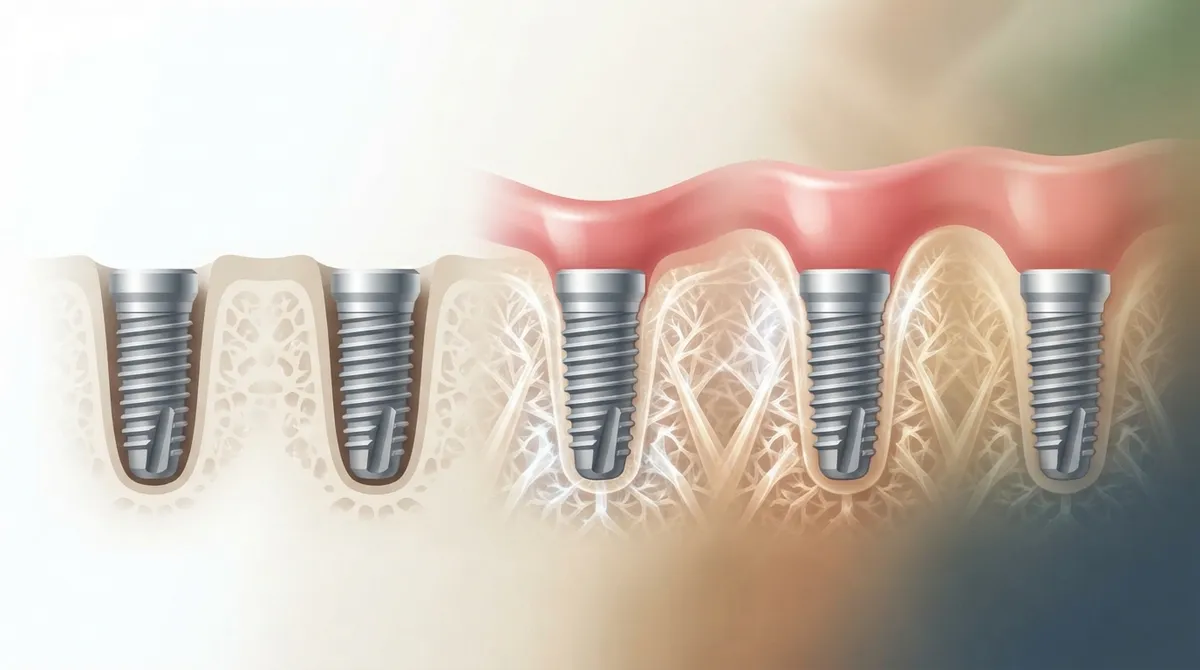
- Osseointegration takes 3-6 months as jawbone gradually grows directly onto the implant surface, creating a strong bond that functions like a natural tooth root and can handle real biting force.
- Primary stability from surgical placement provides initial security, while secondary stability develops as new bone bonds to the implant over weeks to months—both are essential for long-term implant success.
- Bone quality, smoking status, oral hygiene, diabetes management, and following aftercare instructions significantly impact osseointegration success, making patient compliance and experienced provider selection critical.
- Watch for warning signs like implant looseness, persistent pain, gum recession, or infection discharge during healing; contact your dentist immediately if these occur, as early intervention prevents failed integration.
Thinking about dental implants but curious what really happens after surgery? You're not alone. One of the biggest questions our patients at Charming Smiles of Ocoee ask is how an implant actually becomes part of your jaw. The answer is a fascinating biological process called osseointegration. It's the quiet, behind-the-scenes healing that turns a small titanium post into a rock-solid foundation for your new smile. Grab a cup of coffee, get comfy, and let's walk through exactly what happens step by step, so you know what to expect before, during, and after your implant journey.
Whether you're an active senior in Ocoee looking to replace a missing tooth, or you've been putting off implants because the process feels mysterious, this guide breaks it all down in plain, friendly language. We'll cover the science, the timeline, and the factors that make osseointegration succeed. By the end, you'll feel confident and ready to talk with our team about dental implants as a long-term solution for your smile.
1. What Osseointegration Actually Means
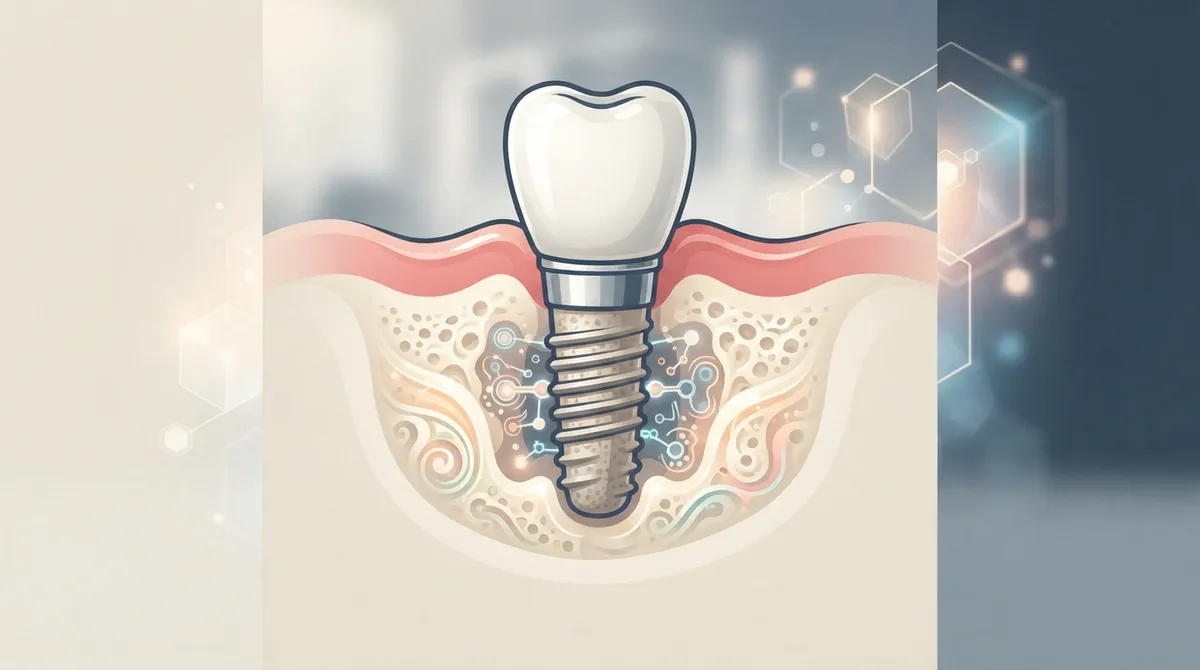
Osseointegration sounds like a big, technical word, but the idea behind it is simple. It means your jawbone grows directly onto the surface of the implant. There's no gum tissue or soft material in between. Just living bone bonding tightly to the implant post.
This direct bone-to-implant connection is what makes modern dental implants so strong and reliable. Your implant essentially becomes part of your jaw, just like a natural tooth root. That's why implants can support a crown, bridge, or even a full denture with confidence.
- Bone cells grow directly onto the implant surface
- No soft tissue barrier forms between bone and metal
- The connection is both structural and functional
- This bond allows the implant to handle real biting force
2. The Step-by-Step Healing Timeline
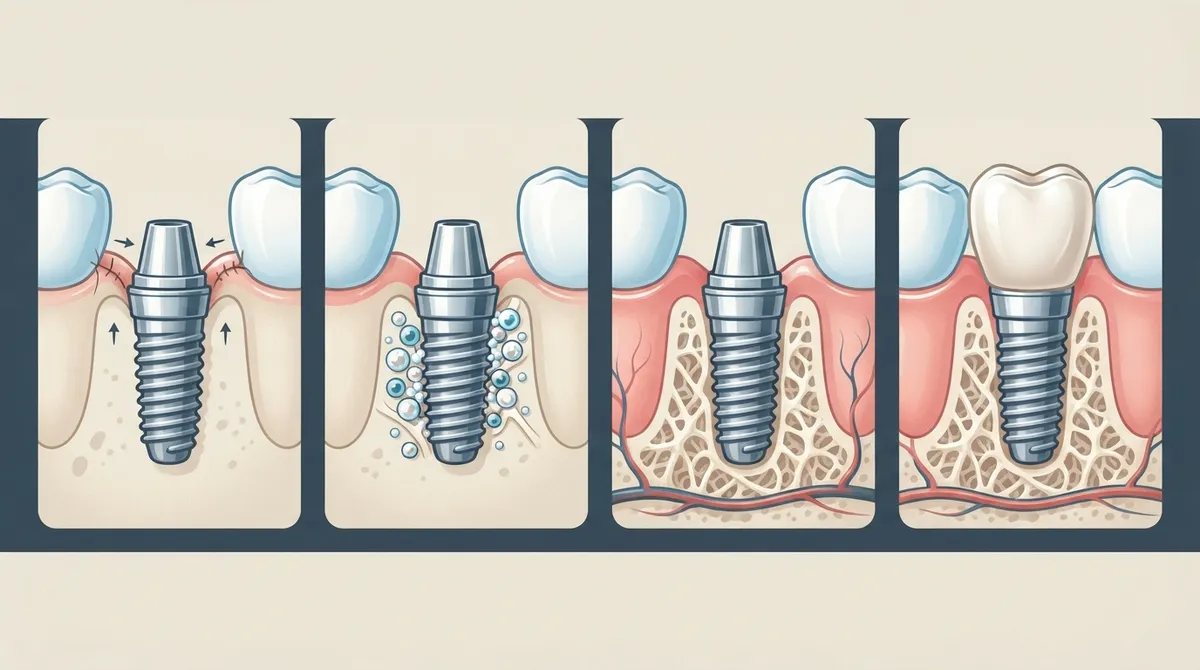
Osseointegration doesn't happen overnight. It's a gradual process that unfolds in stages, and understanding the timeline helps set realistic expectations for your recovery.
- Day 0 to 3: A blood clot forms around the implant right after placement. This gives the implant its first bit of stability, called primary stability.
- Day 1 to 7: Your body starts an inflammatory response. This is a normal part of healing, not a sign of trouble.
- Week 1 to 4: Early, soft "woven" bone begins forming around the implant surface.
- Month 2 to 6 and beyond: The woven bone matures into stronger, denser bone. This is when your implant becomes ready for its permanent crown.
Most patients can expect full osseointegration to take about 3 to 6 months. Some heal faster, some take a bit longer, and that's completely normal. Your dentist will monitor your progress closely along the way.
3. The Three Biological Stages Explained
Researchers describe osseointegration in three main biological stages. Knowing these stages can help you understand why patience really does pay off during recovery.
| Stage | What Happens | Approximate Timing |
|---|---|---|
| Woven Bone Formation | Soft, disorganized bone quickly fills in around the implant | First few weeks |
| Bone Mass Adaptation | Bone density increases and strengthens around the implant | Weeks to a few months |
| Bone Structure Adaptation | Bone remodels into strong, organized lamellar bone | Several months and beyond |
Interestingly, some clinical sources note that the very first biological reactions can start within minutes of implant placement. That's your body immediately getting to work healing and building a strong foundation for your new tooth.
4. Primary Stability vs. Secondary Stability
These two terms come up a lot when discussing implant osseointegration process details, so let's make them simple.
- Primary stability comes from how tightly the implant fits into the bone right when it's placed. Think of it like screwing a bolt firmly into wood.
- Secondary stability develops later, as new bone grows and bonds to the implant surface during healing.
Early on, primary stability keeps the implant secure. Over time, secondary stability takes over as the true source of long-term strength. A skilled dentist, like Dr. Aliuska Lopez at Charming Smiles of Ocoee, carefully evaluates both types of stability before moving forward with your final restoration.
5. Factors That Affect Osseointegration Success
Not everyone heals exactly the same way, and several factors can influence how well osseointegration goes. Being aware of these can help you set yourself up for the best possible outcome.
- Overall bone quality and density in the jaw
- Good oral hygiene habits during healing
- Avoiding smoking, which can slow bone healing significantly
- Managing health conditions like diabetes that affect healing
- Following your dentist's aftercare instructions closely
- Choosing an experienced, skilled implant provider
This is exactly why picking the right dental team matters so much. Our team takes time during your consultation to review your health history and bone structure, so we can plan for success from day one.
6. Signs Your Implant Is Healing Well
Patients often wonder how they'll know if osseointegration is going smoothly. While only your dentist can confirm true bone integration through exams and imaging, there are a few reassuring signs along the way.
- No unusual pain, swelling, or mobility around the implant site
- Gums appear pink and healthy, not red or inflamed
- Your dentist confirms stability at follow-up visits
- X-rays show bone forming closely around the implant
Regular follow-up visits are essential during this healing window. Skipping checkups could mean missing early warning signs, so keeping every appointment matters more than you might think.
7. What Happens If Osseointegration Fails
While implant success rates are high, osseointegration can occasionally fail to happen properly. This doesn't mean you're out of options, but it's important to understand what can go wrong.
If bone doesn't bond correctly with the implant, it may feel loose or shift slightly. In these cases, the implant usually needs to be removed so the site can heal before trying again. Common causes include infection, insufficient bone density, or excessive stress on the implant too soon.
- Persistent pain or discomfort at the implant site
- Noticeable looseness or movement of the implant
- Gum recession or visible bone loss around the area
- Signs of infection like swelling or discharge
If you ever notice these symptoms, don't wait. Reach out right away so we can evaluate the situation quickly. You can always contact our emergency dentistry team if something feels off between scheduled visits.
8. When You're Ready for the Final Crown
Once osseointegration is complete, and your dentist confirms the implant is securely fused with your jawbone, it's time for the exciting part: your permanent crown. This is when your new tooth truly starts to look and feel like your own.
Your dentist will take precise measurements and create a custom crown that matches your natural teeth in color, shape, and size. Many patients tell us this final step feels like the finish line after months of healing and anticipation.
- Impressions or digital scans are taken of the implant site
- A custom crown is designed and crafted just for you
- The crown is attached securely to the implant post
- Your bite is checked and adjusted for comfort
If you're also curious about aesthetic upgrades alongside implants, many patients pair this treatment with veneers or teeth whitening services to complete their smile transformation.
Why Choose Charming Smiles of Ocoee for Your Implant Journey
At Charming Smiles of Ocoee, we understand that dental implants are a big decision, and osseointegration can feel like a long road. That's why Dr. Aliuska Lopez and our caring team walk you through every stage with honesty, patience, and expert guidance. Our spa-like environment helps ease dental anxiety, so you can relax through consultations, placement, and follow-up visits.
We proudly serve families throughout Ocoee, FL, and we're passionate about restoring smiles with implants that truly last. Curious what other patients say about their experience? Feel free to visit us on Google — Charming Smiles of Ocoee and read real reviews from our community. You can also check out our Charming Smiles Facebook page or follow along on our Charming Smiles Instagram page for smile transformation stories and helpful dental tips.
For general background on implant biology, resources like the National Institutes of Health and the Mayo Clinic offer additional clinical insight into how osseointegration supports long-term implant success.
Ready to Take the Next Step?
Understanding the implant osseointegration process helps you feel confident and prepared for your treatment. If you're ready to explore whether dental implants are right for you, our team is here to help every step of the way. You can also learn more about flexible insurance & financing options and our dental savings plan to make treatment more affordable.
Don't wait to get the smile you deserve. Reach out today to schedule your free implant consultation, call us at (407) 378-3704, or explore booking online at a time that works best for you. Our friendly team at Charming Smiles of Ocoee can't wait to help you begin your smile transformation.
FAQs
Q: What is osseointegration in dental implants?
A: Osseointegration is the process where your jawbone actually grows onto the implant surface. It creates a strong, direct bond between living bone and the implant, so it functions just like a natural tooth root. This connection is what gives dental implants their incredible strength and longevity.
Q: How long does the osseointegration process take?
A: Most patients can expect osseointegration to take about 3 to 6 months. It really depends on your bone density, overall health, and how well you follow aftercare instructions. Our team at Charming Smiles of Ocoee monitors your healing closely to make sure everything is on track.
Q: What are the stages of dental implant osseointegration?
A: There are three main biological stages: woven bone formation, bone mass adaptation, and bone structure adaptation. Healing starts with soft bone quickly filling in around the implant, then gradually strengthens into dense, organized bone over several months.
Q: Can a dental implant fail to osseointegrate?
A: Yes, though it's not common when implants are placed by an experienced dentist. Failure can happen due to infection, poor bone quality, or too much pressure on the implant too soon. If you notice pain or looseness, reach out to us right away so we can evaluate it quickly.
Q: When can a crown be placed after implant surgery?
A: A crown is typically placed once osseointegration is complete, which is usually around 3 to 6 months after implant placement. Your dentist will confirm the implant is fully stable before moving forward with your custom, natural-looking crown.