8 Dental Implant Checkup Mistakes to Stop in 2026
Avoid these 8 common dental implant checkup mistakes that put your smile at risk. Learn the right schedule, warning signs, and care tips for 2026.
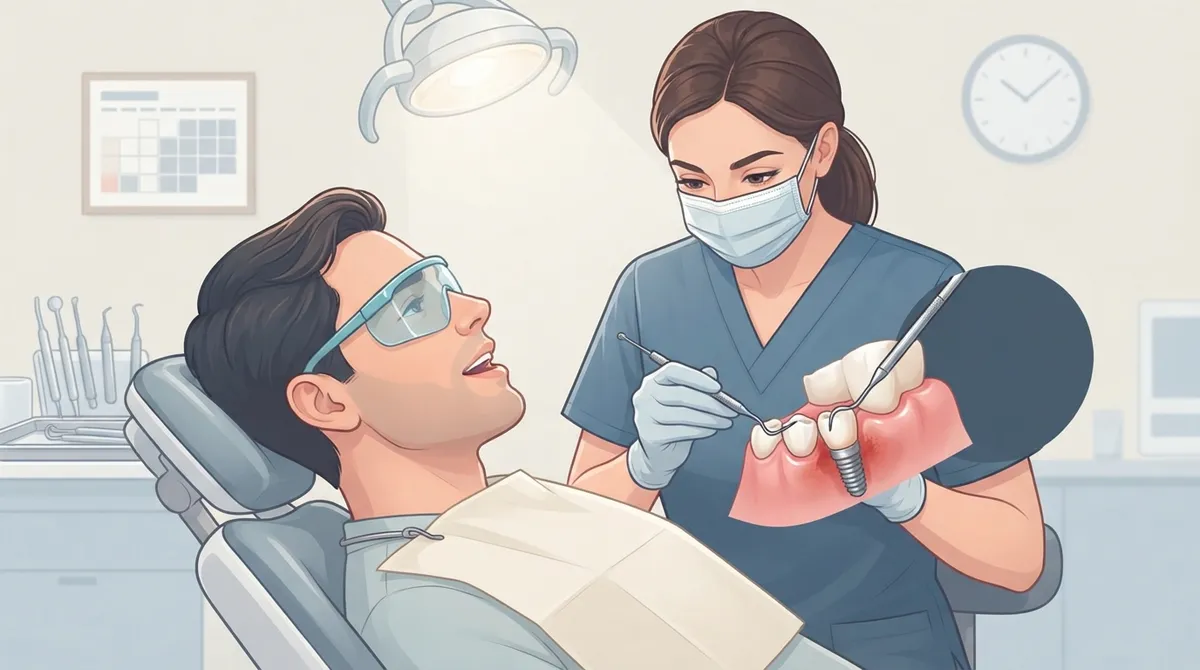
Key Takeaways
- Schedule dental implant checkups at least every 6 months for life, or every 3-4 months if you have gum disease history, diabetes, or smoke, as consistent follow-up care directly impacts the 96.4% 10-year implant survival rate.
- Contact your dentist immediately if you notice bleeding, swelling, bad taste, pus, pain, looseness, or bite changes around your implant, as early detection of peri-implantitis can prevent irreversible bone loss.
- Thorough implant checkups include gum tissue assessment, bite evaluation, gentle probing, professional cleaning, and personalized home care advice—not just a visual inspection—to catch small problems before they become costly issues.
- Practice daily at-home implant care using soft-bristle brushes, implant-specific floss or water flossers, antimicrobial mouthwash, and avoiding hard objects, as daily habits have a bigger overall impact than occasional checkups alone.
- Distinguish between implant health and restoration health during checkups, since the titanium implant can be healthy while the crown or denture needs repair—technical complications like crown fracture occur in about 3.5% of cases within 5 years.
- Choose a dental practice with proven implant maintenance experience, as long-term implant success depends heavily on both your consistent checkup attendance and your dentist's expertise in implant-specific care protocols.
Getting a dental implant feels like a finish line. You went through the consultation, the procedure, and the healing process, and now you finally have a tooth that looks and feels real again. But here's something many patients in Ocoee don't realize: the checkup schedule after your implant matters just as much as the surgery itself. Skipping or delaying dental implant checkups is one of the easiest ways to turn a great investment into a costly problem.
At Charming Smiles of Ocoee, we see patients make the same avoidable mistakes over and over. The good news? Every single one is fixable once you know what to watch for. This guide walks through the most common dental implant checkup mistakes, why they matter, and exactly how to correct course so your implant lasts as long as possible.
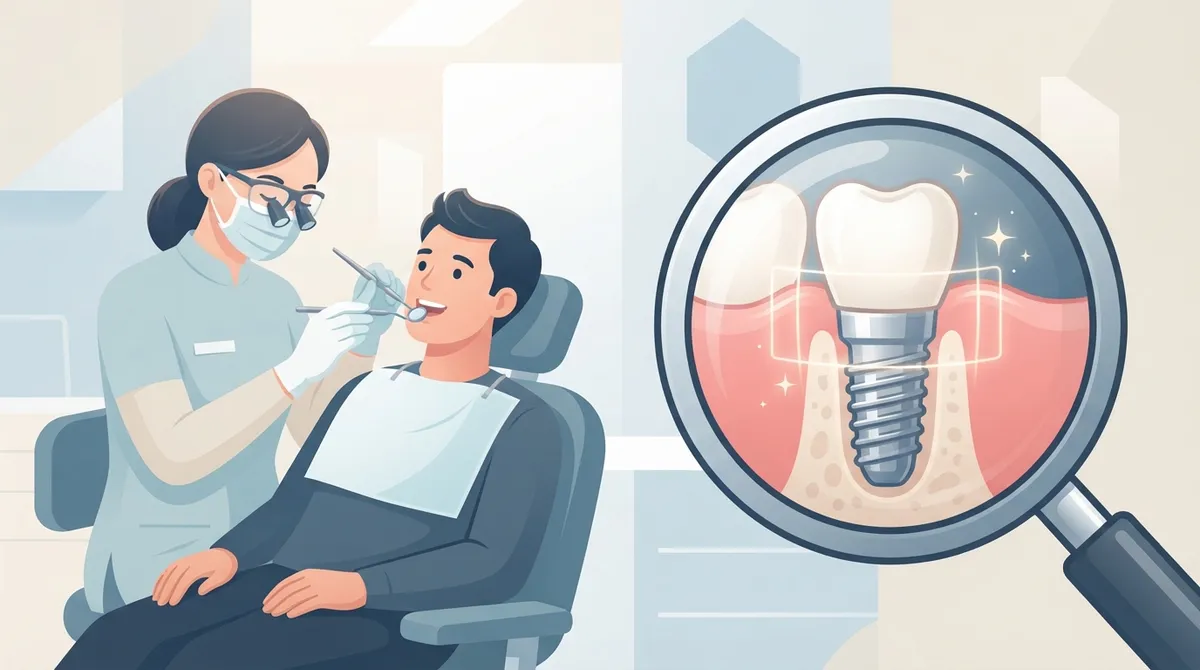
Mistake #1: Thinking Implants Never Need Follow-Up Care
Many patients believe that once an implant is placed, it's maintenance-free forever. This is one of the biggest myths in dentistry. Implants are extremely durable, but the gum tissue, bone, and crown around them still need regular attention.
Research backs this up. A major review found 10-year implant survival rates around 96.4%, which sounds great, but that number depends heavily on consistent follow-up care. Skipping checkups raises your risk of complications that could have been caught early.
Why This Mistake Happens
- Patients confuse "implant" with "permanent and problem-free"
- No one explained the long-term maintenance plan clearly
- Past dental visits felt rushed, so patients assume checkups aren't important
- Life gets busy and appointments slip through the cracks
Mistake #2: Waiting Too Long Between Visits
The general guideline from prosthodontic and dental associations is simple: get your implant checked at least every 6 months for life. But that's just the baseline. If you smoke, have diabetes, or have a history of gum disease, your dentist may recommend visits every 3 to 4 months instead.
Here's a quick breakdown of typical recall schedules:
| Patient Type | Recommended Checkup Frequency |
|---|---|
| Low-risk, healthy patient | Every 6 months |
| Recent implant or restoration | Every 3-4 months (first year) |
| History of gum disease or peri-implantitis | Every 3-4 months |
| Smokers or diabetics | Every 3-4 months |
| Poor home plaque control | Every 3-4 months |
If you're unsure which category fits you, the team at our Ocoee office can help you figure out the right interval during your next visit for dental implants.
Mistake #3: Assuming a Checkup Is Just a Quick Look
A real dental implant checkup covers a lot more ground than a glance in your mouth. Here's what typically happens during a thorough visit:
- Review of your health history and any new medications
- Visual inspection of the crown, bridge, or denture attached to the implant
- Check of the surrounding gum tissue for redness, swelling, or bleeding
- Evaluation of plaque and calculus buildup around the implant
- Assessment of your bite and how the implant lines up with other teeth
- Gentle probing around the implant, when appropriate, to check gum health
- Professional cleaning to remove buildup you can't reach at home
- Personalized advice on how to care for your implant between visits
Skipping any of these steps means small problems can go unnoticed until they become bigger, more expensive issues.
Mistake #4: Ignoring Warning Signs Between Visits
You don't have to wait for your scheduled appointment if something feels off. Waiting too long to report symptoms is a common mistake that can turn a minor issue into a major one.
Contact your dentist right away if you notice any of these signs:
- Bleeding or swelling around the implant
- A bad taste or odor that won't go away
- Pus or discharge near the gum line
- Pain or discomfort when chewing
- A loose feeling in the implant or crown
- Changes in how your bite feels
- A cracked or chipped crown
- A denture that no longer fits snugly
These symptoms could point to peri-implant mucositis (gum inflammation without bone loss) or peri-implantitis (inflammation with bone loss). Catching these early gives your dentist the best chance to reverse the problem before it gets worse.
Mistake #5: Skipping X-Rays When They're Actually Needed
Some patients assume every checkup requires X-rays, while others think X-rays are never necessary once healing is complete. Both ideas are wrong. The truth is more nuanced.
X-rays aren't required at every single visit. Instead, your dentist should base the decision on your symptoms, risk factors, and how long it's been since your last image. Baseline X-rays taken shortly after your implant heals give your dentist a reference point. Follow-up images help compare bone levels over time and can catch bone loss before you feel any pain.
When X-Rays Usually Make Sense
- Establishing a baseline after the crown is placed
- Investigating new pain, swelling, or looseness
- Checking suspected bone loss around the implant
- Evaluating a screw or crown that seems loose
- Periodic monitoring based on your individual risk level
Mistake #6: Neglecting At-Home Care Between Checkups
Professional checkups matter, but they only happen a few times a year. What you do daily at home has a bigger overall impact on your implant's health.
Here's a simple daily routine that supports implant health between visits:
- Brush around the implant crown twice daily with a soft-bristle brush
- Use floss designed for implants or a water flosser to clean below the gum line
- Avoid abrasive toothpaste that can scratch the crown's surface
- Rinse with an antimicrobial mouthwash if your dentist recommends it
- Avoid chewing on hard objects like ice or pen caps
- Quit smoking, since it significantly raises the risk of implant failure
Clinical data shows technical complications like screw loosening (8.8%) and loss of retention (4.1%) are common enough that daily care and professional monitoring both play a role in prevention.
Mistake #7: Not Understanding the Difference Between Implant Health and Restoration Health
Here's something that surprises a lot of patients: the titanium implant itself might be perfectly healthy, while the crown, screw, or denture attached to it needs repair. These are two separate things, and a good checkup evaluates both.
A meta-analysis of single implant-supported crowns found technical complications like veneering-material fracture happen in about 3.5% of cases within 5 years. That's not an implant failure. That's a restoration issue that a checkup can catch and fix quickly.
This is exactly why routine visits matter so much. Your dentist isn't just checking if the implant is still there. They're checking if everything attached to it is functioning the way it should.
Mistake #8: Choosing a Dental Office Without Implant Maintenance Experience
Not every dental practice has deep experience with long-term implant care. Choosing the right team matters just as much as showing up for your appointments.
At Charming Smiles of Ocoee, Dr. Aliuska Lopez and her team combine modern technology with a calm, spa-like setting so checkups feel easy instead of stressful. Whether you need a routine implant checkup or you're exploring options like dentures, crowns & bridges, or a full evaluation through our general dentistry services, our Ocoee office is built to make every visit comfortable.
We also know cost is a real concern. That's why we offer insurance and financing options, a dental savings plan, and flexible payment plans to help you stay on track with the checkups your implant needs. You can also check our current specials for savings on consultations and treatment.
What a Healthy Implant Checkup Schedule Looks Like Over Time
To put everything together, here's a simple timeline many patients follow after getting an implant:
| Time After Placement | What Typically Happens |
|---|---|
| 0-3 months | Healing period; probing usually avoided to protect tissue |
| 3-6 months | First follow-up checkup with light probing and visual exam |
| 6-12 months | Additional checkups every 3-4 months if you're higher risk |
| 1 year and beyond | Checkups every 6 months for life, or more often based on risk |
Long-term data shows why this matters. A systematic review found reported implant loss over 15+ years ranged from 0% to 33% across different studies, largely depending on patient maintenance and follow-up care. Consistent checkups are one of the biggest factors within your control.
How Ocoee Patients Can Get Started
If it's been longer than 6 months since your last implant checkup, now is a good time to get back on schedule. Our team makes it simple to book an appointment, review your implant's health, and address any concerns before they turn into bigger problems.
You can also book online at a time that works for your schedule. Many patients also like to check out real patient experiences on our Charming Smiles Facebook page or browse smile transformations on our Charming Smiles Instagram page before their visit. For a closer look at what other Ocoee patients have experienced, you can also visit us on Google — Charming Smiles of Ocoee.
According to the American College of Prosthodontists, lifelong maintenance is one of the most important factors in implant success, a principle supported by research published through the National Center for Biotechnology Information. Staying consistent with checkups isn't just a suggestion. It's backed by real clinical evidence.
Final Thoughts on Avoiding These Common Mistakes
Dental implants are one of the best long-term solutions for missing teeth, but they still need attention to stay healthy. Avoiding these eight mistakes puts you in a much stronger position to protect your investment and your smile for years to come.
If you're due for a checkup or have questions about implant maintenance, our team at Charming Smiles of Ocoee is here to help. Feel free to reach out and call us at (407) 378-3704 to schedule your next visit, or stop by our location near Publix in Ocoee. Your smile deserves consistent, expert care, and we're ready to provide it.
FAQs
Q: How often should I get a dental implant checkup?
A: Most people should get checked at least every 6 months for life, just like a regular dental visit. If you have gum disease history, diabetes, or you smoke, your dentist might suggest coming in every 3 to 4 months instead. We're happy to help figure out the right schedule for your situation.
Q: What happens during a dental implant maintenance appointment?
A: We'll check your health history, look closely at the crown and gum tissue, check your bite, and do a professional cleaning around the implant. We'll also give you personalized tips for caring for it at home. Think of it as a full health check for your implant, not just a quick peek.
Q: Are X-rays needed at every dental implant checkup?
A: Not necessarily! X-rays are usually taken when there's a specific reason, like new symptoms or checking bone levels over time. Your dentist will decide based on your individual risk factors and how your implant is doing, not just a fixed schedule.
Q: What are the warning signs of peri-implantitis?
A: Watch for bleeding gums, swelling, a bad taste that won't go away, or any looseness around the implant. If you notice any of these, don't wait for your next scheduled visit. Give us a call so we can take a look right away and catch any issues early.
Q: How long do dental implants and implant crowns last?
A: Implants themselves have great long-term survival rates, often above 95% even after 10 years. The crown or denture attached to it may need adjustments or replacement sooner, which is exactly why regular checkups matter so much for keeping everything working smoothly.