7 Facts About Root Planing Scaling Everyone Should Know
Discover what root planing scaling involves, why it matters, and how Charming Smiles of Ocoee makes deep cleanings comfortable and effective.
Key Takeaways
- Root planing scaling is a two-part deep cleaning that removes plaque and tartar below the gumline and smooths tooth roots, making it the first-line treatment for mild to moderate gum disease and often the only procedure needed for full recovery.
- Early warning signs include bleeding gums when brushing, red or swollen gums, bad breath, and visible tartar buildup; catching gum disease early prevents costly bone loss, tooth looseness, and more invasive treatments later.
- The procedure requires local anesthesia and typically four separate appointments (one per mouth quadrant), with mild soreness lasting a few days; most patients only need the treatment once followed by regular cleanings every six months.
- Untreated gum disease leads to bone loss, gum recession, tooth loss, and infection spread; root planing scaling stops this progression and protects your smile for decades with minimal recovery time and soft food restrictions.
Do your gums bleed when you brush? Does your dentist keep mentioning "pockets" during your checkup? If so, you might be dealing with early gum disease, and the good news is there's a simple fix. Root planing scaling, often called a deep cleaning, is one of the most effective treatments we offer at Charming Smiles of Ocoee. It's gentle, it works, and it can save your smile from serious trouble down the road.
Whether you're a busy parent squeezing in appointments between school drop-offs, a senior wanting to protect your teeth for years to come, or someone who just found out they need this treatment, this guide breaks down everything in plain, friendly language. No scary dental jargon here. Just honest answers about what root planing scaling really involves and why it matters so much for your health.
1. What Root Planing Scaling Actually Means
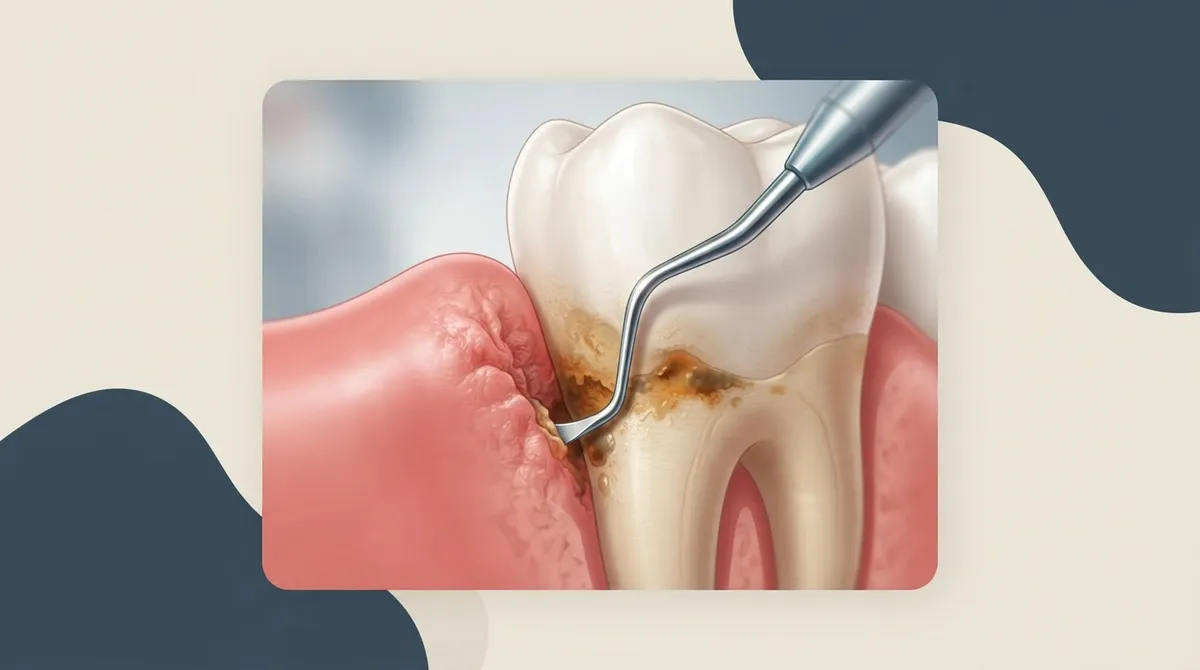
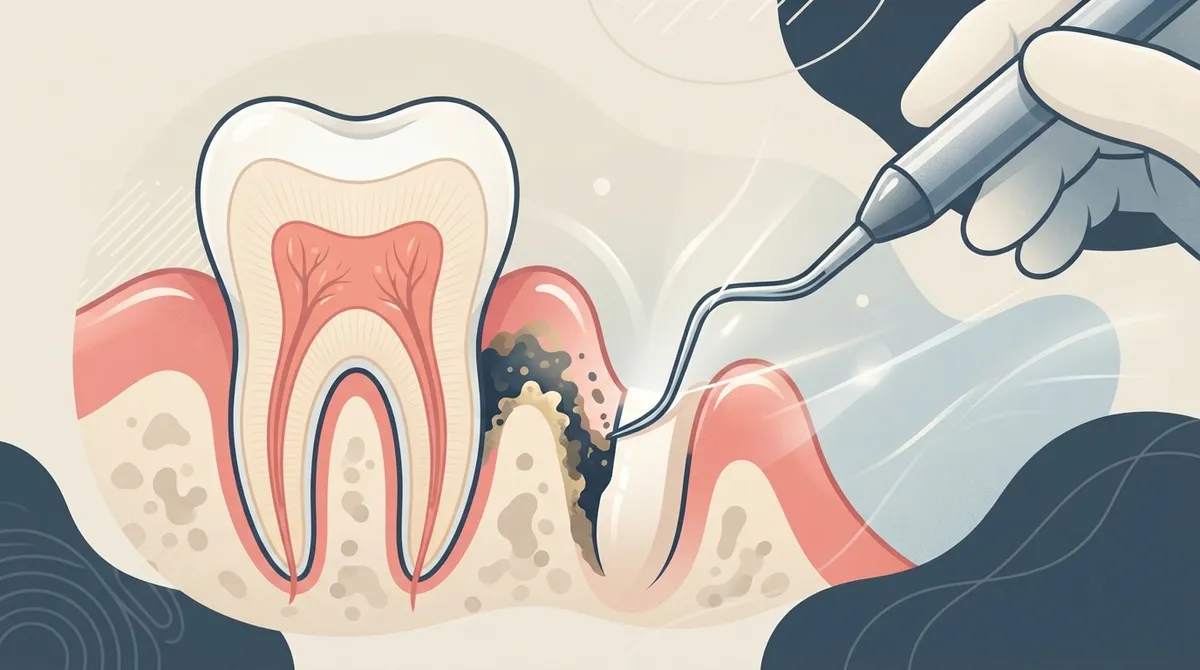
Root planing scaling is a two-part deep cleaning treatment for your gums. Think of it as a much deeper version of your regular cleaning. Scaling removes plaque and hardened tartar from your teeth, both above and below the gumline. Root planing smooths out the roots of your teeth so bacteria has a harder time sticking around.
Regular cleanings only reach what you can see. But when gum disease sets in, bacteria hide in pockets below your gums. That's where root planing scaling comes in. It's the first line of defense against mild to moderate periodontitis, and it's often all a patient needs to get healthy again.
How It's Different From a Regular Cleaning
Here's a simple way to picture it. A regular cleaning is like sweeping your kitchen floor. Root planing scaling is like getting down on your hands and knees to scrub every corner, including the spots hidden under the fridge. Both matter, but one goes much deeper.
- Regular cleanings focus on the tooth surface above the gumline
- Deep cleanings target pockets below the gumline where bacteria hide
- Root planing smooths root surfaces so gums can reattach
- Deep cleanings usually need numbing, regular cleanings don't
2. Signs You Might Need This Treatment
Many people don't realize they need root planing scaling until their dentist points it out during an exam. Your gums often give warning signs long before things get serious.
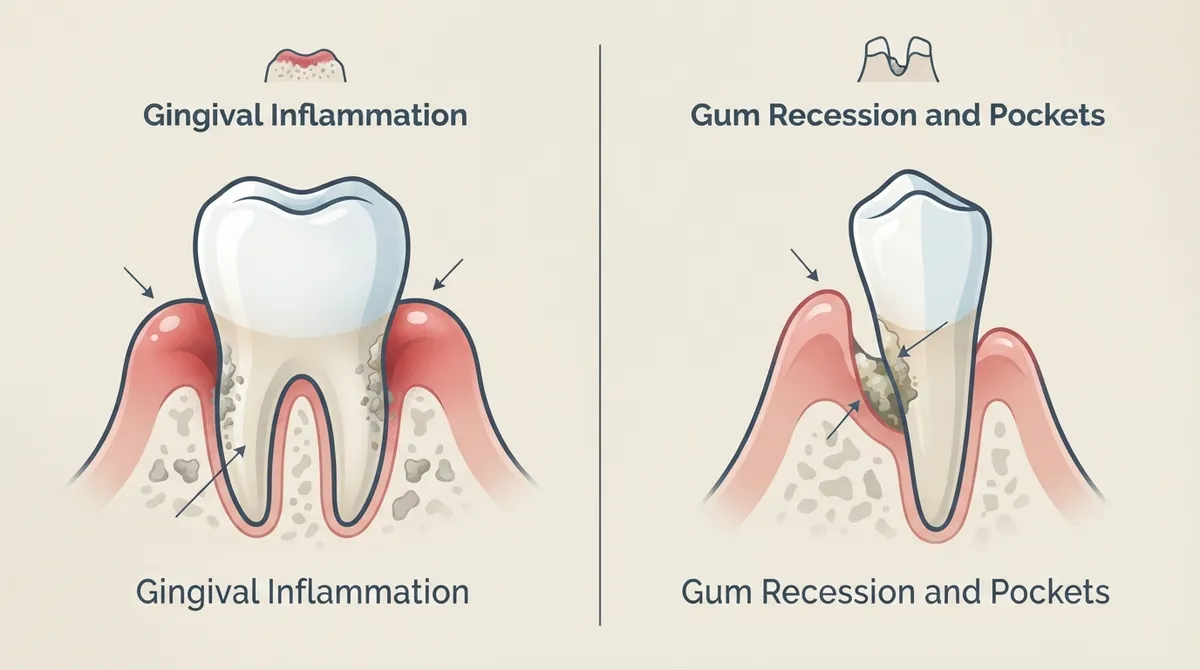
- Gums that bleed when you brush or floss
- Red, swollen, or tender gums
- Bad breath that won't go away no matter what you do
- Gums that seem to be pulling away from your teeth
- Loose teeth or teeth that feel like they've shifted
- A bad taste in your mouth that lingers
- Visible tartar buildup along the gumline
If any of these sound familiar, it's worth scheduling a checkup soon. Our team at periodontal services page can walk you through what to expect. Catching gum disease early makes treatment easier and helps you avoid bigger problems later.
3. What Happens During Your Appointment
We know dental visits can feel stressful, especially if you're nervous about the process. Here's the good news: root planing scaling is broken into manageable steps, and we numb the area first so you stay comfortable the whole time.
The Typical Treatment Process
- Your dentist examines your gums and measures pocket depths
- Local anesthetic numbs the area being treated
- Scaling removes plaque and tartar from tooth surfaces and pockets
- Root planing smooths the root surfaces
- Your mouth may be rinsed with an antibacterial solution
- Follow-up care instructions are given before you leave
Most patients need four separate appointments, with each visit focused on one quadrant of the mouth. This approach keeps each session shorter and more comfortable. Some patients with less severe issues may only need two visits, splitting the mouth in half instead.
4. Comparing Regular Cleanings and Deep Cleanings
It helps to see the differences side by side. This table breaks down what makes each type of cleaning unique.
| Feature | Regular Cleaning | Root Planing Scaling |
|---|---|---|
| Purpose | Maintain healthy gums | Treat gum disease |
| Depth of cleaning | Above the gumline | Above and below the gumline |
| Anesthesia needed | Usually not needed | Often required |
| Number of visits | One visit, twice a year | Two to four visits total |
| Root smoothing | Not included | Included |
| Recovery time | None | A few days of mild soreness |
Understanding this difference helps you know what to expect. If your dentist recommends a deep cleaning instead of a regular one, it's because your gum health needs extra attention right now.
5. Life After Your Deep Cleaning
Healing after root planing scaling is usually quick and simple. Most people feel some mild soreness or sensitivity for a few days, but it fades fast with the right care.
Tips for a Smooth Recovery
- Stick to soft foods for the first day or two
- Rinse gently with warm salt water to soothe your gums
- Avoid very hot or spicy foods until sensitivity fades
- Take any prescribed pain relief or antibiotic rinse as directed
- Brush gently but don't skip your normal routine
- Keep your follow-up appointment to check healing progress
Your gums need about one to two weeks to fully heal and reattach to your teeth. During this time, your dentist may place localized antimicrobial medication directly into deep pockets to speed up healing and fight off remaining bacteria.
6. Why This Treatment Matters So Much
Gum disease doesn't stay quiet if left alone. According to a study published in the Journal of the American Dental Association, scaling and root planing has been shown to genuinely help patients with chronic periodontitis, reducing pocket depth and improving gum attachment. Without treatment, gum disease slowly eats away at the bone and tissue holding your teeth in place.
Here's what can happen if gum disease goes untreated:
- Bone loss around the roots of your teeth
- Gum recession that exposes sensitive root surfaces
- Loose teeth that eventually fall out
- Increased risk of infection spreading elsewhere in your body
- More expensive and invasive treatment down the road
The great news is that root planing scaling stops this process early. Most patients only need the procedure once, followed by cleanings every six months to keep things in check, according to dental health experts at the American Dental Association. That's a small investment for protecting your smile for decades.
7. Why Choose Charming Smiles of Ocoee for This Treatment
At Charming Smiles of Ocoee, we treat every patient like family. Dr. Aliuska Lopez and her team understand that deep cleanings can sound intimidating, especially if you've never had one before. That's why we focus on making the whole experience calm and comfortable, from soothing music to cozy blankets in the treatment room.
We also know that cost and scheduling matter. That's why we accept most major insurance plans and offer insurance & financing options to help spread out the cost. If you don't have insurance, our dental savings plan can help you get the care you need at a price that fits your budget.
What Our Patients Say
Our office near Publix in Ocoee has built a reputation for gentle hygienists, friendly front desk staff, and a clean, welcoming environment. You can visit us on Google — Charming Smiles of Ocoee to read real reviews from patients who've had similar treatments. We also share smile transformations and helpful tips on our Charming Smiles Facebook page and Charming Smiles Instagram page.
If you're dealing with bleeding gums, bad breath, or just haven't had a checkup in a while, don't wait. Gum disease is much easier to treat early. Our team also offers general dentistry services and thorough exams to catch problems before they grow. For patients juggling busy schedules, we make booking simple, and you can even book online in just a few minutes.
FAQs
Q: What is the difference between a regular dental cleaning and root planing scaling?
A: A regular cleaning only cleans the parts of your teeth above the gumline. Root planing scaling goes deeper, cleaning below the gumline and smoothing the tooth roots. It's designed to treat gum disease, not just maintain healthy gums.
Q: How many visits are needed for root planing scaling?
A: Most patients need four visits, with one quadrant of the mouth treated at each appointment. Some people with milder cases only need two visits. Your dentist will map out the best plan for your specific needs.
Q: Is root planing scaling painful?
A: Not at all! We use local anesthetic to numb your gums before starting, so you shouldn't feel pain during the procedure. Some mild soreness afterward is normal, but it fades within a few days.
Q: Can root planing scaling reverse gum disease?
A: Yes, for many patients with mild to moderate gum disease, this treatment can reverse the early damage and help gums reattach to teeth. Catching it early gives you the best chance at full healing.
Q: How long does it take for gums to heal after treatment?
A: Most people notice improvement within a week or two. Full healing and gum reattachment can take a bit longer, which is why we schedule a follow-up visit within six months to check your progress.
Our Service Area
iframe src="https://maps.google.com/maps?q=Ocoee%2C%20FL&z=11&output=embed" width="100%" height="450" style="border:0;" loading="lazy" referrerpolicy="no-referrer-when-downgrade" title="Our Service Area">/iframe>