7 Facts About Dentures and Partials in Ocoee (2026)
Discover everything you need to know about dentures and partials in 2026, from types and costs to care tips from Charming Smiles of Ocoee.
Key Takeaways
- Full dentures replace all teeth in an arch while partial dentures only replace missing teeth while keeping healthy natural teeth intact; a thorough dental exam is essential to determine which option fits your specific situation.
- Partial denture costs in 2026 range from $300-$3,100 per arch depending on material—acrylic is most affordable ($300-$2,700), while cast-metal partials ($950-$3,100) offer superior long-term durability.
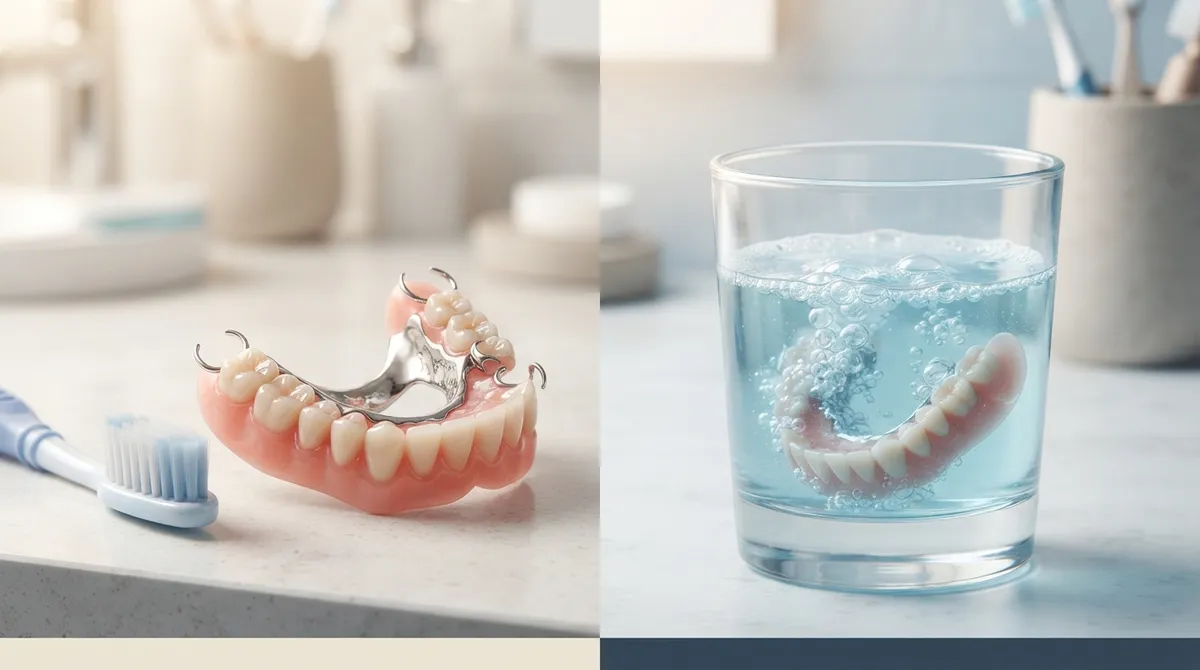
- Daily denture care requires removing them nightly, cleaning with non-abrasive denture cleanser (not toothpaste), and soaking overnight; skipping these steps causes odors, stains, and can damage remaining natural teeth.
- Initial discomfort and adjustment issues like soreness or speech changes are normal and typically fade within 2-4 weeks; eating soft foods and practicing speech help accelerate the adjustment period.
Missing teeth can change your whole day. Eating gets harder. Smiling feels awkward. Talking clearly takes extra effort. If this sounds like you or someone you love, you are not alone. Thousands of people in Ocoee deal with tooth loss every year, and dentures and partials remain one of the most trusted ways to fix it.
At Charming Smiles of Ocoee, we know choosing between full dentures, partial dentures, or other options can feel confusing. That's why we put together this friendly guide. We'll walk through the facts, the costs, and the care tips so you can make a choice that fits your smile and your budget. Let's dig in together.
1. Understanding the Difference Between Dentures and Partials
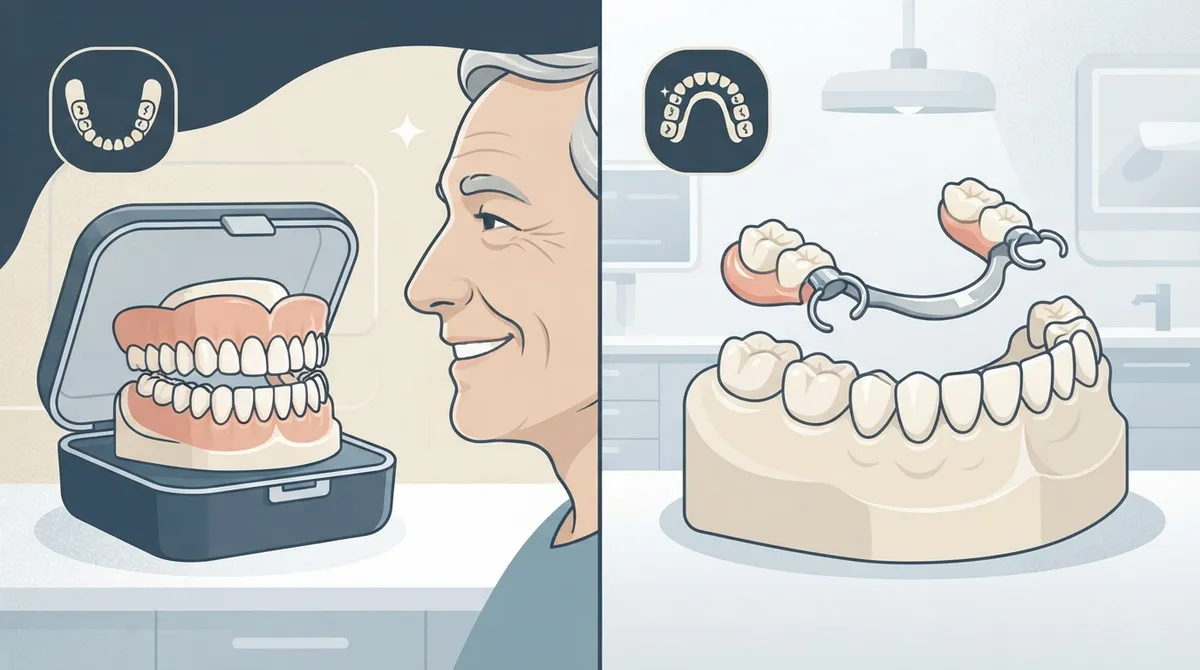
First things first: dentures and partials are not the same thing, even though people often use these words interchangeably. Full dentures replace every tooth in your upper or lower arch. Partial dentures, sometimes called removable partial denture prostheses, only replace some missing teeth while your natural teeth stay in place.
Here's a simple way to remember it: if you have no teeth left in an arch, you need full dentures. If you still have healthy teeth remaining, partials are usually the better fit. A dentist will check your gum health, remaining teeth, and bite before recommending either option. Our team at dentures services can walk you through this evaluation step by step.
Why This Distinction Matters
Getting the wrong type of denture can cause discomfort, poor fit, and wasted money. That's why a thorough exam matters so much. Dr. Aliuska Lopez and her team take time to look at your whole mouth, not just the missing teeth, before suggesting a plan.
2. Types of Partial Dentures You Can Choose From
Not all partials are built the same way. Each type has its own feel, price point, and durability. Here's a quick rundown of your main choices:
- Acrylic (resin) partials: The most affordable option, though sometimes bulkier in the mouth.
- Flexible nylon partials: Lightweight and comfortable, with clasps that blend in better with your gums.
- Cast-metal partials: Thinner and stronger, often the most durable choice for long-term wear.
Each type attaches to your natural teeth using small clasps or connectors. This lets you remove the partial at night for cleaning, which is a big plus for hygiene. If you're not sure which material fits your lifestyle, our general dentistry team can help you compare options during a simple consultation.
3. How Much Do Dentures and Partials Cost in 2026?
Cost is usually the biggest question on everyone's mind. Prices vary depending on the material, the lab work involved, and how many teeth need replacing. Here's a general breakdown based on 2026 pricing data:
| Partial Denture Type | Estimated Cost Per Arch | Best For |
|---|---|---|
| Acrylic/Resin | $300 - $2,700 | Budget-friendly, temporary solutions |
| Flexible Nylon | $900 - $2,500 | Comfort and natural gum blending |
| Cast Metal | $950 - $3,100 | Long-term durability |
National averages from CareCredit and ASQ360° show resin-base partials running around $1,738, while cast-metal partials average closer to $2,229. Implant-supported dentures cost more upfront, often starting around $3,000 for snap-in styles and going well above $15,000 for fixed versions. But they offer stronger retention for people who want extra stability.
Worried about the price tag? Our practice offers insurance & financing options and a dental savings plan to make treatment more manageable. We also accept many major insurance providers, including Delta Dental, Cigna, MetLife, and Aetna, so be sure to ask our front desk team about your specific plan.
4. Steps to Getting Fitted for Dentures or Partials
Getting new dentures is not a one-visit process. Here's what you can expect, step by step:
- Initial consultation: Your dentist examines your mouth, gums, and any remaining teeth.
- Impressions and molds: A mold of your mouth is taken to create a custom fit.
- Bite registration: Your dentist checks how your upper and lower jaws line up.
- Try-in appointment: A trial version lets you and your dentist check the fit and appearance.
- Final placement: Once adjustments are made, your finished denture or partial is placed.
- Follow-up visits: Small tweaks may be needed as your mouth adjusts.
This process usually takes a few weeks from start to finish. Patience pays off here, since a well-fitted denture will feel far more comfortable in the long run. If you'd like to start this journey, you can book online for a consultation with our friendly team.
5. Caring for Your Dentures and Partials the Right Way
Good care keeps your new smile looking great and lasting longer. Follow these simple daily habits:
- Remove dentures at night to let your gums rest.
- Clean them daily with a non-abrasive denture cleanser, not regular toothpaste.
- Rinse dentures after eating to remove food particles.
- Soak partials in water or a cleaning solution overnight.
- Brush your remaining natural teeth and gums gently every day.
- Visit your dentist regularly for checkups and adjustments.
Skipping these steps can lead to bad odors, stains, or even damage to your dentures. According to the National Institute of Dental and Craniofacial Research, proper denture hygiene also protects your remaining natural teeth and gum tissue from infection.
Common Mistakes to Avoid
Many people make small errors that shorten the life of their dentures. Avoid these common mistakes:
- Using hot water to clean dentures, which can warp the material.
- Sleeping with dentures in every night without giving gums a break.
- Trying to adjust or repair dentures at home instead of visiting your dentist.
- Ignoring soreness or looseness, which can signal it's time for a refit.
6. Are Dentures Uncomfortable at First? What to Expect
It's completely normal to feel a little strange during the first few weeks with new dentures or partials. Your mouth needs time to adjust to the new shape and pressure. Some people notice mild soreness, extra saliva, or slight speech changes at first.
The good news? These issues almost always fade within a few weeks. Eating soft foods at first and practicing speaking out loud can help speed up the adjustment. If discomfort continues past a month, it's worth scheduling a follow-up visit. Our team offers gentle, patient-focused care for anyone dealing with dental anxiety, so you never have to feel rushed or judged during this adjustment period.
7. Implant-Supported Dentures: A Stronger Alternative
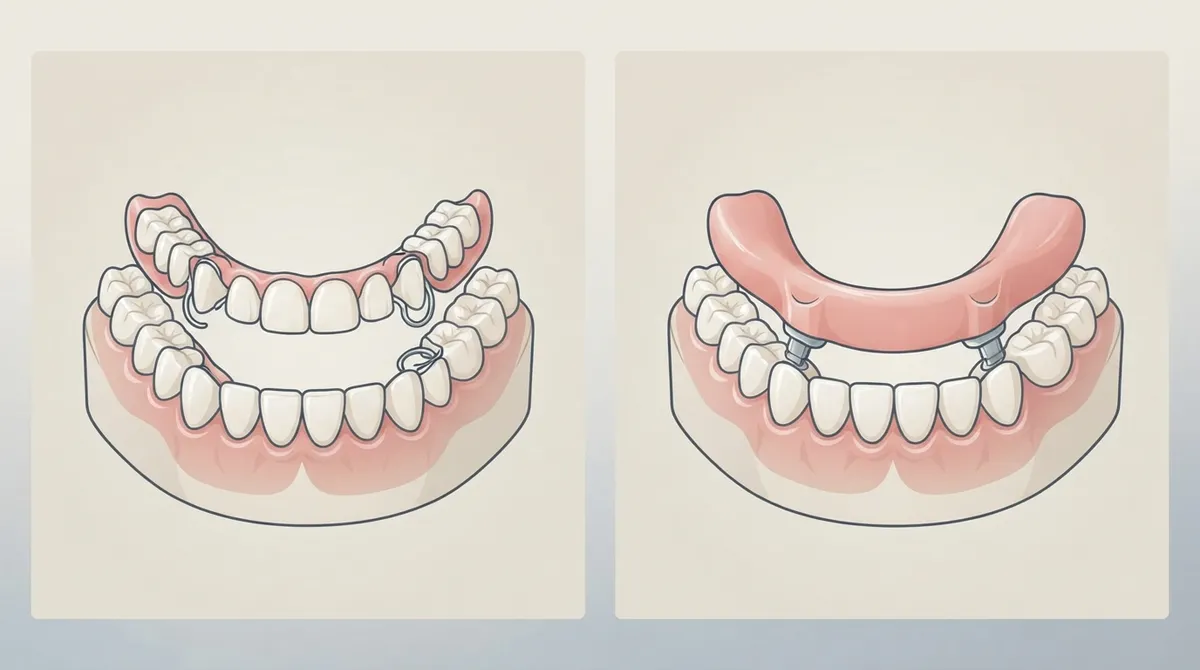
For patients who want extra stability, implant-supported dentures are worth considering. These use small titanium posts placed in the jawbone to anchor the denture securely. This means less shifting while eating or talking, and often a more natural feel overall.
The tradeoff is cost. Implant-supported options run higher than traditional removable dentures, but many patients find the added confidence and comfort worth the investment. If you're curious whether this option fits your needs, our dental implants team offers a free consultation to explore your choices.
Comparing Removable Partials vs. Implant-Supported Options
| Feature | Removable Partials | Implant-Supported Dentures |
|---|---|---|
| Initial Cost | Lower | Higher |
| Stability | Good, but can shift | Excellent, very secure |
| Daily Care | Remove and clean nightly | Brush like natural teeth |
| Bone Health | No bone stimulation | Helps preserve jawbone |
Both options have their place. The right choice depends on your budget, your bone health, and how much stability you want day to day.
Why Ocoee Residents Trust Charming Smiles for Denture Care
Choosing the right dentist matters just as much as choosing the right denture type. Dr. Aliuska Lopez has built a reputation in Ocoee for gentle, precise, and compassionate care. Our spa-like office includes soothing music, cozy blankets, and aromatherapy to help ease any nerves, especially for patients who feel anxious about dental visits.
We proudly serve families throughout Ocoee, conveniently located near Publix, and we welcome patients of every age. Whether you need a simple partial or a full set of implant-supported dentures, our team walks with you through every step. You can also visit us on Google — Charming Smiles of Ocoee to read real reviews from our happy patients.
Curious about other smile-restoring options? Check out our guide on How to Choose the Right Dentures in Ocoee for Your Smile for more tips, or explore our crowns & bridges services if you're weighing other tooth replacement paths.
Ready to Restore Your Smile?
Missing teeth don't have to hold you back from eating, smiling, and living life fully. Whether you need full dentures, a simple partial, or want to explore implant-supported options, our caring team is here to guide you every step of the way. Follow us on our Charming Smiles Facebook page or Charming Smiles Instagram page for smile transformation stories and helpful dental tips.
Don't wait to get the comfortable, confident smile you deserve. Reach out today to learn more about our location or simply call us at (407) 378-3704 to schedule your free consultation. We can't wait to help you smile again.
FAQs
Q: What is the difference between dentures and partials?
A: Full dentures replace every tooth in an arch when none of your natural teeth remain. Partial dentures fill in gaps while your healthy natural teeth stay right where they are. Your dentist will check your mouth to see which option fits your situation best.
Q: How much do partial dentures cost in 2026?
A: Prices usually range from about $300 to $3,100 per arch depending on the material you choose. Acrylic options tend to be the most affordable, while cast-metal partials cost more but often last longer. We're happy to walk you through financing options that fit your budget.
Q: Are dentures uncomfortable at first?
A: A little soreness or awkwardness during the first few weeks is totally normal, so don't worry! Your mouth just needs time to adjust to the new fit. Most discomfort fades within a month, and our team is always here to help with adjustments.
Q: How do you clean and care for partial dentures?
A: Remove your partials every night and clean them with a gentle, non-abrasive denture cleanser (never regular toothpaste). Rinse after meals and soak overnight for the freshest feel. Keep brushing your natural teeth and gums daily too, since that habit really matters.
Q: Are implant-supported dentures better than removable partials?
A: It really depends on your needs and budget. Implant-supported dentures offer more stability and can help protect your jawbone, but they cost more upfront. Removable partials are more affordable and still work wonderfully for many of our Ocoee patients.