7 Crown Material Mistakes That Cost You Your Smile
Learn the 7 dental crown material mistakes to avoid, from strength to cost, and find the right crown for your smile in Ocoee, FL.
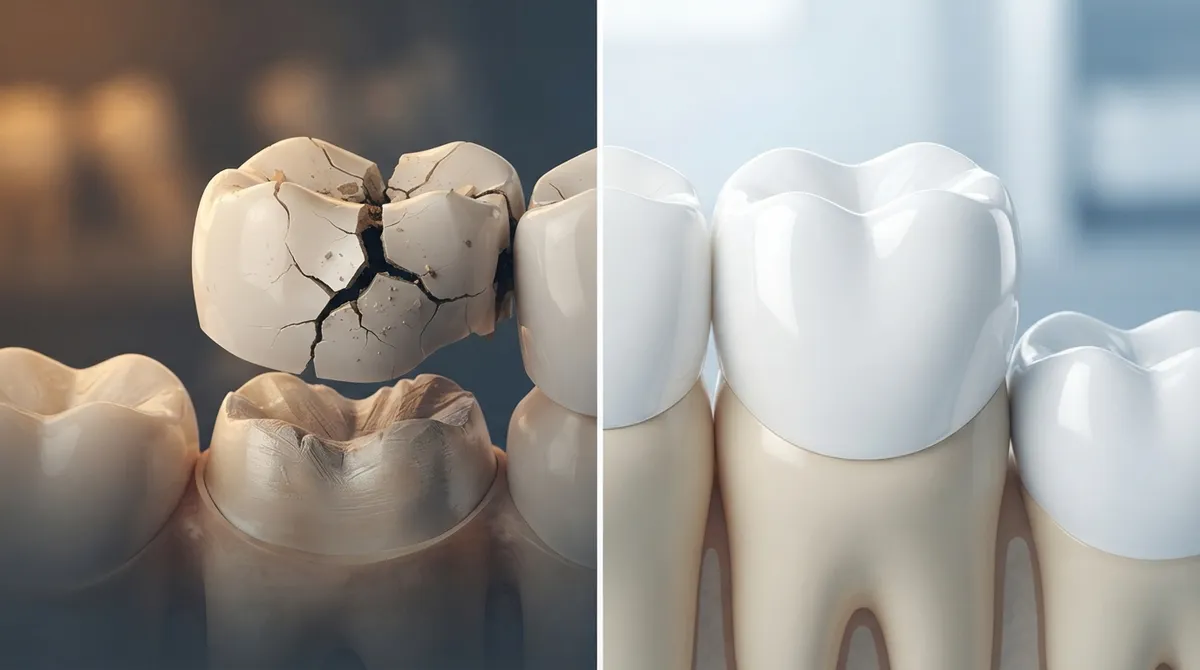
Key Takeaways
- Avoid choosing crown materials based on price alone; upfront cost differences between materials like zirconia and gold can offset long-term durability and failure costs, making stronger materials a better investment over time.
- Match crown material to tooth location: back teeth need strength (zirconia, gold alloys) while front teeth prioritize natural appearance (lithium disilicate, high-translucency zirconia) to handle chewing forces and visibility differently.
- If you grind your teeth, choose monolithic zirconia or gold alloys and wear a night guard; delicate materials like feldspathic porcelain will crack under grinding pressure, making material strength essential for bruxism cases.
- Proper crown fit and dentist skill matter more than material choice alone; a poorly fitted crown traps food and fails despite strong material, so experienced placement and bite adjustment are critical for long-term success.
Picking a dental crown can feel confusing. Gold? Porcelain? Zirconia? It's a lot to take in when your tooth already hurts. Here's the good news: you don't need a dental degree to make a smart choice. You just need to know a few key facts, and avoid a few common mistakes.
At Charming Smiles of Ocoee, Dr. Aliuska Lopez and her team help patients understand their crowns & bridges options every single day. Whether you're a busy parent, a senior facing tooth loss, or someone nervous about dental work, this guide breaks down dental crown materials in plain language. Let's walk through the mistakes people make and how to avoid them.
Mistake 1: Choosing a Crown Based on Price Alone
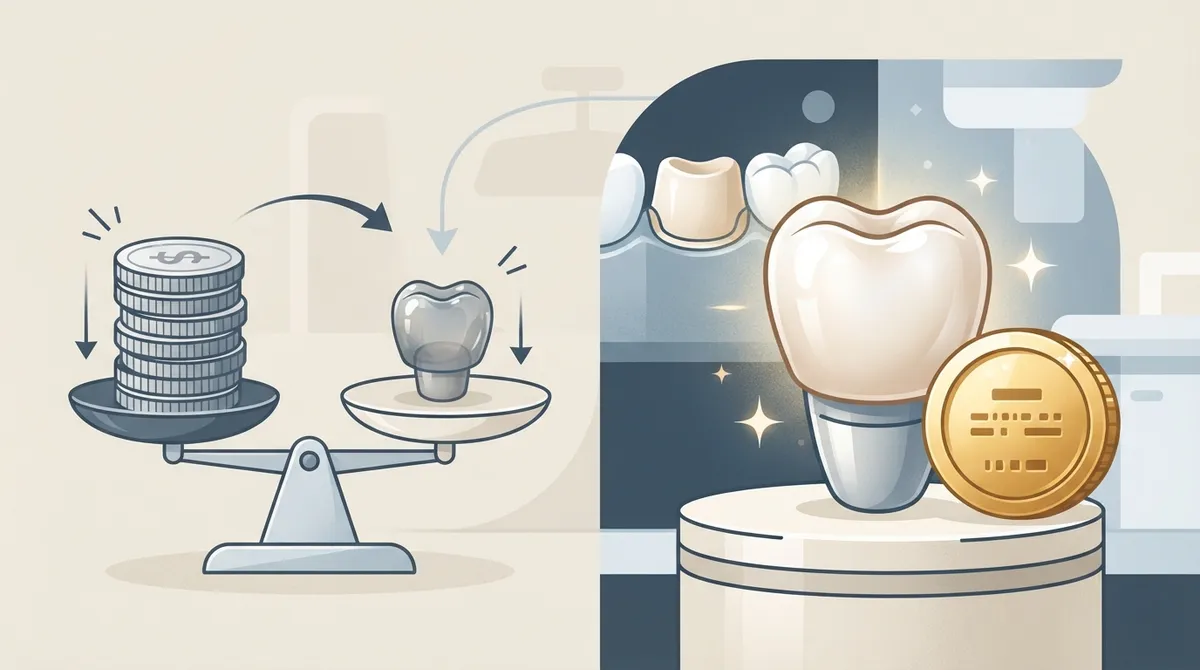
It's tempting to pick the cheapest option. But crowns are an investment in your bite, your comfort, and your smile. A crown that fails early can cost more in the long run.
Material costs vary widely. Gold and metal alloys tend to last a long time. Zirconia and lithium disilicate cost more upfront but often blend strength with a natural look. The right choice depends on your tooth, your bite, and your budget. Our team can walk you through insurance & financing options so cost never has to be the only factor.
Mistake 2: Not Knowing the Main Crown Material Types
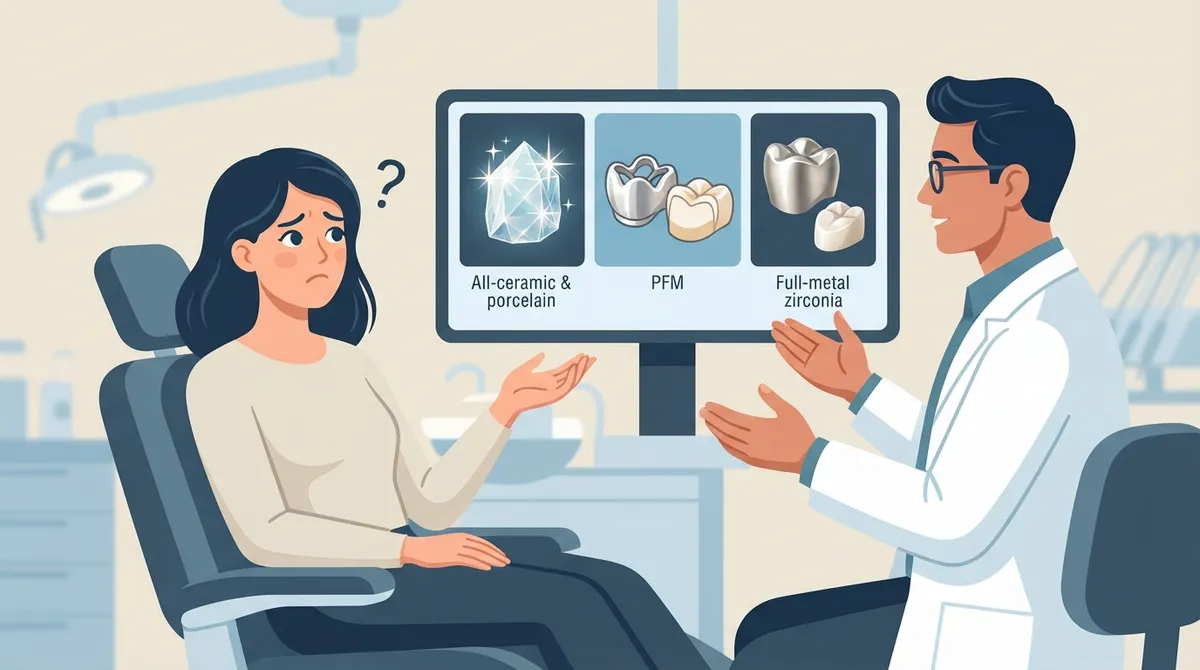
Before you decide, it helps to know your options. The American Dental Association groups crown materials into a few main categories. Here's a simple breakdown:
- Metal alloys (gold, noble metals): Very strong, long-lasting, and gentle on opposing teeth. They stand out because they aren't tooth-colored.
- Porcelain-fused-to-metal (PFM): A metal base covered in tooth-colored porcelain. Strong and natural-looking, though the porcelain can chip over time.
- Zirconia: A super strong ceramic. Great for back teeth or people who grind their teeth. Newer versions look more natural than older ones.
- Lithium disilicate (like e.max): Known for a glass-like, natural translucency. Popular for front teeth and many back teeth too.
- Feldspathic porcelain: Beautiful and lifelike, but more delicate. Often used for veneers rather than heavy-duty crowns.
- Resin-based composite: Usually a temporary or budget-friendly option. Less durable than other materials.
Not sure which fits your smile? A quick chat with a smile expert can clear things up fast.
Mistake 3: Assuming One Material Fits Every Tooth
Your molars work differently than your front teeth. Molars handle heavy chewing forces. Front teeth show when you smile or talk. This means the "best" crown material changes depending on where it goes in your mouth.
Best Materials for Front Teeth
Front teeth need to look natural. Lithium disilicate and high-translucency zirconia are popular picks. They mimic the way light passes through real enamel. Feldspathic porcelain can also work well here, since looks matter more than heavy bite force.
Best Materials for Back Teeth (Molars)
Molars need strength above all else. Zirconia and gold alloys shine here. They can handle years of chewing without cracking. If you grind your teeth at night, your dentist may lean toward a stronger, monolithic zirconia crown for extra durability.
Mistake 4: Ignoring How Long Each Material Actually Lasts
People often assume all crowns last about the same amount of time. That's not quite true. Research shows real differences between materials. Here's a simple table comparing five-year survival rates based on data reviewed by the American Dental Association and a large meta-analysis of clinical studies:
| Crown Material | Approximate 5-Year Survival Rate | Best Used For |
|---|---|---|
| Monolithic Lithium Disilicate | ~98.5% | Front teeth, some back teeth |
| Veneered Zirconia | ~97.3% | Front and back teeth |
| Metal-Ceramic (PFM) | ~97.1% | Front and back teeth |
| Monolithic Zirconia | ~96.8% | Back teeth, heavy bite force |
| Feldspathic/Silica-Based Ceramic | ~90.4% | Front teeth, veneers |
| Resin-Based Composite | ~83.4%–90.6% | Temporary or budget crowns |
Keep in mind these numbers come from pooled studies, not a guarantee for every patient. A 2024 multicenter clinical trial actually found zirconia and lithium disilicate crowns performed similarly over five years, with no major statistical difference. Your results depend on your bite, your habits, and how well the crown is made and fitted.
Mistake 5: Overlooking Teeth Grinding (Bruxism)
If you grind or clench your teeth, this changes everything. Thin, delicate materials like feldspathic porcelain may crack under that pressure. Grinding puts extra stress on any crown, no matter the material.
Here's what helps protect your investment:
- Tell your dentist if you grind your teeth, even if you're not sure.
- Ask about a night guard to reduce pressure while you sleep.
- Consider a stronger material like monolithic zirconia or gold for grinding-prone teeth.
- Schedule regular checkups so small issues get caught early.
Our team frequently helps patients with bruxism choose crowns built to handle extra force. It's one of the most important conversations to have before treatment begins.
Mistake 6: Forgetting That Fit and Skill Matter More Than Material
Even the strongest material can fail if it isn't placed correctly. A crown that doesn't fit well can trap food, irritate your gums, or come loose. This is why choosing an experienced dentist matters just as much as choosing a material.
Dr. Aliuska Lopez and her team take extra care with tooth preparation, bite adjustment, and cementation. These steps protect your crown long after you leave the chair. It's part of why so many patients trust our general dentistry services for lasting results.
Mistake 7: Not Asking About Comfort and Anxiety Support
Getting a crown can feel stressful, especially if you're nervous about dental visits. Some patients put off needed care simply because they dread the appointment. That's a mistake that can lead to bigger problems down the road.
At Charming Smiles of Ocoee, we've built a spa-like space with soothing music, cozy blankets, and gentle care for anxious patients. You don't have to grit your teeth through treatment. We want every visit, crown or otherwise, to feel calm and comfortable.
What Happens During a Crown Appointment
Understanding the process can ease your nerves. Here's a simple step-by-step overview:
- Your dentist examines the tooth and discusses material options with you.
- The tooth is gently prepared and shaped to hold the crown.
- An impression or digital scan is taken to design your custom crown.
- A temporary crown protects your tooth while the permanent one is made.
- Once ready, your permanent crown is checked for fit, comfort, and bite alignment.
- The crown is cemented in place, and your smile is complete.
Many patients are surprised how smooth this process feels with the right dental team guiding them.
Quick Comparison: Strength vs. Natural Look
Choosing a crown often comes down to balancing two things: strength and appearance. This table makes the trade-off easier to picture.
| Priority | Top Material Choices | Why |
|---|---|---|
| Maximum Strength | Gold, Monolithic Zirconia | Handles heavy chewing and grinding well |
| Most Natural Appearance | Lithium Disilicate, Feldspathic Porcelain | Mimics natural tooth translucency |
| Balanced Option | Porcelain-Fused-to-Metal, Veneered Zirconia | Combines decent strength with a tooth-colored look |
There's no single "best" material for everyone. The right pick depends on your smile goals, your bite, and your budget.
Why Ocoee Families Trust Charming Smiles for Crown Care
Choosing a crown material is a personal decision, and it deserves personal attention. Dr. Aliuska Lopez has built a reputation across Ocoee, FL for combining skilled, precise care with a genuinely warm bedside manner. Patients often mention how comfortable they felt, even during more involved procedures like crown placement.
You can visit us on Google — Charming Smiles of Ocoee to see what real patients say about their experience. We're also active on the Charming Smiles Facebook page and Charming Smiles Instagram page, where you can see smile transformations and get a feel for our friendly team before your visit.
If you're weighing crown options, exploring cosmetic dentistry alongside restorative work, or simply need a checkup, our doors are open near Publix in Ocoee. For general reference on dental materials, the American Dental Association and resources from the National Institute of Dental and Craniofacial Research offer helpful background too.
Your Next Step Toward a Stronger, Healthier Smile
Dental crown materials don't have to be confusing. Now you know the main types, what makes each one shine, and the mistakes to avoid along the way. The right crown protects your tooth for years and gives you a smile you feel good about.
Ready to talk crowns with a team that puts your comfort first? You can book online anytime, or reach out and call us at (407) 378-3704 to schedule your visit. We'll walk you through every option, answer your questions, and help you choose the crown material that's right for your smile and your life.
FAQs
Q: What is the best material for a dental crown?
A: Honestly, there's no single best material for everyone. It depends on where the tooth is, how hard you bite, and how natural you want it to look. Zirconia and lithium disilicate are popular picks, but your dentist can help you find the perfect fit for your smile.
Q: Are zirconia crowns better than porcelain-fused-to-metal crowns?
A: They're both great, just different! Zirconia tends to be very strong and holds up well for back teeth, while PFM crowns have decades of proven success. Studies show similar five-year survival rates for both, so it really comes down to your specific needs.
Q: Is lithium disilicate stronger than zirconia?
A: Zirconia is generally stronger and more fracture-resistant than lithium disilicate. However, lithium disilicate often wins for natural, tooth-like translucency, which is why it's a favorite for front teeth and smile-line restorations.
Q: Which crown material is best for front teeth?
A: Lithium disilicate and high-translucency zirconia are usually top choices for front teeth. They mimic the way light passes through natural enamel, giving you a smile that looks completely genuine.
Q: Can people with teeth grinding or bruxism get ceramic crowns?
A: Yes, many people with bruxism can still get ceramic crowns, especially strong options like monolithic zirconia. Your dentist may also recommend a night guard to protect your new crown and keep it lasting as long as possible.