7 Cosmetic Dental Bonding Mistakes That Ruin Your Smile
Avoid these 7 cosmetic dental bonding mistakes that ruin smiles. Learn what to do instead for beautiful, long-lasting bonding results in Ocoee, FL.
Key Takeaways
- Whiten teeth first, then apply bonding—composite resin doesn't respond to whitening treatments, so bonding applied before whitening will appear darker than your naturally whitened teeth.
- Schedule a professional cleaning before bonding to ensure the composite resin adheres properly to a clean tooth surface, preventing early peeling or lifting at the edges.
- Choose an experienced cosmetic dentist with before-and-after photos and positive reviews, as bonding results depend heavily on the dentist's skill, artistic eye, and attention to detail.
- Follow strict aftercare habits including avoiding nail biting, hard foods, staining beverages, and wearing a night guard if you grind teeth to extend bonding lifespan from 3-10 years.
- Determine if bonding or veneers suit your needs through a proper consultation—bonding works for minor repairs while veneers are better for significant discoloration or dramatic smile transformations.
- Explore financing options like CareCredit or dental savings plans to overcome budget concerns, as bonding is already the most affordable cosmetic treatment available.
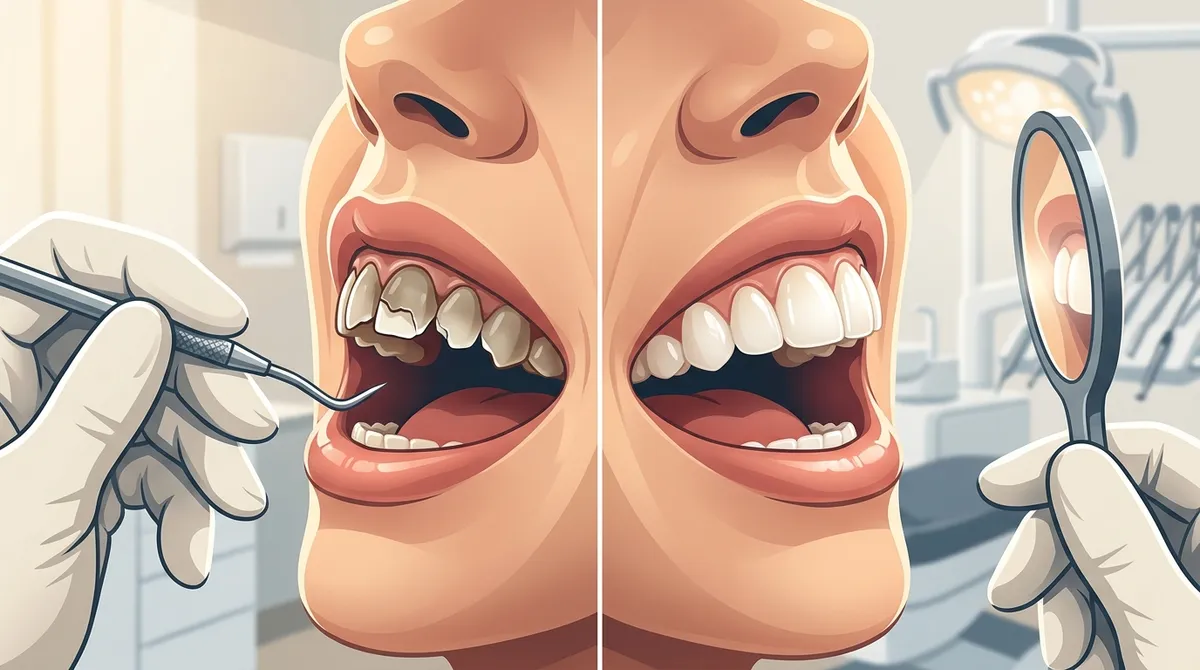
You want a better smile. You've heard that cosmetic dental bonding is quick, affordable, and easy. But here's the truth — many patients make simple mistakes that hurt their results. These mistakes can shorten the life of their bonding, cause chips, or leave them unhappy with how their smile looks.
The good news? Every single mistake on this list is 100% avoidable. Whether you have a chipped tooth, a small gap, or stubborn staining, dental bonding can work beautifully when done right. This guide will walk you through the most common errors patients make — and how to get the best possible outcome instead.
What Is Cosmetic Dental Bonding?
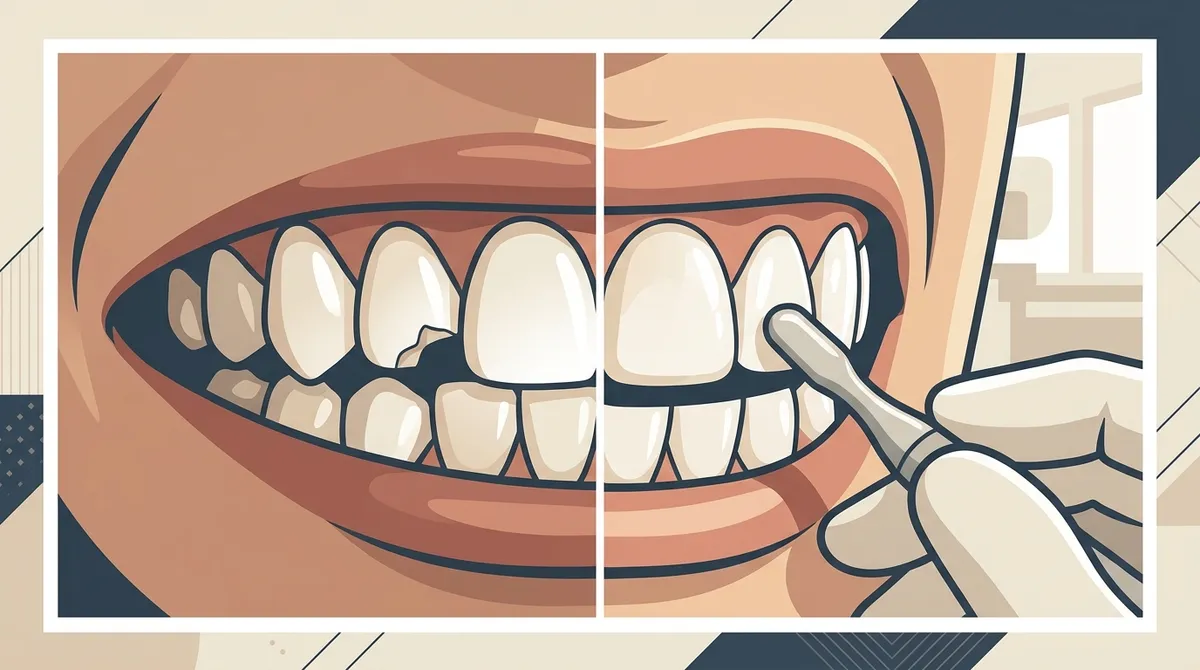
Cosmetic dental bonding is a simple, painless dental procedure. Your dentist applies a tooth-colored composite resin directly to your tooth. The resin is soft and moldable at first. Your dentist shapes it to match your natural tooth perfectly. Then a UV curing light hardens it in seconds. Finally, the dentist polishes it to blend seamlessly with your surrounding teeth.
The whole process takes just 30 to 60 minutes per tooth. Most patients complete their treatment in a single appointment with no recovery time needed. It's one of the most convenient treatments in all of cosmetic dentistry.
What Can Dental Bonding Fix?
Cosmetic dental bonding is incredibly versatile. Here's a quick look at what it can address:
- Chipped or cracked teeth
- Stained or discolored teeth that don't respond to whitening
- Small gaps between teeth
- Slightly uneven or misshapen teeth
- Short teeth that look too small
- Minor surface irregularities
It uses the same biocompatible composite resin material found in tooth-colored dental fillings. This material is strong, durable, and safe for everyday use.
Mistake 1: Choosing Bonding When You Need Veneers Instead
Dental bonding is great for minor cosmetic issues. But it's not the right choice for every situation. Some patients push for bonding when their smile needs a more involved solution.
If you have significant discoloration, multiple damaged teeth, or want a dramatic transformation, porcelain veneers may be a better fit. Veneers cover the entire front surface of the tooth. They resist staining better and last longer than bonding material.
Always talk to your dentist about which option fits your goals. The right treatment makes all the difference.
Mistake 2: Skipping the Consultation
Some patients see bonding advertised as a quick fix and book without a proper consultation. This is a big mistake. A thorough consultation helps your dentist assess your oral health, check for underlying issues, and plan your treatment correctly.
At Charming Smiles of Ocoee, Dr. Aliuska Lopez offers a complimentary cosmetic consultation. She reviews your smile, discusses your goals, and recommends the best treatment path for you. You can even book online to get started today.
Skipping this step often leads to mismatched color, poor shaping, or bonding placed over untreated decay. None of those outcomes are good.
Mistake 3: Not Getting a Professional Teeth Cleaning First
Dental bonding adheres best to a clean, healthy tooth surface. If you have plaque, tartar, or surface stains on your teeth, the resin won't bond as strongly. This leads to early peeling or lifting at the edges.
Always schedule a professional cleaning before your bonding appointment. This gives the composite resin the cleanest possible surface to grip. Your results will look better and last much longer. Learn more about getting a teeth cleaning in Ocoee before your cosmetic treatment.
Mistake 4: Whitening Your Teeth After Bonding
This mistake catches a lot of people off guard. Composite resin does not respond to teeth whitening treatments. If you whiten your teeth after bonding, your natural teeth will get brighter — but the bonded areas will stay the same shade.
The result? Your bonding will look darker than the rest of your teeth. It becomes very noticeable and defeats the whole purpose of the treatment.
Here's the correct order of steps:
- Whiten your natural teeth first to your desired shade.
- Wait for the whitening results to stabilize (about two weeks).
- Have your bonding applied to match the newly whitened shade.
Ask your dentist about professional teeth whitening services before your bonding appointment. Getting this sequence right ensures a seamless, natural-looking smile.
Mistake 5: Ignoring Aftercare Instructions
Cosmetic dental bonding is durable, but it's not indestructible. With proper care, it can last anywhere from 3 to 10 years. Without proper care, it can chip or stain much sooner.
Here are the most important aftercare habits to protect your bonding:
- Avoid biting nails, chewing on pens, or gnawing on ice
- Don't use your bonded teeth to open packages or bottles
- Limit coffee, tea, red wine, and dark berries — especially in the first 48 hours
- Brush gently with a soft-bristled toothbrush
- Floss daily to keep gum tissue healthy around bonded teeth
- Wear a night guard if you grind your teeth while sleeping
Patients who follow these habits consistently get the best longevity from their bonding. For more tips, check out our guide on building a dental hygiene routine that protects your smile.
Bonding vs. Veneers: A Quick Comparison
Not sure which treatment is right for you? Here's a simple comparison to help you decide:
| Feature | Cosmetic Dental Bonding | Porcelain Veneers |
|---|---|---|
| Cost | More affordable | Higher investment |
| Visits needed | Single appointment | Multiple visits |
| Lifespan | 3–10 years | 10–20 years |
| Enamel removal | None required | Minimal enamel prep |
| Stain resistance | Moderate | High |
| Reversibility | 100% reversible | Permanent |
| Best for | Minor repairs and touch-ups | Full smile transformations |
One of the biggest advantages of dental bonding is that it's completely reversible. It does not require the removal of any natural tooth enamel, making it one of the most non-invasive treatments available. If you ever decide to upgrade to veneers later, you can do so without any regrets.
Mistake 6: Choosing the Wrong Dentist
Dental bonding sounds simple. But the results depend heavily on the skill and artistic eye of your dentist. Shaping composite resin to look natural requires training, experience, and attention to detail.
A poorly trained or rushed dentist can leave you with bonding that looks bulky, uneven, or obviously fake. The color might not match. The shape might look off. You deserve better than that.
When choosing a dentist for bonding, look for:
- Before-and-after photos of real patient results
- Positive reviews mentioning cosmetic work specifically
- A dentist who takes time to understand your smile goals
- A comfortable, welcoming office environment
You can check out real patient feedback by visiting Charming Smiles of Ocoee on Google to see what our patients have to say. We're also active on our Charming Smiles Facebook page and Charming Smiles Instagram page where we share smile transformations regularly.
For more tips on evaluating cosmetic dental providers, read our guide on 7 Ways to Find the Perfect Cosmetic Dentist Near You in 2026.
Mistake 7: Not Asking About Financing Options
Cosmetic dental bonding is already one of the most affordable cosmetic treatments available. It costs only a fraction of what veneers or crowns cost. Still, some patients delay treatment because they're worried about cost.
Don't let budget concerns stop you from getting the smile you deserve. There are flexible options available to help. Charming Smiles of Ocoee offers several payment plans and works with financing partners like CareCredit, Alphaeon Credit, and Cherry Financing. You can also explore our dental savings plan for ongoing care at a discounted rate.
If you're a new patient, check out our current specials — we offer a free cosmetic consultation plus free professional teeth whitening when you book a cosmetic treatment. That's real value that makes your bonding investment go even further.
Is Cosmetic Dental Bonding Right for You?
Cosmetic dental bonding is an excellent option for a wide range of patients. Here's a quick checklist to help you decide:
- You have one or more chipped, cracked, or slightly misshapen teeth
- You want a fast result without multiple appointments
- You're looking for an affordable cosmetic option
- You want a reversible treatment that preserves your natural enamel
- You have a small gap between your front teeth you'd like to close
If you checked even one of those boxes, bonding could be a great fit. It's also a popular option for patients who want to improve their smile before a big event like a wedding, reunion, or job interview.
For patients with more complex needs — like missing teeth, significant misalignment, or advanced decay — our team can discuss options like dental implants, Invisalign, or crowns and bridges as part of a full smile plan. Learn more about our complete dental services to explore all your options.
How Long Does Dental Bonding Last?
With proper care, cosmetic dental bonding typically lasts between 3 and 10 years. The lifespan depends on several factors:
- Where the bonded tooth is located (front teeth with light biting force last longer)
- Your daily habits (avoiding hard foods and nail biting helps a lot)
- How consistent you are with dental check-ups and cleanings
When your bonding starts to show wear, your dentist can easily touch it up or replace it. It's one of the most low-maintenance cosmetic treatments available. See how cosmetic dental repair in Ocoee can refresh your smile when needed.
Ready to Fix Your Smile the Right Way?
Cosmetic dental bonding is one of the fastest, most affordable ways to improve your smile. But only when it's done correctly. Avoid the mistakes in this guide and you'll enjoy beautiful, natural-looking results for years to come.
At Charming Smiles of Ocoee, Dr. Aliuska Lopez and her team are passionate about helping every patient feel confident in their smile. Our spa-like office on West Road in Ocoee is designed to make you feel relaxed and welcome from the moment you walk in. We treat patients of all ages and offer everything from quick bonding touch-ups to full smile makeovers.
Ready to take the next step? Call us at (407) 378-3704 to schedule your free cosmetic consultation. Or stop by and see us at our location — we'd love to help you get the smile you've always wanted.
FAQs
Q: How long does cosmetic dental bonding last?
A: With good care, cosmetic dental bonding typically lasts between 3 and 10 years. Your results will last longer if you avoid hard foods, nail biting, and keep up with regular dental check-ups. When bonding shows wear, your dentist can easily touch it up or replace it!
Q: Is dental bonding painful?
A: Not at all — most patients find dental bonding completely comfortable and painless. No drilling or anesthesia is usually needed. The whole process is quick and gentle, which makes it a great option even for patients who feel nervous about dental visits.
Q: Can dental bonding fix gaps between teeth?
A: Yes! Closing small gaps between teeth is one of the most popular uses for cosmetic dental bonding. Your dentist adds a small amount of composite resin to the sides of the teeth to close the space naturally. It's a fast, affordable fix that looks completely seamless.
Q: Is cosmetic dental bonding reversible?
A: Yes, dental bonding is 100% reversible! Unlike veneers or crowns, bonding does not require any removal of your natural tooth enamel. If you ever want to try a different treatment later, you can do so without any permanent changes to your teeth.
Q: How does dental bonding compare to veneers in cost?
A: Dental bonding is significantly more affordable than veneers — typically a fraction of the cost. It's a great entry point into cosmetic dentistry for patients who want visible improvements without a large investment. Ask your dentist about current specials and financing options to make it even more budget-friendly!
Our Service Area
iframe src="https://maps.google.com/maps?q=Ocoee%2C%20FL&z=11&output=embed" width="100%" height="450" style="border:0;" loading="lazy" referrerpolicy="no-referrer-when-downgrade" title="Our Service Area">/iframe>