6 Things That Decide How Long Implant Dentures Last
Wondering how long implant dentures last? Learn what affects the implants, attachments, and denture, plus easy tips to help yours go the distance.
Key Takeaways
- Implant dentures have no single guaranteed lifespan: the implants, attachments, and denture base each age differently and need care on their own timelines.
- A 2022 review reported five-year survival of about 95% to 100% for implant-retained lower overdentures, though survival means the prosthesis stayed in use, not that no repairs were needed.
- Attachment clips and inserts wear from daily snapping in and out, so a loosening clip is usually a quick, routine fix rather than a sign of implant failure.
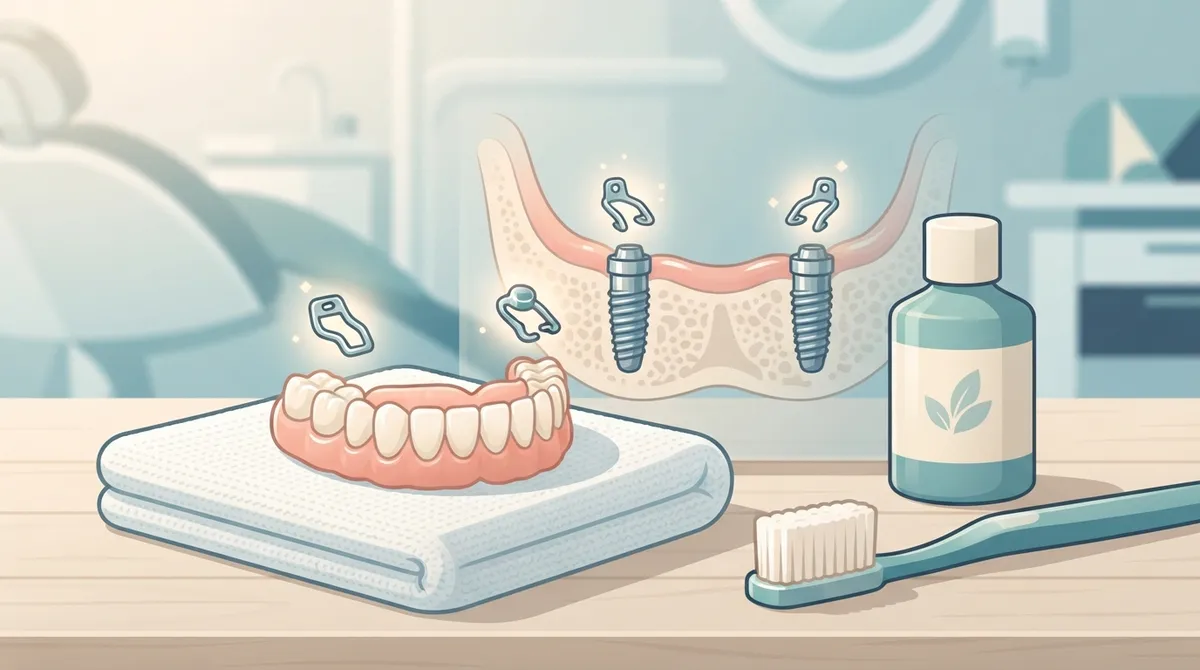
- Clean the denture daily with a soft brush and denture cleanser, brush gums and around implants, handle it over a folded towel, and ask about a night guard if you grind your teeth.
- Smoking, poorly controlled diabetes, gum disease, and heavy bite forces can all shorten how long implant dentures last, so managing these factors protects your investment.
- Keep regular checkups so your dentist can test attachment wear, check denture fit, and catch small problems early, and call sooner if the denture becomes loose, sore, or cracked.
If you have been thinking about implant dentures, one question probably tops your list: how long do implant dentures last? It is a smart question. These restorations are an investment in your comfort, your confidence, and your ability to enjoy a good meal again.
Here is the honest answer. There is no single guaranteed number. Implant dentures are usually removable overdentures that click onto dental implants. That means you have more than one part to think about: the implants, the small attachments that hold the denture in place, and the denture itself. Each part ages at its own pace.
The good news is encouraging. A 2022 review of implant prosthesis failures reported five-year survival rates of about 95% to 100% for implant-retained overdentures. Survival simply means the prosthesis stayed in use. It does not mean zero repairs. In this guide, we will walk through six things that shape how long your implant dentures last, and how you can help them go the distance. Whether you are a busy parent, an active senior, or someone who gets nervous at the dentist, you will find simple, friendly answers here.
1. Which Part of the Implant Denture Are We Talking About?
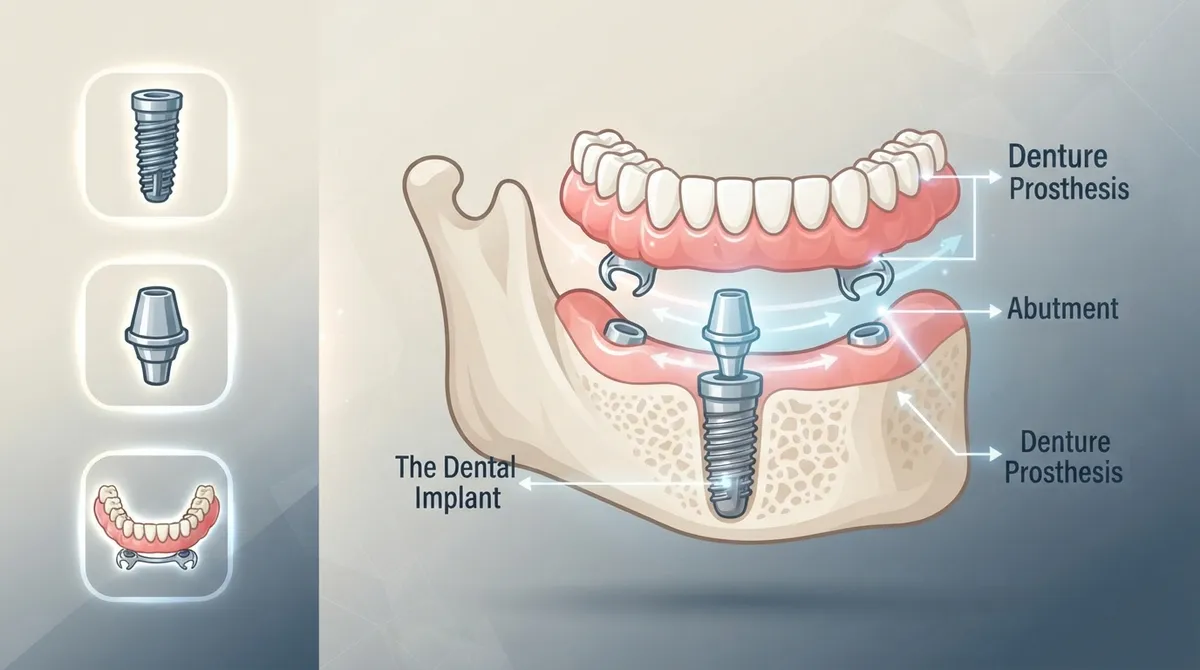
When people ask how long implant dentures last, they often picture one single piece. In real life, an implant denture has three working parts, and each has its own timeline.
- The implants: These are small posts placed in your jawbone. They can function for many years when the gums and bone stay healthy.
- The attachments: These are clips, inserts, or housings that snap the denture onto the implants. They wear down with daily use.
- The denture: This is the part that holds your artificial teeth. The base and the teeth can wear, chip, or crack over time.
Think of it like a car. The engine may run for a very long time, but you still change the tires and brake pads along the way. Replacing a worn clip does not mean your implants failed. It is just normal care.
| Part | What It Does | Typical Care Need |
|---|---|---|
| Implants | Anchor the denture in the jawbone | Regular checkups and gum care |
| Attachments | Snap the denture in place | Adjustment or replacement as they wear |
| Denture base and teeth | Replace your missing teeth | Repair, relining, or replacement over time |
2. How Long the Implants Themselves Can Last
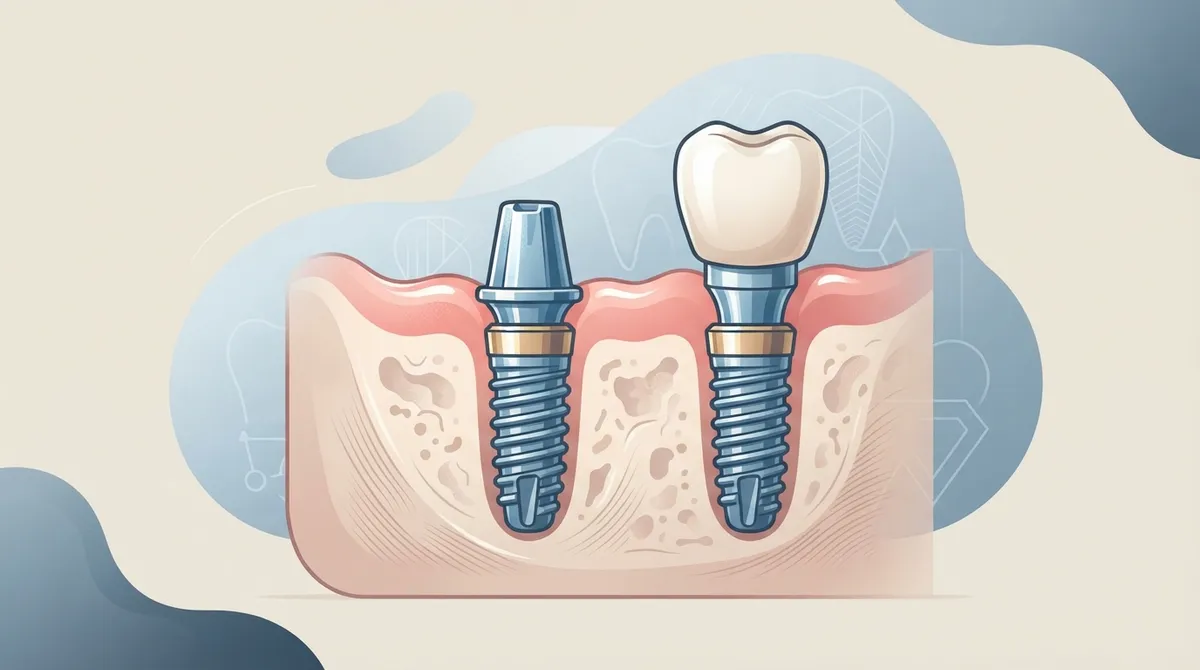
The implants are the foundation, and they are often the longest-lasting part. Research gives us helpful numbers, though no one can promise an exact outcome for your mouth.
A 2022 systematic review of mandibular implant overdentures found implant survival rates of 95% to 100% in studies of two-implant and four-implant groups. Studies of one-implant and two-implant groups showed a wider range, from about 81.8% to 96.1%. These are ranges across selected studies, not a personal guarantee.
Another review cited a five-year study synthesis reporting overdenture survival of 78% to 87% for upper (maxillary) overdentures and 100% for lower (mandibular) overdentures. Results vary by jaw, by study, and by how survival is defined.
What does that tell you? Lower implant dentures tend to do very well in the research. Upper ones can be a bit more variable, which is why a careful exam matters. If you are curious about the foundation itself, our guide on dental implants explains how they work in plain language.
3. Why the Denture and Attachments Often Need Attention First
Here is something many patients do not expect. The implants can stay strong while the denture or its attachments need a little help. A 2022 review noted that maintenance and repairs are common even when survival is high. Reviews also point to attachment-system care as one of the most frequent aftercare needs.
Why does this happen? A few simple reasons:
- Clips and inserts wear down. Every time you snap your denture in and out, tiny parts rub together. Over time, the denture can feel looser.
- Your jaw and gums change. Bone and gum tissue shift slowly after tooth loss. The fit of your denture can change with them, which may call for a reline.
- Denture teeth and bases wear. Chewing forces can wear down the teeth or even crack the base. One review reported repairs for fractured denture bases and for loose or detached clips.
None of this is a cause for alarm. A loose clip is usually a quick chairside fix. The key is to speak up early. If your denture feels wobbly, sore, or different, do not wait it out. A small adjustment now can prevent a bigger repair later. If you ever crack or break something unexpectedly, our team handles emergency dentistry so you are not left in pain.
4. Daily Habits That Help Your Implant Dentures Last Longer
Good news: a lot of your denture's lifespan is in your own hands. Simple daily habits protect both the implants and the prosthesis. And you do not need a complicated routine.
- Clean your denture every day. Use a soft brush and a cleanser made for dentures. Regular toothpaste can be too scratchy.
- Brush your gums and around the implants. Healthy gums hold implants steady. Plaque around implants can lead to gum problems.
- Remove the denture at night if your dentist advises it. This gives your gums a rest and helps keep tissues healthy.
- Handle it gently. Dentures can crack if dropped. Clean them over a folded towel or a sink of water.
- Protect against grinding. If you clench or grind your teeth, ask about a night guard. Heavy bite forces can wear parts faster.
These small steps add up. They are the same habits we teach to families and seniors alike. For more ideas, you may enjoy our post on 11 Denture Care Mistakes Ocoee Patients Must Avoid.
5. Health Factors That Can Shape Your Results
Your general health and lifestyle also play a role. Research and clinical experience point to several factors that can affect how long implant dentures last:
- Oral hygiene: Clean implants and gums tend to do better over the long haul.
- Smoking: Tobacco can slow healing and raise the risk of gum trouble around implants.
- Medical conditions: Some conditions, such as poorly controlled diabetes, can affect healing and gum health.
- Bone and gum health: Strong bone gives implants a better anchor. Gum disease can threaten them.
- Bite forces and grinding: Heavy chewing pressure can wear attachments and crack denture bases.
- Denture design and materials: A well-planned design that fits your bite can make a real difference.
- Follow-up visits: Patients who keep their appointments catch small issues early.
If gum health is a worry for you, you are not alone. Many older adults deal with it. Our article on dental care for seniors in Ocoee covers gentle, modern ways to protect your mouth as you age.
6. Regular Checkups: The Secret Ingredient
If there is one habit that protects your investment the most, it is showing up for your checkups. During a visit, your dentist can check the health of the gums around your implants, look at how well your denture fits, test the attachments for wear, and clean areas that are hard to reach at home.
Your dentist will set a recall schedule that fits you. Some patients come every six months. Others need visits more often. Follow your own schedule, and call us sooner if the denture becomes loose, painful, or damaged.
At Charming Smiles of Ocoee, Dr. Aliuska Lopez and our team focus on gentle, personal care in a calm, spa-like setting. If dental visits make you nervous, we get it. Soothing music, blankets, and a caring team help many anxious patients feel at ease. You can learn more about us and what makes our practice different. See what neighbors say by visiting our Charming Smiles of Ocoee reviews on Google.
Implant Dentures vs. Traditional Dentures: A Quick Look
Many patients ask whether implant dentures last longer than regular ones. Research supports a clear benefit for stability and comfort. A traditional denture rests on your gums, so it can shift as your jaw changes. An implant denture clicks onto implants, so it stays more secure.
That said, we cannot give a firm number of years for either type. What we can say is that the implants add a solid foundation that regular dentures simply do not have. If you want to compare options, our page on dentures is a helpful place to start.
| Feature | Traditional Dentures | Implant Dentures |
|---|---|---|
| Stability | Rest on gums, may shift | Snap onto implants, more secure |
| Bone support | No stimulation of the jawbone | Implants help support the jawbone |
| Maintenance | Relines and replacements over time | Attachment care plus occasional relines |
| Chewing comfort | Can feel limited | Often feels stronger and more natural |
Paying for Care Without the Stress
Cost can feel like a big worry, and we want you to feel comfortable asking. We accept many major insurance plans, and we offer flexible financing so you can spread payments over time. Take a look at our insurance and financing options and our dental savings plan. We also offer a free dental implant consultation, so you can learn what is right for you with no pressure.
Ready to Protect Your Smile for the Long Run?
So, how long do implant dentures last? The honest answer is that it depends. The implants can serve you for many years. The denture and attachments may need repair, relining, or replacement along the way. With good daily care, healthy habits, and regular visits, you give your implant dentures the best chance to last.
Every mouth is different, and only a dentist can estimate your personal outlook after an exam. Dr. Lopez and our team would love to take a look and talk through your options in a friendly, judgment-free way. Ready to get started? Call us at (407) 378-3704, or book online today. You can also find our location at 315 West Rd, Ocoee, FL 34761. Follow along on the Charming Smiles Facebook page for tips and updates. We cannot wait to meet you!
FAQs
Q: How long do implant-supported dentures usually last?
A: There is no single guaranteed number. The implants can work for many years, while the denture and attachments may need adjusting, relining, or replacing sooner. A dentist can give you a better outlook after examining your mouth.
Q: Do implant dentures last longer than regular dentures?
A: Implant dentures offer more stability because they snap onto implants instead of resting only on your gums. That extra support often means a more secure fit over time. Both types still need regular care and occasional repairs.
Q: How often do implant denture attachments need to be replaced?
A: It varies from person to person. Clips and inserts wear with daily use, so they are one of the most common parts to need attention. Your dentist will check them at your regular visits and swap them out when they loosen.
Q: When does an implant denture need relining or replacement?
A: Your jaw and gums change slowly over time, so the fit of your denture can change too. If it feels loose, sore, or starts to crack, it is time for a visit. Your dentist can tell you whether a reline, repair, or new denture is the best fix.
Q: How can I help my implant dentures last longer?
A: Clean your denture and gums every day, handle it gently, and keep up with your checkups. If you grind your teeth, ask about a night guard. Small, steady habits make a big difference.