6 Signs You Need Crown Replacement Service Now
Discover six clear signs you need crown replacement service, what the process involves, and how Charming Smiles of Ocoee makes it stress-free.
Key Takeaways
- Catch crown problems early by watching for looseness, cracks, sensitivity, or gum changes—early detection makes treatment simpler, faster, and more affordable.
- Dental crowns typically last 5-15 years; during replacement, your dentist must verify the underlying tooth is healthy enough to support a new crown using X-rays and visual exams.
- Crown replacement costs range from $800-$2,500 depending on material and underlying damage; most dental insurance covers 40-50% after deductible, and payment plans are available.
- The standard replacement process takes 2-3 visits: exam, old crown removal, new impressions, temporary crown placement, and final fitting—though same-day technology can complete it in one visit.
- Never attempt DIY repairs if your crown falls out; keep it safe, avoid chewing that side, and contact your dentist immediately to prevent infection or decay.
- Maintain your replacement crown by brushing twice daily, flossing gently around edges, avoiding hard foods, wearing a night guard if you grind teeth, and scheduling regular checkups.
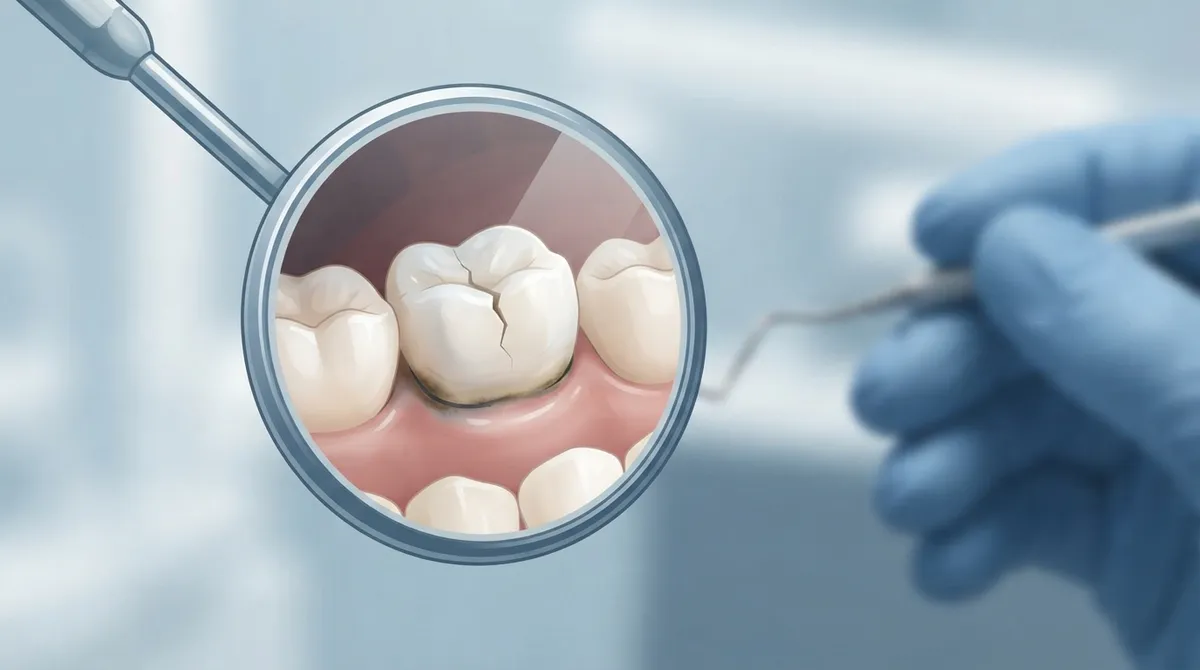
Your dental crown has done its job for years, but lately something feels off. Maybe it wiggles a little when you chew. Maybe there's a dull ache near your gum line that wasn't there before. If any of this sounds familiar, you might need a crown replacement service, and you're definitely not alone. Crowns don't last forever, and knowing when to act can save your tooth from bigger problems down the road.
At Charming Smiles of Ocoee, we see patients every week who put off crown concerns because they're not sure if it's a real problem or just normal wear. The truth is, catching these signs early makes treatment simpler, faster, and often more affordable. In this guide, we'll walk through six clear signs your crown may need replacing, what the process actually looks like, and how to keep your new crown lasting as long as possible.
What Is a Crown Replacement Service, Exactly?
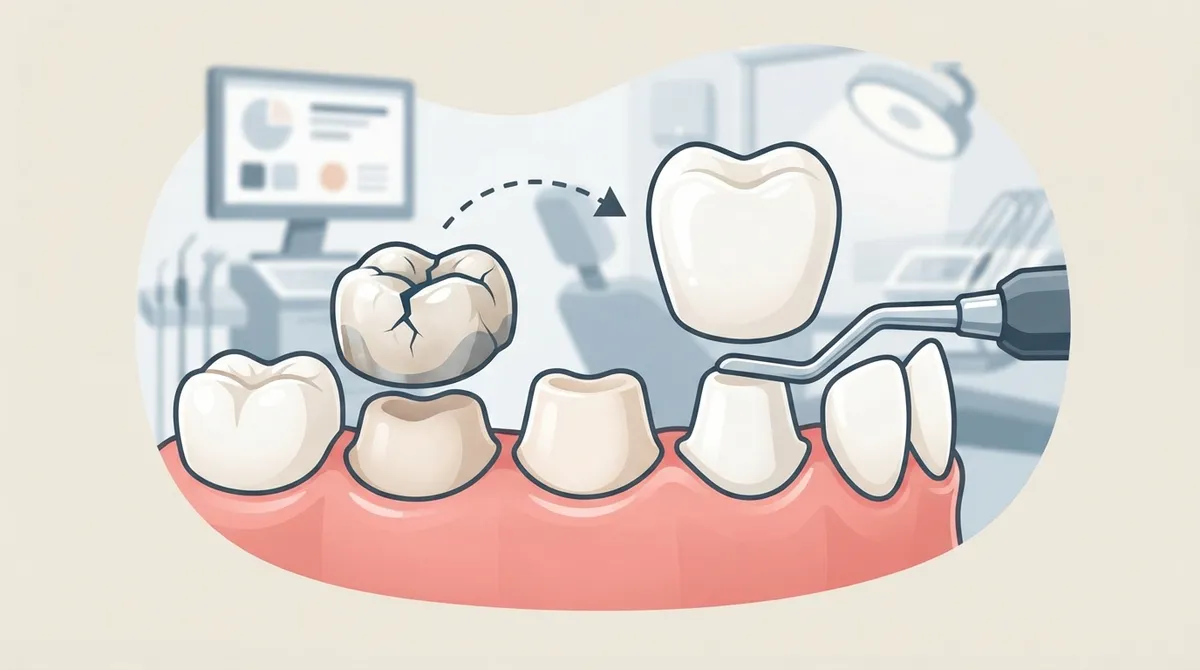
A crown replacement service is exactly what it sounds like: removing an old, failing crown and putting a new one in its place. But there's more to it than just swapping out a cap. Your dentist first has to check whether the tooth underneath is still healthy enough to support a new crown.
This usually means taking a close look at the tooth, checking your bite, and often taking dental X-rays. These steps help spot decay, cracks, infection, or bone loss hiding beneath the surface. According to the Cleveland Clinic, dental crowns commonly last between 5 and 15 years, depending on how well you care for them and the material used.
If the tooth is still solid, your dentist removes the old crown, cleans out any decay, reshapes the tooth if needed, and takes new impressions. A temporary crown protects things while a lab crafts your permanent replacement. If the tooth has bigger issues, like a root fracture or severe decay below the gum, other options like extraction and dental implants might come up in the conversation instead.
6 Signs You Need Crown Replacement Service
Here are the most common red flags our patients bring up during checkups at our Ocoee dental office. If any of these sound familiar, it's worth scheduling a visit.
1. Your Crown Feels Loose or Wiggly
A crown that moves when you bite down or floss is not something to ignore. This usually means the cement holding it in place has broken down, or the tooth underneath has changed shape. Left alone, a loose crown can trap bacteria and lead to decay you can't see.
2. You Notice a Crack or Fracture
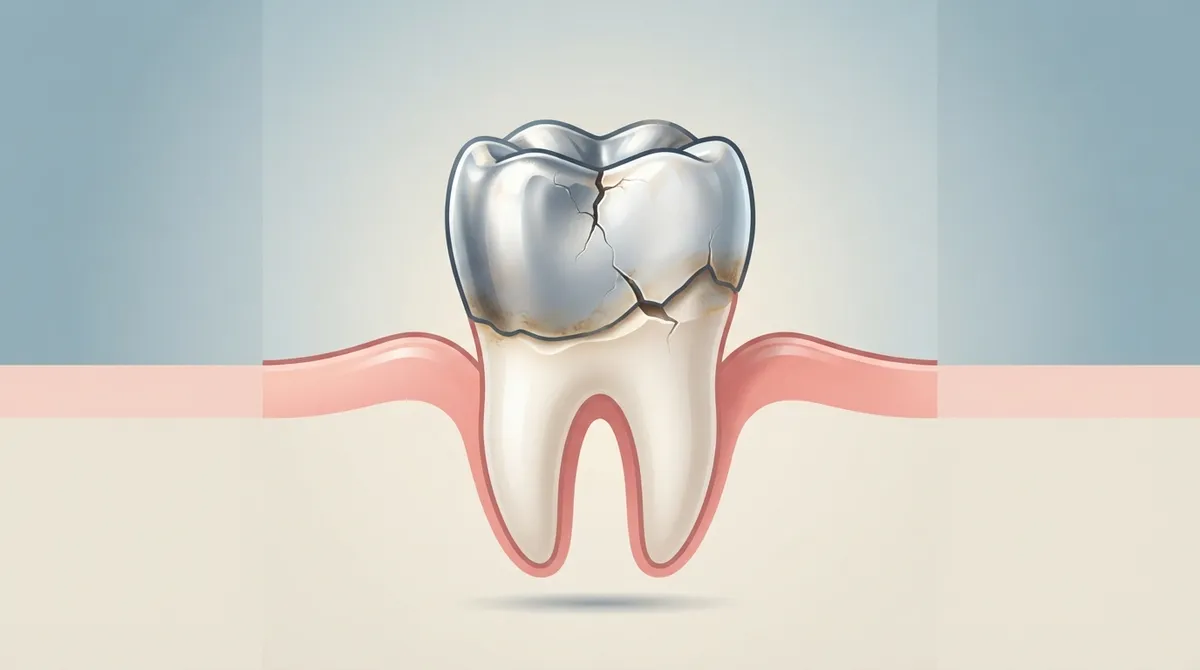
Porcelain crowns can chip or crack from grinding, biting something hard, or just years of daily wear. Even a small crack can let bacteria sneak in underneath, so it's best to get this checked as soon as you spot it.
3. There's Decay Around the Edges
Crowns protect the top of your tooth, but the edges where the crown meets your gum are still vulnerable. Recurrent decay at the crown margin is one of the most common reasons people need a replacement. Our team at crowns and bridges services can catch this early with routine exams.
4. Your Gums Look Different Around the Crown
Gum recession happens over time, and it can leave the edge of an old crown exposed. This doesn't just look uneven, it can also create small gaps where bacteria collect and cause problems.
5. You Feel Sensitivity or Pain That Won't Go Away
Sharp pain when you bite down, ongoing sensitivity to hot or cold, or a dull ache near the crowned tooth are all signs something underneath may be failing. This could mean decay, infection, or an issue with a previous root canal.
6. Your Bite Has Changed
Sometimes a crown that fit perfectly years ago no longer matches how your teeth come together. This can happen after other dental work, natural shifting, or wear on nearby teeth. An uneven bite puts extra stress on the crown and can speed up its failure.
What Happens During the Replacement Process
Once you come in for a consultation, here's a simple breakdown of what to expect:
- Exam and X-rays. Your dentist checks the crown, the tooth, and surrounding gum tissue to figure out what's going on.
- Treatment planning. If decay or infection is present, this gets addressed first. That might mean a filling, a core buildup, or in some cases a root canal.
- Removing the old crown. The failing crown comes off, and the tooth is cleaned and reshaped as needed.
- Taking new impressions. Digital or traditional impressions capture the exact shape needed for your new crown.
- Temporary crown placement. While your permanent crown is made at a dental lab, a temporary one protects the tooth.
- Final fitting. Once your new crown arrives, it's checked for fit, comfort, and bite before being cemented into place.
Most conventional crown treatments take two to three visits, though some practices with same-day technology can finish faster, according to the Cleveland Clinic. At Charming Smiles of Ocoee, we walk you through your specific timeline so there are no surprises.
How Much Does Crown Replacement Cost?
Costs can vary quite a bit depending on the material, your location, and whether extra treatment like a root canal or buildup is needed first. Here's a general breakdown based on published dental cost data:
| Crown Type | Average Cost | Best For |
|---|---|---|
| Porcelain Crown | Around $1,399 | Front teeth, natural appearance |
| Porcelain-Fused-to-Metal | Around $1,114 | Back teeth, strength plus aesthetics |
| Temporary Resin Crown | Around $697 | Short-term protection during treatment |
Overall, most patients across the country pay somewhere between $800 and $2,500 per crown in cash prices, though replacements can cost more if decay or a root canal needs treating first. Many dental insurance plans cover crowns as a major restorative service, often paying 40% to 50% of the allowed fee after your deductible. If you're unsure what your plan covers, our team can help you review your insurance and financing options before you commit to treatment.
We also offer a dental savings plan and flexible payment plans for patients without insurance, so cost never has to stand between you and a healthy smile. Be sure to check our current specials too, since we regularly run promotions that make restorative care more affordable.
Materials Used for Replacement Crowns
Not every crown is made the same way. Your dentist will recommend a material based on where the tooth sits in your mouth, how much bite force it takes, and how important appearance is to you. Common choices include:
- Porcelain – Great for front teeth because it blends in naturally.
- Zirconia – Extremely strong and durable, popular for back teeth.
- Porcelain-fused-to-metal – A solid middle ground of strength and looks.
- All-ceramic – Excellent for patients with metal sensitivities.
Our veneers and cosmetic dentistry specialists also weigh in when appearance is a top priority, especially for crowns on visible teeth.
When Replacement Isn't the Right Choice
Sometimes a tooth just isn't strong enough to hold a new crown. If there's a vertical root fracture, severe decay below the gumline, or not enough healthy tooth structure left, your dentist may recommend a different path. This could include extraction followed by a dental implant, a bridge, or dentures.
A 2012 review published on PubMed emphasized just how important accurate diagnosis is when managing failed crowns and bridges. That's why a thorough exam always comes first, before any decision about replacement is made.
Caring for Your New Crown
Once your replacement crown is in place, a few simple habits go a long way toward making it last:
- Brush twice daily with fluoride toothpaste, paying close attention to the crown's edges.
- Floss gently around the crown to remove trapped food and plaque.
- Avoid chewing ice, hard candy, or other tough objects that can crack porcelain.
- Wear a night guard if you grind or clench your teeth.
- Keep up with regular checkups so small issues get caught early.
These habits, combined with routine visits to your general dentistry provider, help your crown reach its full lifespan of 5 to 15 years or longer.
What to Do If Your Crown Falls Out
If your crown comes loose or falls out completely, don't panic, but don't wait either. Keep the crown safe in a small container, avoid chewing on that side of your mouth, and call your dentist right away. Never try to glue it back in with household adhesive. If you're dealing with swelling, sharp pain, or a sharp edge cutting your tongue, this counts as a dental emergency and deserves prompt emergency dentistry care.
Why Choose Charming Smiles of Ocoee for Crown Replacement
Dr. Aliuska Lopez and our team at Charming Smiles of Ocoee bring a gentle, detail-focused approach to every crown replacement. We know dental work can feel stressful, which is why our office near Publix in Ocoee is designed to feel more like a spa than a clinic, complete with soothing music, cozy blankets, and entertainment options during your visit.
We accept a wide range of insurance plans, including MetLife, Delta Dental, Cigna, and more, and we offer financing options like CareCredit to make treatment easier on your budget. You can also book online in just a few minutes, day or night. Curious what other patients think? Check out our Charming Smiles Facebook page or browse photos on our Charming Smiles Instagram page to see real smiles we've helped restore. You can also visit us on Google — Charming Smiles of Ocoee to read reviews from patients right here in Ocoee.
Ready to Fix Your Failing Crown?
A loose, cracked, or aching crown won't fix itself, and waiting only raises the risk of bigger problems like infection or tooth loss. If you've noticed any of the six signs above, now's the time to get it checked. Give us a call at (407) 378-3704 and let our friendly team at Charming Smiles of Ocoee get you back to a comfortable, confident smile.
FAQs
Q: How do I know if my dental crown needs to be replaced?
A: Look out for looseness, cracks, sensitivity, pain, or gum changes around the crown. If you notice any of these, it's a good idea to schedule a checkup so we can take a closer look before things get worse.
Q: How much does crown replacement cost without dental insurance?
A: Without insurance, crown replacement typically runs between $800 and $2,500, depending on the material and whether extra treatment is needed. We offer payment plans and a dental savings plan to help make this more manageable.
Q: Does dental insurance cover replacement of an old or damaged crown?
A: Many plans classify crowns as major restorative work and cover around 40% to 50% after your deductible. Coverage details vary, so we're happy to help you check your specific benefits before treatment.
Q: Can a dentist replace a crown in one visit?
A: Sometimes! Practices with same-day crown technology can often finish in a single visit, but most conventional treatments take two to three appointments. We'll let you know what to expect during your consultation.
Q: What happens if there is decay under my dental crown?
A: Your dentist will remove the old crown, clean out the decay, and treat the tooth before placing a new one. In some cases, this might involve a filling, buildup, or root canal to make sure the tooth is healthy enough to support a new crown.