6 Oral Cancer Screening Mistakes Ocoee Patients Must Avoid
Avoid these 6 oral cancer screening mistakes in Ocoee. Learn what to expect, who's at risk, and why early detection at your dental visit could save your life.

Key Takeaways
- Oral cancer screenings take less than five minutes, are painless, and require no special preparation—make them non-negotiable by attending biannual dental checkups where screenings occur automatically.
- Early detection dramatically improves oral cancer survival rates; less than half of patients survive when diagnosed late, making routine screenings your first line of defense against this silent threat.
- Identify your risk factors—tobacco use, heavy alcohol consumption, age over 45, ill-fitting dentures, and sun exposure—and discuss them with your dentist to determine screening frequency.
- Report any suspicious oral changes immediately: sores lasting 2+ weeks, white/red patches, unexplained bleeding, difficulty swallowing, or lumps should prompt a call to your dentist at (407) 378-3704.
- Oral cancer screening is typically included in routine preventive dental exams covered by most insurance plans; cost should never prevent you from getting screened—ask about coverage and payment options.
- Don't wait for severe symptoms to appear; early-stage oral cancer often develops without obvious signs, so routine screenings catch abnormal changes before they become dangerous.
Most people think about cavities and gum disease during dental visits. But there is one silent threat that often goes unnoticed — oral cancer. The good news? Your dentist can catch it early during a routine visit. The bad news? Too many Ocoee patients are making mistakes that put their health at risk. In 2026, oral cancer screening in Ocoee is more important than ever, and knowing what not to do could genuinely save your life. Oral cancer is the sixth most common cancer, with roughly 34,000 new diagnoses each year and nearly 8,000 deaths annually, according to Delta Dental of Massachusetts. Less than half of oral cancer patients are cured — largely because the disease is caught too late. That statistic alone should make every Ocoee resident take action. Let's walk through the six biggest mistakes to avoid so you stay protected, informed, and ahead of the curve.
What Are Oral Cancer Screenings and Why Do They Matter?
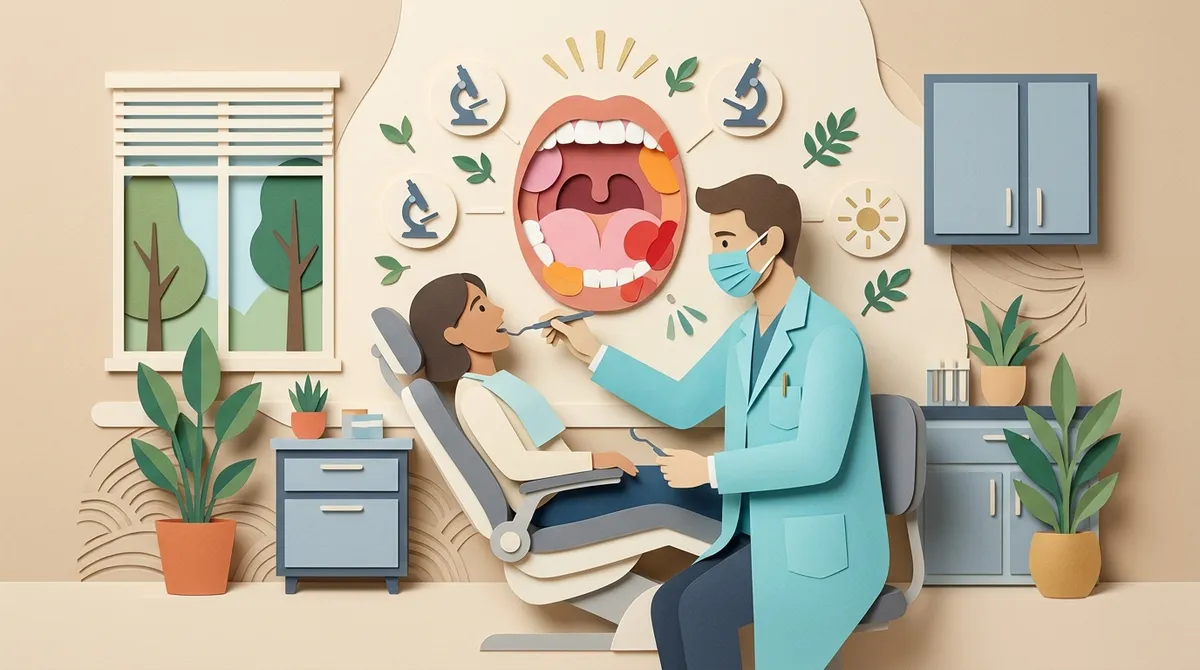
An oral cancer screening is a quick, painless exam your dentist performs during a routine visit. It checks your lips, cheeks, gums, tongue, palate, and throat for any suspicious changes. Your dentist also feels along your jaw and neck for unusual lumps or swelling. The whole process usually takes less than five minutes. It requires no special preparation and causes no discomfort. Think of it as a safety check for your mouth — one that can spot problems before they become serious.
Early detection is the key to surviving oral cancer. When it is caught in the early stages, treatment outcomes improve dramatically. But when it is found later, the road gets much harder. That is why preventive dental care in Ocoee — including regular screenings — is so valuable for patients of all ages. Families, seniors, teens, and adults alike benefit from this simple yet powerful exam.

Mistake 1: Skipping Your Biannual Dental Checkups
This is the most common mistake Ocoee patients make. Oral cancer screenings happen during routine dental exams. If you skip your checkups, you skip your screenings. It really is that simple. Most dental providers recommend a screening at least once a year, with more frequent checks for higher-risk patients.
Life gets busy — we get it. Between work, school, and family, a dental appointment can feel like something to push off. But skipping visits means missing the window where early-stage changes can be spotted and addressed. Make those Ocoee dental checkups a non-negotiable part of your health routine. Your future self will thank you.
How Often Should You Get Screened?
- Most adults should be screened once a year during a routine dental exam
- Higher-risk patients may need more frequent checks
- Patients over age 45 should ask about additional screening options
- Those with a history of tobacco or heavy alcohol use need regular monitoring
- Children and teens benefit from screenings as part of their pediatric dental care visits
Mistake 2: Ignoring Your Risk Factors
Not everyone faces the same level of risk for oral cancer. Some people are more vulnerable than others. Knowing your risk factors helps you and your dentist take the right steps. Many patients ignore these factors entirely, which leads to delayed screenings and late diagnoses.
Here are the most commonly cited risk factors you should discuss with your dentist:
- Tobacco use — cigarettes, cigars, pipes, and smokeless tobacco all raise risk significantly
- Heavy alcohol consumption — frequent, heavy drinking is a well-known risk factor
- Being male and over age 45 — oral cancer occurs more often in this group, though it can affect anyone
- Ill-fitting dentures — chronic irritation from poorly fitting dentures can create ongoing tissue damage
- Sun exposure to lips — UV rays increase the risk of lip cancer specifically
If any of these apply to you, bring it up at your next visit. A caring dental team will take your concerns seriously and adjust your care plan as needed. Dental care for seniors in Ocoee should always include a thorough conversation about these risk factors.
Mistake 3: Dismissing Unusual Symptoms in Your Mouth
Your body often gives early warning signs before a problem becomes serious. Many Ocoee patients notice something unusual in their mouth — a sore that won't heal, a white or red patch, or a lump — and simply wait for it to go away. That waiting game can be dangerous.
If you notice any of the following, contact your dentist right away:
- A sore or ulcer in the mouth that has not healed after two weeks
- White or red patches on the gums, tongue, or inner cheek
- Unexplained bleeding in the mouth
- Difficulty chewing, swallowing, or moving your jaw or tongue
- Persistent numbness, pain, or tenderness in the mouth or lips
- A lump, thickening, or rough spot in the soft tissues of the mouth
Do not self-diagnose. Do not assume it will clear up on its own. Call your dental office and describe what you are seeing. You can call Charming Smiles of Ocoee at (407) 378-3704 to speak with a friendly team member who can help you decide on next steps. Early action is always the smartest move.
Mistake 4: Assuming Screening Is Painful or Time-Consuming
This misconception keeps a surprising number of patients away from the dentist. People assume that an oral cancer screening involves needles, biopsies, or long appointments. In reality, a basic oral cancer screening can be completed in under five minutes, requires no special preparation, and causes no discomfort. It is simply part of a thorough dental exam.
At a welcoming practice like Charming Smiles of Ocoee, led by Dr. Aliuska Lopez, the entire experience is designed to feel relaxed and stress-free. The team understands that dental anxiety is real, and they go out of their way to make every visit comfortable. From soothing music to warm blankets and aromatherapy, the environment is built for your ease. If you have been putting off a visit because you dread the process, you might be pleasantly surprised by how gentle and quick modern dental care really is. You can even book online at your convenience.
What Happens During the Screening
- Your dentist visually inspects your lips, gums, cheeks, tongue, and palate for unusual changes
- The soft tissues of your mouth are checked for discoloration, sores, or patches
- Your jaw and neck are gently felt for lumps, swelling, or tenderness
- If anything looks suspicious, your dentist will discuss the next steps — which may include a follow-up visit, a biopsy, or a referral
The process is noninvasive and brief. There is truly nothing to fear. Check out what patients are saying by visiting Charming Smiles of Ocoee on Google — the reviews speak for themselves.
Mistake 5: Not Asking About Coverage or Cost
Some patients skip oral cancer screenings because they assume it costs extra or is not covered by insurance. This stops them from getting a potentially life-saving check. The reality is that oral cancer screening is often included as part of a routine dental exam, which is usually covered under most preventive care benefits.
It is always worth asking your dental office about coverage before your visit. Here is what to consider:
- Ask if screening is included in your routine exam or billed separately
- Check your dental insurance plan's preventive care benefits
- Ask about insurance and financing options if cost is a concern
- Look into a dental savings plan if you do not have traditional insurance
- Flexible payment plans through providers like CareCredit and Sunbit may also be available
Cost should never be a barrier to preventive care. There are many ways to make oral cancer screenings accessible and affordable. For more tips, read our guide on affordable dental care in Ocoee.
Mistake 6: Waiting Until Symptoms Are Severe to See a Dentist
Here is a hard truth: oral cancer can develop without any obvious symptoms in its early stages. By the time pain, difficulty swallowing, or visible masses appear, the cancer may have already progressed. That is exactly why waiting for things to get bad before seeing a dentist is one of the most dangerous mistakes you can make.
Screenings catch abnormal changes before they become full-blown cancer. Your dentist is trained to spot the subtle early signs that you might not even notice in the mirror. Routine dental exams in Ocoee are your first line of defense — not a last resort. The earlier any issue is found, the more treatment options are available and the better the outcome tends to be.
What Happens If Something Suspicious Is Found?
Finding a suspicious area does not mean you have cancer. It simply means further evaluation is needed. Your dentist will walk you through the next steps clearly and calmly. Here is the general process:
- Your dentist documents and photographs the area for monitoring
- A follow-up appointment may be scheduled to see if the area changes
- A biopsy or referral to a specialist may be recommended if needed
Most suspicious findings turn out to be benign. But the only way to know for sure is to get checked. You can learn more about what a full dental examination covers by reading 12 Things Your Dental Examination in Ocoee Reveals.
Make Oral Cancer Screenings Part of Your Routine
Oral cancer screenings in Ocoee are not something to fear — they are something to embrace. They are fast, painless, and could make all the difference in the world. Whether you are a busy parent bringing the whole family in, a senior managing age-related health concerns, or someone who simply wants peace of mind, a routine screening is one of the smartest things you can do for your health in 2026.
Stay connected with our dental community by following us on the Charming Smiles Facebook page or checking out our tips and updates on the Charming Smiles Instagram page for the latest in preventive dental care. And for more on keeping your whole smile healthy, explore our full range of general dentistry services designed for patients of all ages in Ocoee and the surrounding area.
Take the Next Step for Your Health
Do not let any of these six mistakes put your health at risk. Oral cancer screenings are quick, easy, and already part of your regular dental visit. There is no reason to skip, delay, or avoid them. The team at Charming Smiles of Ocoee is here to make every visit welcoming, comfortable, and thorough. Visit our location at 315 West Rd, Ocoee, FL 34761, or call us at (407) 378-3704 to schedule your next checkup today. Your smile — and your health — deserve it.
FAQs
Q: What happens during an oral cancer screening at the dentist in Ocoee?
A: Your dentist visually checks your lips, cheeks, gums, tongue, palate, and throat for any unusual changes. They also gently feel your jaw and neck for lumps or swelling. The whole process takes less than five minutes and is completely painless — no needles, no prep, and nothing to worry about!
Q: How often should I get an oral cancer screening in Ocoee?
A: Most adults should get screened at least once a year during their routine dental exam. If you have risk factors like tobacco use, heavy alcohol consumption, or are over age 45, your dentist may recommend more frequent check-ins. It is a quick and easy part of your regular visit!
Q: Is an oral cancer screening in Ocoee painful or invasive?
A: Not at all! An oral cancer screening is one of the most comfortable parts of a dental visit. There are no needles, no discomfort, and no special preparation needed. It is a simple visual and physical check that your dentist performs as part of your routine exam.
Q: What are the warning signs of oral cancer I should watch for?
A: Watch for sores in your mouth that do not heal within two weeks, white or red patches on your gums or tongue, unexplained bleeding, difficulty swallowing or moving your jaw, or any lumps in the soft tissues of your mouth. If you notice any of these signs, reach out to your dentist right away rather than waiting to see if they go away on their own.
Q: Does dental insurance cover oral cancer screenings in Ocoee?
A: In many cases, oral cancer screening is included as part of a routine preventive dental exam, which most insurance plans cover. It is always a great idea to confirm your specific benefits with your provider before your visit. If you do not have insurance, ask your dental office about savings plans or flexible payment options that make it easy to afford.