6 Facts About Invisalign for Open Bite in 2026
Learn how Invisalign treats open bites, backed by research on effectiveness, timelines, and what to expect from your Ocoee dentist.
Key Takeaways
- Invisalign effectively closes mild to moderate dental open bites, but severe or skeletal cases may need additional support like surgery; the distinction between dental and skeletal open bites is crucial for determining treatment success.
- Only 66.2% of planned bite closure from digital previews actually occurs in real treatment, so regular dentist check-ins and adjustments every two weeks are essential to keep your Invisalign treatment on track.
- Most open bite cases take 12-24 months to correct with Invisalign, and relapse commonly occurs if underlying habits like tongue thrusting continue after treatment, making retainer wear and habit correction critical for lasting results.
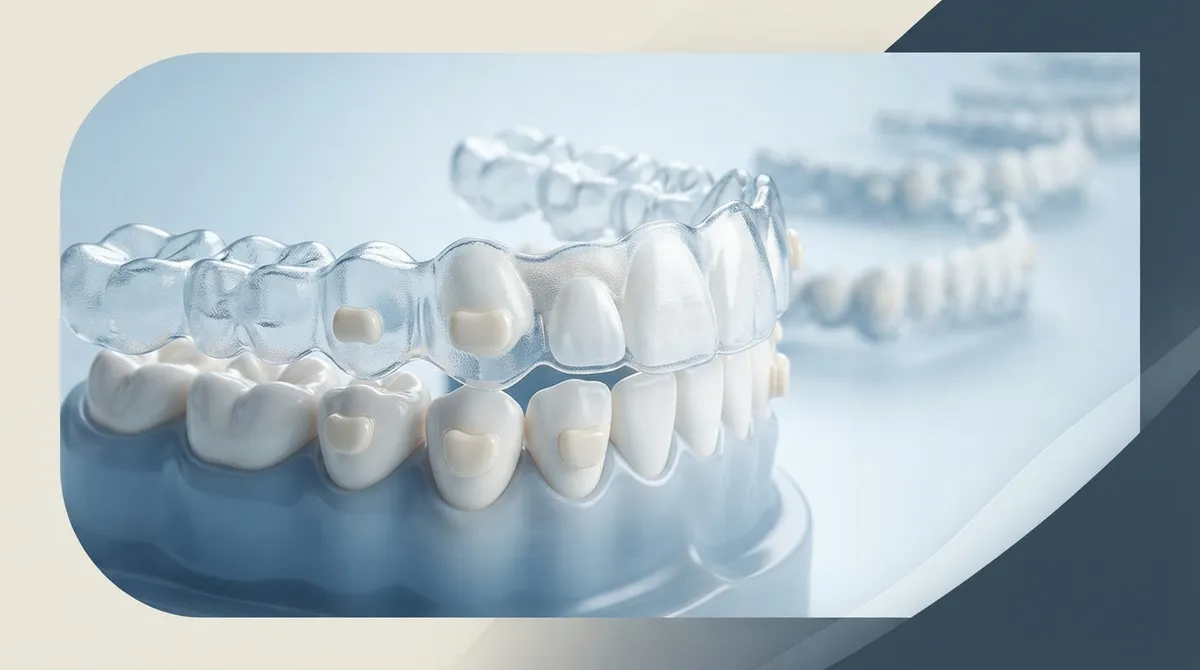
- Many open bite cases require small tooth-colored attachments or elastics on your aligners to help precise tooth movement, which is a normal part of personalized treatment rather than a sign of complications.
Do you notice your front teeth don't touch when you bite down? That gap between your upper and lower teeth is called an open bite. It can affect how you chew, speak, and even feel about your smile. The good news is you may not need metal braces to fix it.
At Charming Smiles of Ocoee, we get this question a lot: "Can Invisalign really fix an open bite?" The short answer is often yes. But there's more to the story. Let's walk through what the research says, what to expect, and how our Ocoee team can help you get a smile that works as good as it looks.
What Is an Open Bite, Anyway?
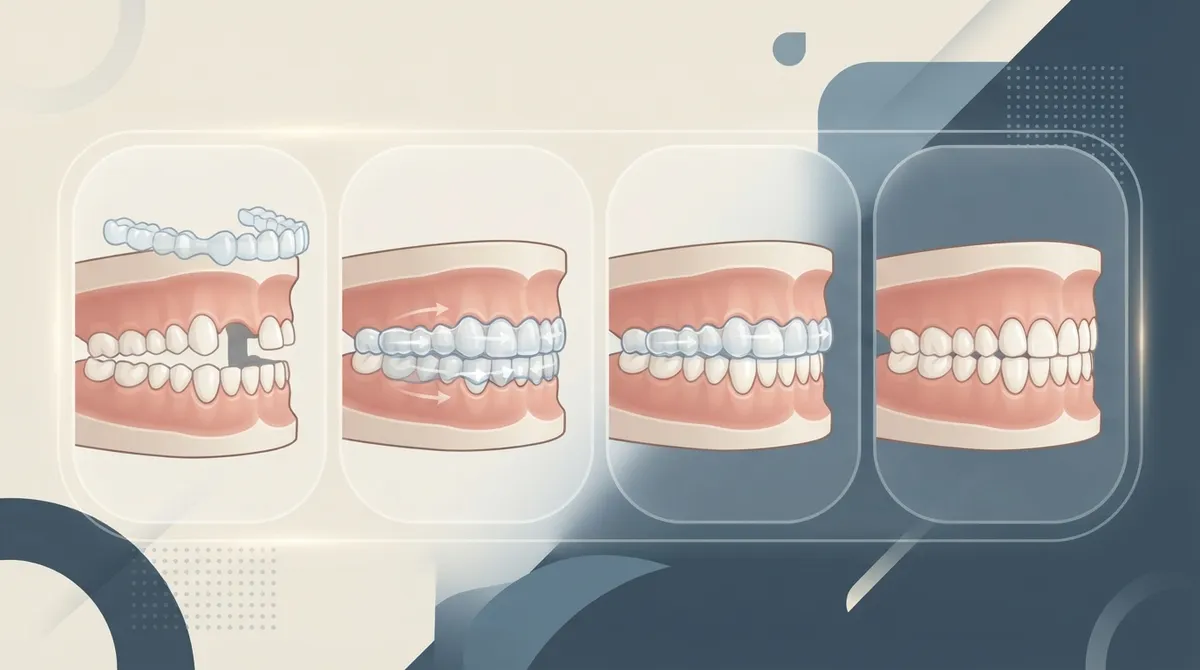
An open bite happens when your top and bottom teeth don't meet when your mouth is closed. Most often, this shows up in the front teeth. It can make it hard to bite into an apple or even say certain words clearly.
There are two main types of open bite:
- Dental open bite: Caused by the position of the teeth themselves, often linked to habits like thumb sucking or tongue thrusting.
- Skeletal open bite: Caused by the shape or growth of the jaw bones, which is more complex to treat.
This difference matters a lot when it comes to treatment options. Dental open bites usually respond well to Invisalign clear aligners. Skeletal open bites might need more support, sometimes including surgery for severe cases.
6 Facts About Invisalign for Open Bite Treatment
1. Invisalign's Own Research Says It Works
According to Invisalign's official treatment information, clear aligners can correct open bites. This isn't just marketing talk. Their system uses precision movements to shift teeth into better positions over time.
2. Mild to Moderate Cases Get the Best Results
Not every open bite case is the same. Invisalign tends to work best on mild to moderate dental open bites. If your case is more severe or involves your jaw bone structure, you might need extra tools alongside your aligners.
3. Two Types of Tooth Movement Do the Heavy Lifting
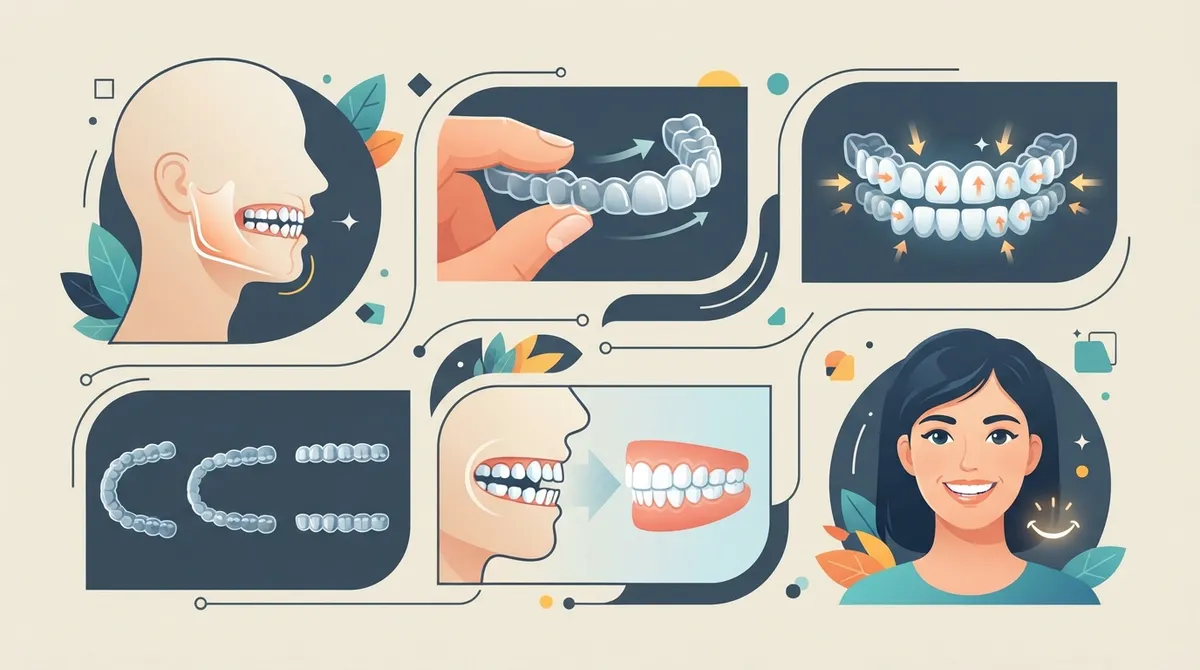
Studies show that Invisalign closes open bites through two main actions:
- Moving the front teeth downward (extrusion)
- Pushing the back molars slightly upward into the jaw (intrusion)
Sometimes the lower jaw rotates slightly too, helping everything line up better. It's like a gentle puzzle where every piece needs to shift just a little.
4. Results Don't Always Match the Digital Preview 100%
One study published on PubMed found that only about 66.2% of the planned bite closure showed up in real life compared to the digital ClinCheck prediction. This doesn't mean Invisalign fails. It means your dentist needs to track your progress closely and adjust as needed.
This is exactly why regular check-ins with your orthodontics provider matter so much. Dr. Aliuska Lopez and her team monitor every step to keep your treatment on track.
5. Changing Aligners Every Two Weeks Can Help
The same research found something interesting. Patients who switched to new aligners every two weeks saw about 0.49 mm more bite closure than those on longer schedules. That's a small number, but in orthodontics, small numbers add up to real results.
6. Treatment Usually Takes 12 to 24 Months
Clinical reports show most open bite cases take between 12 and 24 months to treat with Invisalign. Your exact timeline depends on how severe your case is and how well you follow your treatment plan.
| Case Severity | Typical Invisalign Suitability | Estimated Timeline |
|---|---|---|
| Mild dental open bite | Highly effective | 12-15 months |
| Moderate dental open bite | Effective with monitoring | 15-20 months |
| Severe dental open bite | May need added mechanics | 18-24 months |
| Skeletal open bite | Often needs surgery support | Varies widely |
Why Some Open Bites Come Back After Treatment
Relapse is a real concern with open bite correction. If the cause of your open bite was a habit, like tongue thrusting or thumb sucking, that habit needs to stop. Otherwise, your teeth may slowly drift back to their old positions.
Here's what helps prevent relapse:
- Wearing your retainer exactly as instructed
- Addressing tongue posture issues with your dentist
- Breaking any lingering oral habits
- Attending follow-up visits so we can catch small shifts early
Our team walks you through all of this during your treatment. We want your results to last, not just look good on day one.
Do You Need Elastics or Attachments With Invisalign?
Sometimes, yes. Many open bite cases need small attachments (tiny tooth-colored bumps) or elastics to help the aligners grip and move teeth more precisely. This isn't a sign that something went wrong. It's simply part of getting the best possible outcome.
Your treatment plan is fully personalized. During your Invisalign consultation, we'll explain exactly what your case needs and why.
Can Severe Open Bites Be Treated Without Surgery?
This depends on the cause. Many severe dental open bites can still be treated without surgery using Invisalign combined with other orthodontic tools. However, if your open bite is skeletal (caused by jaw shape), surgery might be the only way to get lasting results.
A 2024 scoping review found that clear aligners show real promise for adult anterior open bite correction. However, researchers noted that long-term stability data is still limited, which is why working with an experienced provider matters so much.
Steps to Get Started With Invisalign for Open Bite
- Schedule a consultation with our Ocoee dental team to check if you qualify.
- Get a full evaluation, including digital scans and X-rays.
- Review your custom ClinCheck treatment plan together.
- Start wearing your aligners as directed, changing them on schedule.
- Attend follow-up visits so we can track your bite closure progress.
- Wear your retainer faithfully once treatment is complete.
Simple steps, but each one plays a big role in your final results.
Why Choose Charming Smiles of Ocoee for Your Invisalign Journey
Dr. Aliuska Lopez is known around Ocoee as a true smile expert. She's passionate about helping patients feel confident, comfortable, and cared for at every visit. Our spa-like office includes soothing music, cozy blankets, and a relaxed setting that helps ease dental anxiety.
We also make Invisalign more affordable. Right now, we're offering a free Invisalign consultation and $200 off treatment. We also accept most major insurance plans and offer flexible insurance & financing options through CareCredit, Alphaeon Credit, and Cherry Financing.
Curious what real patients say? You can visit us on Google to see reviews from Charming Smiles of Ocoee patients, or check out our Charming Smiles Facebook page and Charming Smiles Instagram page for smile transformation stories.
Other Treatment Options Worth Knowing About
If your open bite is more complex, you might also benefit from learning more about general dentistry checkups first to rule out other issues. Some patients also explore veneers after orthodontic treatment for a final smile polish, or ask about teeth whitening services to brighten things up once their bite is corrected.
For families in Ocoee wondering if their child's open bite needs early attention, our pediatric dentistry team can guide you through age-appropriate options too.
Ready to Fix Your Open Bite?
An open bite doesn't have to hold your smile back. With the right care team, clear aligners, and a solid treatment plan, most dental open bite cases can be corrected without traditional braces. Our team at Charming Smiles of Ocoee is here to help you every step of the way.
Ready to see if Invisalign is right for you? Call us at (407) 378-3704 to schedule your free consultation, or stop by our location near Publix in Ocoee. You can also book online at a time that works for your schedule. Your best smile is closer than you think.
FAQs
Q: Can Invisalign fix an open bite?
A: Yes, in many cases! Invisalign's own research and multiple clinical studies show it can effectively close mild to moderate dental open bites. Severe or skeletal open bites may need extra support, but our Ocoee team can guide you through what's realistic for your smile.
Q: How long does Invisalign take to close an open bite?
A: Most open bite cases take about 12 to 24 months with Invisalign. Your exact timeline depends on how severe your bite is and how consistently you wear your aligners, which is something we track closely during your treatment.
Q: What causes an open bite to return after Invisalign?
A: Relapse often happens when underlying habits, like tongue thrusting, aren't addressed, or when patients skip wearing their retainer. We always create a retention plan to help your results last for years, not just months.
Q: Do open bite cases need elastics or attachments with Invisalign?
A: Many do! Small attachments or elastics help your aligners grip and move teeth more precisely for open bite correction. It's a normal part of treatment, and we'll explain exactly what your smile needs during your consultation.
Q: Can Invisalign treat severe open bite without surgery?
A: It depends on whether your open bite is dental or skeletal. Many severe dental open bites can still be treated with Invisalign plus extra orthodontic tools, but skeletal cases sometimes require surgical support for the best long-term outcome.