6 Dental Implant Financing Options That Fit Your Budget
Explore 6 practical dental implant financing options, from payment plans to HSAs, so you can afford your best smile without the stress.
Key Takeaways
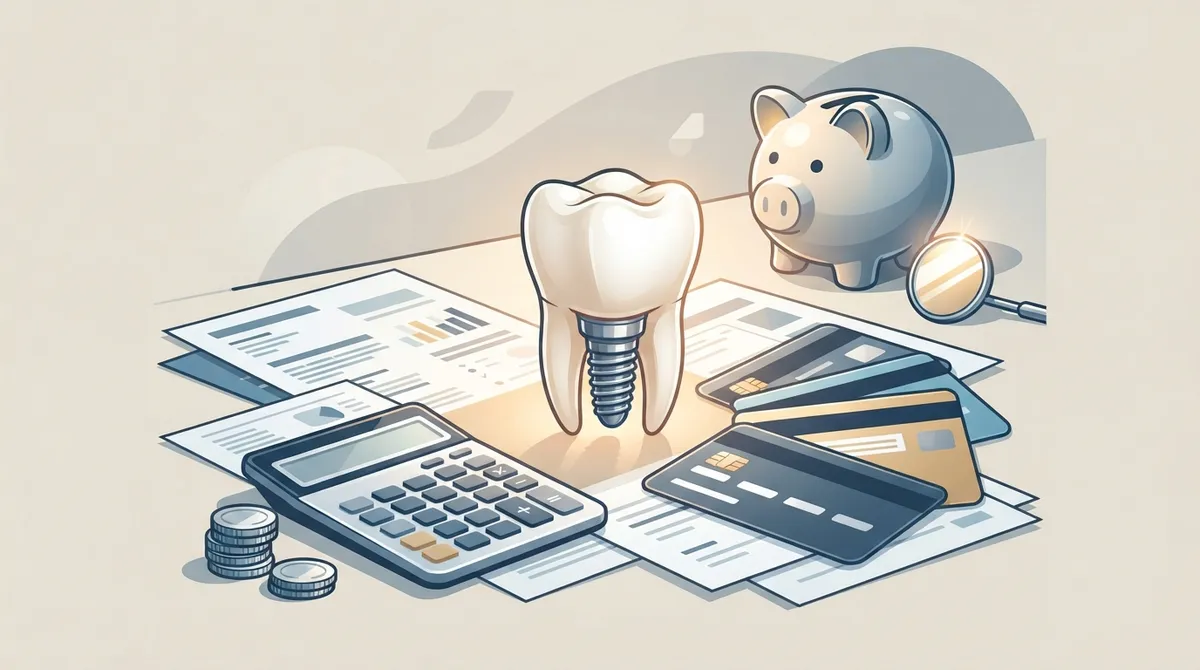
- A single dental implant costs $3,000-$5,500, but dental insurance often doesn't cover implants or covers only $1,000-$2,500 annually, leaving significant out-of-pocket costs for patients.
- Deferred-interest medical credit cards can charge retroactive interest if you don't pay the full balance by the promo deadline, making true 0% APR offers fundamentally different from promotional financing.
- Get a written, itemized treatment estimate breaking down surgical fees, implant costs, abutment, crown, imaging, anesthesia, extraction, and bone grafting before committing to any financing option.
- Combining multiple financing sources—such as HSA funds, insurance benefits, and payment plans—often results in lower total costs and smaller monthly payments than relying on a single option.
- In-house dental payment plans and dental savings plans (offering 10-60% discounts) don't require credit checks, making them accessible options for patients with poor credit or no traditional insurance.
- Before signing any financing agreement, confirm the actual APR, whether it's true 0% or deferred interest, ask about fees (origination, late, prepayment), and verify loan terms and total repayment costs.
Missing a tooth can knock your confidence and make everyday things like eating and smiling feel hard. The good news? Dental implants can give you back a strong, natural-looking smile. The other good news? You don't need a mountain of cash sitting in the bank to get started. There are several dental implant financing options that can help spread out the cost so it fits your monthly budget instead of draining your savings account in one shot.
At Charming Smiles of Ocoee, Dr. Aliuska Lopez and her team believe cost should never stand between you and a healthy, confident smile. Whether you're a busy parent in Ocoee juggling a family budget, a senior weighing your options, or someone who's simply tired of hiding a gap in your smile, this guide walks you through the real numbers, the fine print to watch for, and six practical ways to pay for your treatment. Let's make this simple and stress-free, just like a visit to our office should be.
Why Dental Implant Costs Catch People Off Guard
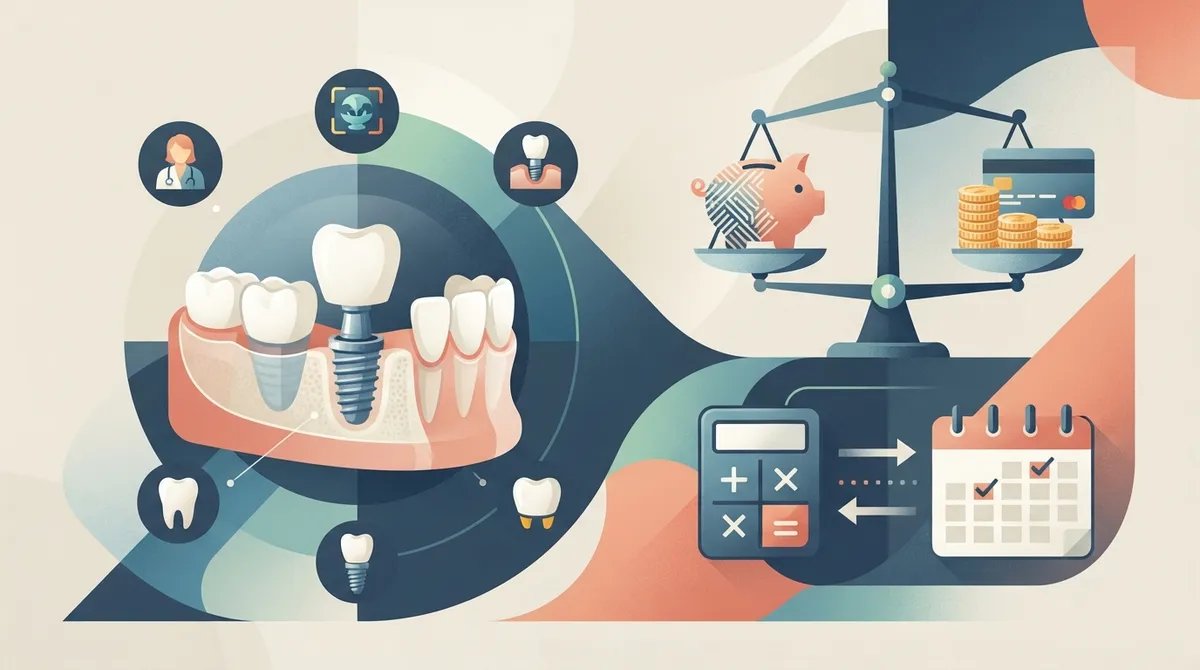
A single complete implant, including the implant post, abutment, and crown, typically runs about $3,000 to $5,500 in the United States as of 2026. Prices shift based on your location, the materials used, and whether you need bone grafting or other extra procedures. If you need more than one tooth replaced, those numbers add up fast.
Here's the part that surprises a lot of patients: dental insurance often doesn't cover implants at all, or it treats them as a "major service" with limited benefits. Annual insurance maximums commonly sit between $1,000 and $2,500. That means even a great plan may leave a big balance for you to cover on your own.
- Implants are sometimes excluded entirely from basic insurance plans
- Coverage may apply separately to the implant post, abutment, crown, extraction, imaging, and bone grafting
- Annual maximums rarely stretch far enough to cover full implant treatment
- Every insurance plan is different, so assumptions can cost you money
This is exactly why it pays to ask questions before treatment begins. Our team can help you review your insurance & financing options so you know exactly what to expect before you commit to anything.
Step 1: Get a Written, Itemized Treatment Estimate
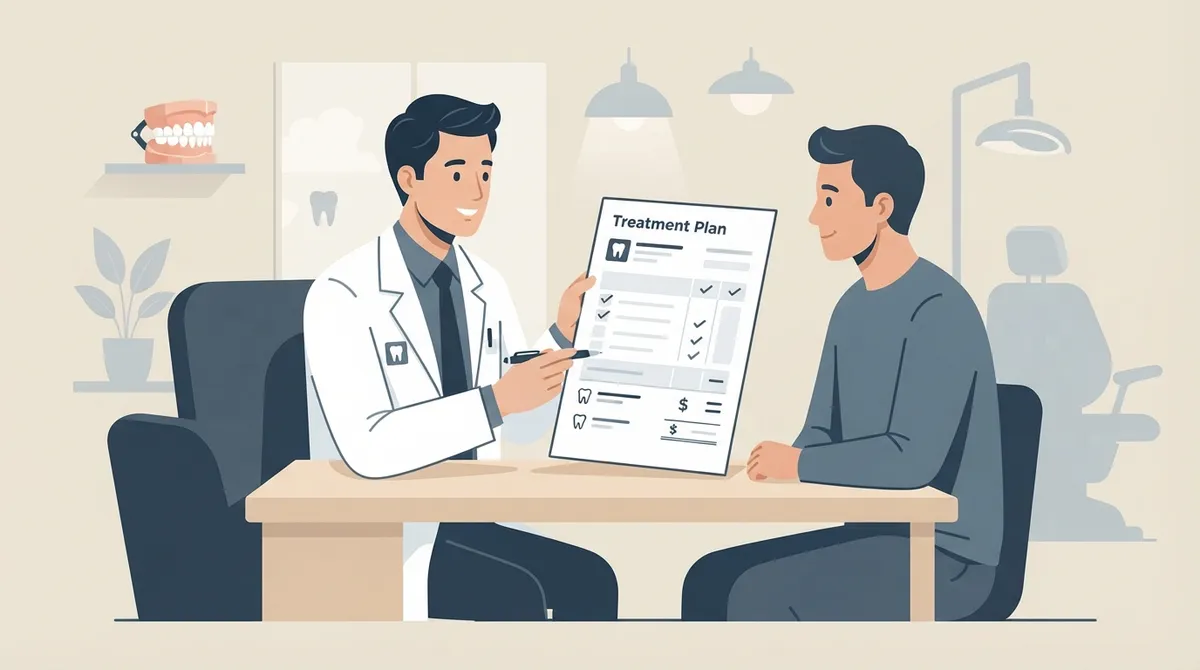
Before you even think about financing, you need a clear picture of what you're paying for. A trustworthy dental office should give you a written estimate that breaks down every piece of the puzzle.
- Surgical fees for placing the implant
- The cost of the implant fixture itself
- Abutment and crown or prosthesis fees
- Diagnostic imaging, like X-rays or 3D scans
- Anesthesia or sedation costs
- Extraction fees, if a tooth needs to come out first
- Bone grafting, if your jaw needs extra support
- Follow-up visits and aftercare
Once you have this in hand, you can verify your dental benefits directly with your insurance company and compare that estimate against your policy's actual coverage. This step alone can save you from surprise bills down the road. Our team walks new patients through this process at every consultation, because we believe transparency builds trust.
6 Dental Implant Financing Options Worth Comparing
Now for the main event. Here are six ways patients commonly pay for dental implants, along with the pros, cons, and fine print for each.
1. In-House Payment Plans
Many dental offices, including ours, offer payment plans that let you spread treatment costs over several months. These plans are often more flexible than traditional credit and may not require a hard credit check.
- Convenient because you deal directly with your dental office
- Terms vary by practice, so ask about deposits and milestones
- Some offices charge interest, others don't, so always ask
- Late fees and refund policies differ, so get everything in writing
2. Third-Party Healthcare Credit Cards
Medical credit cards are popular for dental work because they're built specifically for healthcare expenses. Promotional offers often run for 6 to 24 months, subject to approval.
Here's the catch: many of these cards use "deferred interest," not true 0% APR. If you don't pay off the full balance by the promo deadline, interest can be charged retroactively, all the way back to your original purchase date. According to a 2023 discussion document from the Consumer Financial Protection Bureau and the American Dental Association, this distinction matters a lot for your wallet. Always read the agreement, not just the advertised monthly payment.
3. Fixed-Rate Personal or Medical Loans
Unlike deferred-interest credit cards, a fixed-term loan gives you one consistent monthly payment for a set period of time. The total cost depends on your APR, any fees, the loan term, and your credit profile.
- Predictable payments make budgeting easier
- Interest rates vary widely based on your credit score
- Some loans are secured, others unsecured, which affects approval odds
- Shop around, because rates can differ significantly between lenders
4. Dental Savings Plans
Dental discount plans aren't insurance, but they can still save you real money. These membership-based plans commonly offer discounts of roughly 10% to 60% at participating providers. Charming Smiles of Ocoee offers our own dental savings plan, which gives members reduced rates on cleanings, exams, and other procedures, plus 25% off most other dental work. For patients without traditional insurance, this can make implant treatment far more affordable.
5. HSA and FSA Funds
If you have a Health Savings Account or Flexible Spending Account, you may be able to use those funds for eligible dental and oral surgery expenses. This is essentially tax-advantaged money you've already set aside.
- Confirm eligibility with your plan administrator before treatment
- Keep every receipt and treatment record for your files
- FSA funds often have a "use it or lose it" deadline each year
- HSA funds typically roll over, giving you more flexibility
6. Combining Multiple Financing Sources
Sometimes the smartest option isn't picking just one method, it's blending a few together. For example, you might use HSA funds to cover part of the bill, apply insurance benefits where they exist, and finance the remaining balance through a payment plan. This layered approach often results in lower overall costs and smaller monthly payments.
Comparing Your Options at a Glance
| Financing Option | Credit Check Required? | Typical Term | Watch Out For |
|---|---|---|---|
| In-House Payment Plan | Sometimes | Varies by office | Deposit rules, late fees |
| Medical Credit Card | Yes | 6-24 months promo | Deferred interest after promo ends |
| Fixed-Rate Personal Loan | Yes | 1-7 years | APR based on credit score |
| Dental Savings Plan | No | Annual membership | Not insurance, savings vary |
| HSA/FSA Funds | No | N/A | Plan eligibility rules |
| Combined Approach | Depends on mix | Varies | Requires more planning |
Questions to Ask Before You Sign Anything
Before committing to any financing option, it helps to slow down and ask a few smart questions. This little bit of homework can save you hundreds, even thousands, of dollars over time.
- What is the actual APR, not just the advertised monthly payment?
- Is this a true 0% offer or a deferred-interest promotion?
- Are there any origination fees, late fees, or prepayment penalties?
- What happens if I miss a payment?
- Is the loan secured or unsecured?
- How long is the repayment term, and what's the total cost over that time?
A 2023 submission from the American Dental Association to the Consumer Financial Protection Bureau also noted that longer promotional periods can increase fees that dental practices pay to financing providers. That's one more reason it pays to compare a few options rather than jumping at the first one offered.
Why Ocoee Patients Trust Charming Smiles for Implant Care
Choosing where to get your dental implants matters just as much as choosing how to pay for them. Dr. Aliuska Lopez has built a reputation across Ocoee for gentle, precise implant work paired with genuine compassion for patients who feel anxious about dental visits.
Our office also offers a free dental implant consultation and $200 off implant treatment, plus flexible third-party financing through trusted providers. We accept many major insurance plans, including MetLife, Delta Dental, Cigna, Aetna, and more, and our team will happily verify your benefits before you commit to anything. You can book online in just a few minutes to get started.
Curious what other patients say about their experience? You can visit us on Google — Charming Smiles of Ocoee to read real reviews from families and individuals right here in Ocoee. You can also follow along on our Charming Smiles Facebook page or check out smile transformations on our Charming Smiles Instagram page for a peek at what's possible.
Common Mistakes to Avoid With Implant Financing
A little caution goes a long way. Here are a few missteps we see patients make when financing dental work, and how to steer clear of them.
- Signing up for the first credit offer without comparing others
- Assuming "no interest" always means true 0% APR
- Forgetting to ask about fees for early payoff
- Not confirming insurance benefits before treatment starts
- Skipping the itemized estimate and getting surprised later
- Overlooking dental savings plans that could cut costs significantly
Taking just a little extra time upfront to compare your options can make a real difference in your total cost and your peace of mind. If you're weighing implants against other tooth replacement options, our guide on dentures or crowns & bridges may also help you decide what's right for your smile and your wallet.
Ready to Start Your Smile Journey?
Dental implants are one of the best long-term investments you can make in your health and confidence. With the right financing plan, they don't have to feel out of reach. Our friendly team at Charming Smiles of Ocoee is ready to walk you through every option, answer your questions, and help you find a plan that fits your life.
Give us a call today to call us at (407) 378-3704 and schedule your free implant consultation, or stop by our location near Publix in Ocoee to meet our team in person. We can't wait to help you smile with confidence again.
FAQs
Q: Does dental insurance cover dental implants?
A: Sometimes, but not always. Many plans classify implants as a major service or exclude them completely, and annual maximums often fall between $1,000 and $2,500. We're happy to help you verify your specific benefits before you start treatment.
Q: How much do dental implants cost without insurance?
A: A single complete implant, including the post, abutment, and crown, typically costs about $3,000 to $5,500. The exact price depends on your needs, location, and whether extra procedures like bone grafting are required.
Q: What is the best way to finance dental implants?
A: There's no single best option for everyone. Many patients combine a few methods, like an in-house payment plan plus HSA funds, to lower monthly costs. We recommend comparing APR, fees, and terms before choosing.
Q: Can I get dental implant financing with bad credit?
A: Yes, it's often possible. In-house payment plans may not require a traditional credit check, and some medical credit cards and lenders work with a range of credit profiles. Ask our team about options that fit your situation.
Q: Can I use an HSA or FSA to pay for dental implants?
A: In many cases, yes! Implants and related oral surgery expenses are often eligible. Just confirm the details with your plan administrator first, and keep your receipts and treatment records handy for tax purposes.