6 Crown Tooth Restoration Facts Ocoee Patients Need
Learn 6 essential facts about crown tooth restoration, from materials and costs to care tips, from Ocoee's trusted dental team.
Key Takeaways
- Crowns last 5-15 years on average, with gold crowns potentially lasting 18-20+ years; longevity depends on proper brushing, flossing, regular checkups, and avoiding teeth grinding.
- Crowns are needed when cavities are too large for fillings, after root canal treatment, or for severely worn teeth; a thorough dental exam determines if a crown is the best solution versus alternatives like fillings, inlays, or veneers.
- The crown process typically takes two visits: tooth preparation and temporary crown placement, followed by permanent crown installation; some offices offer same-day crowns using CAD/CAM technology.
- Crown material choice significantly impacts durability and appearance; lithium-disilicate crowns show 98.5% five-year survival rates, while zirconia and metal-ceramic crowns range from 96.8-97.3%.
Got a tooth that's cracked, worn down, or just plain weak? You're not alone. Every week, folks across Ocoee walk into our office wondering if their tooth can be saved. The good news? Crown tooth restoration might be exactly the fix you need. It's one of the most trusted ways to protect a damaged tooth and get you smiling with confidence again.
At Charming Smiles of Ocoee, we see this all the time. A filling that's too big, a tooth that cracked after biting into something hard, or a tooth that just came out of a root canal needing extra protection. Crowns are often the answer. Let's break down everything you need to know, in plain, simple language, so you can walk into your next appointment feeling confident and informed.
What Is Crown Tooth Restoration, Really?
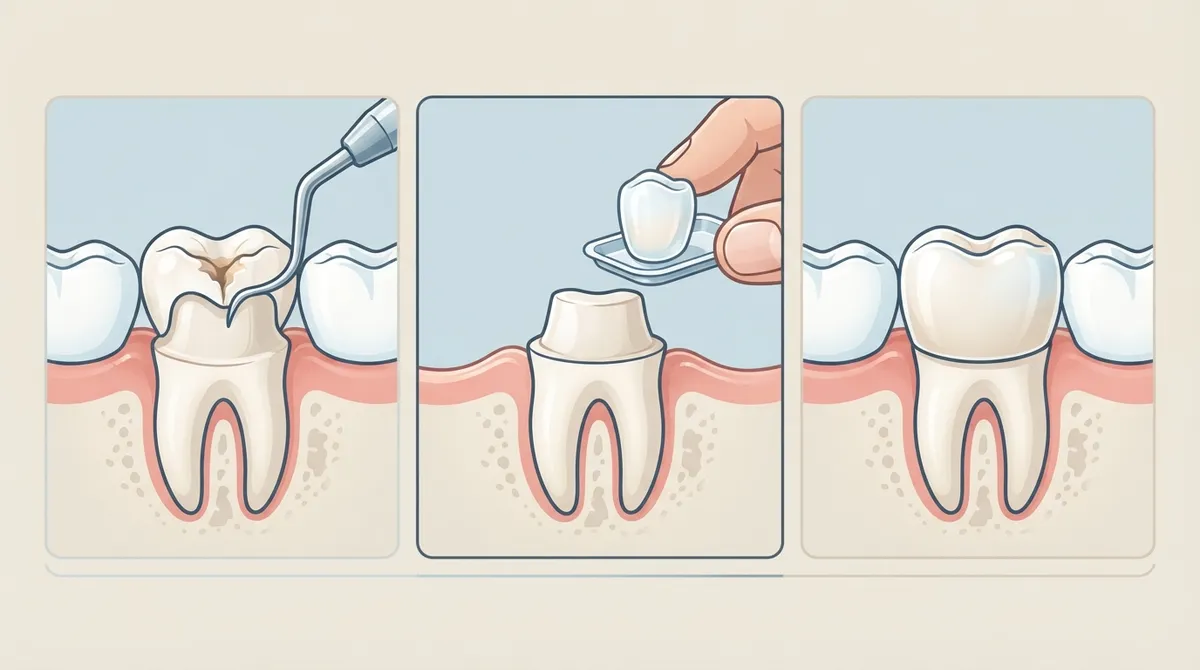
A dental crown is a custom-made cap. It fits right over your damaged tooth like a tiny helmet. Think of it as armor for a tooth that's lost too much of its natural strength.
According to the Cleveland Clinic, a crown restores your tooth's strength, shape, and ability to chew normally again. It can also improve how your tooth looks. Crowns aren't just for cracked teeth, either. They're used to cover teeth after root canal treatment, anchor a dental bridge, or top off a dental implant.
6 Key Facts About Crown Tooth Restoration
Here are six things every Ocoee patient should understand before getting a crown.
1. Crowns Fix More Than Just Cracks
Many people think crowns are only for broken teeth. Not true. Dentists often recommend crowns for:
- Large cavities that a filling can't fix
- Teeth weakened after root canal treatment
- Teeth with big, failing old fillings
- Severely worn or ground-down teeth
- Teeth with deep discoloration or odd shapes
If a filling can't reliably protect what's left of your tooth, a crown usually becomes the smarter choice.
2. The Process Usually Takes Two Visits
Here's what a typical crown treatment looks like, step by step:
- Your dentist examines the tooth and takes X-rays.
- Decay or damaged material gets removed.
- The tooth gets reshaped to make room for the crown.
- A digital scan or impression captures the tooth's exact shape.
- A temporary crown gets placed while your permanent one is made.
- At your second visit, the permanent crown gets checked and cemented into place.
Some offices offer same-day crowns using CAD/CAM technology, which can shorten this to a single visit. Ask your dentist which option fits your schedule and needs best.
3. Not All Crowns Are Made the Same
Crown materials matter a lot. Your dentist picks the best one based on where the tooth sits, how hard you bite, and how natural you want it to look. Here's a quick comparison:
| Material | Best For | Look | Strength |
|---|---|---|---|
| Zirconia | Back teeth, high bite force | Natural, tooth-colored | Very strong |
| Lithium-disilicate (e.max) | Front and back teeth | Excellent, translucent | Strong |
| Porcelain-fused-to-metal | Any tooth needing durability | Good, slight metal edge possible | Very strong |
| Gold alloy | Back molars, heavy chewers | Metallic, not tooth-colored | Extremely strong, long-lasting |
| Stainless steel | Children's primary teeth | Metallic, temporary use | Strong, budget-friendly |
A 2024 systematic review found that lithium-disilicate crowns had a five-year survival rate around 98.5%. Zirconia and metal-ceramic crowns weren't far behind, landing between 96.8% and 97.3%. These are solid odds for a tooth that once needed serious help.
4. Crowns Can Last a Long Time (If You Take Care of Them)
The Cleveland Clinic notes most crowns last between 5 and 15 years. Some go much longer, especially gold crowns, which the American Dental Association says can average 18 to 20 years, with some lasting over 40 years in the right patient.
Your crown's lifespan depends on a few things:
- How well you brush and floss around it
- Whether you grind your teeth at night
- Regular visits for checkups and cleanings
- The material chosen for your specific bite and tooth location
A crown protects the outside of your tooth, but it doesn't stop decay from sneaking in around the edges. That's why brushing, flossing, and seeing your dentist regularly still matters, even after your crown is placed.
5. Crowns Aren't Right for Every Situation
Sometimes a crown isn't the best fix. Your dentist might suggest something else, like:
- A simple filling for smaller cavities
- An inlay or onlay for moderate damage
- A veneer if the issue is mostly cosmetic
- An extraction followed by a dental implant if the tooth can't be saved
This is why a thorough exam matters so much. At Charming Smiles of Ocoee, Dr. Aliuska Lopez takes time to explain your options clearly, so you always know why a certain treatment is recommended.
6. Problems Can Happen, But They're Usually Manageable
Like any dental treatment, crowns come with a small chance of complications. These can include:
- Temporary sensitivity to hot or cold
- Mild gum irritation near the crown
- A crown that feels slightly high when biting down
- Rare chipping in ceramic materials
- Possible need for a root canal if the nerve becomes irritated later
Most of these issues are minor and fixable with a quick visit. Grinding your teeth, skipping cleanings, or having a high risk for cavities can raise your chances of trouble. That's why we always recommend a nightguard if you clench or grind, plus steady general dentistry care.
What Happens During Your Crown Appointment?
Feeling nervous about the process? That's completely normal. Many patients tell us they were more relaxed than expected once they got settled into the chair. Our office is built for comfort, with calming music, cozy blankets, and a team that genuinely cares about how you feel.
Here's a simple breakdown of what to expect:
- We'll numb the area so you stay comfortable throughout.
- Any decay or old filling material gets carefully removed.
- We reshape the tooth just enough to fit the crown properly.
- A scan captures the exact shape needed for your custom crown.
- A temporary crown protects your tooth while the permanent one is crafted.
- Once ready, we check the fit, color, and bite before permanently cementing it.
Most patients feel little to no discomfort thanks to local anesthesia and gentle techniques. If you deal with dental anxiety, let our team know ahead of time. We have ways to make your visit calmer and easier.
How Much Does a Crown Cost?
Costs vary based on the material chosen, the tooth's location, and whether insurance helps cover part of the treatment. Many insurance and financing options can help make treatment more affordable. We also offer a dental savings plan and flexible payment plans for patients without insurance.
Be sure to check our current specials too. We regularly offer discounts on treatments to help Ocoee families get the care they need without breaking the bank.
Caring for Your New Crown
Once your crown is in place, keeping it in great shape is simple. Follow these easy habits:
- Brush twice daily with fluoride toothpaste
- Floss around the crown every day
- Avoid chewing ice, pens, or other hard objects
- Wear a nightguard if you grind your teeth
- Keep up with regular dental visits for cleanings and checkups
These small steps go a long way toward protecting your investment and your natural tooth underneath.
Why Choose Charming Smiles of Ocoee for Your Crown?
Dr. Aliuska Lopez has built a reputation as a true smile expert here in Ocoee. Our team blends advanced dental technology with a relaxing, spa-like setting so every visit feels easy, not stressful. Whether you need a single crown or a full smile makeover with cosmetic dentistry, we're here to help.
Curious what other patients think? You can visit us on Google — Charming Smiles of Ocoee to read real reviews from folks just like you. You can also check out the Charming Smiles Facebook page or follow along on the Charming Smiles Instagram page for smile transformations and helpful tips.
For general background on crowns and other restorative options, the Cleveland Clinic's guide to dental crowns is a helpful, trustworthy resource as well.
Ready to Save Your Smile?
A damaged tooth doesn't have to mean losing it. Crown tooth restoration gives your tooth new strength and a natural look that fits right in with the rest of your smile. If you're dealing with tooth pain, sensitivity, or a cracked tooth, don't wait until it gets worse.
Our friendly team is ready to help you figure out the best path forward. You can book online anytime that works for you, or simply call us at (407) 378-3704 to get started. We'd love to help you protect your smile and feel good about it again.
FAQs
Q: When is a dental crown necessary instead of a filling?
A: Great question! A crown usually comes into play when a tooth has too much damage for a filling to handle safely. Think large cavities, cracks, or a tooth that just had a root canal. If a filling can't reliably hold up under normal chewing, a crown gives your tooth the extra strength it needs.
Q: How long does a dental crown typically last?
A: Most crowns last somewhere between 5 and 15 years, though many go much longer with good care. Gold crowns, in particular, can last 18 to 20 years or more. Brushing, flossing, and regular checkups make a huge difference in how long your crown sticks around.
Q: Does getting a crown hurt?
A: Not really! We numb the area before any work begins, so most patients feel little to no pain during the procedure. You might notice some mild sensitivity afterward, but that usually fades within a few days. If you're nervous, just let our team know, we're happy to help you feel comfortable.
Q: Can a crown be placed after a root canal?
A: Absolutely, and it's actually pretty common. A tooth that's had a root canal often becomes more brittle over time. A crown adds protection and strength, helping that tooth function normally for years to come.
Q: What should I do if my crown falls out?
A: Don't panic! Keep the crown safe if you can find it, avoid chewing on that side, and call our office right away. We'll get you in quickly to either re-cement the crown or make a new one if needed.