6 Crown Care Mistakes That Cut Your Smile Short
Learn how long dental crowns last and the 6 common mistakes that shorten their lifespan, plus tips to protect your smile for years to come.
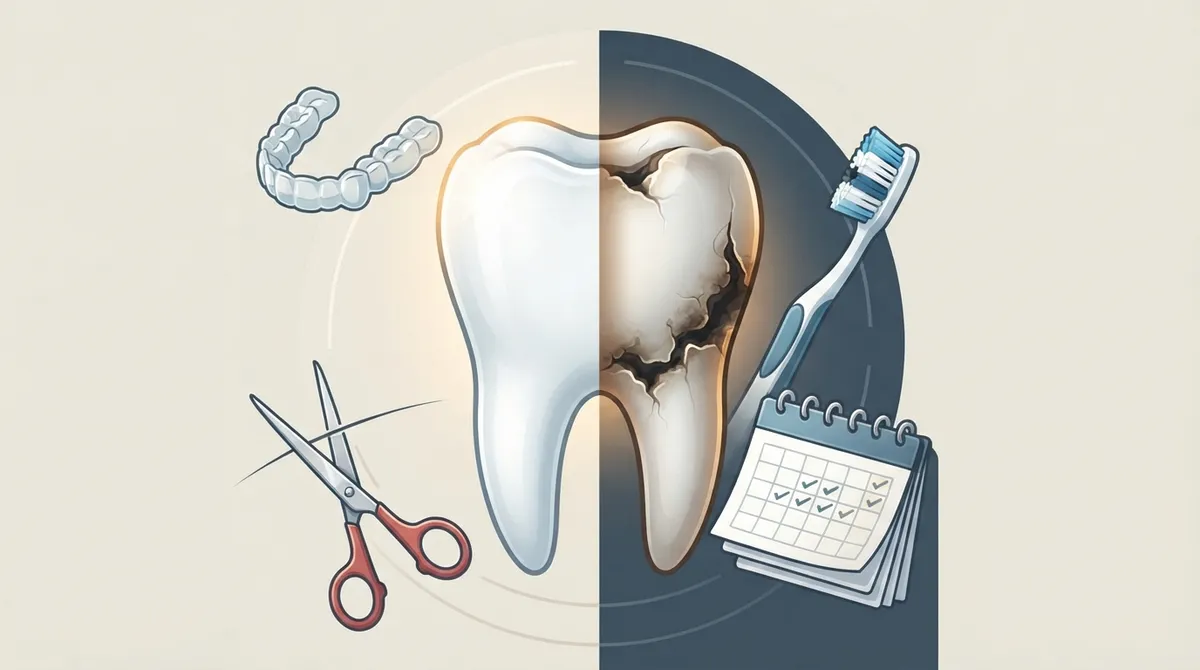
Key Takeaways
- Dental crowns last 5-15 years on average with proper care, though many survive 20+ years; metal-ceramic crowns show 95.6% survival after 5 years while all-ceramic crowns reach 93.3%, but most failures are preventable through good habits.
- Grinding your teeth at night is one of the fastest ways to damage a crown; ask your dentist about a custom night guard, especially for back molars that face higher chewing forces and show lower survival rates around 84.4%.
- Bacteria can sneak in around crown edges causing recurrent decay that develops silently; attend checkups every 6 months to catch margin decay before it requires a root canal or extraction.
- Using your teeth as tools to open bottles or tear tags puts dangerous sudden force on crowns and is one of the most preventable failure causes; use scissors and save teeth for chewing food only.
- Crown material matters for lifespan: zirconia and metal-ceramic crowns (97-98% 5-year survival) work best for high-pressure molars, while lithium-disilicate and all-ceramic suit front teeth; trust your dentist's material recommendation based on tooth location and bite force.
- Small crown problems like minor sensitivity or chips rarely stay small and can escalate to full replacements; contact your dentist promptly at first sign of issues rather than waiting months, which prevents expensive complications.
Got a dental crown? Or maybe your dentist just told you that you need one. Either way, you're probably wondering the same thing everyone asks: how long will it actually last? It's a fair question. Crowns aren't cheap, and nobody wants to redo the work in a year or two.
Here's the good news. Dental crowns can last anywhere from 5 to 15 years, and many go strong for 20 years or more. But here's the catch. A lot of patients unknowingly make small mistakes that shorten their crown's life. At Charming Smiles of Ocoee, Dr. Aliuska Lopez and her team see these issues often, and most are completely avoidable. Let's walk through the six biggest mistakes that hurt crown longevity, and what you can do instead.
How Long Do Dental Crowns Really Last?
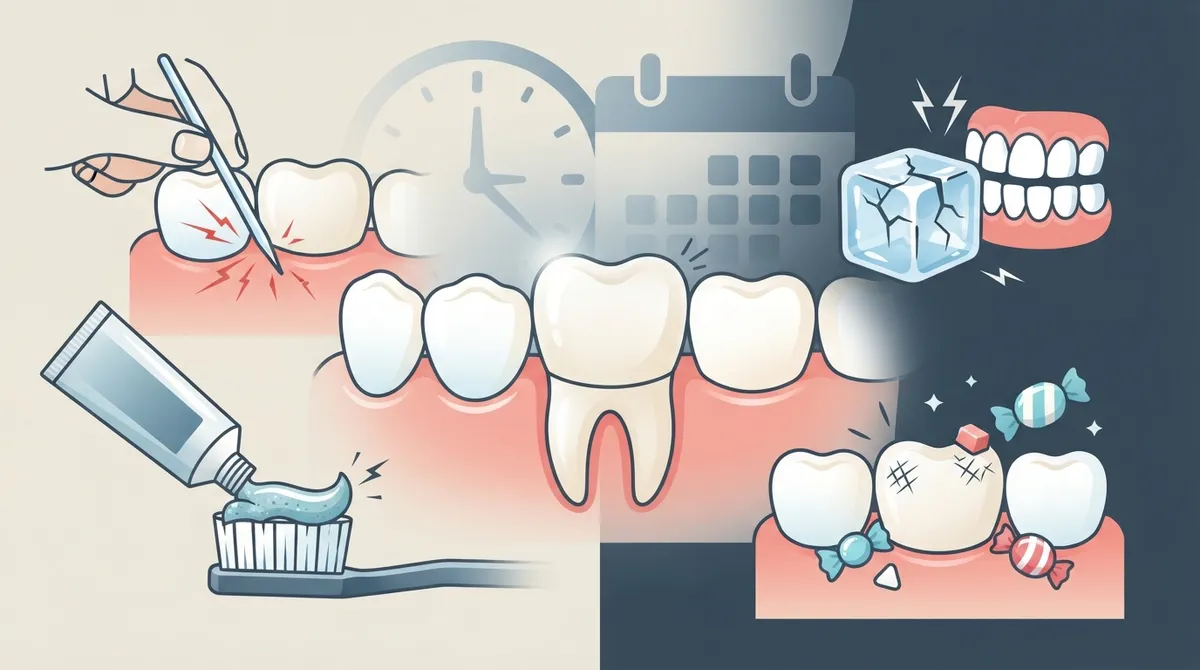
Before we get into the mistakes, let's set the facts straight. A crown isn't a lifetime guarantee. It's a strong, durable cap that protects your tooth. But it still needs care.
Research backs this up. A well-known review found metal-ceramic crowns had a 95.6% survival rate after 5 years. All-ceramic crowns came in at 93.3% over the same period. A newer 2024 review of glass-ceramic crowns found a 96% survival rate after an average of 4.6 years, based on more than 4,000 restorations. These numbers are encouraging, but they also tell us something important: most crown failures happen because of things patients (or dentists) could have prevented.
Mistake 1: Ignoring Your Bite Habits
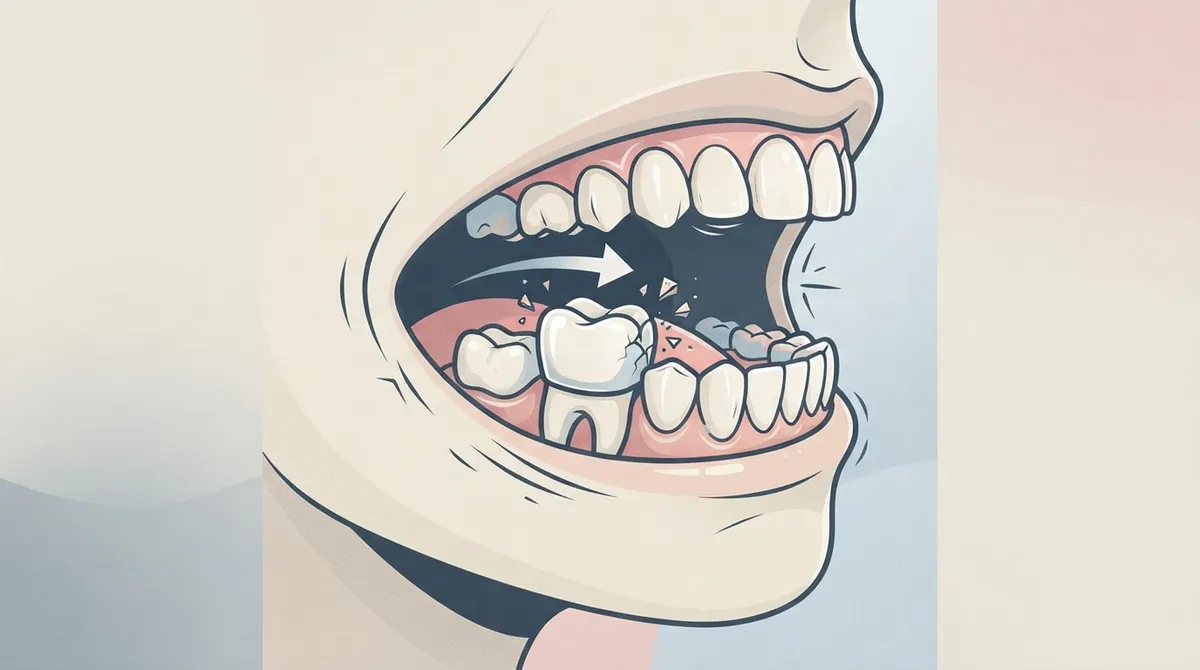
Grinding your teeth at night is one of the fastest ways to wear down a crown. Many people don't even know they grind or clench until a dentist points it out during a checkup.
Crowns on back teeth face more chewing force than front teeth. That's just physics. Some older glass-ceramic crowns showed survival rates around 84.4% on molars and premolars over 5 years, lower than sturdier materials used in those same spots. If you clench, chew ice, or bite your nails, you're adding stress your crown wasn't built to handle every day.
The fix: Ask about a custom night guard. It's a simple, affordable way to protect your investment. Our team offers general dentistry services that include bite evaluations to catch this early.
Mistake 2: Skipping Regular Dental Checkups
Here's something a lot of people don't realize: a crown doesn't stop decay. It covers the tooth, but bacteria can still sneak in around the edges, called the margin. This is called recurrent decay, and it's one of the top reasons crowns fail.
Without regular checkups, this kind of decay can grow silently under the crown for months before you feel anything. By the time you notice pain, the damage might already require a root canal or extraction.
The fix: Stick to routine visits every six months. Our regular checkups include a close look at crown margins and gum health, so small issues get caught before they become big problems. Ocoee families who stay consistent with visits tend to keep their crowns much longer.
Signs Something Might Be Wrong Under a Crown
- Sensitivity to hot or cold near the crowned tooth
- A dark line or gap at the gumline
- Bad breath or a strange taste near that tooth
- Slight looseness or movement when you bite down
- Swollen or tender gums around the crown
Mistake 3: Using Your Teeth as Tools
Opening bottle caps, ripping tags off clothes, or chewing on pens might seem harmless. But these habits put sudden, sharp force on your crown that it wasn't designed to absorb.
Crowns are strong, but they're not indestructible. A hard, unexpected bite can crack porcelain or loosen the cement holding the crown in place. This is one of the more common (and most preventable) reasons patients end up needing early repairs or replacements.
The fix: Keep scissors nearby and save your teeth for chewing food. If you already chipped or damaged a crown, don't wait. Our emergency dentistry team can often fix minor damage quickly before it turns into a bigger issue.
Mistake 4: Poor Oral Hygiene Around the Crown
Brushing quickly or skipping flossing near a crowned tooth is a mistake many patients don't think twice about. But the area where the crown meets your natural tooth is a hotspot for plaque buildup.
Over time, that buildup can lead to gum disease and decay right at the base of the crown. This weakens the support structure and can eventually cause the crown to fail, even if the crown itself is in perfect shape.
Simple Habits That Protect Your Crown
- Brush twice daily with fluoride toothpaste, focusing gently on the gumline
- Floss daily, including around and under the crown
- Limit sugary snacks and acidic drinks like soda
- Avoid tobacco products, which increase gum disease risk
- Use an antibacterial mouthwash if your dentist recommends one
These small daily steps make a real difference. Our dental services include hygiene coaching so patients leave every visit knowing exactly how to care for their smile at home.
Mistake 5: Choosing the Wrong Material for Your Situation
Not all crowns are the same. Zirconia, porcelain-fused-to-metal, and lithium-disilicate crowns each have strengths and weaknesses depending on where they go in your mouth.
Research on implant-supported crowns found 5-year survival rates of 98.3% for metal-ceramic and 97.6% for zirconia. Lithium-disilicate crowns often show 95% to 100% survival in the first five years too. But picking the wrong material for a high-pressure molar, just because it looks nicer, can shorten its lifespan significantly.
| Crown Material | Best For | Typical 5-Year Survival |
|---|---|---|
| Metal-Ceramic | Molars, high-bite-force areas | ~95.6% |
| Zirconia | Back teeth, strength-focused cases | ~97.6% (implant-supported) |
| Lithium-Disilicate | Front teeth, natural appearance | 95%–100% |
| All-Ceramic (Glass) | Front teeth, cosmetic priority | ~93.3% overall |
The fix: Trust your dentist's recommendation. Dr. Lopez, known around Ocoee as a true smile expert, considers your bite, tooth location, and lifestyle before suggesting a material. Learn more about our crowns and bridges options to see what fits your needs.
Mistake 6: Waiting Too Long to Address Small Problems
A little sensitivity here, a tiny chip there. It's easy to brush off small issues, especially if they don't hurt much. But small problems with a crown rarely stay small.
A minor crack can widen. A loose crown can shift and let bacteria in. What starts as an easy fix can turn into a full replacement, or worse, a root canal, if you wait too long. Reported survival rates for crowns are based on crowns getting proper care and timely repairs along the way, not on patients ignoring warning signs for months.
The fix: If something feels off, call your dentist. Don't wait for your next scheduled cleaning. Our team offers prompt evaluations, and you can always call us at (407) 378-3704 if you notice any changes with your crown.
What Affects Crown Lifespan the Most?
To sum it up, here are the biggest factors that determine how long your crown will last:
- The material used and where the crown sits in your mouth
- How well you keep up with brushing, flossing, and checkups
- Whether you grind your teeth or use them as tools
- Your diet, including sugar and acidic drink intake
- How quickly you address small issues before they grow
- The skill and precision of the dentist who placed the crown
That last point matters more than people realize. A precise fit reduces the risk of decay sneaking in around the edges. This is why choosing an experienced, detail-focused practice makes such a big difference over the life of your crown.
Why Ocoee Patients Trust Charming Smiles for Crown Care
At Charming Smiles of Ocoee, we don't just place a crown and send you on your way. Dr. Lopez and her team focus on getting the fit right the first time, using advanced technology and a gentle touch that's especially helpful if you deal with dental anxiety. Our spa-like office near Publix in Ocoee makes every visit feel calm instead of stressful.
We also make care easier on your wallet. We accept major insurance plans, including MetLife, Delta Dental, Cigna, and more, plus flexible insurance and financing options like CareCredit and Cherry Financing. If you're not sure your plan is covered, just give us a call and we'll check your benefits for you. You can also explore our dental savings plan or browse our current specials, including a $129 complete adult checkup that's a great way to get your crown evaluated.
Curious what other patients say about their experience? You can visit us on Google — Charming Smiles of Ocoee to read real reviews, or check out our Charming Smiles Facebook page and Charming Smiles Instagram page for smile transformations and patient stories. For general background on crown care standards, the American Dental Association also offers helpful patient resources.
Final Thoughts on Making Your Crown Last
A dental crown is an investment in your smile and your comfort. With the right care, it can serve you well for a decade or longer. The biggest threats to that lifespan aren't usually the crown itself. They're the small, everyday habits we talked about here: skipping checkups, grinding your teeth, using teeth as tools, and ignoring warning signs.
The good news is that every one of these mistakes is fixable. Small changes now can save you time, money, and discomfort down the road. If it's been a while since your crown was checked, or if something feels off, don't wait. Reach out and book an appointment at our location in Ocoee, and let Dr. Lopez and her team make sure your smile stays strong for years to come.
FAQs
Q: How long do dental crowns last on average?
A: Most dental crowns last between 5 and 15 years, and many go strong for 20 years or more with good care. It really comes down to the material, where the crown sits in your mouth, and how well you take care of it day to day.
Q: Do zirconia crowns last longer than porcelain crowns?
A: Zirconia crowns tend to hold up very well, especially on back teeth that handle heavy chewing. Studies show survival rates around 97.6% after 5 years for implant-supported zirconia crowns, which is right in line with other strong materials like metal-ceramic.
Q: Can a tooth decay underneath a crown?
A: Yes, absolutely. A crown protects the top of your tooth, but bacteria can still sneak in around the edges if you're not brushing and flossing well. That's why regular checkups matter so much, even after you get a crown.
Q: What causes a dental crown to fail or fall out?
A: The most common culprits are decay at the crown's edge, cracked or worn cement, grinding your teeth, and using your teeth to open things they shouldn't. Catching small issues early usually prevents a full failure.
Q: When should I get my dental crown replaced?
A: You shouldn't replace a crown just because it's a certain age. Instead, watch for sensitivity, looseness, visible decay, or gum changes around it. Your dentist can check the crown's fit and health during a routine exam and let you know if replacement makes sense.