5 Signs You've Found an Experienced Crown Specialist
Learn the 5 signs that separate an experienced crown specialist from the rest, plus what to expect during treatment, costs, and how long crowns last.
Key Takeaways
- Ask potential dentists specifically how many crowns they place monthly and their training in crown/bridge work - experience with hundreds of placements significantly improves long-term outcomes compared to less experienced providers.
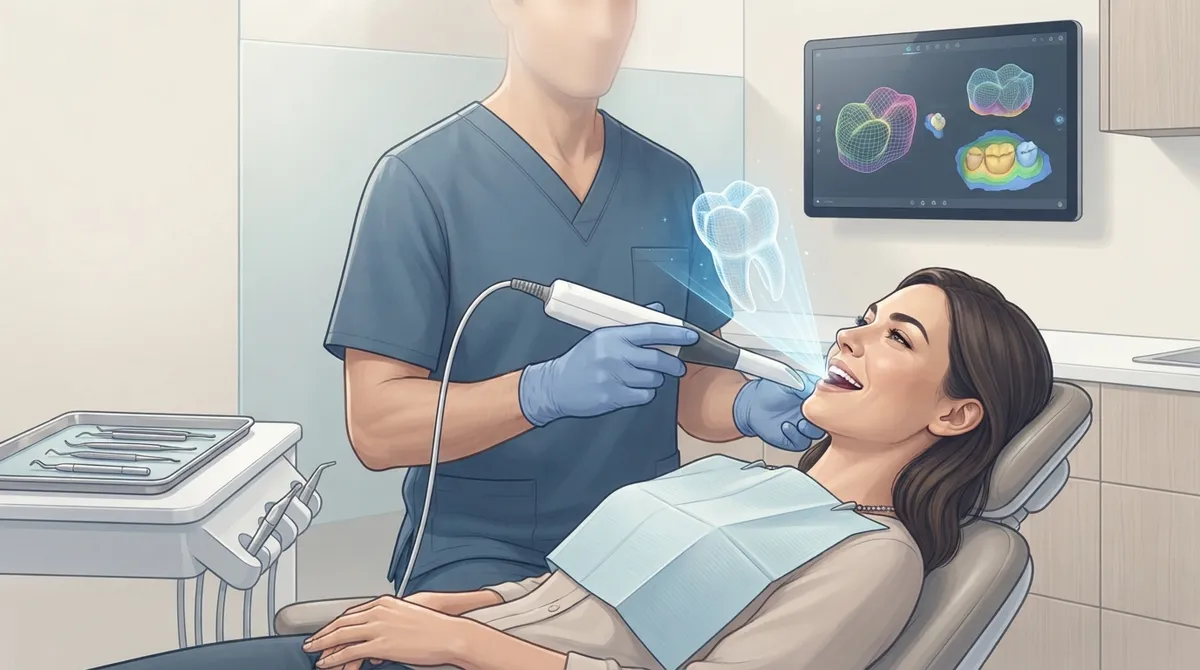
- Digital scanning and CAD/CAM technology produce better-fitting crowns with less adjustment time and lower remake risk compared to traditional putty impressions and multiple visits.
- A skilled specialist evaluates your entire mouth - gum health, bite alignment, grinding habits, and remaining tooth structure - not just the damaged tooth, preventing future crown failure.
- Experienced dentists present all treatment alternatives (fillings, inlays, veneers, implants) with honest pros and cons rather than automatically recommending crowns.
- Most crowns last 10-15 years, but lifespan depends heavily on original placement quality, your daily oral hygiene, and whether you grind/clench teeth - regular checkups catch problems early.
- Watch for warning signs like sharp biting pain, new sensitivity, loose crowns, visible cracks, or gum swelling - early detection prevents more expensive and complex repairs.
Cracked a tooth biting into that popcorn kernel? Or maybe your dentist just told you that old filling needs a crown now. Either way, you're probably wondering how to find someone who really knows what they're doing. Not all crown work is the same, and picking the right dentist matters more than you might think.
Here's the good news: finding an experienced crown specialist doesn't have to feel overwhelming. In this guide, we'll walk through exactly what sets a skilled crown provider apart from the rest. Whether you're a busy parent squeezing in an appointment between school pickups or someone who's nervous about dental work, we've got you covered.
At Charming Smiles of Ocoee, we see patients every week who need crowns for all kinds of reasons. Some have cracked teeth. Others need crowns after a root canal. A few just want their smile to look natural again. No matter the reason, the same rule applies: experience matters when it comes to lasting results.
1. They Have Real, Documented Experience With Crowns
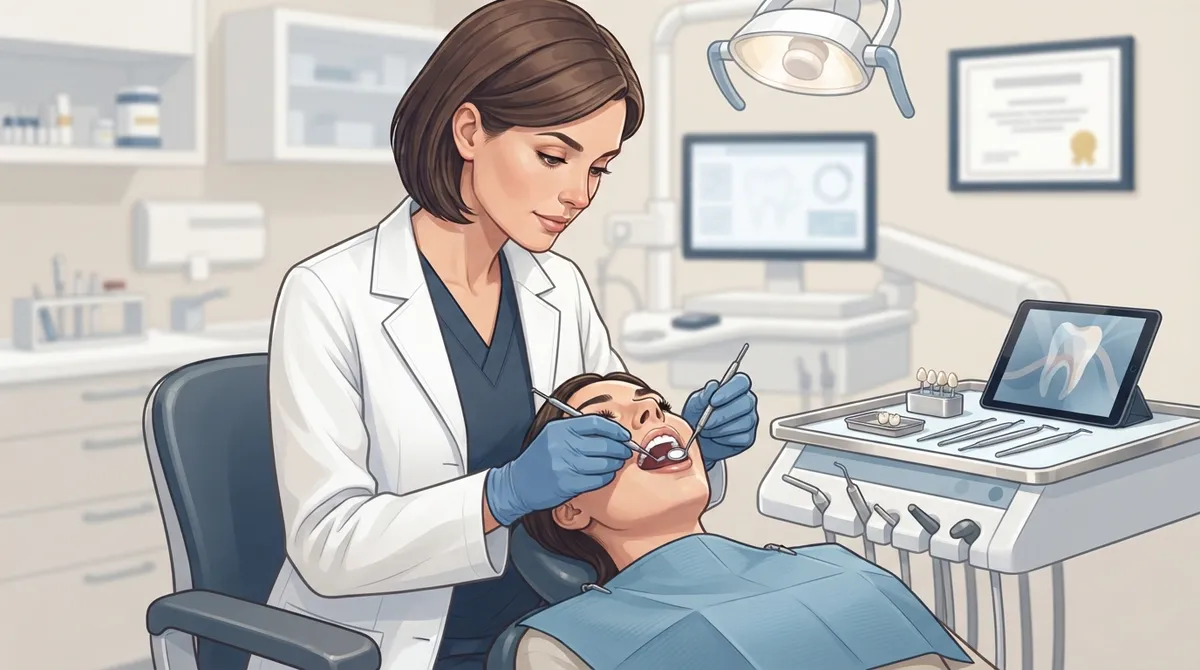
An experienced crown specialist isn't just someone with a dental degree. It's a dentist who has placed hundreds, even thousands, of crowns over the years. This could be a general dentist with deep restorative experience, or it might be a prosthodontist, a specialist trained specifically in crowns, bridges, dentures, and implant-supported restorations.
Don't be shy about asking questions. A good dentist won't mind if you ask how many crowns they place each month. You can also ask about their training and how long they've focused on crowns & bridges specifically. This isn't rude. It's smart.
Here's what to look for:
- Years of hands-on crown placement experience
- Specific training in the type of crown you need (front tooth vs. back tooth cases differ a lot)
- Clear answers when you ask about their process
- A track record you can verify through reviews or referrals
Research backs this up too. A 2025 systematic review found that indirect restorations, which include many crowns, had a 10-year survival rate of nearly 93 percent. But outcomes varied a lot based on how complex the case was and how skilled the provider was. Experience really does change the numbers in your favor.
2. They Use Modern Technology, Not Guesswork
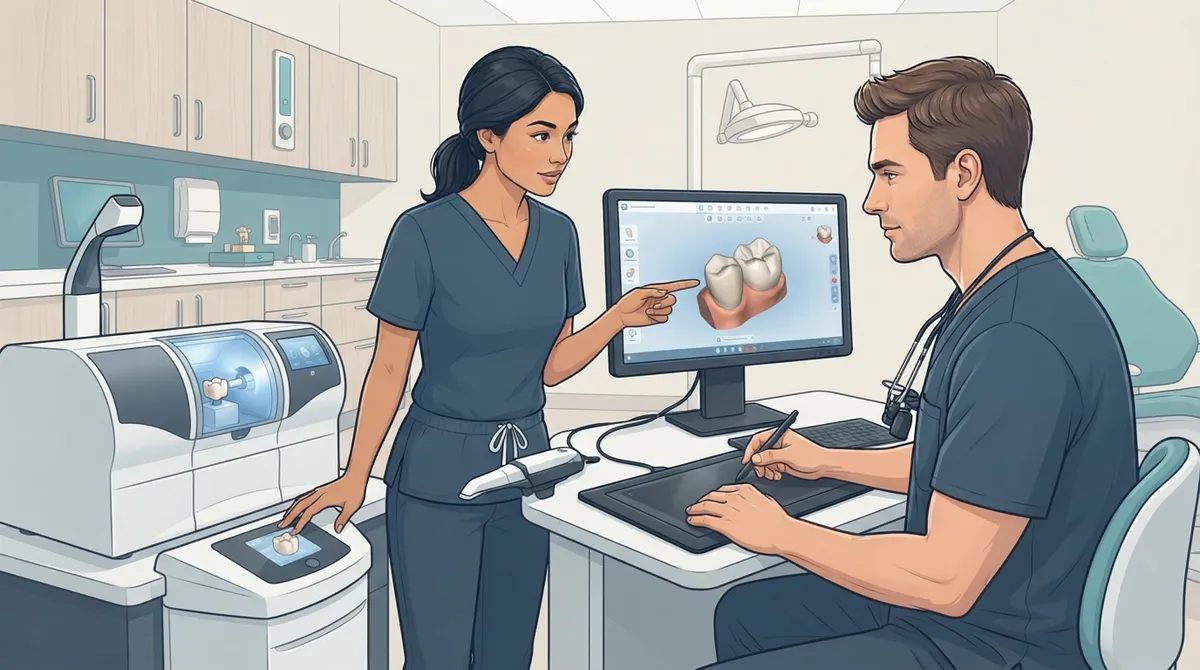
Old-school crown fittings involved messy putty impressions and multiple visits. Today's experienced dentists often use digital scanning and CAD/CAM technology to design crowns with incredible accuracy.
Why does this matter for you? A crown made from a precise digital scan tends to fit better. That means less adjustment time in the chair and a lower chance of needing a remake down the road. If you're the type of patient who dreads sitting in a dental chair longer than necessary, this technology is your friend.
Ask your dentist these questions before your appointment:
- Do you use digital impressions instead of the old putty trays?
- Can you offer same-day crowns with in-office milling technology?
- What lab do you partner with for crowns that need outside fabrication?
- How do you check the bite and fit before finalizing the crown?
An experienced provider will answer these clearly and without hesitation. That confidence is a good sign you're in capable hands.
3. They Look Beyond Just the Tooth in Question
Here's something a lot of patients don't realize. A great crown specialist doesn't just look at the damaged tooth. They look at your whole mouth. Gum health, bite pressure, whether you grind your teeth at night, and even how much natural tooth structure remains all play a role in planning your treatment.
This kind of thorough evaluation helps prevent future problems. For example, if you clench your jaw at night and nobody catches it, your brand-new crown could crack sooner than expected. An experienced specialist checks for these risk factors before moving forward.
Some of the key factors a skilled dentist evaluates include:
- How much healthy tooth structure remains to support the crown
- Whether a root canal is needed first
- Gum tissue health around the affected tooth
- Your bite alignment and any signs of grinding
- Which material works best for your specific tooth (ceramic, zirconia, porcelain-fused-to-metal, or metal alloys)
This is exactly the kind of careful planning you'll find with our team. If you want to learn more about the process, our page on general dentistry walks through how comprehensive exams support better outcomes.
4. They Make You Feel Comfortable, Not Rushed
If you're someone who gets nervous just thinking about the dentist, this point matters a lot. An experienced crown specialist knows that patient comfort directly affects treatment success. Tense muscles and rushed appointments can lead to mistakes, and nobody wants that.
At Charming Smiles of Ocoee, we've built our whole practice around this idea. Our spa-like environment includes calming touches designed to ease anxiety during treatment. Dr. Aliuska Lopez and our team understand that a relaxed patient is easier to treat well, and that leads to better long-term results for your crown.
If dental anxiety has kept you away from getting the care you need, know that you're not alone. Many of our patients felt the same way before their first visit. You can read what others have said by visiting our page and seeing how Charming Smiles of Ocoee patients share their experiences on Google.
5. They Talk You Through All Your Options, Not Just Crowns
A truly experienced dentist won't push a crown on you if it's not the best choice. Sometimes a filling, a bonded inlay, or even orthodontic treatment might solve the problem better. A good specialist explains all reasonable options along with the pros, cons, and costs of each.
This table breaks down common alternatives to crowns and when each one might make sense:
| Treatment Option | Best For | Considerations |
|---|---|---|
| Filling | Small to moderate decay | Less costly, but not enough for severely damaged teeth |
| Inlay or Onlay | Moderate damage, partial coverage | Preserves more natural tooth than a full crown |
| Veneer | Cosmetic front-tooth changes | Doesn't address structural damage the way a crown does |
| Crown | Cracked, weakened, or heavily restored teeth | Offers full coverage and long-term protection |
| Extraction + Implant | Teeth beyond saving | Bigger procedure, but a strong long-term solution |
If you're weighing your options, it helps to talk it through with a professional who isn't in a rush to sell you one specific treatment. Our team walks patients through choices like veneers and dental implants whenever those might be a better fit than a crown alone.
What Actually Happens During Crown Treatment
If you've never had a crown before, the process might feel a little mysterious. Here's a simple breakdown of what typically happens, step by step:
- Exam and imaging. Your dentist checks the tooth and may take X-rays or 3D images to see what's happening below the surface.
- Removing damage. Any decay or weakened tooth structure gets cleared away first.
- Shaping the tooth. The tooth is reshaped so the crown can fit over it properly.
- Taking an impression. This can be done digitally with a scanner or with traditional putty molds.
- Temporary crown placement. While your permanent crown is being made, a temporary one protects the tooth.
- Final crown fitting. Once ready, the permanent crown is checked for fit, bite, and color match, then cemented into place.
This whole process, when done by a skilled dentist, results in a crown that feels natural. It should blend with your other teeth, feel comfortable when you bite down, and not catch food or floss around the edges.
How Long Should a Crown Actually Last?
This is one of the most common questions patients ask, and it's a fair one. Most dental crowns last somewhere between 10 and 15 years, according to published clinical research. Some last much longer with good care, while others may need attention sooner depending on a few factors.
A 2025 study following teeth restored with crowns after crown lengthening found survival rates of 96.8 percent at 5 years and 95 percent at 10 years. That's a strong outcome, though the same study also noted complications occurred in some cases, including issues related to the crown itself, the tooth's nerve, or the surrounding gum tissue.
What affects how long your crown lasts? A few big factors include:
- How well the crown was prepared and fitted in the first place
- Your daily oral hygiene habits
- Whether you grind or clench your teeth
- Regular dental checkups to catch small problems early
- The material chosen for your specific bite and tooth location
In short, a skilled specialist gives your crown the best possible start. But your daily habits and regular visits keep it going strong for years.
What Does a Crown Cost?
Cost is often the elephant in the room, so let's address it directly. According to 2025 dental cost guides, a single crown typically runs between $800 and $2,500 in the United States. The price depends on your location, the material used, whether the lab fabricates it or it's made in-office, and how complex your case is.
Many dental insurance plans classify crowns as a major restorative service. This usually means your plan covers around 40 to 60 percent of the allowed amount, though this varies quite a bit depending on your deductible, waiting periods, and annual maximum. It's always smart to ask your insurer for a pre-treatment estimate before moving forward.
If cost is a concern, know that there are ways to make treatment more manageable. Our practice offers insurance & financing options and a dental savings plan designed to help patients get the care they need without financial stress. We also offer flexible payment plans and regularly update our current specials to help new and existing patients save.
Signs Your Crown May Need Attention
Even a well-placed crown needs occasional check-ins. Here are signs that something might be off:
- Sharp pain when biting down or chewing
- Sensitivity to hot or cold that wasn't there before
- A crown that feels loose or wiggly
- Visible cracks or chips in the crown material
- Gum swelling or tenderness around the crowned tooth
- A bad taste or odor coming from the area
If you notice any of these signs, don't wait it out. Catching problems early usually means simpler, less expensive fixes. Our emergency dentistry team is ready to help if something feels wrong right away.
Why Families in Ocoee Trust Our Team
Whether you're a parent trying to squeeze in dental care between soccer practice and homework, a senior looking for gentle and modern treatment, or someone who's simply nervous about the dentist's chair, our goal is the same. We want every patient to leave feeling confident about their smile and their experience.
Dr. Aliuska Lopez has built a reputation as a trusted smile expert in Ocoee, known for precision, compassion, and a genuine commitment to patient comfort. Our practice blends advanced dental technology with a relaxing, spa-like atmosphere so that even nervous patients feel at ease. You can see what real patients have to say by checking out our Charming Smiles Facebook page or following along on our Charming Smiles Instagram page for before-and-after smiles and patient stories.
We also know that scheduling around a busy life isn't always easy. That's why we make it simple to book online whenever works best for you, day or night.
Ready to Get Your Crown Done Right?
Choosing the right dentist for your crown isn't something to rush. Look for real experience, modern technology, thorough planning, a comfortable environment, and honest communication about all your treatment options. When you find all five, you've found a specialist worth trusting with your smile.
If you're ready to talk about your crown options or you're dealing with tooth pain right now, our team at Charming Smiles of Ocoee is here to help. Visit our location near Publix in Ocoee, or simply call us at (407) 378-3704 to schedule your consultation today. Your comfortable, confident smile is closer than you think.
FAQs
Q: What does an experienced crown specialist do?
A: They diagnose damaged teeth, plan the right treatment, choose the best crown material for your bite, and place a crown that fits comfortably and looks natural. Basically, they handle everything from the exam to the final fit with a lot of skill and care.
Q: Should I see a prosthodontist or a general dentist for a dental crown?
A: Many general dentists with strong restorative experience handle crowns beautifully, especially for straightforward cases. For more complex situations, like multiple crowns or full mouth reconstruction, a prosthodontist might be recommended. Either way, experience matters more than the specific title.
Q: How long does a dental crown last?
A: Most crowns last between 10 and 15 years, though many last even longer with good care. Your daily habits, regular checkups, and the quality of the original placement all play a role in how long your crown holds up.
Q: How much does a dental crown cost without insurance?
A: Crowns typically cost between $800 and $2,500, depending on the material and complexity of your case. We understand this is a big range, so we're happy to walk you through exact pricing during your consultation and discuss financing options that fit your budget.
Q: What are the signs that a dental crown needs to be replaced?
A: Watch for pain when chewing, new sensitivity to hot or cold, a loose feeling crown, visible cracks, or swelling around the gum line. If you notice any of these, it's best to get it checked out sooner rather than later.