4 Invisalign Effectiveness Studies Ocoee Patients Should Know
Discover what 4 major Invisalign effectiveness studies reveal, and learn how Charming Smiles of Ocoee applies this research to your smile.
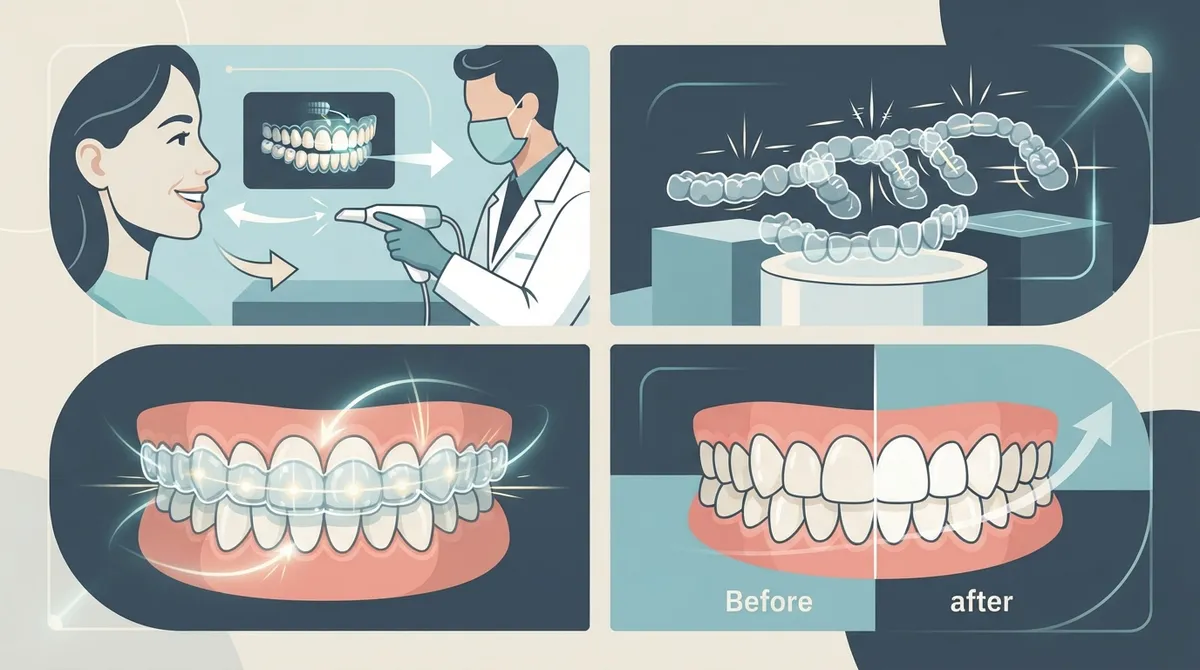
Thinking about Invisalign but not sure if it really works? You're not alone. So many of our patients at Charming Smiles of Ocoee ask the same question before they commit to clear aligners. The good news? Researchers have been studying Invisalign for years, and the results can help you make a smart, confident choice. Let's break down what the science actually says, in plain and simple terms.
Dr. Aliuska Lopez and our team believe you deserve real answers, not just marketing promises. That's why we're walking you through the top invisalign effectiveness studies and what they mean for your smile. Whether you're a busy parent, a teen headed to prom, or an adult finally ready to fix that gap you've hated since high school, this guide is for you.
Why Invisalign Effectiveness Studies Matter
Clear aligners have become incredibly popular over the past decade. But popularity doesn't always mean proven results. That's why researchers keep digging into the data, comparing Invisalign to traditional braces and tracking real patient outcomes.
These studies help dentists and orthodontists understand exactly when Invisalign works best. They also reveal where it might struggle. Knowing this information helps you and your Invisalign provider set realistic goals from day one.
Who Should Pay Attention to This Research
- Teens and young adults considering discreet teeth straightening
- Parents researching options for their children's smiles
- Adults with mild to moderate crowding or spacing issues
- Anyone comparing Invisalign to traditional metal braces
- Patients who want to know how long treatment might take
- People curious about accuracy and predictability of results
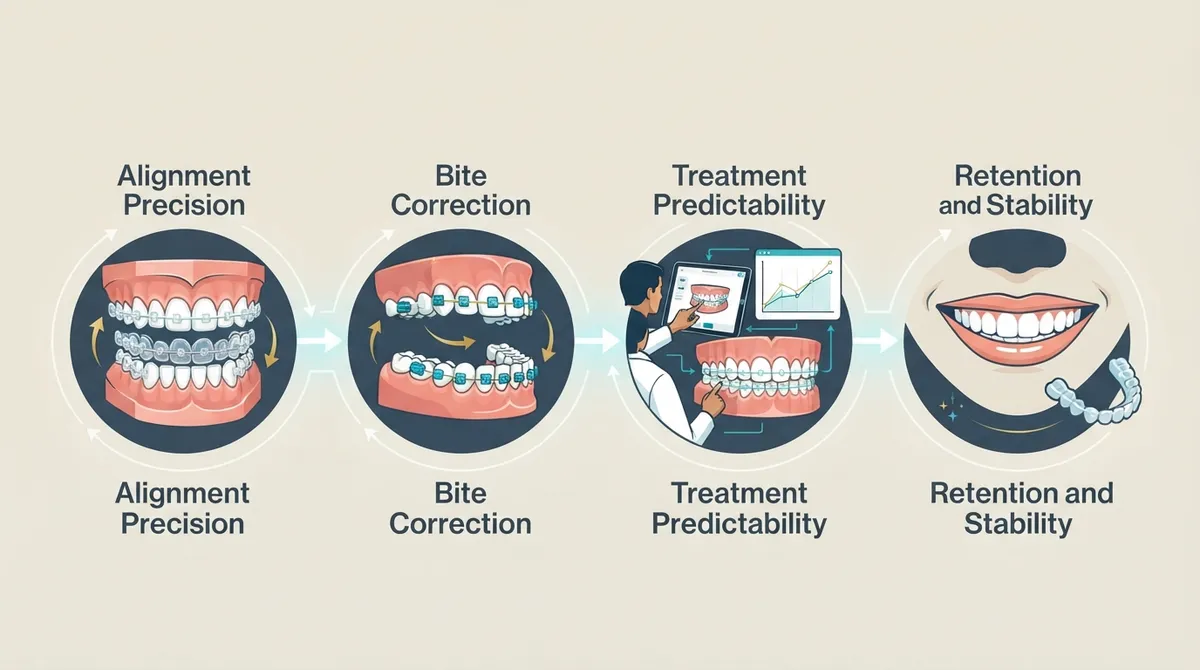
4 Key Invisalign Effectiveness Studies You Should Know
Let's look at four major findings from clinical research. Each one gives you a clearer picture of what to expect.
1. Prospective Clinical Study on Tooth Movement Accuracy
One well-known prospective clinical study measured how accurately Invisalign moves teeth compared to the digital treatment plan. The finding? An overall mean tooth-movement accuracy of just 41%. That sounds low at first glance, but it doesn't mean Invisalign fails. It means some movements are harder to predict than others, and your provider needs to plan carefully with refinements built in.
This is exactly why choosing an experienced provider matters so much. At Charming Smiles of Ocoee, we build in checkpoints throughout your treatment to catch any movements that aren't tracking as planned, then adjust with refinement trays as needed.
2. Retrospective Case-Control Study on Treatment Time
A retrospective case-control study compared patients who used Invisalign against those who wore fixed braces. Both groups saw real improvement in their bite and alignment. But Invisalign patients finished their treatment 5.7 months faster on average in that sample.
Faster treatment means less time managing brackets and wires. For busy families and working adults in Ocoee, that shorter timeline can make a huge difference in daily life.
3. Systematic Review Comparing Invisalign to Fixed Braces
A larger systematic review pooled data from multiple studies to compare Invisalign against traditional braces overall. The pooled analysis showed an odds ratio of 0.61 for shorter treatment time with Invisalign, suggesting it often finishes quicker. However, when researchers looked at overall efficacy, the odds ratio was 1.43, a trend toward better results with Invisalign, but not a rock-solid, definitive difference.
In simpler terms: Invisalign tends to work just as well as braces for many patients, and sometimes it's even faster. But the science says results can vary from case to case, which is why a personalized consultation matters more than a one-size-fits-all answer.
4. Literature Review on Specific Tooth Movements
Not every tooth movement is created equal. A detailed literature review broke down accuracy by movement type, and the numbers are fascinating:
- Arch expansion accuracy: 72.8% for upper teeth, 87.7% for lower teeth
- Molar distalization (moving back molars): 87% accuracy
- Rotations, intrusions, and extrusions: Generally less predictable
- Overbite correction: More challenging to achieve with full accuracy
This tells us Invisalign shines brightest for widening arches and shifting back molars. It's less reliable for twisting teeth into place or making major vertical changes. That's valuable information when your dentist is mapping out your treatment plan.
What Systematic Reviews Say About Invisalign Overall
Multiple systematic reviews have looked at Invisalign as a whole and reached a similar conclusion. Invisalign is a viable alternative to fixed appliances for many orthodontic cases. This is especially true for mild to moderate crowding and simple alignment problems.
Manufacturer clinical evidence points to more than 800 peer-reviewed publications on Invisalign over the past 10 years. That's a huge body of research. Still, independent reviewers remind us that outcomes vary depending on the case type and treatment goals. Not every smile is the same, and that's exactly why personalized care matters.
Common Limitations Found in the Research
Review literature does point out a few limitations worth knowing about:
- Many older studies used small sample sizes
- Study designs have historically been inconsistent across research groups
- There has been a lack of large randomized controlled trials
- The evidence base has grown steadily over time, improving confidence in findings
The takeaway? Invisalign research keeps getting stronger every year. And as more data comes in, dentists get better tools to predict who will benefit most.
Invisalign vs. Braces: A Quick Comparison
Here's a simple table to help you compare what the studies tell us about Invisalign and traditional braces.
| Factor | Invisalign | Traditional Braces |
|---|---|---|
| Best for | Mild to moderate crowding, spacing | Mild to severe cases, complex bites |
| Treatment time | Often shorter in some studies | Can be longer on average |
| Visibility | Nearly invisible | Visible metal or ceramic brackets |
| Movement accuracy | Strong for expansion, distalization | Consistent across most movement types |
| Daily care | Removable, easy to clean around | Fixed, requires special cleaning tools |
What Types of Cases Work Best With Invisalign
Based on the research, here's a simple list of cases where Invisalign tends to perform well:
- Mild to moderate crowding
- Spacing issues and gaps between teeth
- Arch expansion needs
- Cases requiring molar distalization
- Non-extraction cases
- Patients who want a discreet option for work or social settings
On the flip side, cases involving significant rotations, major bite corrections, or complex vertical movements may need extra planning, additional aligners, or sometimes a combination approach. This is where an experienced provider like Dr. Lopez really makes a difference, since she can spot these challenges early and adjust your plan.
How Charming Smiles of Ocoee Uses This Research
We don't just read the studies. We apply them every single day at our Ocoee practice. Dr. Lopez reviews your bite, your goals, and your smile's unique needs before recommending Invisalign or another option like traditional orthodontics.
Our spa-like environment also makes the process more comfortable. Soft music, cozy blankets, and a calming atmosphere help even the most anxious patients feel at ease during check-ins and adjustments. If dental visits usually make you nervous, our team is trained to help you relax every step of the way.
Steps We Take to Maximize Your Invisalign Results
- Complete a thorough exam and digital scan of your teeth
- Review your bite and identify which movements may need extra attention
- Create a custom treatment plan with realistic timelines
- Monitor progress closely and use refinement trays if needed
- Provide retainers after treatment to protect your new smile
We currently offer a free Invisalign consultation and $200 off treatment plans, making it easier than ever to start your journey toward a straighter smile.
Real Patients, Real Ocoee Smiles
Our patients throughout Ocoee, from busy parents to working professionals, have seen firsthand how Invisalign can transform their smile without disrupting their daily routine. Many describe the process as smoother and more comfortable than they expected. You can follow our Charming Smiles Facebook page or check out our Charming Smiles Instagram page to see real transformations and patient stories.
We're also proud of our reputation in the community. You can visit us on Google to see what our Charming Smiles of Ocoee patients say about their experience with Invisalign and other treatments.
Financing and Insurance Made Simple
Cost shouldn't stand between you and a confident smile. We accept many major insurance plans and offer flexible insurance & financing options, including third-party financing through CareCredit, Alphaeon Credit, and Cherry Financing. We also have payment plans designed to fit your budget.
If you'd rather skip insurance paperwork altogether, ask us about our dental savings plan, which gives you 25% off most procedures along with covered exams and cleanings.
Frequently Considered Alternatives and Related Treatments
Sometimes Invisalign works best alongside other treatments for a complete smile transformation. Many of our patients combine clear aligners with teeth whitening services or veneers for a full smile makeover. Others start with a general checkup through our general dentistry services before moving into orthodontic treatment.
For families, we also offer pediatric dentistry to help kids start their oral health journey early, setting the stage for smoother orthodontic care down the road.
Ready to See If Invisalign Works for You?
The research is clear: Invisalign is a proven, effective option for many patients, especially when guided by an experienced provider who understands the science behind tooth movement. At Charming Smiles of Ocoee, Dr. Aliuska Lopez and our team combine the latest clinical evidence with a warm, relaxing environment to help you achieve the smile you deserve.
Don't wait to start your journey toward straighter teeth. Book online today for your free Invisalign consultation, or feel free to call us at (407) 378-3704 to speak with our friendly front desk team. We're conveniently located near Publix in Ocoee and can't wait to help you feel confident about your smile.
FAQs
Q: How effective is Invisalign compared with braces?
A: Research shows Invisalign works about as well as traditional braces for many patients, especially with mild to moderate alignment issues. Some studies even found Invisalign patients finished treatment faster, though results can vary case by case.
Q: What tooth movements are hardest to achieve with Invisalign?
A: Rotations, intrusions, extrusions, and overbite correction tend to be less predictable with Invisalign. Arch expansion and molar distalization, on the other hand, show much higher accuracy in clinical studies.
Q: How accurate are Invisalign treatment predictions?
A: One prospective clinical study found an overall mean tooth-movement accuracy of 41 percent. That's why regular check-ins and refinement trays are so important during treatment, something our team prioritizes for every patient.
Q: Do Invisalign treatments usually take less time than braces?
A: In some studies, yes. One case-control study found Invisalign patients finished about 5.7 months faster than those wearing fixed braces. However, treatment time always depends on your specific case.
Q: Is Invisalign effective for overbite, underbite, and crossbite correction?
A: Invisalign can help with certain bite issues, but studies show these corrections are generally less predictable than simple crowding or spacing cases. A thorough consultation with our team helps determine if Invisalign is the right fit for your bite concerns.