4 Fixes for Crown Staining Discoloration in 2026
Discover why dental crowns stain, which materials resist discoloration best, and 4 proven fixes to restore your smile's brightness in 2026.
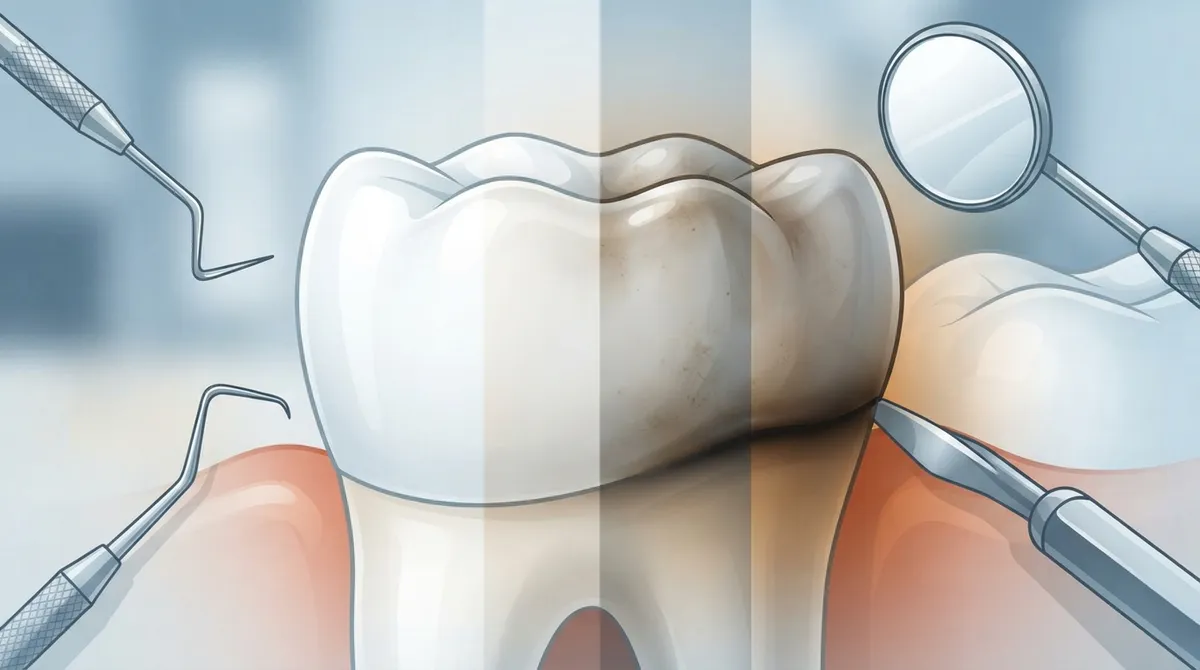
Key Takeaways
- Professional cleaning is the first step for surface stains from coffee, tea, or smoking, and many patients see significant brightness improvement after one visit; if discoloration persists, the cause likely originates underneath the crown.
- Zirconia and lithium disilicate ceramics resist staining far better than resin-based crowns, with research showing resin materials can shift color by ΔE 25.6 under smoke exposure versus the ΔE 3.3 threshold for visible changes.
- A dark line at the gumline requires professional evaluation to rule out exposed cement, gum recession, or early crown seal failure, as it may indicate decay or gum disease rather than just cosmetic discoloration.
- Whitening products only lighten natural teeth and won't change crown color, so if considering both treatments, whiten first before getting a crown to ensure proper shade matching and avoid future color mismatch.
Notice your crown looking a bit dull, gray, or yellow lately? You are not alone. Crown staining discoloration is one of the most common concerns we hear from patients at Charming Smiles of Ocoee. The good news? Most causes are easy to diagnose, and many have simple, affordable fixes. Let's walk through exactly why this happens and what you can do about it.
Your dental crown protects a tooth and helps you smile with confidence. But over time, coffee, tea, smoking, or even the material itself can cause changes in color. Sometimes the stain sits on the surface. Other times, the real problem is hiding underneath, in the tooth or gum tissue nearby. Knowing the difference matters, because it changes how we treat it.
In this friendly guide, we will break down the top reasons crowns discolor, share the best fixes for 2026, and help you know when it is time to call your dentist. Whether you live near Publix in Ocoee or just outside town, this guide was written with you in mind.
Why Does Crown Staining Discoloration Happen in the First Place
Before jumping into fixes, let's understand the root causes. Crown discoloration can come from a few different places, and each one needs a different approach.
Surface Stains From Everyday Habits
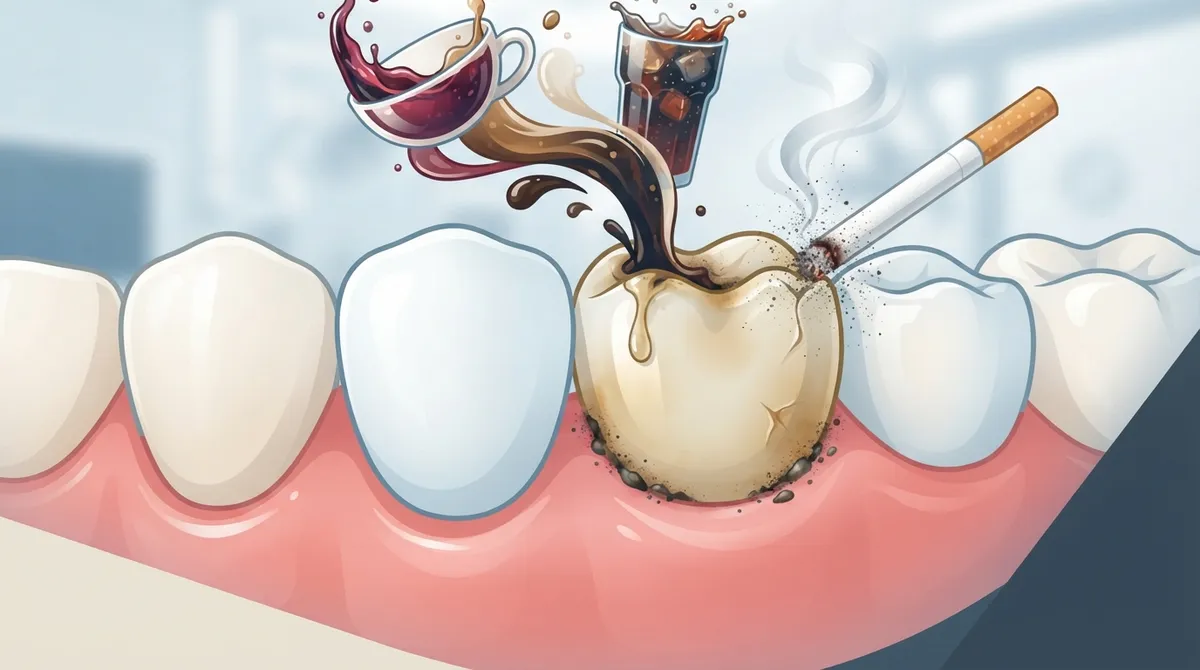
This is called extrinsic discoloration. It happens on the outside of your crown. Coffee, tea, red wine, dark sauces, and tobacco smoke are the usual suspects. Plaque buildup also plays a role, especially if the crown surface has become rough or worn over time.
A 2025 review looking at smoking and dental materials found that resin-based crowns were especially prone to noticeable color changes. Some lab tests measured shifts as high as ΔE 25.6, which is far beyond the ΔE 3.3 threshold most experts use to define a "visible" color change.
Problems Happening Inside or Underneath the Crown
Sometimes the crown material itself changes color from within. Other times, the real issue is a discolored tooth underneath, a metal post showing through, or even old cement breaking down at the edges. This is called intrinsic discoloration, and it usually needs a dentist's evaluation rather than a simple polish.
That Dark Line Near the Gum
Ever seen a grayish or dark line right where your crown meets your gum? This can be caused by a few things:
- Exposed cement at the margin
- Gum recession showing the crown edge or natural tooth root
- A metal substructure peeking through in older crown types
- Early signs of a leaking or failing crown seal
This is not always just cosmetic. It is worth a checkup to rule out decay or gum issues underneath.
4 Fixes for Crown Staining Discoloration
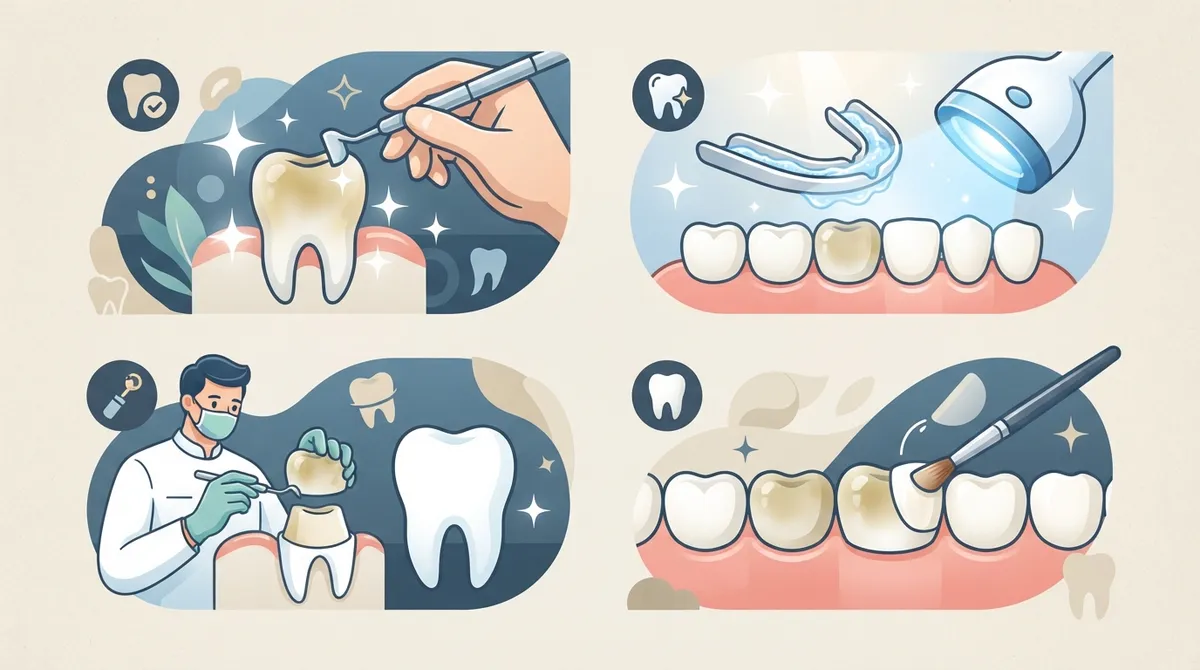
Now for the part you came here for. Below are four proven ways to address a stained or discolored crown, ranked from simplest to most involved.
1. Professional Cleaning and Polishing
This is often the first and easiest step. A professional cleaning removes surface plaque and light stains that home brushing cannot touch. Many patients are surprised how much brighter their crown looks after just one visit.
This works best for extrinsic staining, meaning stains sitting on top of the crown from coffee, tea, or smoking. If your crown still looks yellow or dull after cleaning, the cause is likely coming from inside the crown or the tooth beneath it.
2. Addressing the Real Cause Underneath
If cleaning does not solve the problem, it is time to look deeper. Your dentist may check for:
- Recurrent decay hiding under the crown edge
- A defective or leaking margin
- Gum disease affecting the tissue around the crown
- Root canal complications in a treated tooth
- Cracks in the crown material itself
Treating the underlying issue often solves the discoloration for good. This is also why routine general dentistry checkups matter so much. Catching problems early means simpler, more affordable fixes.
3. Crown Repair or Resurfacing
For crowns with minor surface damage, roughness, or small chips, repair or resurfacing may restore both appearance and function. This can smooth out areas where plaque tends to stick, reducing future staining.
This option works well when the crown structure is still sound but showing wear. It is a great middle-ground fix before considering full replacement.
4. Full Crown Replacement
Sometimes a crown has simply reached the end of its life. If the discoloration comes with looseness, persistent bad taste, gum irritation, or visible damage, replacement is often the best long-term solution.
The good news is that today's materials, especially zirconia and lithium disilicate ceramics, resist staining far better than older options. A 2024 PeerJ study confirmed that while these ceramics can still show some shade change under heavy smoke exposure, they hold up much better than resin-based materials over time. Learn more about our crowns and bridges options designed to look natural and resist stains.
Which Crown Material Resists Staining Best
Choosing the right material matters if you want a crown that keeps its color longer. Here is a simple comparison based on current research.
| Crown Material | Stain Resistance | Best For |
|---|---|---|
| Zirconia | Very good | Back teeth, high-strength needs |
| Lithium Disilicate (E.max) | Very good | Front teeth, natural look |
| Porcelain Fused to Metal | Moderate | Durability with some cosmetic tradeoffs |
| Resin-Based Composite | Lower | Temporary crowns, budget options |
If you are considering new veneers or crowns, ask your dentist which material fits your lifestyle, especially if you drink a lot of coffee or tea.
Can Whitening Fix a Stained Crown
This is a question we hear often, and the answer might surprise you. Whitening products lighten natural enamel, but they do not change the color of crown materials like porcelain, zirconia, metal, or resin. This means whitening your natural teeth after getting a crown can actually create a mismatch, where your crown looks darker than your surrounding teeth.
If you are planning both teeth whitening services and a new crown, timing matters. We usually recommend whitening first, then matching the crown shade to your new, brighter smile.
Simple Habits to Prevent Future Staining
Once your crown looks great again, keeping it that way is easier than you think. Here are our top tips:
- Brush twice daily with fluoride toothpaste
- Floss carefully around the crown edge and gumline every day
- Limit frequent exposure to coffee, tea, and red wine
- Avoid tobacco products, which significantly speed up staining
- Schedule regular professional cleanings and checkups
- Skip abrasive whitening powders or acidic home remedies on crowns
These simple habits go a long way. A 2025 review found that conventional smoking increased surface roughness and plaque retention on dental materials, which speeds up both staining and wear. Cutting back on tobacco protects your crown and your overall oral health.
When Should You Call Your Dentist
Not every stain is just cosmetic. Here is when you should schedule a visit sooner rather than later:
- Your crown suddenly turns gray, brown, or black
- Discoloration appears after a root canal or dental trauma
- You notice a new dark line at the gumline
- The crown feels loose or uneven when you bite
- You have bleeding gums near the crown
These signs can point to decay, infection, or a failing crown seal. Catching these early with the team at Charming Smiles of Ocoee means simpler, less costly treatment down the road.
Why Choose Charming Smiles of Ocoee for Crown Care
Dr. Aliuska Lopez and our team specialize in helping patients throughout Ocoee restore their smiles with comfort and confidence. Our spa-like office takes the stress out of dental visits, with soothing amenities designed for patients who feel nervous about the dentist. We also offer insurance and financing options to make treatment affordable, along with a helpful dental savings plan for patients without insurance.
Curious what other patients say about their experience? You can visit us on Google — Charming Smiles of Ocoee to read real reviews from folks right here in Ocoee. You can also check out our Charming Smiles Facebook page or follow along on our Charming Smiles Instagram page for smile transformations and helpful tips.
Your Next Step Toward a Brighter Smile
Crown staining discoloration does not have to be something you just live with. Whether it is a quick polish, a small repair, or a full replacement, there is a solution that fits your smile and your budget. Our friendly team is ready to help you figure out exactly what your crown needs.
Ready to get your smile looking its best again? Call us at (407) 378-3704 to schedule your visit, or explore our current specials for savings on your next appointment. You can also book online anytime that works for you. We look forward to helping you smile with confidence again.
FAQs
Q: Why is my dental crown turning gray, brown, or yellow?
A: This can happen for a few reasons, like surface stains from coffee or smoking, aging crown material, or even a problem with the tooth underneath. The good news is our team can usually pinpoint the exact cause during a quick checkup and get your smile looking great again.
Q: Can teeth whitening make my crown lighter?
A: Unfortunately, no. Whitening products only work on natural enamel, not crown materials like porcelain or zirconia. If you are planning whitening treatment, it is best to do it before getting a new crown so your dentist can match the shade perfectly.
Q: Why is there a dark line around my crown near the gum?
A: This can be caused by exposed cement, gum recession, or an older crown with a metal base showing through. It is worth having it checked, since it could also be an early sign of a leaking crown that needs attention.
Q: Which crown material resists staining the best?
A: Zirconia and lithium disilicate (E.max) crowns tend to hold their color much better than resin-based materials, based on recent studies. That said, no crown is completely stain-proof, so good oral care still matters.
Q: When does a stained crown need to be replaced instead of cleaned?
A: If a simple cleaning does not fix the discoloration, or if you notice looseness, gum irritation, or damage, it is probably time for repair or replacement. Our team at Charming Smiles of Ocoee can help you figure out the best option for your situation.