4 Dental Inlay and Onlay Mistakes to Avoid in 2026
Avoid these 4 common dental inlay and onlay mistakes to protect your smile and save money on restorative care in Ocoee, FL.
Key Takeaways
- Dental inlays and onlays preserve more natural tooth structure than crowns while providing better durability than fillings, lasting 10-30 years with proper care and creating a bacteria-blocking seal.
- Don't delay cavity treatment—small cavities progress from filling candidates to inlay cases to onlay cases to crown or root canal needs; schedule dental checkups twice yearly to catch decay early.
- Choose inlay/onlay materials based on long-term value, not price alone; porcelain and ceramic cost more upfront but last 10-30 years versus composite resin's 5-10 years, saving money over time.
- Most dental insurance plans cover inlays and onlays when medically necessary; verify your benefits before assuming no coverage, and explore financing options like CareCredit if uninsured.
- Select a dentist with CAD/CAM technology for same-day restorations rather than traditional methods requiring multiple appointments; ask about their experience, materials, and technology before booking.
- Protect your inlay or onlay investment by brushing twice daily with soft bristles, flossing daily, avoiding hard foods, maintaining six-month checkups, and wearing a nightguard if you grind your teeth.
Got a cavity that's too big for a filling but not quite bad enough for a crown? You're not alone. Many patients in Ocoee find themselves stuck in this exact spot, unsure what their options really are. That's where dental inlays and onlays come in, and honestly, they might be the best-kept secret in restorative dentistry.
At Charming Smiles of Ocoee, Dr. Aliuska Lopez and her team see this situation all the time. The good news? Inlays and onlays offer a smart middle ground between a simple filling and a full crown. They save more of your natural tooth, look completely natural, and can last for decades when cared for properly. But here's the catch: many patients make simple mistakes that cost them time, money, or even their tooth's long-term health. Let's walk through the four biggest mistakes people make with dental inlays and onlays, so you can avoid them and keep your smile strong for years to come.
What Are Dental Inlays and Onlays, Exactly?
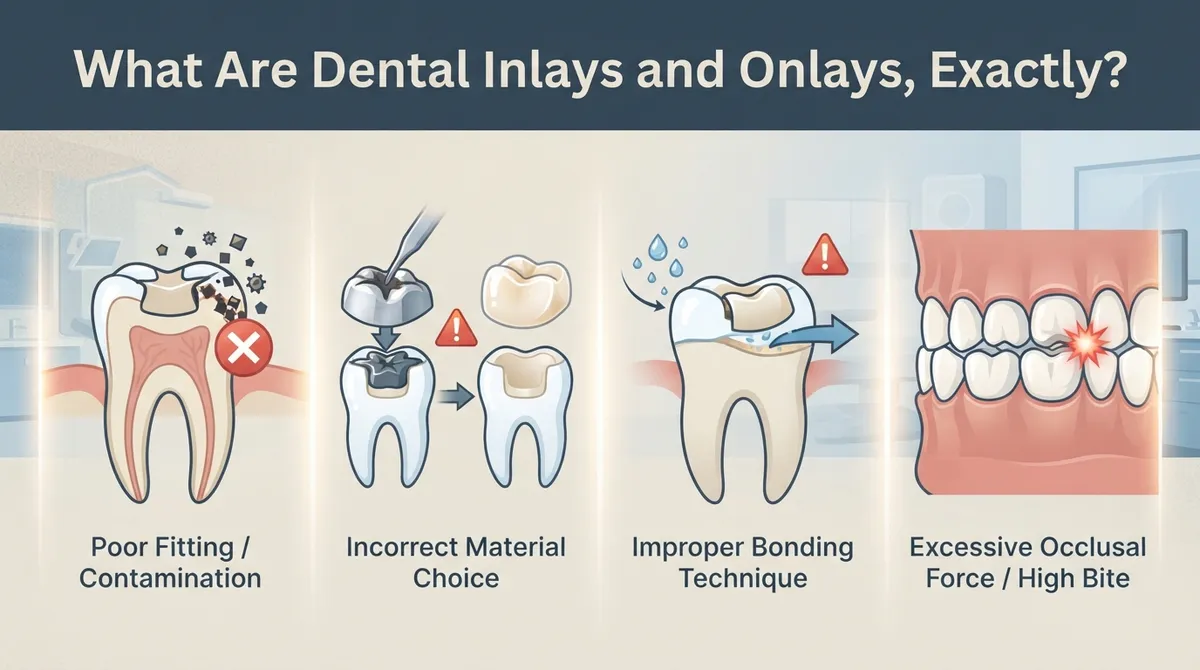
Before we get into the mistakes, let's make sure we're on the same page. Dental inlays and onlays are custom-made restorations. They fix teeth that have moderate decay or damage. Think of them as a step between a filling and a crown.
An inlay fits neatly inside the grooves of your tooth, between the cusps (those little bumps on your molars). It's used when the cavity is too big for a regular filling but doesn't extend over the tooth's edges.
An onlay goes a bit further. It covers one or more of those cusps, making it perfect for teeth with more extensive decay or a cracked area. Some people call onlays a "partial crown" because they cover more surface area than an inlay but still leave much of your natural tooth intact.
Both are typically made in a dental lab, or created right in the office using CAD/CAM technology. Materials include porcelain, ceramic, gold, or composite resin. Most patients today choose tooth-colored ceramic or porcelain because it blends in beautifully with the rest of their smile.
Why Dentists Recommend Them Over Fillings or Crowns
Here's the simple truth: dentists want to save as much of your natural tooth as possible. Crowns require removing a good amount of healthy tooth structure to fit the cap. Fillings, on the other hand, aren't strong enough for larger areas of decay.
Inlays and onlays hit the sweet spot. They:
- Preserve more of your natural tooth compared to crowns
- Offer better strength and durability than standard fillings
- Create a tight, bonded seal that helps block out bacteria
- Blend naturally with your smile using tooth-colored materials
- Can last between 10 to 30 years with good care
- Improve the overall strength of the treated tooth once bonded
Now let's get into the mistakes patients often make when considering or getting this treatment.
Mistake 1: Waiting Too Long to Treat the Cavity
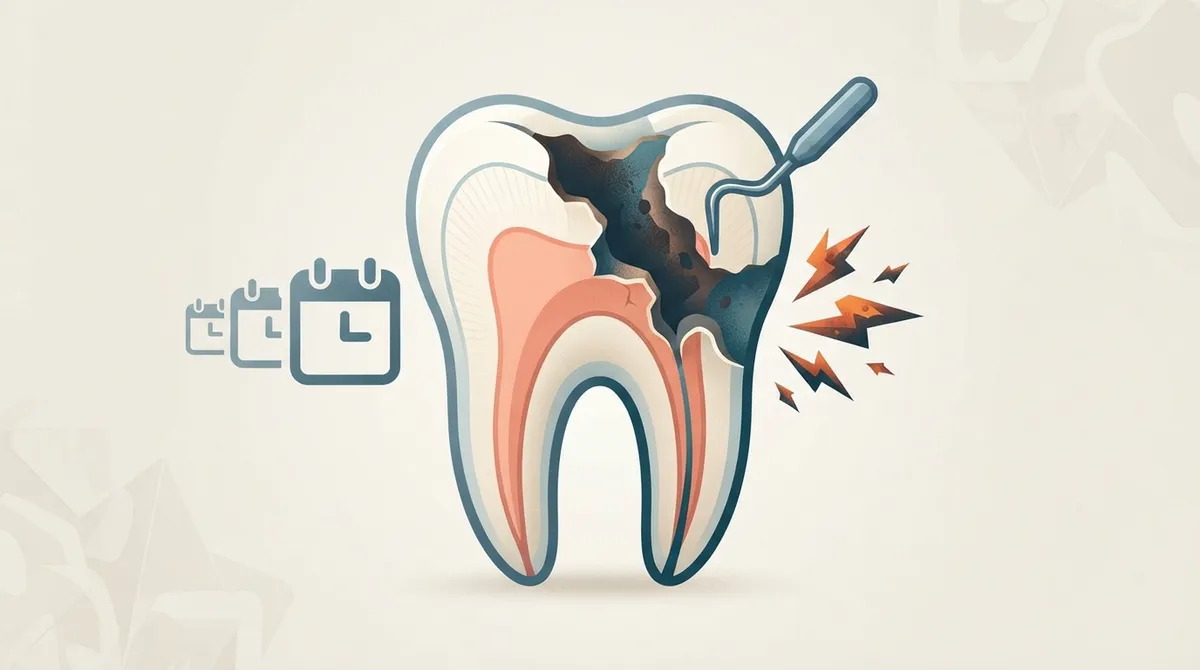
This is probably the most common mistake we see. A small cavity doesn't hurt, so it's tempting to put off treatment. But cavities don't heal on their own. They grow.
What starts as a candidate for a simple filling can quickly become a case that needs an inlay. Wait even longer, and you might need an onlay instead. Keep ignoring it, and you could end up needing a crown or even a root canal.
The fix is simple: don't skip your regular checkups. Catching decay early means more treatment options and usually a lower cost. If you're overdue for an exam, scheduling general dentistry visits twice a year is one of the smartest things you can do for your smile.
Signs You Shouldn't Ignore
- Sensitivity to hot or cold foods that lingers longer than a few seconds
- A visible dark spot or groove on a tooth's chewing surface
- Mild discomfort when biting down on certain foods
- A rough or jagged feeling when your tongue touches the tooth
- Old fillings that look worn, cracked, or discolored
If any of these sound familiar, don't wait. Book a visit and let Dr. Lopez take a look before things get worse.
Mistake 2: Choosing Material Based on Price Alone
Not all inlays and onlays are created equal. Materials matter, and choosing based only on cost can backfire. While gold used to be the standard, most patients today prefer tooth-colored options like porcelain or ceramic. Composite resin is another choice, often more budget-friendly but slightly less durable long-term.
Here's a quick breakdown to help you understand your options:
| Material | Durability | Appearance | Best For |
|---|---|---|---|
| Porcelain/Ceramic | Excellent (10-30 years) | Natural, tooth-colored | Visible teeth, long-term investment |
| Gold | Excellent (20-30+ years) | Metallic, visible | Back molars, patients less concerned with looks |
| Composite Resin | Good (5-10 years) | Natural, tooth-colored | Budget-conscious patients, smaller restorations |
Choosing the cheapest option without talking to your dentist about long-term value is a mistake many patients regret. A slightly higher upfront cost for porcelain often means fewer replacements down the road. This actually saves money over time. Ask your dentist which material fits your bite, your budget, and your smile goals.
Mistake 3: Assuming Insurance Won't Help
A lot of patients skip getting an inlay or onlay because they assume insurance won't cover it. That's often not true. Most dental insurance plans do cover a portion of the cost for onlays and inlays, especially when they're medically necessary rather than purely cosmetic.
At Charming Smiles of Ocoee, the team works with many major providers, including MetLife, Delta Dental, Cigna, Aetna, Humana, and more. If you're not sure whether your plan covers this treatment, don't guess. Give the office a call and they'll verify your benefits for you.
And if you don't have insurance, that's not the end of the road either. The practice offers dental savings plans and flexible payment plans through providers like CareCredit, Alphaeon Credit, and Cherry Financing. There's also a helpful page on insurance & financing options that breaks down everything you need to know. Don't let cost concerns stop you from getting the care your tooth actually needs.
Quick Financial Options to Consider
- Verify your existing dental insurance benefits before assuming no coverage
- Ask about the in-house savings plan if you don't have insurance
- Look into third-party financing like CareCredit or Cherry Financing
- Check current specials, which sometimes include discounts on restorative work
- Request a treatment plan breakdown so there are no surprises
Mistake 4: Choosing a Provider Without Modern Technology or Experience
Not every dental office is equipped the same way. Some still rely only on traditional methods, which means two separate appointments: one for the impression and temporary restoration, and a second visit weeks later to place the final piece.
Others use advanced CAD/CAM technology, which can design and mill an inlay or onlay right in the office. This means some patients can walk in with a damaged tooth and walk out the same day with a finished restoration. That's a huge time-saver, especially for busy parents or professionals who don't have time for multiple appointments.
Choosing a provider without asking about their technology, experience, or reputation is a mistake that can lead to more visits, more discomfort, and sometimes lower-quality results. Dr. Lopez and her team at Charming Smiles of Ocoee combine advanced dental technology with a spa-like, relaxing environment. That means comfort and efficiency go hand in hand.
Questions to Ask Before Choosing a Dentist for Inlays or Onlays
- Do you use CAD/CAM technology for same-day restorations?
- What materials do you typically recommend, and why?
- How many years of experience do you have with this specific treatment?
- Can I see before-and-after examples of previous inlay or onlay cases?
- What does the follow-up care process look like?
Doing this small bit of homework can save you from a lot of frustration later. It's always worth checking Charming Smiles Facebook page or Charming Smiles Instagram page to see real patient results and get a feel for the practice's work before booking.
How the Procedure Actually Works
Understanding the process can ease a lot of the worry that comes with any new dental treatment. Here's what typically happens, step by step:
- Your dentist examines the tooth and confirms an inlay or onlay is the right fit
- The damaged or decayed portion of the tooth is gently removed
- An impression or digital scan is taken to create a custom restoration
- A temporary covering is placed if using the traditional lab method
- The final inlay or onlay is bonded securely to your tooth
- Your bite is checked and adjusted for comfort
Most patients report little to no discomfort during this process, especially with modern numbing techniques and gentle care. If you experience dental anxiety, let the team know. Charming Smiles of Ocoee offers extra comfort touches like soothing music, streaming entertainment, blankets, and aromatherapy to help you relax.
Caring for Your Inlay or Onlay After Treatment
Once your restoration is in place, a little care goes a long way. Here's how to protect your investment:
- Brush twice daily with a soft-bristled toothbrush
- Floss every day to prevent decay around the edges of the restoration
- Avoid chewing on excessively hard foods like ice or hard candy
- Keep up with regular cleanings and checkups every six months
- Wear a nightguard if you grind your teeth while sleeping
Following these simple habits can help your inlay or onlay last on the higher end of that 10-to-30-year lifespan.
Why Ocoee Patients Trust Charming Smiles for Restorative Care
Choosing the right dental partner matters just as much as choosing the right treatment. Charming Smiles of Ocoee, located near Publix in Ocoee, has built a reputation for gentle, precise, and personalized dental care. Dr. Lopez is known throughout the community as a true "smile expert," someone who genuinely cares about helping patients overcome fear and achieve lasting oral health.
The practice's welcoming front desk team, gentle hygienists, and clean, comfortable office environment have earned it hundreds of glowing reviews. You can visit us on Google — Charming Smiles of Ocoee to read what real patients have to say. It's one of the easiest ways to get a feel for what a visit here is really like.
If you're comparing inlays and onlays to other options like crowns & bridges, or you're curious about other restorative solutions, our team is happy to walk you through everything during a consultation. According to the American College of Prosthodontists, these restorations are an excellent long-term solution when properly placed and maintained, which is exactly the standard of care patients receive here.
Final Thoughts on Avoiding These Common Mistakes
Dental inlays and onlays are a fantastic option for patients who want durable, natural-looking, and less invasive restorations. But like any dental treatment, getting the best results means avoiding common pitfalls. Don't wait too long to treat decay. Don't pick materials based on price alone. Don't assume insurance won't help. And don't settle for a provider without modern tools and real expertise.
When you're ready to protect your smile the right way, the team at Charming Smiles of Ocoee is here to help. You can easily book online at a time that works for your schedule. Or, if you'd rather speak with someone directly, feel free to call us at (407) 378-3704 to ask questions or schedule your visit. Your smile deserves care that's both gentle and lasting, and we'd love to be part of that journey with you.
FAQs
Q: What is the difference between a dental inlay and an onlay?
A: Great question! An inlay fits snugly inside the grooves of your tooth, between the cusps. An onlay covers one or more of those cusps, making it perfect for larger areas of damage. Think of an onlay as a bigger, more protective cousin of the inlay.
Q: How long do dental inlays and onlays last?
A: With good care, they can last anywhere from 10 to 30 years! That's a fantastic return on investment compared to standard fillings, which typically need replacing much sooner.
Q: Are dental inlays and onlays more expensive than fillings?
A: Usually, yes, they cost a bit more upfront than a simple filling. But because they last so much longer and protect more of your natural tooth, many patients find they're actually more cost-effective over time.
Q: Do dental inlays and onlays require two visits to complete?
A: It depends on the method used. Traditional lab-made restorations usually need two visits, while offices using CAD/CAM technology can often complete everything in a single appointment. Ask your dentist which option they offer.
Q: Does dental insurance cover inlays and onlays?
A: Many dental insurance plans do cover a portion of the cost, especially when the restoration is needed for health reasons rather than just cosmetics. It's always worth calling ahead to verify your specific benefits before your appointment.
Our Service Area
iframe src="https://maps.google.com/maps?q=Ocoee%2C%20FL&z=11&output=embed" width="100%" height="450" style="border:0;" loading="lazy" referrerpolicy="no-referrer-when-downgrade" title="Our Service Area">/iframe>