15 Facts About Implants for Teens Parents Must Know
Learn 15 key facts about implants for teens, why timing matters, and safe alternatives from Charming Smiles of Ocoee's trusted dental team.
Key Takeaways
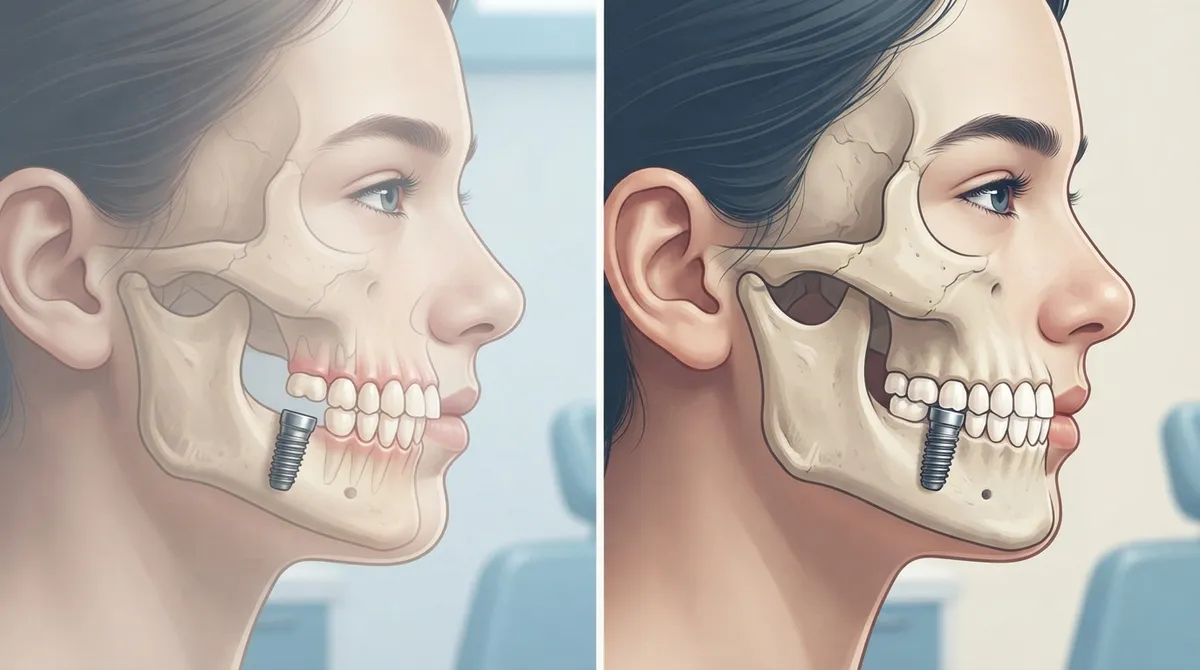
- Dental implants fuse permanently to bone and cannot move with jaw growth, so placement before growth completion causes 'infraocclusion' where the implant appears too short as natural teeth continue erupting.
- Growth assessment tools like hand-wrist X-rays and cephalometric records are more reliable than chronological age; girls may be ready around 15 and boys around 18, but individual variation is significant.
- Implant survival rates are only 72.4% in children under 13, 93% in adolescents, and 97.4% in adults, making waiting until full growth completion critical for long-term success.
- Temporary alternatives like orthodontic space maintainers, resin-bonded bridges, and tooth autotransplantation (94.4% survival) can preserve the space and tooth function while your teen finishes growing.
- Early implant placement risks facial asymmetry, neighboring tooth shifting, bone/gum defects, and potential need for implant replacement surgery later.
- Strong oral hygiene habits including twice-daily brushing, daily flossing, mouthguard use during sports, and regular six-month checkups are essential to build healthy gums and bone support for future implant success.
Is your teenager missing a permanent tooth after a sports injury or a birth condition? You might be wondering if dental implants can help right away. Here at Charming Smiles of Ocoee, we get this question a lot from worried parents in our community. The good news is there are safe answers, but the timing matters more than most families realize.
Dr. Aliuska Lopez and our team believe every family deserves clear, honest information before making big decisions about a teen's smile. This guide breaks down what science tells us about implants for teens, why waiting is often wise, and what options exist right now. Whether you're an Ocoee parent or just researching for your child's future, this article gives you the facts you need in plain language.
Why Timing Matters So Much for Implants for Teens
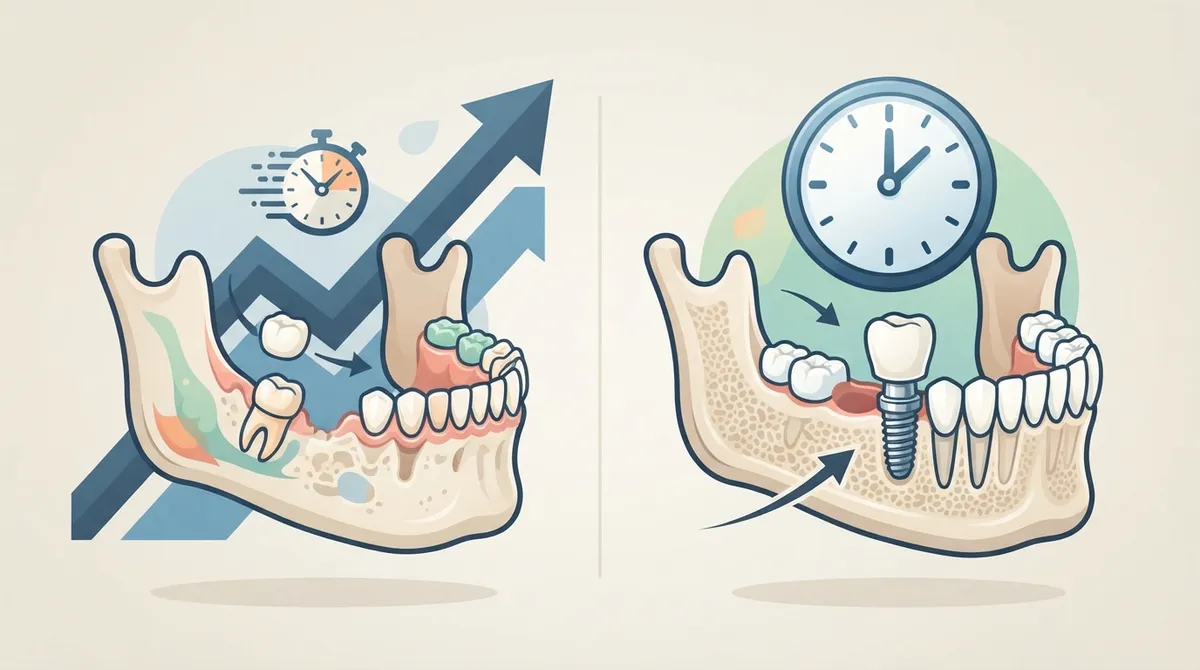
A dental implant is different from a natural tooth. Once it's placed, it fuses to the jawbone and stays put forever. It does not move or erupt the way real teeth do as a teen grows.
This creates a real problem. If a teen's jaw and face are still growing, that implant can end up looking too short or sitting in the wrong spot years later. Dentists call this "infraocclusion," and it can mean more surgery down the road.
- Implants fuse permanently to bone and cannot shift positions
- Natural teeth continue to erupt slightly into the teen years
- A mismatch between the fixed implant and moving teeth causes visible gaps
- Fixing this problem later often means removing and replacing the implant
1. Growth Completion Is the Real Deciding Factor
Age alone does not tell a dentist whether a teen is ready for an implant. Two 16-year-olds can be at very different growth stages. Some clinicians use general guidelines suggesting girls may be ready around age 15 and boys around 18, but this is not a hard rule.
2. Doctors Use Several Tools to Check Growth
To know for sure, your teen's dental team may look at hand-wrist X-rays, cephalometric records taken over time, and dental development patterns. Physical growth history matters too. This careful process helps avoid guessing.
What Happens If an Implant Is Placed Too Early
Placing an implant before growth stops can cause several issues. Understanding these risks helps parents make informed choices with their dental team.
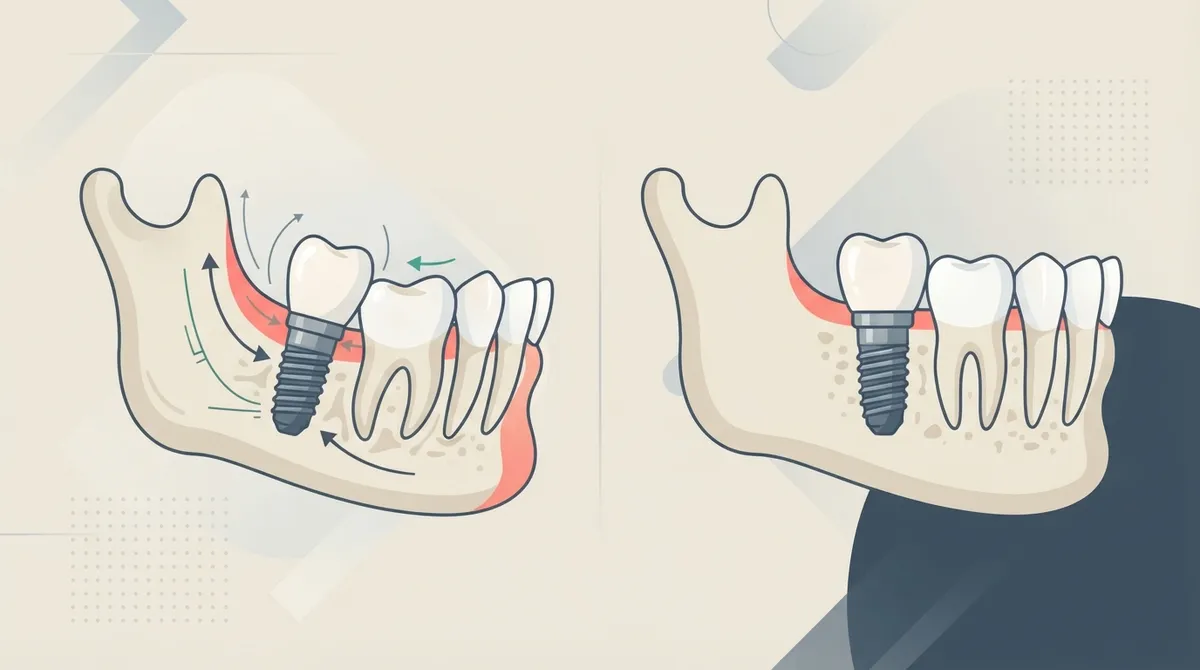
- The implant crown can appear to "sink" below neighboring teeth as those teeth keep erupting
- Facial asymmetry may develop as the jaw continues to grow around a fixed implant
- Nearby teeth can shift or tip toward the stationary implant
- Bone and gum tissue defects may form around the implant site
- Additional surgery or a full dental implant replacement may be needed later
A 2015 systematic review found implant survival was only about 72.4% in children younger than 13, compared to 93% in adolescents and 97.4% in adults. This tells us adolescent outcomes are better than in young kids, but still less predictable than adult results.
15 Key Facts Every Family Should Know
| # | Fact | Why It Matters |
|---|---|---|
| 1 | Implants fuse to bone permanently | They cannot move with growth like natural teeth |
| 2 | Chronological age is unreliable | Growth assessment tools are more accurate |
| 3 | Adolescent implant survival is ~93% | Better than young children, less than adults |
| 4 | Child implant survival is ~72.4% | Shows why waiting matters for younger patients |
| 5 | Adult implant survival is ~97.4% | Full growth completion improves long-term success |
| 6 | Annual implant failure rate is about 3.3% | Compares to lower rates for autotransplantation |
| 7 | Cause of tooth loss affects planning | Trauma, infection, and congenital issues differ |
| 8 | Multidisciplinary care is often needed | General dentists, orthodontists, and surgeons collaborate |
| 9 | Temporary options exist | Space maintainers and bonded bridges bridge the gap |
| 10 | Autotransplantation survival is ~94.4% | A strong alternative during growth years |
| 11 | Retained primary teeth can help | Survival around 89.6% as a temporary fix |
| 12 | Ectodermal dysplasia may allow earlier implants | Only after careful specialist evaluation |
| 13 | Good hygiene habits are required | Poor plaque control raises implant risk |
| 14 | 15-year crown survival can be around 70% | Some maintenance is expected over time |
| 15 | Long-term teen data is still limited | Ongoing monitoring is essential for young patients |
Smart Alternatives While Your Teen Finishes Growing
Just because an implant isn't right today doesn't mean your teen has to live with a gap. Several proven options can hold space and protect your teen's smile until it's time for permanent treatment.
- Orthodontic space maintainers that keep the gap open for future treatment
- Removable partial dentures that are comfortable and easy to adjust
- Resin-bonded bridges that attach gently to nearby teeth without heavy shaping
- A temporary tooth attached to an orthodontic appliance during active orthodontics treatment
- Keeping a healthy baby tooth in place a little longer, if possible
- Tooth autotransplantation, moving a tooth from one spot to another
Is Tooth Autotransplantation a Good Choice?
This option often surprises parents. A healthy tooth, sometimes a wisdom tooth, gets moved to fill the gap. Studies show survival rates around 94.4%, and it can actually grow along with your teen since it's a real tooth with a root.
Special Cases: When Early Implants May Be Considered
Some situations call for a different approach. Teens with severe congenital missing teeth or a condition called ectodermal dysplasia sometimes need earlier treatment because they may be missing many or all of their permanent teeth.
A 2025 review of implant treatment in patients aged 3 to 18 with ectodermal dysplasia found complications like needing to reline or remake the prosthesis were common. This shows that even in these special cases, ongoing care and adjustments are part of the plan.
- A full evaluation of jaw growth and bone quality happens first
- The dental team checks occlusion, or how the teeth and jaws fit together
- Oral hygiene habits and commitment to care get reviewed
- Long-term restorative needs are mapped out before moving forward
- Ongoing monitoring continues throughout the teen years
What a Teen Implant Consultation Looks Like at Charming Smiles of Ocoee
Every family who walks through our doors near Publix in Ocoee gets a personalized plan. We never rush into implant surgery for a growing teen without a full picture of their development.
- A thorough exam of your teen's teeth, gums, and bite
- Digital X-rays to check bone health and growth patterns
- An honest conversation about timing and realistic expectations
- A discussion of temporary solutions if your teen isn't ready yet
- A clear roadmap for future treatment as they finish growing
We also welcome families to explore our current specials, including a free dental implant consultation, so you can get answers without financial pressure. If cost is a concern, our insurance & financing options can help make treatment more manageable when the time comes.
Steps to Take If Your Teen Has a Missing Tooth Right Now
- Schedule an evaluation with a trusted general dentist or pediatric dentist
- Ask about growth assessment tools like hand-wrist X-rays
- Discuss temporary tooth replacement options to protect your teen's bite
- Get a referral to an orthodontist if space needs managing
- Set a realistic timeline for future implant placement
- Keep up with regular checkups to monitor changes
Our pediatric dentistry and general dentistry teams work together to give your teen consistent, comfortable care during this waiting period. We also offer crowns & bridges as another way to protect a smile while your teen grows.
Building Good Habits Now Sets Up Future Success
Whatever path your family chooses, strong oral hygiene matters. Healthy gums and good bone support are essential before any future implant surgery can succeed.
- Brushing twice daily with fluoride toothpaste
- Flossing every day, especially around any dental appliances
- Avoiding tobacco products, which can hurt healing and implant success
- Wearing mouthguards during sports to prevent further tooth loss
- Keeping up with regular dental visits every six months
According to the American Academy of Pediatric Dentistry, adolescent oral health care should always include monitoring growth and development alongside prevention. This lines up with everything we practice here at Charming Smiles of Ocoee.
Why Families Trust Charming Smiles of Ocoee for Teen Dental Care
Dr. Aliuska Lopez has built a reputation as a caring, detail-oriented dentist who takes time to explain every option. We know decisions about a teenager's smile feel big, and we want you to feel supported every step of the way.
Our spa-like office near Publix in Ocoee helps ease anxious teens with calming music and a relaxed atmosphere. You can book online at a time that works for your family, or give us a call to ask questions first. Many families also connect with us on our Charming Smiles Facebook page and our Charming Smiles Instagram page to see real patient stories and smile transformations.
We're proud partners with local businesses too, including the team at Brain Buzz Marketing, who help us share helpful dental content with families across Ocoee.
Frequently Asked Questions About Implants for Teens
Before we wrap up, let's cover a few more common questions parents ask us during consultations.
What Should Parents Do Right After a Teen Loses a Tooth?
Get to a dentist quickly. Even if an implant isn't right away, quick action helps protect the space and prevents nearby teeth from drifting. Our emergency dentistry team is ready to help when accidents happen.
How Long Does the Waiting Period Usually Last?
It varies. Some teens finish growing by 16, others closer to 19 or 20. Regular checkups help track this so treatment starts at exactly the right moment, not too early and not too late.
If you're ready to learn more about your teen's options, don't wait to get answers. You can check our location and stop by, or simply call us at (407) 378-3704 to schedule a free consultation today. You can also visit us on Google — Charming Smiles of Ocoee to see what other Ocoee families have to say about their experience with our team.
Every smile deserves patience and expert care. Let Dr. Lopez and our team guide your teen toward a healthy, confident future, one careful step at a time.
FAQs
Q: What is the youngest age someone can get a dental implant?
A: There's no single magic number, since every teen grows differently. Most dentists wait until facial and jaw growth is complete, which is often around 15 for girls and 18 for boys, but growth assessment tools give a much more accurate answer than age alone.
Q: Can teenagers get dental implants after losing a permanent tooth?
A: Yes, but timing is everything. Your dental team will likely recommend a temporary solution first, like a space maintainer or bonded bridge, while they track your teen's growth and plan for implant placement once development is complete.
Q: How do dentists know when a teenager has stopped growing?
A: We use tools like hand-wrist X-rays, dental development records, and growth history taken over time, not just your teen's age on a calendar. This careful tracking helps us pick the safest, most successful time for treatment.
Q: What happens if a dental implant is placed before jaw growth is complete?
A: The implant can end up looking shorter than nearby teeth as those teeth keep erupting, a problem called infraocclusion. This may lead to bite issues, uneven smiles, and sometimes another surgery to fix things later.
Q: Are dental implants safe for teens with congenitally missing teeth or ectodermal dysplasia?
A: In select cases, yes, but only after a very detailed evaluation by a team of specialists. These situations require extra planning around bone health, bite alignment, and long-term care, and our team is happy to walk your family through what that looks like.