14 Root Canal Treatment Facts Ocoee Patients Should Know
Discover 14 key facts about root canal treatment, from symptoms to recovery, and why Charming Smiles of Ocoee makes it stress-free.
Key Takeaways
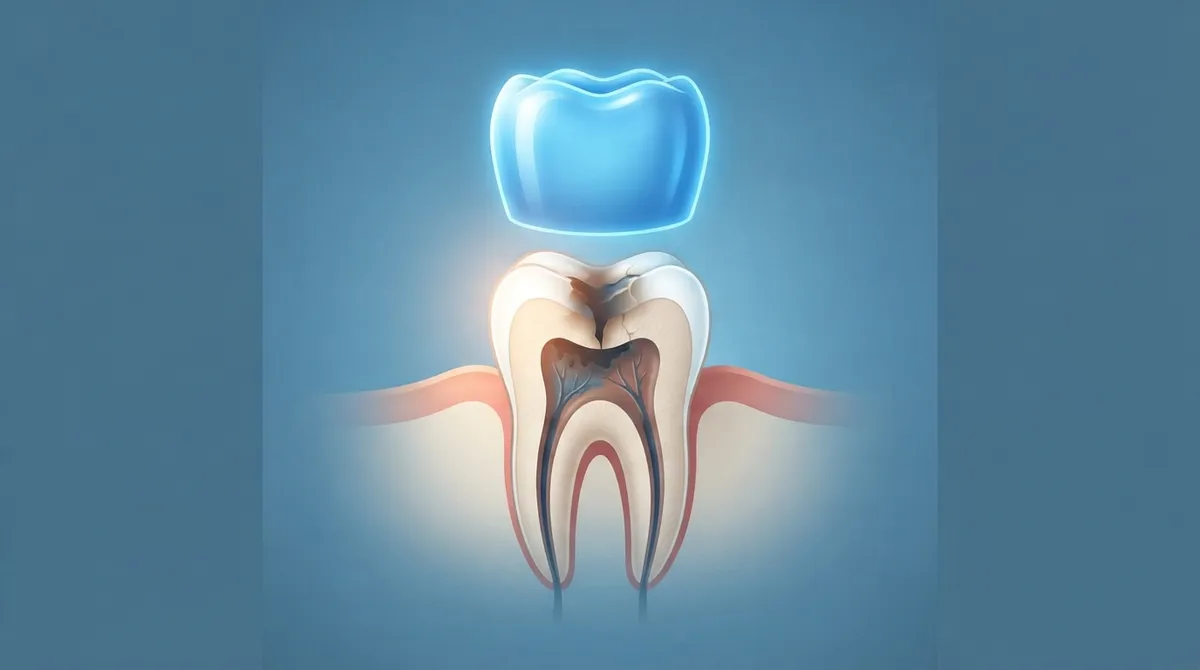
- A crown or restoration after root canal treatment is critical—success rates jump to over 91% with proper restoration versus just 44% without one, making the final step as important as the treatment itself.
- Modern root canal treatment is no more uncomfortable than getting a filling since you're fully numb with local anesthesia; most pain patients associate with root canals actually comes from the infection, not the procedure.
- Watch for warning signs like sharp pain when biting, lingering sensitivity to hot/cold, sudden severe toothache, swollen gums, or darkening teeth—some infected teeth cause no pain at all, so regular checkups with imaging are essential.
- Root canal treatment removes infected pulp tissue and saves your natural tooth, which functions better long-term than extractions that require costly implants, bridges, or dentures and can lead to jawbone loss.
- Recovery is typically quick with mild soreness for a few days and numbness lasting 2-4 hours; you can return to work the same day but should avoid chewing on the treated side until numbness fully wears off.
- Root canal treatment does not cause systemic disease—this is a debunked myth with no scientific evidence; in fact, removing the infection protects your overall health more than leaving an infected tooth untreated.
Hearing the words "you need a root canal" can make anyone's stomach drop. But here's the good news: root canal treatment today is nothing like the scary stories you may have heard. At Charming Smiles of Ocoee, we help patients save their natural teeth every week with gentle, modern care that feels a lot more like getting a filling than anything to fear. If you're dealing with tooth pain right now or just want to understand this common procedure, you're in the right place.
This guide breaks down everything you need to know about root canal treatment in simple, easy terms. We'll cover why it's needed, what happens during the visit, recovery tips, and answers to the questions patients ask us most. Let's dig in.
1. What Root Canal Treatment Actually Means
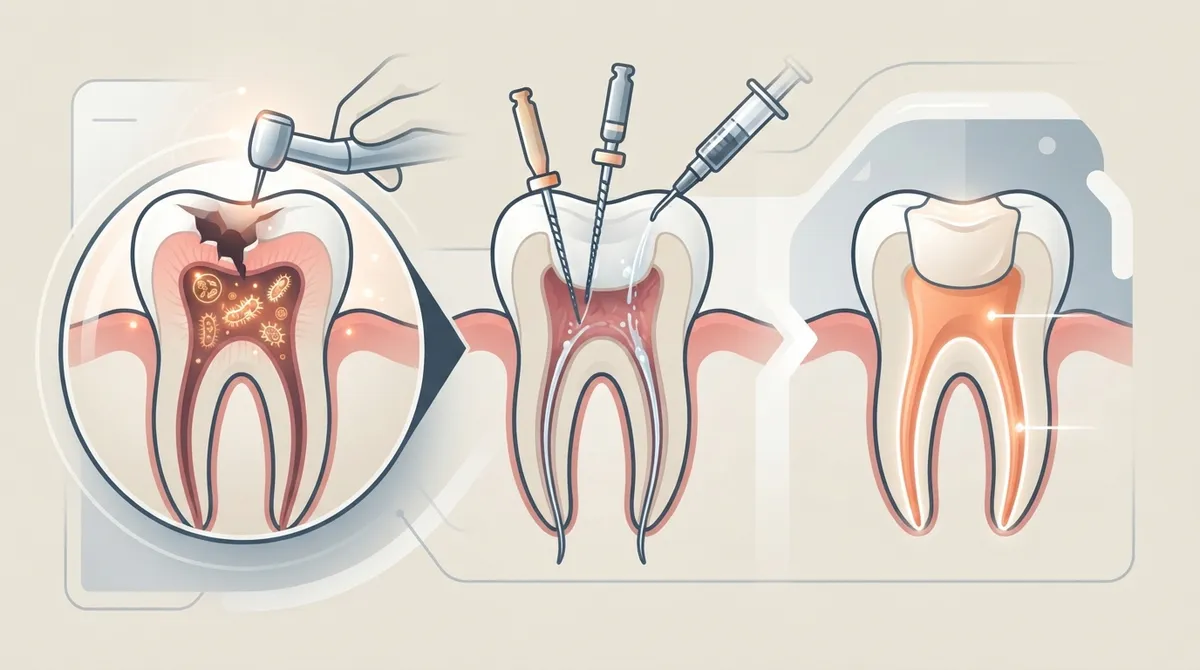
Root canal treatment, also called endodontic treatment, removes infected or inflamed tissue from inside your tooth. This soft tissue is called pulp. It sits inside the tooth's root canals and contains nerves and blood vessels.
Once the pulp gets sick, it can't heal on its own. Your dentist cleans out the infected tissue, disinfects the space, and seals it up. This stops the infection and saves your natural tooth instead of pulling it.
2. Common Reasons You Might Need One
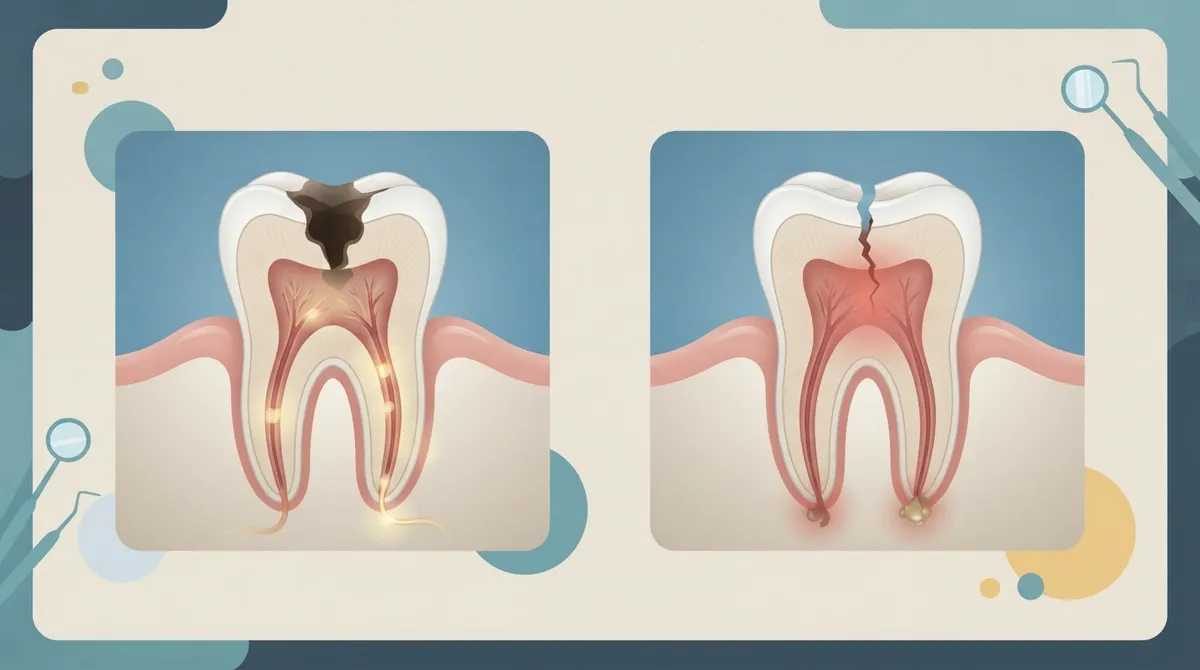
Several things can damage the pulp inside a tooth. Knowing the causes helps you catch problems early.
- Deep tooth decay that reaches the nerve
- A cracked or chipped tooth from injury or grinding
- Trauma from a fall or sports accident
- Repeated dental work on the same tooth
- A leaky or old crown that lets bacteria in
- Failed fillings that allow decay to spread
Sometimes these issues happen slowly over years. Other times, one hard bite on something can crack a tooth instantly.
3. Warning Signs Your Tooth May Be in Trouble
Your body often gives hints before a full-blown emergency. Watch for these symptoms:
- Sharp pain when biting or chewing
- Lingering sensitivity to hot or cold drinks
- Sudden, severe toothache that won't quit
- Swollen or tender gums near one tooth
- A small pimple-like bump on the gum
- Darkening of the tooth compared to others
Some infected teeth cause almost no pain at all. That's why regular checkups and imaging matter so much. Our team at Charming Smiles of Ocoee uses updated imaging to catch problems before you even feel them.
4. How Common Is Root Canal Treatment?
Millions of root canals are performed every year across the country. It's one of the most routine procedures in general dentistry. If you've had a filling before, a root canal isn't much different in terms of your comfort during the visit.
5. Is Root Canal Treatment Painful?
This is the question almost everyone asks. The honest answer: modern root canal treatment is usually no more uncomfortable than getting a filling. You'll be fully numb with local anesthesia the entire time.
Most of the pain people associate with root canals actually comes from the infection itself, not the treatment. Once the infected pulp is removed, most patients feel relief, not more pain.
6. What Happens Step-by-Step During Treatment
Understanding the process can ease a lot of worry. Here's how a typical root canal treatment unfolds:
- Your dentist numbs the area completely with local anesthesia
- A small opening is made in the top of the tooth
- The infected or dead pulp is carefully removed
- The canals are cleaned and disinfected thoroughly
- The canals are shaped to prepare for filling
- A rubber-like material called gutta-percha fills the space
- The tooth is sealed to prevent new infection
- A permanent restoration, like a crown, is planned for a future visit
Most appointments take one to two visits, depending on how complex the tooth's anatomy is.
7. Why a Crown Often Follows Treatment
After a root canal, your tooth may feel a bit weaker structurally. It no longer has the blood supply that helped feed it before. That's why many teeth, especially molars, need a crown or similar covering afterward.
A study cited in a 2024 dental review found that success rates jumped to over 91% when a good final restoration followed treatment. Without a solid restoration, success rates dropped as low as 44%. This shows just how much the final step matters. Explore our crowns & bridges options if this applies to you.
8. Root Canal Success Rates: What the Research Says
Numbers around root canal success can be confusing because studies measure things differently. Here's a simple breakdown based on recent research:
| Study Focus | Success Rate (Strict Criteria) | Success Rate (Broader Criteria) |
|---|---|---|
| Primary treatment (CBCT-based, 2025 review) | ~36% | ~87% |
| Tooth-level success (2025 review) | ~45% | ~85% |
| Retreatment, 1–3 years (2024 review) | ~71% | ~87% |
| Retreatment, 4–5 years (2024 review) | ~77% | N/A |
| Primary treatment at 24 months (2026 meta-analysis) | ~92% | N/A |
The takeaway? Root canal treatment works well for most patients, especially when paired with a strong final restoration and good aftercare. These numbers are research estimates, not guarantees, but they show why choosing an experienced provider matters.
9. Root Canal vs. Tooth Extraction: Which Is Better?
When a tooth is damaged, you generally have two paths: save it with a root canal or remove it entirely. Here's a quick comparison to help you think it through:
| Factor | Root Canal Treatment | Tooth Extraction |
|---|---|---|
| Keeps natural tooth | Yes | No |
| Chewing function | Normal, once restored | Requires replacement (implant, bridge, denture) |
| Cost over time | Often lower long-term | May need costly replacement later |
| Recovery time | Short | Short, but healing needed before replacement |
| Jawbone health | Preserved | Bone loss possible without replacement |
Most dentists, including our team, prefer saving a natural tooth whenever possible. Natural teeth simply function better than replacements in most cases. If you're weighing your choices, our dental implants page can help you understand what happens if extraction becomes necessary.
10. What to Expect After Your Appointment
Recovery from root canal treatment is usually quick and simple. Here's what most patients experience:
- Numbness lasting about two to four hours
- Mild soreness or tenderness for a few days
- Some sensitivity when chewing near the treated tooth
- Ability to return to work or school the same day
Avoid chewing on the treated side until the numbness wears off completely. Over-the-counter pain relief usually handles any lingering discomfort just fine.
11. When to Seek Urgent Care
While most recoveries go smoothly, certain symptoms need immediate attention. Contact your dentist right away if you notice:
- Facial swelling that spreads quickly
- Fever along with tooth pain
- Difficulty swallowing or breathing
- Pain that suddenly gets much worse
Our emergency dentistry team is ready to help if anything like this comes up. Ocoee patients can also call us at (407) 378-3704 for fast guidance.
12. General Dentist vs. Endodontist: Who Should Treat You?
Many general dentists, including Dr. Aliuska Lopez at Charming Smiles of Ocoee, perform root canal treatment regularly with excellent results. However, some cases benefit from a specialist called an endodontist. These situations include:
- Teeth with unusual or complex root anatomy
- Retreatment of a tooth that failed before
- Severe infection requiring advanced techniques
- Trauma cases needing surgical intervention
Our office will always let you know if your case would benefit from a specialist referral. We believe in giving you the safest, most effective care path for your specific tooth.
13. Does Root Canal Treatment Cause Other Health Problems?
You may have heard old myths claiming root canals cause diseases elsewhere in the body. This idea has been thoroughly debunked. There is no valid scientific evidence linking root canal treatment to systemic illness.
In fact, root canal treatment does the opposite. It removes infection from your tooth, which helps protect your overall health rather than harm it. Leaving an infected tooth untreated is far riskier than treating it properly.
14. Why Choose Charming Smiles of Ocoee for Your Root Canal
Not all dental offices offer the same level of comfort and care. At Charming Smiles of Ocoee, we've built our practice around making every visit as stress-free as possible. Here's what sets us apart:
- A spa-like environment with calming music and aromatherapy
- Streaming entertainment to help you relax during treatment
- Gentle care designed specifically for anxious patients
- Advanced imaging technology for accurate diagnosis
- Flexible insurance & financing options to fit your budget
Dr. Lopez is known throughout the community as a true "smile expert," and her gentle approach has helped countless patients overcome their fear of the dentist chair. You can follow our Facebook page or check out our Instagram page to see real patient stories and behind-the-scenes glimpses of our office near Publix in Ocoee.
If your tooth pain has you searching for answers, don't wait. Untreated infections rarely get better on their own, and early treatment almost always means an easier, faster recovery. Take a look at our current specials, including our emergency consultation offer, to make your visit more affordable.
Understanding Your Treatment Costs
Cost is often a top concern when facing a root canal. The price depends on which tooth needs treatment and how complex the case is. Molars, with their multiple roots, typically cost more than front teeth.
We accept many major insurance plans, including MetLife, Delta Dental, Cigna, Aetna, and more. If you're uninsured, our dental savings plan and payment plans can help spread out the cost. Third-party financing through CareCredit, Alphaeon Credit, and Cherry Financing is also available for added flexibility.
Protecting Your Smile for the Long Run
A root canal saves your tooth, but good habits keep it healthy for years to come. Brush twice daily, floss regularly, and don't skip your routine checkups. Combining general dentistry visits with prompt attention to pain keeps small problems from becoming big ones.
Many patients also choose to explore cosmetic dentistry after restorative work to make sure their whole smile looks and feels its best. Whether that's teeth whitening services or veneers, our team can guide you toward the right next step.
Curious what other Ocoee patients say about their experience? You can visit us on Google — Charming Smiles of Ocoee to read real reviews from people who trusted us with their smiles.
Ready to Save Your Smile?
Tooth pain doesn't have to control your day. If you suspect you need a root canal, the sooner you get checked, the easier your treatment will likely be. Our friendly team is here to make the process comfortable, affordable, and stress-free from start to finish.
Reach out today to find our location or call us at (407) 378-3704 to schedule your visit. You can also book online in just a few minutes. Charming Smiles of Ocoee is ready to help you feel better, one gentle appointment at a time.
FAQs
Q: How do I know if I need a root canal treatment?
A: Watch for lingering sensitivity to hot or cold, pain when chewing, or a swollen gum near one tooth. Some infected teeth don't hurt at all, so a dental exam with imaging is the only sure way to know. If something feels off, it's always worth getting checked at Charming Smiles of Ocoee.
Q: Is root canal treatment painful?
A: Not at all! You'll be completely numb during the procedure, so it feels similar to getting a filling. Most patients actually feel relief afterward since the infection causing their pain is finally gone.
Q: How long does a root canal take, and will I need more than one appointment?
A: Most root canals take one to two visits, depending on the tooth and how complex the roots are. Molars with multiple canals sometimes need a bit more time than front teeth.
Q: Do I need a crown after root canal treatment?
A: Often, yes, especially for back teeth that do a lot of chewing work. A crown protects the tooth from cracking and helps it function normally for years to come.
Q: Can a root canal fail, and what happens if it does?
A: It's possible, though not common, especially with good aftercare and a proper restoration. If it does happen, options include nonsurgical retreatment, endodontic surgery, or in rare cases, extraction. Our team will always walk you through the best path forward.