14 Jaw Bone for Implants Facts Ocoee Patients Need
Learn why jaw bone health matters for dental implants, common causes of bone loss, and how bone grafting helps rebuild your smile in Ocoee.
Key Takeaways
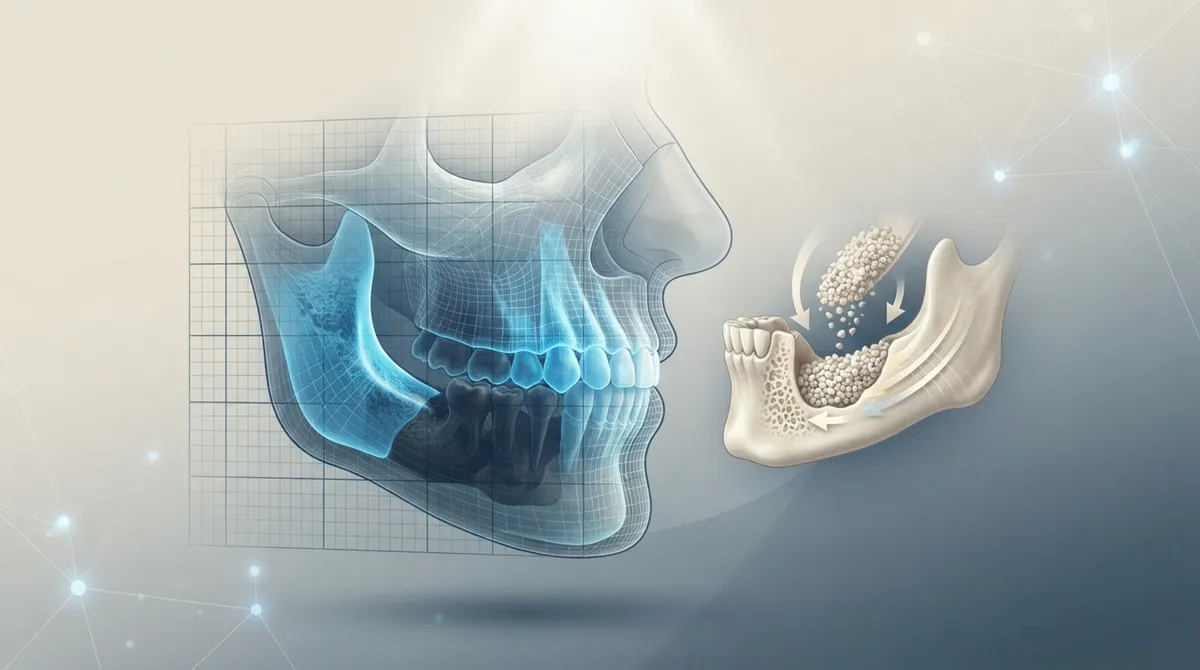
- Jaw bone density and volume are critical for dental implant success; insufficient bone can lead to implant failure, making pre-treatment 3D imaging essential to assess bone structure before proceeding.
- Bone grafting is a well-established procedure that rebuilds insufficient jaw bone, typically costing $200-$1,200 per graft, with healing taking several months before implant placement can occur.
- Common causes of jaw bone loss include untreated missing teeth, gum disease, facial trauma, and prolonged denture use; early detection of bone loss through consultation can lead to simpler, faster treatment options.
- Alternative solutions like mini implants or all-on-4 techniques can sometimes work with less bone, but personalized evaluation by an experienced dentist is crucial to determine the best long-term approach for your specific case.
Thinking about dental implants? There's one thing that matters more than almost anything else: your jaw bone. Many folks in Ocoee are surprised to learn that healthy jaw bone is the real foundation for a lasting, natural-looking smile. Without enough bone, an implant simply won't have the support it needs to stay strong for years to come.
The good news? Even if your jaw bone has thinned out over time, you still have options. At Charming Smiles of Ocoee, Dr. Aliuska Lopez and her caring team help patients understand exactly what their smile needs before moving forward with treatment. Whether you're a busy parent, a senior exploring tooth replacement, or someone who's simply curious, this guide breaks down everything you need to know about jaw bone and dental implants in plain, friendly language. Let's dig in!
1. Why Your Jaw Bone Matters So Much for Implants
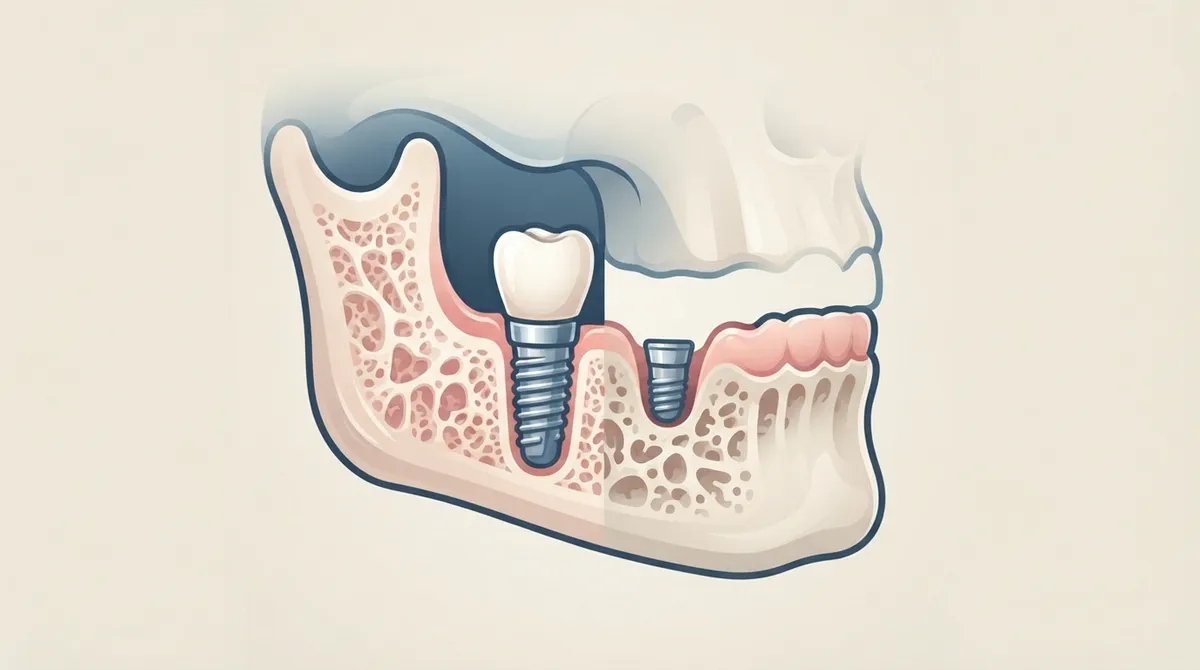
Dental implants are small titanium posts placed directly into your jaw bone. Think of them like tiny anchors. Over time, your bone actually fuses to the implant in a process called osseointegration. This creates a strong, stable base, almost like a natural tooth root.
If your jaw bone is too thin, soft, or short, the implant won't have enough to grip onto. That can lead to instability or even implant failure down the road. That's why your dentist always checks bone health before recommending implants.
2. What Causes Jaw Bone Loss in the First Place
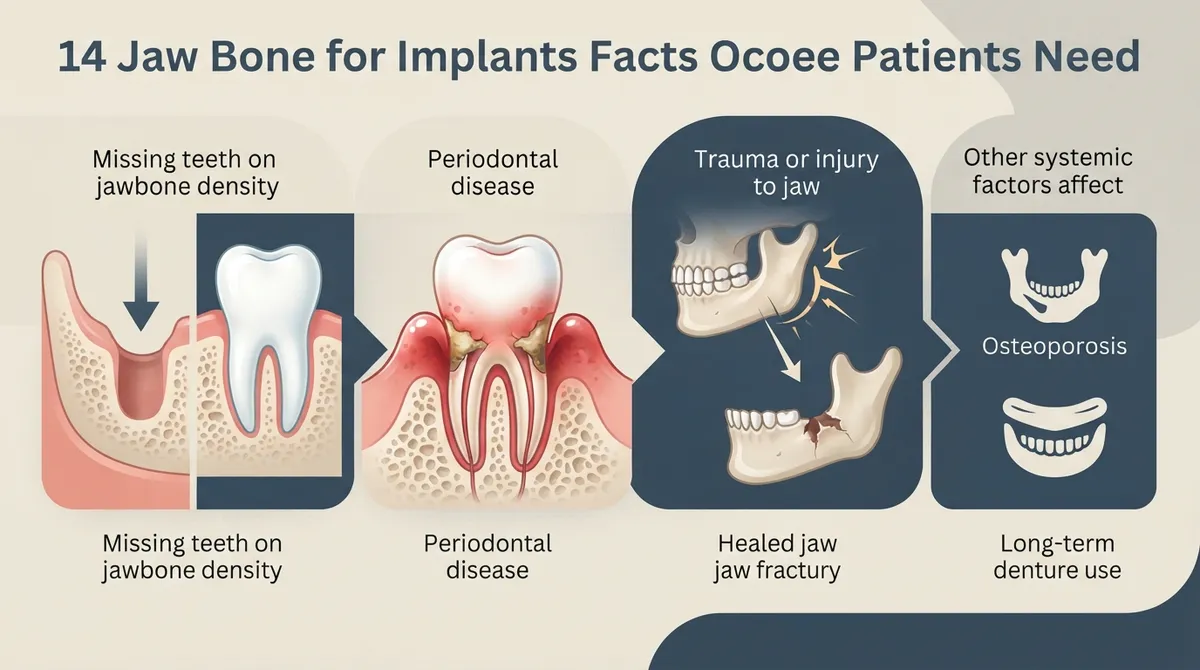
Bone loss doesn't happen overnight, but it happens more often than people realize. Here are the most common causes:
- Missing teeth left untreated for months or years
- Gum disease that damages the bone supporting your teeth
- Trauma or injury to the face or mouth
- Previous tooth extractions without bone preservation
- Long-term denture use, which can accelerate bone shrinkage
Once a tooth is gone, the jaw bone in that area no longer gets the stimulation it needs. Without that stimulation, the bone starts to shrink. This is completely normal, but it's also very fixable with the right care.
3. How Dentists Check If You Have Enough Bone
You can't tell just by looking in the mirror whether your jaw bone is strong enough for an implant. That's why 3D imaging is such a game changer. During your consultation, your dentist will take detailed scans to measure the height, width, and density of your jaw bone.
This step is quick, painless, and incredibly important. It helps your dental team build a treatment plan that's tailored just for you, rather than a one-size-fits-all approach.
4. What Is Bone Grafting, Exactly?
If your scan shows you don't have quite enough bone, don't worry. Bone grafting is a common and well-established procedure that rebuilds the area so it can support an implant. Think of it like adding fresh soil before planting a strong, healthy tree.
During grafting, your dentist places bone material into the weak or thin area. Over the following months, your body heals around it and creates new, stronger bone. Once that area is solid, it's ready for dental implants.
5. Types of Bone Graft Materials Used Today
Not all bone grafts are the same. Your dentist will choose the best material based on your specific needs. Here's a simple breakdown:
| Graft Type | Source | Best For |
|---|---|---|
| Autograft | Your own body | Fast healing, high success rate |
| Allograft | Human donor tissue | Avoids a second surgery site |
| Xenograft | Animal-derived material | Widely available, well-tested |
| Synthetic Graft | Man-made materials | Consistent, lab-controlled quality |
Each option has its own benefits. Your dentist will walk you through which type makes the most sense for your smile goals and health history.
6. How Much Does Bone Grafting Cost?
Cost is often top of mind, and that's completely understandable. On average, bone grafting can range from about $200 to $1,200 per graft, though this varies based on how much bone is needed and your specific case.
The team at Charming Smiles of Ocoee believes cost should never stand between you and a healthy smile. That's why we offer insurance and financing options, along with a helpful dental savings plan for patients without insurance. Be sure to check our current specials too, including a free dental implant consultation.
7. How Long Does Healing Take Before Implant Placement?
Patience really is a virtue here. After a bone graft, your jaw needs time to heal and strengthen. This usually takes several months, though the exact timeline depends on how much bone was added and your body's natural healing speed.
Here's a simple step-by-step of what typically happens:
- Bone graft material is placed in the treatment area
- Your body begins forming new bone cells around the graft
- The area is monitored through follow-up visits
- X-rays confirm the bone has fully integrated
- Once solid, your implant can be placed safely
Some patients qualify for combined procedures, where grafting and implant placement happen at the same time. Your dentist will let you know if you're a good candidate for this faster option.
8. Bone Grafting vs. Sinus Lift: What's the Difference?
These two terms get mixed up a lot, but they're not the same thing. A standard bone graft rebuilds bone height or width in the jaw. A sinus lift, on the other hand, specifically raises the sinus floor to make room for bone in the upper back jaw, where bone is often naturally thinner.
If you're getting implants in your upper molars, a sinus lift might be part of your treatment plan. It sounds intense, but it's a routine procedure performed regularly at dental practices across Florida.
9. Can You Get Implants Without Enough Jaw Bone?
This is one of the most common questions we hear. In some cases, yes! Options like mini implants or all-on-4 techniques use angled placement to work with less bone. Other times, grafting is simply the better long-term choice for stability.
Every mouth is different, which is why a personalized consultation matters so much. Our team never pushes a one-size-fits-all solution. We evaluate your unique bone structure and recommend what will actually last.
10. Signs You Might Need a Bone Evaluation
Not sure if bone loss applies to you? Watch for these common signs:
- You've been missing one or more teeth for over a year
- You wear dentures that feel loose or shift often
- You've had gum disease in the past
- Your face appears slightly sunken near the jaw
- You had a tooth extracted without a bone preservation graft
If any of these sound familiar, it's worth scheduling a consultation. Catching bone loss early often means simpler, faster treatment.
11. Why Choose a Local Ocoee Practice for This Procedure
Bone grafting and implant placement require precision, experience, and up-to-date technology. Choosing a trusted local practice means you get personalized attention every step of the way, not a rushed, impersonal experience.
Dr. Aliuska Lopez has built a reputation across Ocoee for gentle, skilled care. Patients consistently praise the relaxing, spa-like atmosphere and the thorough explanations they receive before any procedure. You can read real patient experiences and visit us on Google — Charming Smiles of Ocoee to see what neighbors are saying.
12. What to Expect During Your Implant Consultation
Your first visit is all about gathering information, not jumping straight into treatment. Here's a general idea of what happens:
- A friendly welcome and review of your dental and health history
- 3D imaging to evaluate your jaw bone structure
- A conversation about your smile goals and concerns
- A personalized treatment plan, including grafting if needed
- A clear breakdown of costs, insurance, and financing options
This step-by-step approach takes the mystery out of the process and helps you feel confident about your next move.
13. Caring for Your Jaw Bone After Treatment
Once your graft or implant is placed, a little aftercare goes a long way. Follow these simple tips:
- Stick to soft foods for the first few days
- Avoid smoking, which slows healing significantly
- Keep the area clean as directed by your dentist
- Attend all follow-up appointments for monitoring
- Reach out right away if you notice unusual swelling or pain
Good habits during healing set the stage for a strong, long-lasting result. Your dental team will guide you through every phase.
14. Trust the Experts at Charming Smiles of Ocoee
Jaw bone health is the true foundation of a successful dental implant. Whether you need a simple graft or a more involved sinus lift, having an experienced team by your side makes all the difference. Dr. Lopez and her staff take time to explain your options clearly, without confusing dental jargon or pressure.
Curious what other patients are saying? Check out the Charming Smiles Facebook page or follow along on the Charming Smiles Instagram page for real smile transformations. For general background on implant procedures, the American Dental Association also offers helpful patient resources.
Ready to find out if your jaw bone is ready for implants? You can easily book online for a consultation, or explore our full range of dental services to see how we can help restore your smile. Our team is proud to serve families throughout Ocoee with gentle, modern care.
Your Next Step Toward a Stronger Smile
Don't let jaw bone concerns keep you from the smile you deserve. With advanced technology, a caring team, and flexible payment options, getting dental implants in Ocoee has never been easier. Visit our location to see when we're open, or simply call us at (407) 378-3704 to schedule your free implant consultation today. Your confident new smile is closer than you think!
FAQs
Q: Do I need a bone graft before dental implants?
A: Not always! It really depends on how much healthy jaw bone you have right now. During your consultation, we'll take 3D images to see exactly what your jaw looks like, then let you know if grafting would help your implant succeed long term.
Q: How much jawbone is needed for an implant?
A: Implants generally need a certain height and width of bone to stay stable and secure. Every mouth is a little different, which is why we always check your bone structure with imaging before recommending a treatment plan.
Q: How long does bone graft healing take before implants?
A: Healing usually takes a few months, giving your body time to fully strengthen the new bone. We'll monitor your progress with follow-up visits to make sure everything looks great before moving forward with your implant.
Q: Can dental implants be placed without enough jawbone?
A: Sometimes, yes! Options like mini implants or specialized placement techniques can work with less bone in certain cases. We'll walk you through what's realistic for your specific smile during your free consultation.
Q: How much does jaw bone grafting for implants cost?
A: Costs typically range from around $200 to $1,200 per graft, depending on your specific needs. We also offer financing and a dental savings plan to help make treatment more affordable for our Ocoee patients.