14 Facts: Dental Bridge vs Crown Explained (2026)
Confused about dental bridge vs crown? This friendly guide breaks down 14 facts to help Ocoee patients choose the right smile restoration.
Key Takeaways
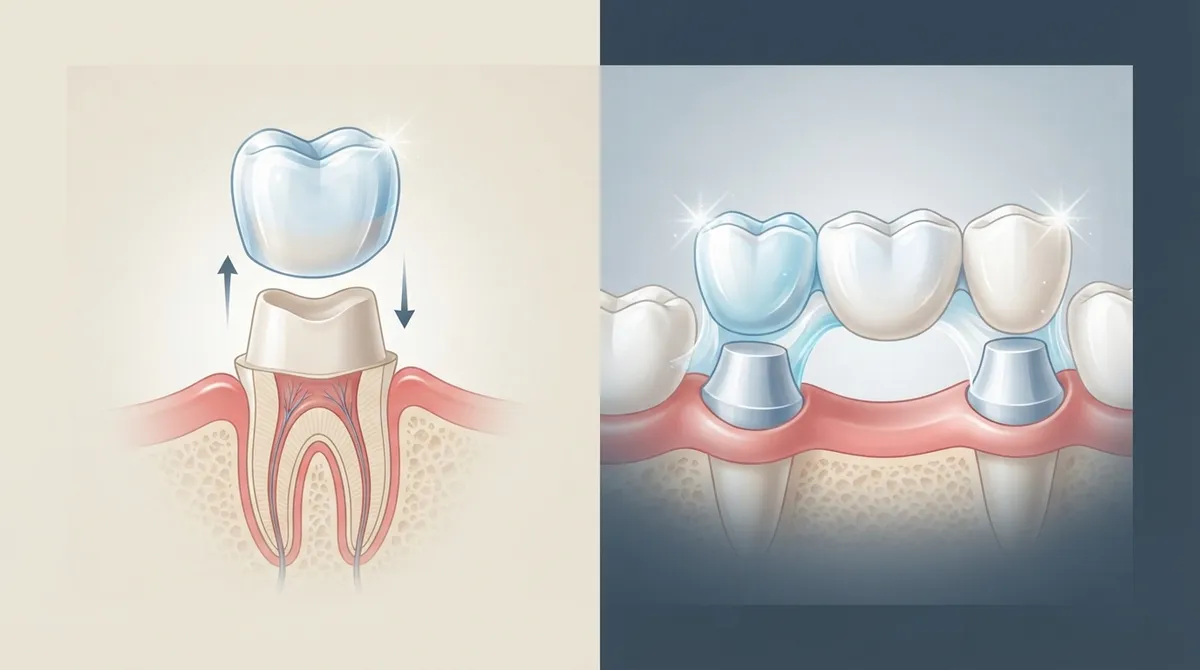
- Crowns protect a single damaged tooth that still exists in your mouth, while bridges replace one or more missing teeth by spanning the gap with support from neighboring teeth or implants.
- Traditional bridges require shaping healthy adjacent teeth for support, whereas implant-supported bridges preserve natural teeth by using a titanium post in the jawbone as an independent anchor.
- Research shows bridges have 93.8% survival rate at 5 years and crowns with newer materials like lithium-disilicate achieve 95-100% survival rates, making both reliable long-term options with proper care.
- Bridges require extra daily care using floss threaders and interdental brushes to prevent food buildup under the pontic, while most restoration problems are preventable through regular checkups and good oral hygiene habits.
Staring at your dentist's treatment plan and seeing the words "bridge" or "crown" can feel confusing. You just want your smile fixed, right? Here's the good news: you don't need a dental degree to understand your options. You just need clear answers, and that's exactly what we're here to give you.
At Charming Smiles of Ocoee, we sit down with patients every week who are trying to figure out the difference between a dental bridge vs crown. Dr. Aliuska Lopez and her team believe you deserve a simple, honest breakdown before you make any decision about your smile. So let's walk through this together, one friendly fact at a time.
1. A Crown Protects a Tooth That's Still There
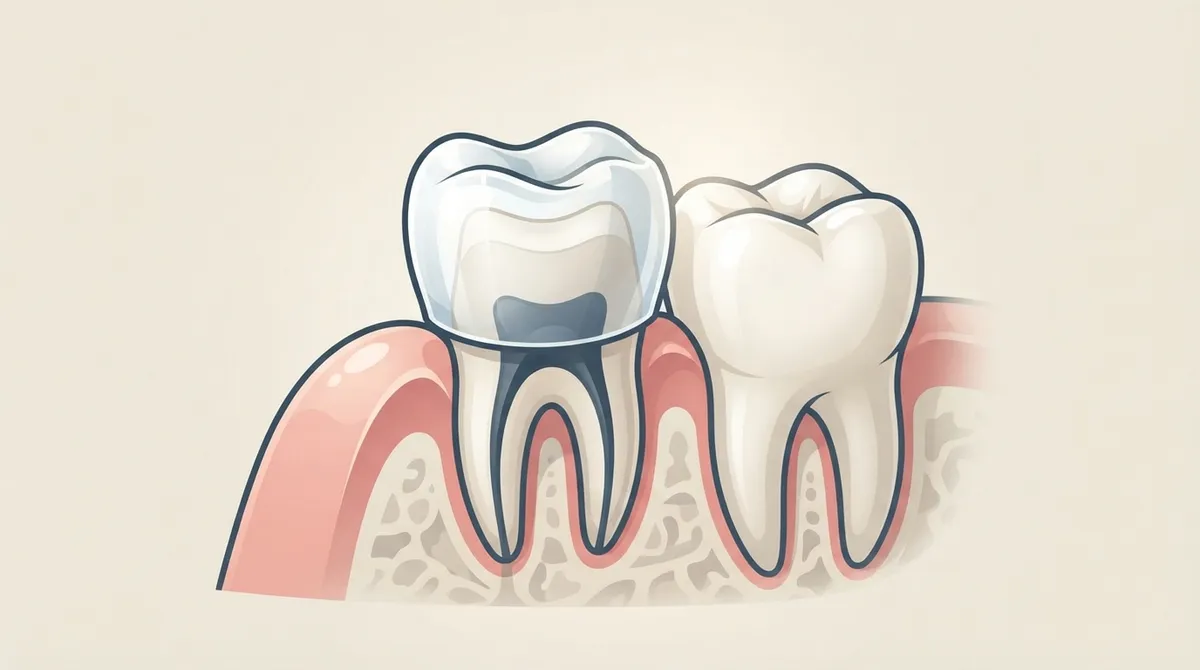
Think of a crown like a helmet for your tooth. It's a custom-made cap that covers a damaged or weak tooth completely. Your natural tooth root stays put underneath.
Crowns restore the shape, strength, and look of a tooth that has seen better days. They're often the answer when a tooth has a large filling, a crack, or has gone through root canals. If the tooth is still there and can be saved, a crown usually comes to the rescue.
2. A Bridge Replaces a Tooth That's Gone
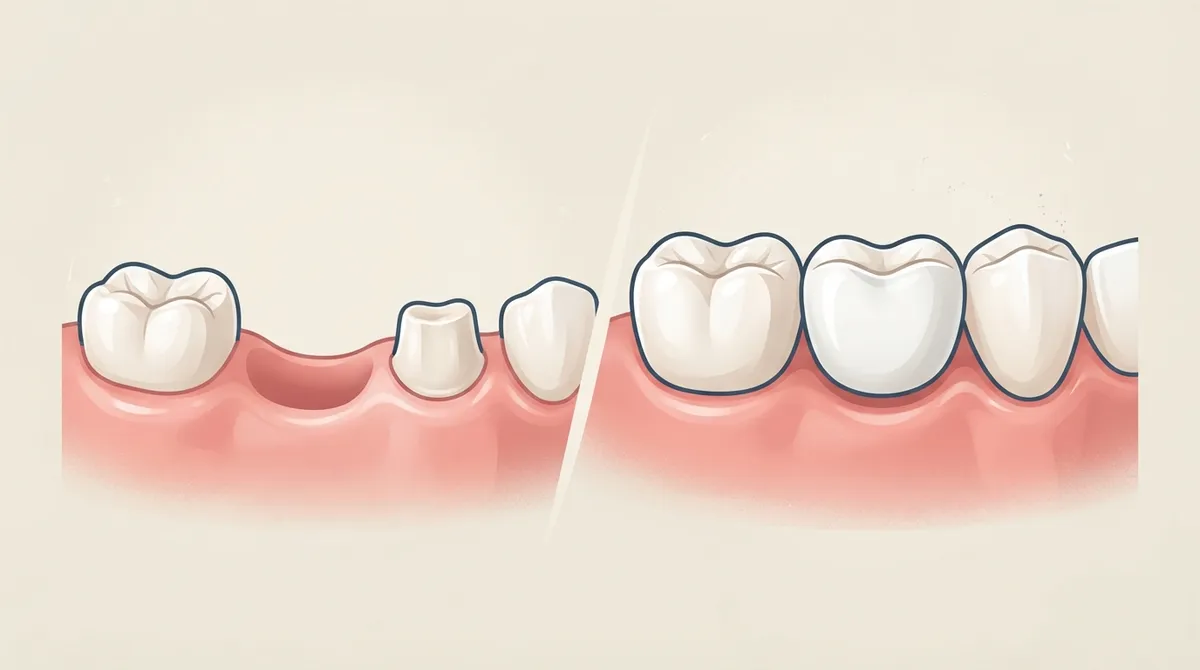
A bridge works differently. It fills in the gap left by one or more missing teeth. It "bridges" the space, hence the name.
A traditional bridge uses crowns on the teeth next to the gap. These are called abutment teeth. A false tooth, or pontic, sits between them to fill the space. Bridges can also be supported by dental implants instead of natural teeth, which many of our Ocoee patients prefer for extra stability.
3. The Core Difference Comes Down to One Question
Here's the simplest way to think about dental bridge vs crown: is the tooth still in your mouth, or is it missing?
- If the tooth is present but damaged, a crown likely fits your needs.
- If the tooth is completely gone, you're looking at a bridge or another replacement option.
This one question guides almost every treatment decision. Of course, your dentist will look closer to confirm, but this is a great starting point for understanding your own case.
4. Crowns Usually Need Less Prep Work
Getting a crown means your dentist reshapes one tooth to make room for the cap. That's it. Just one tooth gets touched.
A traditional bridge is a bit more involved. Both teeth next to the gap need to be shaped for crowns, even if those teeth were perfectly healthy before. This means more of your natural tooth structure gets prepared, which is something worth discussing with your dentist.
5. Bridges Can Solve Multiple Problems at Once
Here's an interesting twist. If the teeth next to your gap already need crowns anyway (maybe from old fillings or wear), a bridge can take care of everything in one treatment plan.
Instead of doing separate crowns plus a separate tooth replacement, a bridge combines the work. This can sometimes save time and simplify your treatment.
6. Survival Rates Are Reassuring for Both Options
You want to know your investment will last, and we get that. Research gives us some solid numbers to share.
Studies show that traditional fixed bridges have an estimated 93.8% survival rate at 5 years, and about 89.2% at 10 years, according to a widely cited review by Pjetursson and colleagues. Crown survival numbers look strong too, though they vary by material and location in the mouth. Newer materials like lithium-disilicate have shown survival rates between 95% and 100% over 5 years in several studies.
7. Neither Option Is Automatically "Better"
We hear this question a lot: which one is better, a bridge or a crown? The honest answer is that it depends entirely on your situation.
Your dentist looks at several things before recommending a path forward:
- Whether your tooth can be saved or needs replacement
- How healthy your neighboring teeth are
- Your bone and gum support
- Your bite pattern and chewing forces
- Your budget and insurance coverage
- Your personal preferences and comfort level
This is why a real exam matters so much. No online article can replace a look inside your own mouth with X-rays and a trained eye.
8. Implant-Supported Options Are Growing in Popularity
Traditional bridges rely on your natural teeth for support. But there's another path: implant-supported bridges and crowns.
With this option, a small titanium post gets placed in your jawbone. It acts like a new tooth root. This means your neighboring teeth don't need to be touched at all. Many Ocoee patients love this because it protects their healthy teeth long-term. It does require good bone health, a short healing period, and a minor surgical step, so it's not the right fit for everyone.
9. Your Daily Care Routine Will Look a Little Different
Both crowns and bridges need regular brushing and flossing, just like your natural teeth. But bridges need a bit of extra attention underneath the pontic, since food and plaque can hide there.
Here are simple tools that help:
- Floss threaders to get under the bridge
- Interdental brushes for tight spaces
- Water flossers for an easy daily rinse-and-clean routine
Our hygienists at Charming Smiles of Ocoee are happy to show you exactly how to use these tools during your next cleaning visit.
10. Problems Can Happen, But They're Often Preventable
Nothing in dentistry comes with a lifetime guarantee, and we like being upfront about that. Some possible issues include decay around the edges, gum irritation, a chipped crown, or a loose bridge.
The good news? Most problems are linked to things you can control, like:
- Skipping regular dental checkups
- Grinding your teeth at night without a guard
- Poor brushing and flossing habits
- Untreated gum disease
Staying on top of your general dentistry visits goes a long way toward protecting your investment, whether you chose a bridge or a crown.
11. Cost Differences Depend on Several Factors
People often ask us which option costs less. Honestly, it varies. A single crown might cost less upfront than a three-unit bridge, since a bridge involves more materials and more lab work.
But a bridge might replace two crowns' worth of restoration plus a missing tooth in one treatment. That can sometimes make it more cost-effective overall. Implant-supported options often have a higher upfront cost but may offer long-term value since they don't rely on shaping healthy teeth. We always walk patients through insurance & financing options so cost never has to be a barrier to good care.
12. Alternatives Exist Beyond the Bridge vs Crown Debate
Dental bridge vs crown isn't always an either-or choice. Depending on your mouth, other paths might make more sense.
| Option | Best For | Key Consideration |
|---|---|---|
| Crown | A damaged tooth that's still present | Preserves the natural root |
| Traditional Bridge | Missing teeth with healthy neighbors | Requires shaping abutment teeth |
| Implant-Supported Bridge | Missing teeth with good bone support | No prep needed on natural teeth |
| Dentures | Multiple or full arch tooth loss | Removable, more affordable option |
| Orthodontic Space Closure | Small gaps in certain cases | Works with Invisalign or braces |
13. Your First Step Should Always Be a Professional Exam
Reading about dental bridge vs crown online is a great start, but nothing replaces a real conversation with your dentist. Dr. Lopez and her team use digital X-rays and a gentle, thorough exam to see exactly what your mouth needs.
We know dental visits can feel stressful for some folks. That's why our Ocoee office focuses on comfort first, with a calm, spa-like setting designed to ease worry. If dental anxiety has kept you away from the dentist, we genuinely want to help you feel safe again.
14. Choosing the Right Ocoee Dentist Makes All the Difference
Not every dental office treats bridges and crowns the same way. Materials, technique, and experience all shape your results. Charming Smiles of Ocoee brings advanced technology together with a warm, welcoming team that truly listens.
Curious what real patients say about our care? You can visit us on Google — Charming Smiles of Ocoee to read honest reviews from your neighbors here in Ocoee. We also love connecting with our community on the Charming Smiles Facebook page and sharing smile transformations on our Charming Smiles Instagram page.
For deeper background on how these restorations are studied, the American Dental Association offers helpful patient resources, and peer-reviewed research from the National Center for Biotechnology Information supports much of what we've shared here today.
Ready to Get Clarity on Your Smile?
You don't have to figure out dental bridge vs crown all by yourself. Our team at Charming Smiles of Ocoee is here to walk you through every option with kindness and honesty. We'll look at your unique smile, answer your questions, and build a plan that actually fits your life and your budget.
Ready to take the next step? Call us at (407) 378-3704 to schedule your consultation today. We can't wait to help you smile with confidence again.
FAQs
Q: What is the main difference between a dental bridge and a crown?
A: A crown covers and protects one tooth that's still there, kind of like a helmet. A bridge replaces one or more missing teeth by filling the gap. That's really the heart of it, so once you know whether your tooth is present or missing, you're halfway to your answer!
Q: Do I need a crown or a bridge after losing a tooth?
A: If a tooth is completely missing, you'll likely need a bridge or an implant, not a crown, since crowns only work on teeth that are still present. Come see our team at Charming Smiles of Ocoee and we'll take a look to confirm the best path for your smile.
Q: Is a dental bridge better than an implant crown?
A: Not necessarily better, just different! A traditional bridge uses your natural teeth for support, while an implant crown stands on its own without touching neighboring teeth. Many of our Ocoee patients love implants for that reason, but a bridge can still be a wonderful, more affordable choice.
Q: How long do dental crowns and bridges typically last?
A: Research shows bridges have around a 93.8% survival rate at 5 years, and many crowns last well beyond a decade with good care. Your own results depend on your oral hygiene, whether you grind your teeth, and how often you visit us for checkups.
Q: Does getting a bridge damage healthy teeth next to the gap?
A: A traditional bridge does require shaping the two teeth next to your gap, even if they were healthy before. If that feels like a big step, ask us about implant-supported bridges, which skip this step entirely and protect your natural teeth.