14 Facts About Dental Implant Pain Ocoee Patients Need
Learn what's normal after dental implant surgery, warning signs to watch for, and how Charming Smiles of Ocoee keeps you comfortable every step of the way.

Key Takeaways
- Dental implant pain typically peaks within the first 1-3 days after surgery and steadily improves daily, with most patients feeling significantly better within a week of the procedure.
- Watch for warning signs that require immediate dental attention: pain worsening after day three, increasing swelling, pus drainage, fever, or a loose implant, as these may indicate infection or complications.
- Research shows 66.7% of implant patients experience no complications with proper care, but smoking, uncontrolled diabetes, gum disease history, and poor oral hygiene increase risk of peri-implantitis and implant failure.
- Maintain long-term implant health by brushing twice daily, flossing carefully, attending regular dental checkups, avoiding hard foods, managing diabetes, and quitting smoking to prevent chronic pain and bone loss.
Thinking about dental implants but worried about pain? You are not alone, friend. This is one of the top questions we hear at Charming Smiles of Ocoee. The good news is that dental implant pain is usually much milder than most people expect, and it follows a predictable pattern that gets better every day. In this friendly guide, we will walk you through exactly what to expect, when to worry, and how our caring team helps make your implant journey as comfortable as possible. Whether you are a busy parent, a senior exploring tooth replacement, or someone who has put off dental care because of anxiety, this article is for you. Let's dig into the facts so you can feel confident and prepared.
1. Mild Soreness Is Normal Right After Surgery
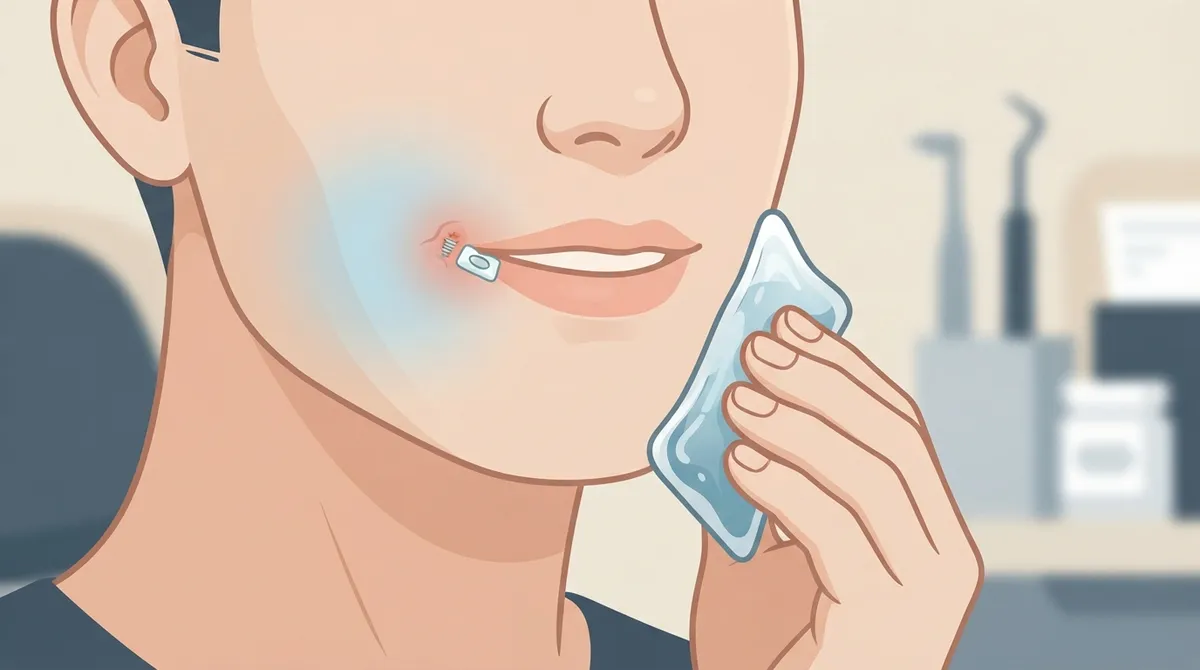
After getting a dental implant, you will likely feel some soreness, pressure, and swelling. This is completely normal. It happens because your body is healing from a minor surgical procedure. Most patients say the feeling is similar to recovering from a tooth extraction. Your local anesthetic will wear off within a few hours, and that is usually when you start noticing the ache.
2. Pain Typically Peaks in the First 1-3 Days
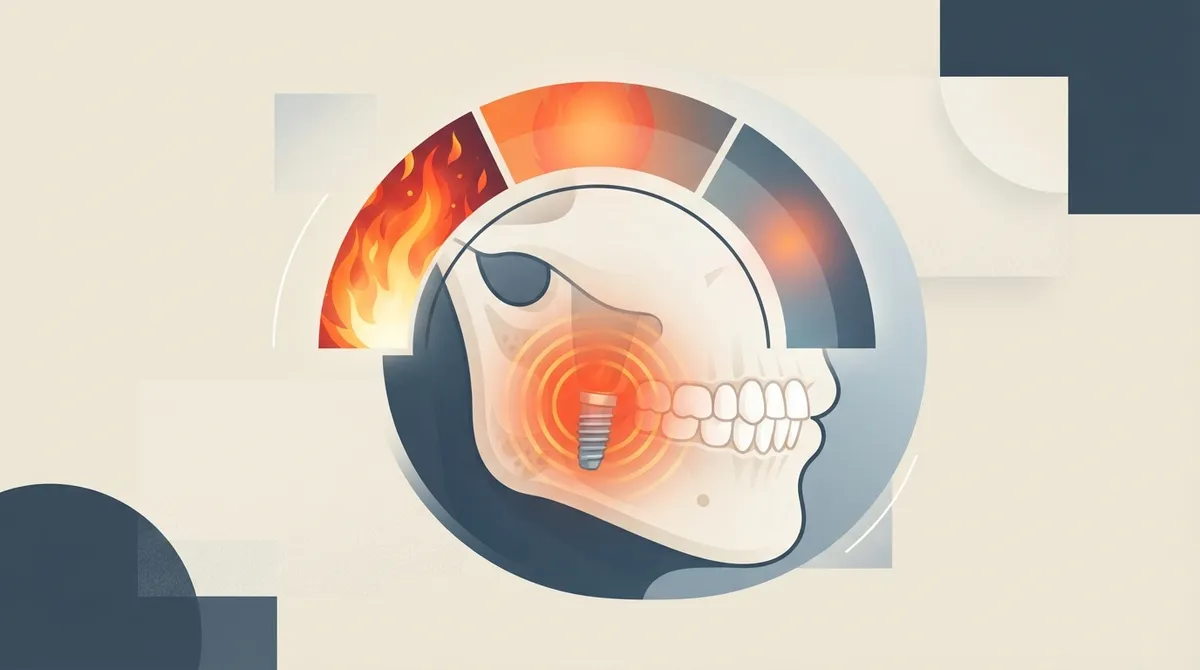
Here is some good news: your discomfort should peak early and then fade fast. Most patients feel the most soreness during the first 24 to 72 hours after surgery. After that, things should steadily improve. By the end of the first week, many people feel much better. Some mild tenderness while chewing might stick around for another week or two, but it should keep getting easier.
3. Warning Signs That Need Attention
While some discomfort is expected, certain signs mean you should call your dentist right away. Watch for these red flags:
- Pain that gets worse after day three instead of better
- Swelling that keeps increasing rather than going down
- Pus or unusual drainage near the implant site
- A bad taste or smell that will not go away
- Fever or feeling generally unwell
- Trouble swallowing or breathing (this needs urgent medical care)
- An implant or crown that feels loose or wiggly
If you notice any of these symptoms, please do not wait. Reach out to our team quickly, or call us at (407) 378-3704 so we can help right away.
4. Why Pain Might Return After It Seemed Better
Sometimes pain fades and then comes back days or weeks later. This pattern is different from normal healing, and it deserves a closer look. Possible causes include infection, bite problems, or an implant that is not settling into the bone correctly. Your dentist can figure out exactly what is happening with a quick exam.
5. Understanding Peri-Implant Mucositis
This is a fancy term for gum inflammation around an implant. Think of it like gingivitis, but for implants instead of natural teeth. The tissue gets red, puffy, and may bleed easily. The good news is that this condition does not involve bone loss, and it often improves with better cleaning and professional care.
6. Understanding Peri-Implantitis
This condition is more serious than mucositis. It involves inflammation plus loss of the bone that supports your implant. A 2025 review from the Academy of Osseointegration and American Academy of Periodontology looked at over 13,000 patients across 102 studies. They found that about 21% of patients experienced peri-implantitis at some point. Catching this early makes a huge difference, which is why regular checkups matter so much.
7. What the Research Says About Implant Complications
Let's look at some real numbers so you know what to expect. Here is a helpful table summarizing recent research findings:
| Study | Peri-Implant Mucositis | Peri-Implantitis |
|---|---|---|
| 2025 AO/AAP Review (13,030 patients) | 46% prevalence | 21% prevalence |
| 2022 Systematic Review | Not specified | 19.53% patient-level |
| 2013 Systematic Review | 63.4% of participants | 18.8% of participants |
| 2015 Systematic Review | 43% weighted mean | 22% weighted mean |
These numbers might sound a little scary, but remember: most cases are preventable with good habits and regular dental visits.
8. Risk Factors That Increase Implant Pain and Complications
Certain habits and health conditions make problems more likely. Being aware of these can help you take extra good care of your new implant:
- Smoking or using tobacco products
- Poorly controlled diabetes
- A history of gum disease (periodontitis)
- Skipping regular dental cleanings
- Not brushing and flossing around the implant properly
- Excessive alcohol consumption
- Being significantly overweight
If any of these apply to you, do not panic. Our team at Charming Smiles of Ocoee can create a personalized plan to help you succeed with your dental implants despite these challenges.
9. A 2024 Look at Real-World Implant Outcomes
A 2024 observational study followed 150 dental implant surgery cases. The results were encouraging overall. About 66.7% of patients had no complications at all. Infection occurred in 15.3% of cases, peri-implantitis in 12%, and implant failure in 8%. While these numbers vary by clinic and patient, they show that most people do very well with proper care.
10. How to Manage Normal Post-Surgery Pain at Home
Your dentist will give you specific instructions, but here are common steps for comfortable healing:
- Take pain relievers exactly as your dentist recommends
- Use ice packs on your cheek during the first day
- Stick to soft foods for the first few days
- Avoid hot drinks and hard, crunchy foods near the implant
- Keep the area clean but be gentle when brushing
- Skip smoking completely during healing
- Rest and avoid strenuous exercise for a couple of days
11. Can You Take Ibuprofen or Acetaminophen?
Many dentists recommend over-the-counter pain relievers like ibuprofen or acetaminophen for implant discomfort. Sometimes a combination of both works even better. However, always follow your dentist's specific instructions and never exceed the recommended dose. Be sure to tell your dentist about any other medications or health conditions before surgery, since this affects what is safe for you.
12. Why Osseointegration Takes Time
Your implant needs to bond with your jawbone in a process called osseointegration. This can take several months to complete fully. Here is something important to know: just because pain goes away quickly does not mean the implant has fully integrated yet. Your dentist will monitor this process carefully during follow-up visits to make sure everything is progressing well.
13. Preventing Long-Term Implant Pain and Problems
Taking care of your implant is a lot like taking care of your natural teeth, just with a few extra steps. Follow these simple habits for lasting success:
- Brush twice daily around the implant crown
- Floss carefully or use a water flosser
- Visit your dentist for regular cleanings and checkups
- Avoid chewing extremely hard foods like ice
- Wear a nightguard if you grind your teeth
- Quit smoking if you currently smoke
- Keep diabetes well managed with your doctor
- Tell your dentist right away about any new discomfort
Our team often recommends our dental savings plan to help patients stay consistent with the preventive visits that protect their implant investment long term.
14. When to Choose Charming Smiles of Ocoee for Implant Care
Choosing the right dental team makes all the difference in your comfort and results. At Charming Smiles of Ocoee, Dr. Aliuska Lopez and her caring team combine advanced technology with a relaxing, spa-like atmosphere. We understand dental anxiety and work hard to make every visit stress-free. From your first dental implant consultation through your full recovery, we are here to support you every step of the way.
We also offer flexible insurance and financing options and helpful payment plans to make treatment more affordable. Be sure to check our current specials, including a free implant consultation and $200 off implant treatment. You can also explore our full range of dental services to see how we support your complete oral health.
What Our Ocoee Patients Are Saying
Curious what real patients think about their experience? You can visit us on Google — Charming Smiles of Ocoee to read honest reviews from your neighbors right here in Ocoee, FL. Many patients also love connecting with us on the Charming Smiles Facebook page and the Charming Smiles Instagram page for smile transformation photos and helpful tips. For more general guidance on oral health, the American Dental Association and the National Institute of Dental and Craniofacial Research both offer trustworthy patient education resources.
Your Comfortable Smile Journey Starts Here
Dental implant pain does not have to be scary or mysterious. Now that you know what is normal, what to watch for, and how to care for your implant, you can feel confident moving forward. Remember, mild soreness for a few days is expected, but worsening pain or unusual symptoms deserve a phone call to your dentist. At Charming Smiles of Ocoee, we are proud to be a trusted resource for families throughout Ocoee, Florida, offering gentle, modern care every step of the way. Ready to take the next step toward a healthier smile? Visit our location or reach out today to schedule your free dental implant consultation. We cannot wait to welcome you to our warm, comfortable practice, conveniently located near Publix in Ocoee, FL.
FAQs
Q: How much pain is normal after a dental implant?
A: Mild to moderate soreness, some swelling, and tenderness are totally normal after implant surgery. Most folks describe it as similar to a tooth extraction, and it should feel manageable with over-the-counter pain relief.
Q: How long does dental implant pain last?
A: Pain usually peaks in the first 1 to 3 days, then gets better each day after that. Most patients feel significantly better within a week, though mild tenderness while chewing can linger for up to two weeks.
Q: When does dental implant pain become a warning sign?
A: If your pain gets worse after day three, comes back after improving, or is joined by swelling, pus, fever, or a loose implant, it's time to call your dentist. These signs could point to infection or other issues that need attention.
Q: Can I take ibuprofen or acetaminophen for dental implant pain?
A: Many dentists do recommend these over-the-counter options, sometimes even together, for implant discomfort. Just be sure to follow your dentist's specific instructions and mention any other medications or health conditions first.
Q: Why does my dental implant hurt months or years later?
A: Pain that shows up later can be caused by peri-implantitis, a loose crown, bite problems, or issues with a nearby tooth. It's best not to guess the cause yourself. Schedule a visit so your dentist can pinpoint the problem and fix it quickly.