14 Facts About Crowns for Tooth Discoloration in 2026
Discover 14 key facts about using dental crowns to fix discolored teeth, from causes to materials, costs, and long-term success rates.
Key Takeaways
- Crowns are not the first treatment option for tooth discoloration; professional cleaning, whitening, bonding, or resin infiltration should be tried first for healthy teeth with surface stains.
- Crowns work best for moderate to severe discoloration caused by root canals, large old fillings, decay, cracks, or internal darkening that whitening cannot fix.
- Zirconia crowns have excellent long-term success rates with 95-97% survival at 5 years, making them a reliable investment when discoloration treatment is truly needed.
- Crown placement permanently removes natural tooth structure that cannot grow back, so dentists prioritize less invasive options first, especially for younger patients.
- Crowns cannot be whitened after placement, so shade selection before placement is critical; whiten natural teeth first and match the crown shade to avoid future disappointment.
- The cause of discoloration must be diagnosed first through professional examination, as surface stains, decay, fluorosis, antibiotics, and internal damage each require different treatment approaches.
Do you have one tooth that just won't match the rest of your smile? Maybe it turned gray after a root canal, or it's been dark since you were a kid. You're not alone, and you're not stuck with it. Many patients in Ocoee come to us feeling embarrassed about a single stained tooth, and we love showing them there's a real fix. At Charming Smiles of Ocoee, Dr. Aliuska Lopez and her caring team help patients understand exactly when crowns make sense for discoloration, and when a simpler option might work better.
This guide breaks down 14 important facts about using crowns & bridges to cover stained or discolored teeth. We'll keep things simple and clear, so you can walk into your next appointment feeling confident. Let's get started.
1. Crowns Are Not Always the First Choice for Stains
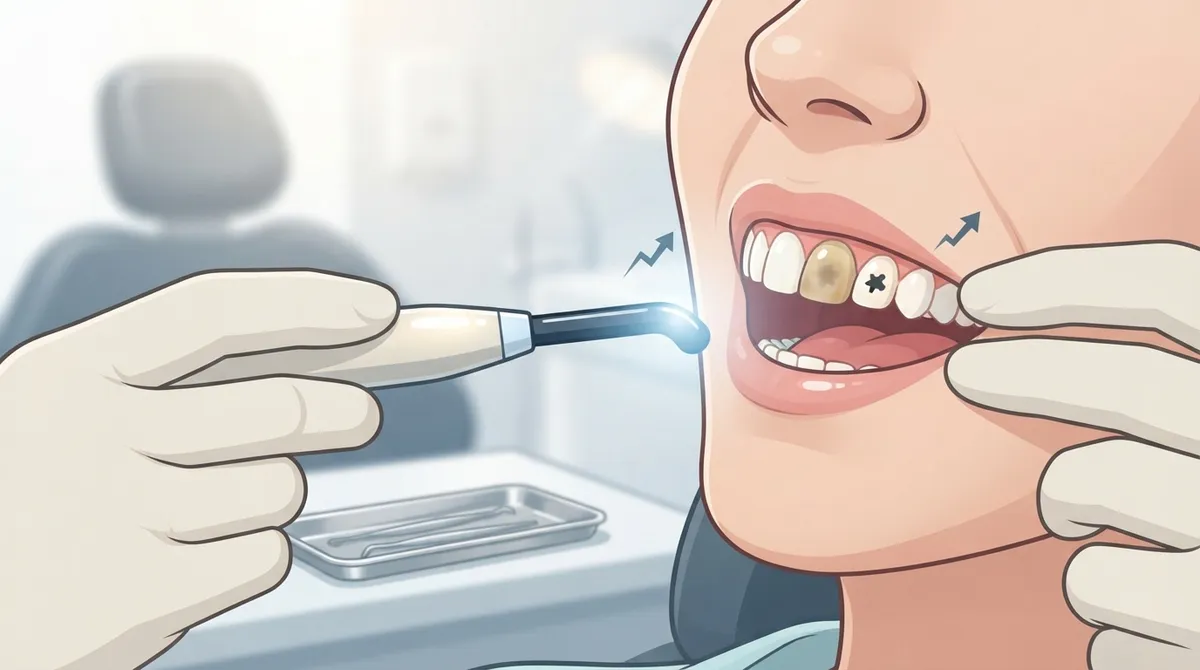
Here's something that might surprise you. A crown is often not the first thing dentists try for tooth discoloration. If your tooth is healthy and just has surface stains, a professional cleaning or teeth whitening services may do the trick. The American Dental Association points out that simpler treatments like whitening, bonding, or resin infiltration should usually be tried first when the tooth structure is strong and healthy.
Crowns come into play when the problem runs deeper than the surface. Think of it this way: whitening treats the outside, but crowns cover the whole tooth. That's a bigger step, so dentists like to explore lighter options first.
2. Crowns Work Best for Moderate to Severe Discoloration
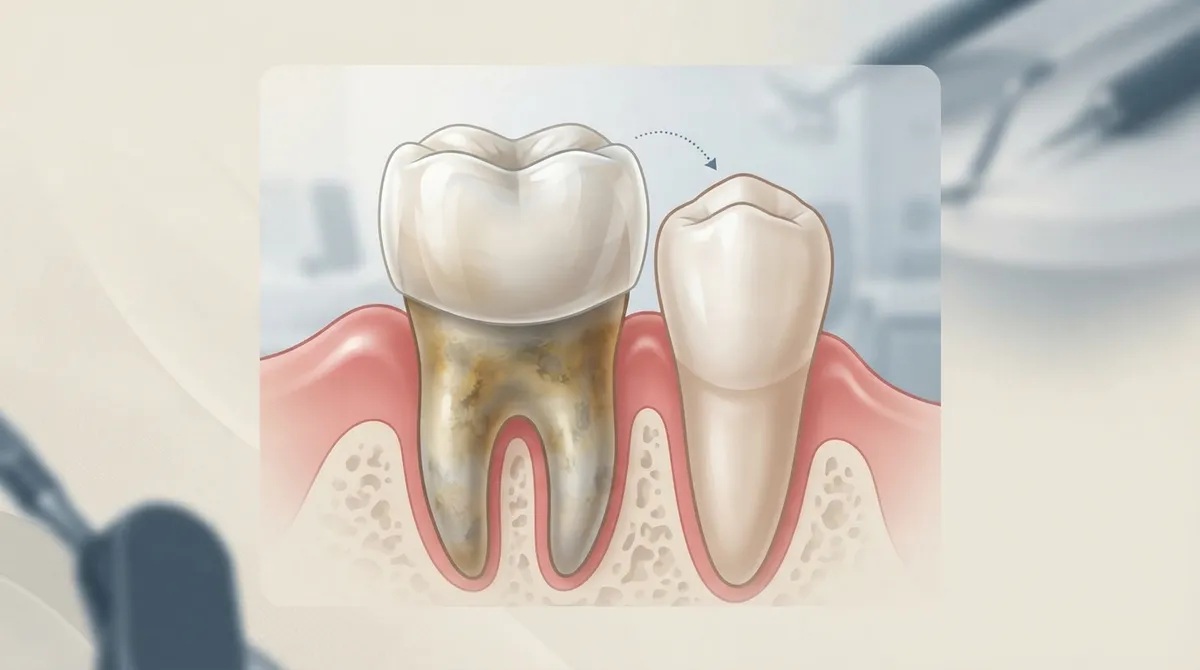
So when does a crown actually make sense? Crowns shine when whitening simply won't work anymore. This happens with:
- Teeth that turned dark gray or brown from the inside
- Teeth with old, large fillings that have discolored over time
- Teeth weakened by decay, cracks, or past trauma
- Teeth that had a root canal and later became stained
In these cases, a crown does double duty. It hides the discoloration and also strengthens a tooth that may be fragile. It's a smart two-in-one solution for many Ocoee patients.
3. Root Canal Teeth Often Turn Dark
Have you ever noticed a tooth turn gray after a root canal? This is actually pretty common. When the nerve and blood supply are removed, the tooth can slowly darken over months or years. No amount of whitening toothpaste will fix this because the staining comes from inside the tooth.
This is exactly the kind of case where a crown makes a real difference. It covers the entire tooth, so the dark color underneath simply disappears from view. If you've had a root canal and noticed changes in color, it's worth asking your dentist about crown options.
4. Your Dentist Must Find the Cause First
Before jumping to any treatment, a good dentist always figures out why your tooth looks discolored. There are many possible reasons, including:
- Simple surface stains from coffee, tea, or wine
- Tooth decay hiding beneath the enamel
- Old trauma or injury to the tooth
- Natural aging of the enamel over time
- Fluorosis from too much fluoride during childhood
- Tetracycline stains from certain antibiotics taken young
- Enamel defects present since birth
- Internal discoloration after root canal treatment
Each cause calls for a different fix. That's why skipping the diagnosis step and jumping straight to a crown isn't always wise. Our team takes time during your visit to understand the real story behind your smile.
5. Less Invasive Options Come First for Healthy Teeth
If your tooth is structurally sound, your dentist will likely suggest gentler treatments before crowns. These include professional cleaning, in-office or take-home whitening, microabrasion (a gentle polishing technique), resin infiltration, or simple composite bonding.
These options preserve more of your natural tooth. Crowns require removing some enamel, which cannot grow back. So it makes sense to try the easier route first, especially for younger patients or teeth with plenty of healthy structure left.
6. Crown Placement Removes Natural Tooth Structure
This is an important fact to understand. Getting a crown means your dentist must shave down some of your natural tooth to make room for the cap. This step cannot be undone.
Because of this, crowns are considered a bigger commitment than whitening or bonding. That's not a bad thing when a crown is truly needed, but it does explain why dentists don't rush into this choice for every stained tooth. We'll walk you through exactly what to expect during your consultation at our Ocoee office.
7. Different Crown Materials Handle Discoloration Differently
Not all crowns are created equal when it comes to hiding stains. The material matters a lot. Here's a simple breakdown:
| Crown Material | Best For | Discoloration Coverage |
|---|---|---|
| Lithium-disilicate (e.max) | Mild to moderate discoloration, front teeth | Good, natural-looking translucency |
| Zirconia (opaque core) | Severe discoloration, dark or gray teeth | Excellent, blocks dark shades well |
| Porcelain-fused-to-metal | Back teeth, heavy bite pressure | Very good, strong masking ability |
Your dentist will pick the right material based on how dark your tooth is, where it sits in your mouth, and how much natural structure remains. This decision matters for both looks and long-term strength.
8. Zirconia Crowns Have Impressive Survival Rates
Worried about how long a crown will actually last? The research is encouraging. A 2024 systematic review found that tooth-supported zirconia crowns had an estimated 5-year survival rate of 95.9%. Implant-supported zirconia crowns performed even better, at 97.1%.
Another study following patients for 15 years found an overall zirconia restoration survival rate of about 95%, with single crowns holding steady at roughly 94.2%. These numbers show that modern crown materials are built to last with proper care.
9. Complications Are Possible but Relatively Rare
No dental treatment is risk-free, and crowns are no exception. The same 2024 review reported a 5-year complication rate of about 5.6% for tooth-supported zirconia crowns. Reported issues included loss of retention, the need for later root canal treatment, small fractures in the outer material, and occasional gum bleeding.
While these numbers might sound a little concerning, they're actually quite low when you consider how many people get crowns every year. Choosing an experienced dentist and following aftercare instructions helps keep your risk even lower.
10. Crowns Cannot Be Whitened Later
Here's something many patients don't realize until it's too late. Once a crown is placed, it will not respond to whitening treatments the way natural teeth do. This means shade selection before placement is incredibly important.
Your dentist should talk with you about your goals before the crown goes in. If you want your natural teeth whiter too, it often makes sense to whiten first and match the crown shade afterward. This planning step protects you from disappointment down the road.
11. Underlying Problems Must Be Treated First
You can't just slap a crown over an infected or decayed tooth and call it done. Any existing decay, gum disease, or infection needs to be treated before a permanent crown goes on. Sometimes this means a filling first. Other times it means a root canal if the nerve is damaged.
Skipping this step can lead to bigger problems later, including pain, infection spreading, or the crown failing early. Our team always makes sure your tooth is healthy underneath before finalizing any crown work.
12. Good Habits Help Your Crown Last Longer
Want your crown to serve you well for many years? A few simple habits go a long way:
- Brush and floss daily, paying attention to the crown's edges
- Keep up with regular dental checkups and cleanings
- Avoid chewing ice, hard candy, or pens
- Wear a night guard if you grind your teeth while sleeping
- Address any bite issues early with your dentist
These small steps protect your investment and keep your smile looking great. Our hygienists are happy to give personalized tips based on your specific crown and bite pattern.
13. Implant-Supported Crowns Show Strong Long-Term Results
If your discolored tooth also needs replacing with a dental implant, you'll be glad to know the outcomes are excellent. A systematic review of implant-supported single crowns found a 5-year survival rate of 98.3% for metal-ceramic crowns and 97.6% for zirconia crowns.
Another 2024 review looking at monolithic zirconia restorations tracked 644 restorations and found a cumulative 5-year survival rate of 100% for single crowns, with only one material failure reported. These are strong numbers that should ease any worries about long-term success.
14. Charming Smiles of Ocoee Helps You Choose the Right Path
Every smile is different, and so is every discoloration story. That's why Dr. Lopez and the team at Charming Smiles of Ocoee take time to really listen during your consultation. We'll examine your tooth, discuss the cause of discoloration, and walk through every option, from simple whitening to full crown coverage.
Our spa-like office near Publix in Ocoee makes even a crown procedure feel relaxed and stress-free. We offer soothing music, comfy blankets, and a gentle approach for patients who feel nervous about dental work. You can also explore our cosmetic dentistry options if you're curious about veneers or whitening alongside crown work.
Making the Right Choice for Your Smile
Choosing between whitening, bonding, veneers, or a crown depends on your unique situation. That's exactly why a proper consultation matters so much. Our team will never push you toward a bigger treatment than you actually need, but we'll also make sure you know all your options.
We accept many major insurance plans and offer flexible insurance & financing options to help make treatment affordable. Check out our current specials, including a free cosmetic consultation, so you can explore your options without any pressure.
Curious what other patients have experienced? You can Visit us on Google — Charming Smiles of Ocoee to read real reviews from our Ocoee community. We're also active on social media, so feel free to follow our Charming Smiles Facebook page or check out smile transformations on our Charming Smiles Instagram page for inspiration.
If you're weighing your options and want expert guidance, the National Institute of Dental and Craniofacial Research offers helpful background on tooth discoloration causes, which can be a useful starting point before your appointment. And once you're ready to take the next step, our friendly staff makes scheduling easy, whether you prefer to book online or give us a call.
On a completely different note, if your home needs some outdoor sprucing up before hosting friends after your smile makeover, our neighbors at Wayne & Sons Landscaping & Junk Removal do wonderful work around the Ocoee area.
Ready to talk about your discolored tooth and find the best solution? Reach out today to explore our location and schedule a visit, or simply call us at (407) 378-3704. Dr. Lopez and our entire team can't wait to help you love your smile again.
FAQs
Q: Are dental crowns a good option for discolored teeth?
A: Crowns work great for moderate to severe discoloration, especially when whitening won't help anymore. For mild surface stains on healthy teeth, your dentist may suggest whitening or bonding first instead.
Q: Can a crown cover a dark or gray tooth after a root canal?
A: Yes, absolutely! This is actually one of the most common reasons dentists recommend crowns. The crown covers the entire tooth, hiding the internal darkening that whitening simply cannot fix.
Q: Is teeth whitening better than a crown for discoloration?
A: It depends on your situation. Whitening is gentler and preserves your natural tooth, so it's usually tried first for surface stains. But if your tooth has internal discoloration or structural damage, a crown is often the better long-term solution.
Q: How long do crowns for discolored teeth last?
A: Studies show zirconia crowns have impressive 5-year survival rates around 95 to 96 percent, with some lasting well beyond that with good care. Regular checkups and healthy habits help your crown go the distance.
Q: Can a dental crown be whitened after it is placed?
A: No, crowns don't respond to whitening treatments like natural teeth do. That's why it's smart to whiten your other teeth first and discuss your desired shade with your dentist before the crown is made.