14 Dental Crown Mistakes Seniors in Ocoee Must Avoid
Avoid these 14 common dental crown mistakes seniors make, from ignoring dry mouth to skipping insurance checks, with tips from Charming Smiles of Ocoee.
Key Takeaways
- Detect cracked or sensitive teeth immediately rather than waiting, as small cracks spread deeper over time and early intervention often means a straightforward crown instead of complex repairs.
- Address dry mouth proactively with prescription fluoride, saliva substitutes, and frequent cleanings, since medications common in older adults reduce saliva and increase decay risk around crown edges.
- Verify insurance coverage before treatment, as Original Medicare typically doesn't cover crowns—check your specific plan and ask about payment plans or dental savings options to avoid unexpected costs.
- Choose the right crown material for each tooth location: zirconia for back teeth, all-ceramic for front teeth visibility, and porcelain-fused-to-metal for molars needing extra strength.
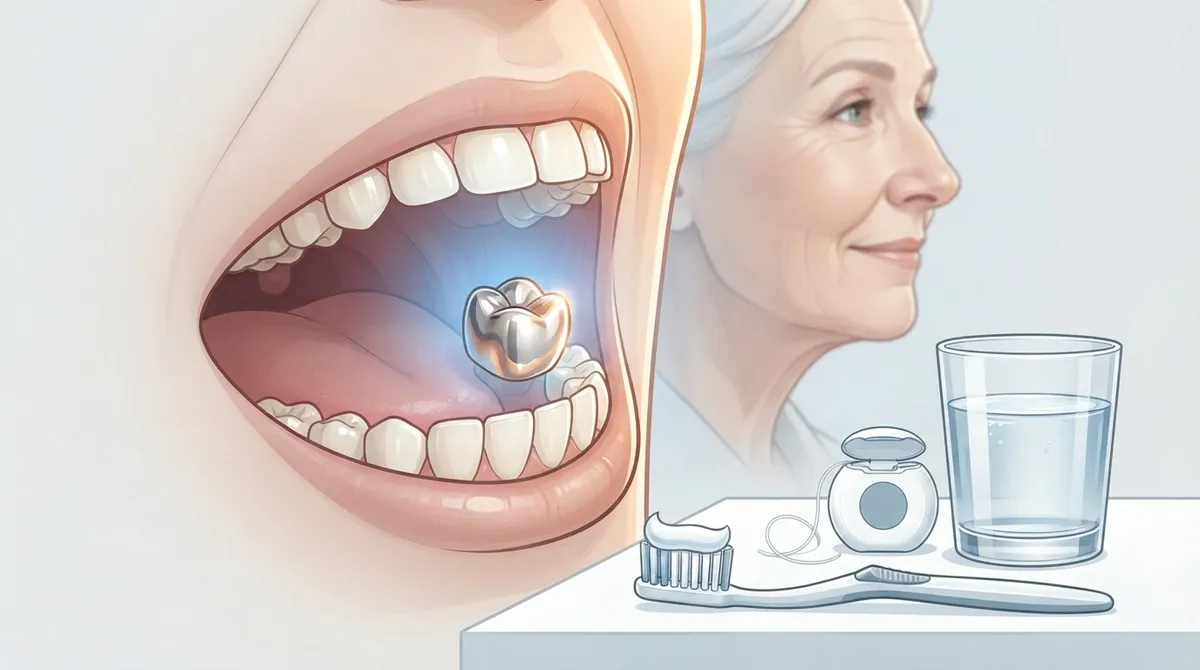
- Maintain crown health with daily flossing, twice-daily brushing with fluoride toothpaste, and regular professional cleanings to prevent plaque buildup and decay at the crown margins.
- Call your dentist immediately if a crown feels loose, causes sharp pain, or shows discoloration, as prompt attention prevents decay or infection from spreading underneath the crown.
Getting older comes with a lot of wisdom. But it can also bring worn teeth, cracked fillings, and root canals that need extra protection. If you or someone you love is facing a dental crown, you are not alone. Many older adults in Ocoee need this simple, effective treatment at some point. The good news? Most crown problems happen because of a few common, avoidable mistakes.
At Charming Smiles of Ocoee, Dr. Aliuska Lopez and her caring team see these mistakes often. They work hard to help patients dodge them so their smiles stay strong for years to come. This guide walks you through the 14 biggest crown mistakes seniors make, and how to avoid every single one.
Why Seniors Often Need Dental Crowns
Teeth go through a lot over a lifetime. Years of chewing, grinding, and old fillings can weaken a tooth's structure. A crown acts like a helmet. It covers and protects a tooth that is cracked, worn down, or has had a root canal.
Age itself is not the reason for a crown. It is really about the tooth's health. Dentists look at things like:
- How much healthy tooth structure remains
- Whether there are cracks or old large fillings
- Gum health and bone support around the tooth
- Your bite and chewing forces
- Dry mouth or ongoing decay risk
The CDC reports that nearly 13% of adults 65 and older have at least one tooth with untreated decay. That number climbs even higher for some groups facing access challenges. This is exactly why regular checkups and timely crowns matter so much for a healthy smile in Ocoee.
Mistake 1: Waiting Too Long to Get a Cracked Tooth Checked
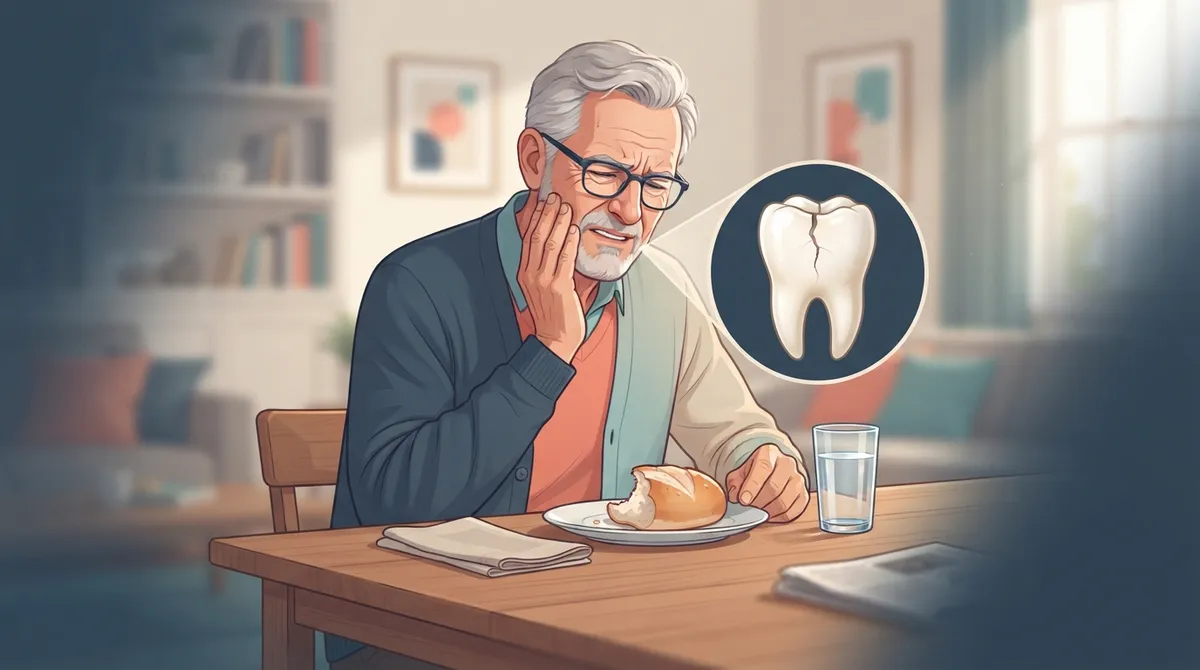
A small crack can turn into a big problem fast. Many seniors wait, hoping the discomfort will just go away. Unfortunately, cracks tend to spread deeper into the tooth over time.
The fix is simple. If a tooth feels sensitive to hot or cold, or if you notice a hairline crack, call your dentist right away. Catching it early often means a straightforward crown instead of a more complicated repair. If you're dealing with sudden pain, our emergency dentistry team can see you quickly.
Mistake 2: Assuming Age Rules Out Treatment
Some seniors think they are "too old" for a crown. This simply is not true. Age alone never disqualifies anyone from getting a crown. What matters is your overall oral and general health, not your birth year.
Dr. Lopez evaluates each patient individually. She looks at your medical history, gum health, and goals. Many patients in their 70s, 80s, and beyond get crowns and enjoy years of comfortable chewing afterward.
Mistake 3: Choosing the Wrong Crown Material
Not all crowns are the same. Common materials include porcelain-fused-to-metal, zirconia, and other all-ceramic options. Each one has different strengths.
| Material | Best For | Key Benefit |
|---|---|---|
| Zirconia | Back teeth, heavy chewers | Very strong and durable |
| Porcelain-fused-to-metal | Molars needing extra strength | Long track record of durability |
| All-ceramic (like lithium disilicate) | Front teeth, visible smile areas | Most natural, tooth-like look |
A systematic review found that all-ceramic crowns had failure rates of about 6.5% for front teeth and 9.1% for back teeth over several years of follow-up. This does not mean your crown will fail. It simply shows why picking the right material for the right tooth matters. Our crowns & bridges team helps you choose wisely.
Mistake 4: Skipping the Full Dental Exam Beforehand
A crown should never be a rushed decision. Before recommending one, your dentist should check the tooth clinically and take X-rays. This helps rule out deeper issues like infection or bone loss.
Skipping this step can lead to a crown placed over a tooth that really needed a root canal first, or one that was not a good candidate at all. Ask questions during your exam. A trustworthy dentist welcomes them.
Mistake 5: Ignoring Dry Mouth Symptoms
Dry mouth is extremely common in later life. Many medications for blood pressure, allergies, or anxiety reduce saliva flow. Less saliva means higher risk of decay, especially around the edges of a crown.
Here is how to fight back against dry mouth:
- Sip water throughout the day
- Ask about prescription-strength fluoride toothpaste
- Try sugar-free gum or saliva substitutes
- Talk to your doctor about medication alternatives
- Schedule more frequent cleanings if needed
Mistake 6: Not Discussing Alternatives First
A crown is not always the only option. Sometimes a filling, onlay, or even root canal plus a crown works better. In other cases, if a tooth cannot be saved, options like a bridge or dental implants may serve you better long term.
Never be afraid to ask, "What else could work here?" A good dentist will walk through the pros and cons of each path with you.
Mistake 7: Forgetting About Transportation and Support
Crown procedures usually take two visits. Between appointments, you will wear a temporary crown. Seniors managing mobility issues, memory concerns, or medication schedules should plan ahead.
Consider these steps before your appointment:
- Arrange a ride to and from the office
- Bring a list of current medications, especially blood thinners
- Ask a family member to join for support if helpful
- Plan simple, soft foods for the days following treatment
Mistake 8: Poor Home Care After Getting a Crown
Crowns are tough, but they are not invincible. Plaque can still build up along the edges where the crown meets your natural tooth. This is a common spot for new decay to start.
Keep your crown healthy with these simple habits:
- Brush twice daily with fluoride toothpaste
- Floss gently around the crown every day
- Use an antimicrobial mouthwash if recommended
- Avoid chewing ice or hard candy
- Keep up with regular professional cleanings
Mistake 9: Ignoring Gum Health Around the Crown
Gum disease and crowns do not mix well. If gums recede or become infected, the crown's support can weaken over time. Many seniors deal with some form of gum disease without realizing it.
Watch for bleeding, swelling, or persistent bad breath. These are signs your gums need attention. Catching gum issues early protects both your natural teeth and any crowns you already have.
Mistake 10: Not Verifying Insurance Coverage First
This is a big one. Original Medicare generally does not cover routine dental work or most crowns. Some Medicare Advantage plans offer limited dental benefits, but coverage varies widely.
Before committing to treatment, always confirm your specific benefits. Our team happily helps patients understand their insurance & financing options so there are no surprises. We also offer a helpful dental savings plan for patients without traditional coverage.
Mistake 11: Not Asking About Payment Plans
Cost worries stop many seniors from getting needed care. Do not let that happen to you. Flexible payment plans can spread out the cost of a crown over manageable monthly payments.
Charming Smiles of Ocoee also runs current specials throughout the year, including free consultations for several services. Asking about these options upfront can make treatment far more affordable than you might expect.
Mistake 12: Choosing a Rushed, Impersonal Dental Office
Crown work requires precision and patience, especially for older patients with unique health needs. A rushed appointment increases the chance of an ill-fitting crown or missed details in your medical history.
Look for a practice that takes time to listen. At our Ocoee location near Publix, we build our schedule around genuine care, not just speed. You can visit us on Google — Charming Smiles of Ocoee to see how our patients describe their experience firsthand.
Mistake 13: Overlooking Comfort Options for Dental Anxiety
Many seniors carry decades of dental anxiety. This can lead to avoiding appointments altogether, which only makes problems worse over time.
A spa-like environment changes everything. Soothing music, cozy blankets, and a gentle team can turn a stressful visit into a calm one. If anxiety has kept you away from the dentist, mention it. The right team will adjust their approach for you.
Mistake 14: Ignoring Warning Signs After the Crown Is Placed
Once your crown is in, do not ignore new symptoms. A loose feeling, sharp pain when biting, or a strange smell near the crown all deserve a quick call to your dentist.
Here is when to reach out immediately:
- The crown feels wobbly or shifts when you bite
- You notice a crack or visible chip
- Pain lingers for more than a day or two
- You see dark discoloration at the gum line near the crown
Prompt attention almost always means a simpler, less costly fix. Waiting can allow decay or infection to spread underneath.
What a Trusted Ocoee Dental Team Can Offer
Choosing the right dentist matters just as much as choosing the right crown. Dr. Lopez and her team combine advanced technology with a warm, welcoming approach designed especially for patients who want gentle, modern care.
Beyond crowns, the practice offers a full range of services, including general dentistry, dentures, and cosmetic dentistry. Whether you need a single crown or a full smile plan, everything is handled under one caring roof. You can also follow along and see real patient stories on the Charming Smiles Facebook page or check out smile transformations on the Charming Smiles Instagram page.
A Quick Checklist Before Your Crown Appointment
- Confirm your insurance benefits or ask about savings plans
- Arrange transportation if needed
- Bring your full medication list
- Write down any questions about materials or alternatives
- Mention any dental anxiety so the team can prepare comfort options
Following this list helps your appointment go smoothly from start to finish. Preparation really does make a difference, especially for a procedure as important as a crown.
Your Next Step Toward a Stronger, Healthier Smile
Dental crowns help countless seniors keep chewing comfortably, speaking clearly, and smiling confidently for years longer. Avoiding these 14 mistakes puts you in the best position for a smooth, successful outcome. If you have questions, working with a knowledgeable team like SEO Rocket's content partners at SEO Rocket shows how careful planning applies to more than just dentistry, it applies to getting good information you can trust, too.
Ready to protect your smile the right way? Reach out to our team today, learn more about our location, or simply call us at (407) 378-3704 to schedule your consultation. You can also book online at a time that works best for you. Charming Smiles of Ocoee is here to make every visit gentle, comfortable, and worth smiling about.
FAQs
Q: When does a senior need a dental crown instead of a filling?
A: If a tooth has a large crack, extensive decay, or has had a root canal, a filling often is not strong enough. A crown covers the whole tooth and gives it lasting protection, especially for back teeth that handle heavy chewing.
Q: How long do dental crowns typically last for older adults?
A: Many crowns last well over a decade with good care. Studies show failure rates around 6.5% to 9.1% over several years, which means most crowns hold up beautifully when patients keep up with brushing, flossing, and regular checkups.
Q: Does Medicare cover dental crowns for seniors?
A: Original Medicare usually does not cover routine dental crowns. Some Medicare Advantage plans offer limited dental benefits, so it is always worth checking your specific plan. Our team is happy to help you explore financing and savings plan options too.
Q: Can seniors with dry mouth still get dental crowns safely?
A: Absolutely. Dry mouth just means we take extra precautions, like recommending prescription fluoride or saliva substitutes, to protect the tooth and crown margin from decay. Many patients with dry mouth enjoy long-lasting crowns with the right care plan.
Q: What should a senior do if a crown feels loose or painful?
A: Call your dentist right away rather than waiting it out. A loose or painful crown can signal decay or an infection underneath, and catching it early almost always leads to a simpler, faster fix.