13 Restorative Dentistry Facts Ocoee Patients Should Know
Discover 13 key facts about restorative dentistry, from fillings to implants, and how Charming Smiles of Ocoee can rebuild your smile.
Key Takeaways
- Untreated damaged teeth can shift your bite, wear down adjacent teeth, and cause bone loss in the jaw, making early restorative intervention critical to prevent costly complications.
- Dental implants are considered the gold standard for missing teeth replacement, with about 2.5 million implants placed annually in the U.S. and a lifespan of 20+ years or potentially a lifetime.
- Modern dentistry now prioritizes preserving natural tooth structure by removing only decayed portions during fillings, using tooth-colored composite resin instead of metal for better aesthetics.
- Restorative treatments have varying lifespans: fillings last 5-15 years, crowns and bridges 10-15 years, and implants 20+ years, with longevity improved through good oral hygiene and regular checkups.
- Restorative dentistry differs from cosmetic dentistry by focusing on function and health restoration rather than appearance alone, though many treatments accomplish both goals simultaneously.
- Most dental insurance plans cover restorative treatments, and flexible payment plans are available for uninsured patients, making these procedures more accessible for families.
Do you have a chipped tooth, an old filling that keeps breaking, or a gap where a tooth used to be? You are not alone. Millions of people deal with damaged or missing teeth every year, and the good news is that modern dental care has real solutions. Restorative dentistry is the branch of dental care built to fix these exact problems, and it can bring back your smile, your bite, and your confidence.
At Charming Smiles of Ocoee, Dr. Aliuska Lopez and her team see patients every week who thought their smile could never be fixed. Whether you are a busy parent, a senior dealing with wear and tear, or someone who just cracked a tooth on popcorn, this guide will walk you through everything you need to know about restorative dentistry in 2026. Let's dig in.
1. What Restorative Dentistry Actually Means
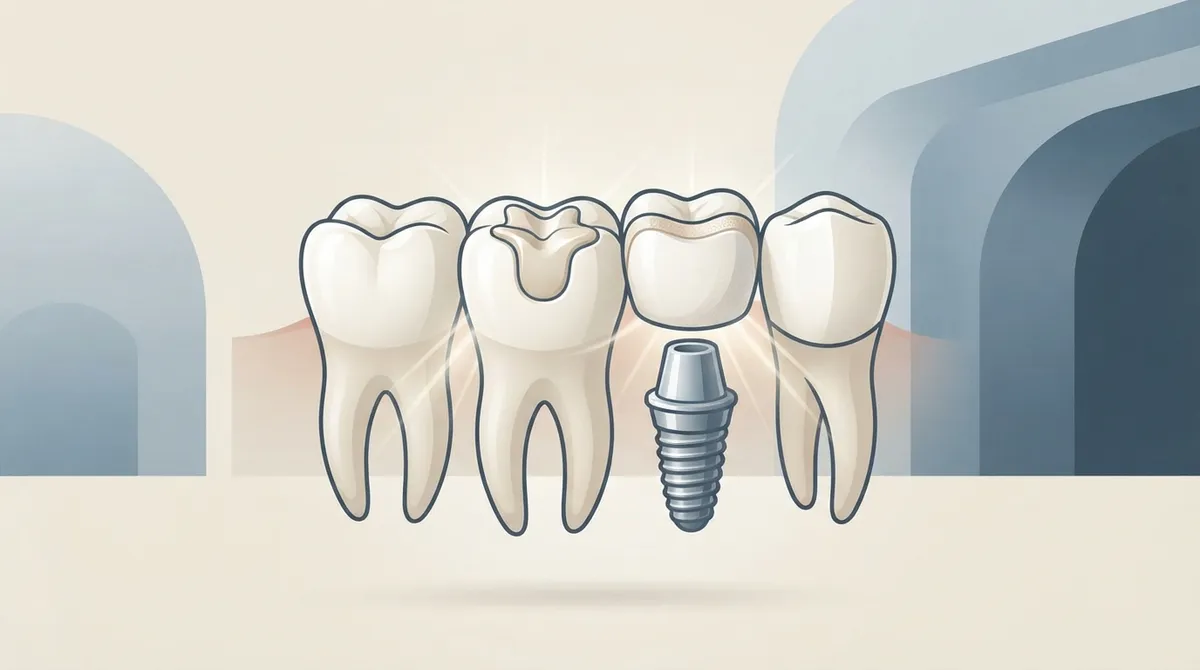
Restorative dentistry is the part of dentistry that repairs teeth damaged by decay, injury, or age. It also replaces teeth that are missing altogether. Think of it as the "fix it" side of dental care, separate from purely cosmetic work like whitening.
The goal is simple: restore how your teeth work, protect what is left of your natural tooth, and help your mouth function normally again. This means you can chew, speak, and smile without pain or worry.
2. Why Restorative Care Matters for Your Health
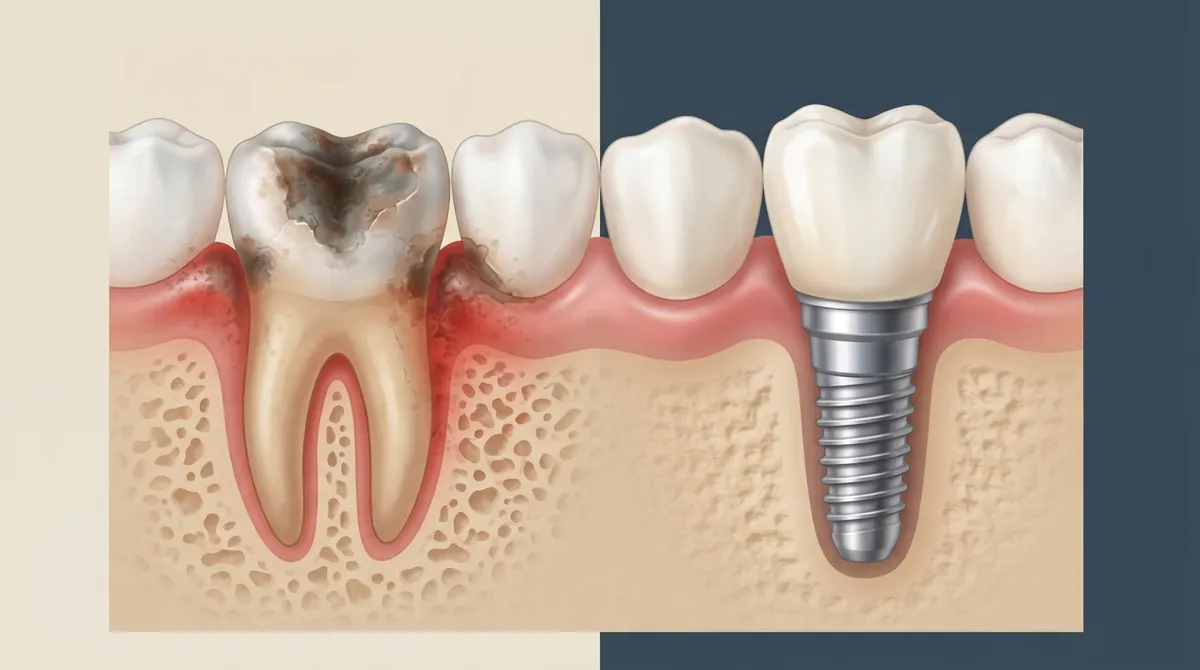
A damaged tooth does more than hurt. It can shift your bite, wear down other teeth, and even lead to bone loss in your jaw. Ignoring a problem tooth often makes things worse and more expensive to fix later.
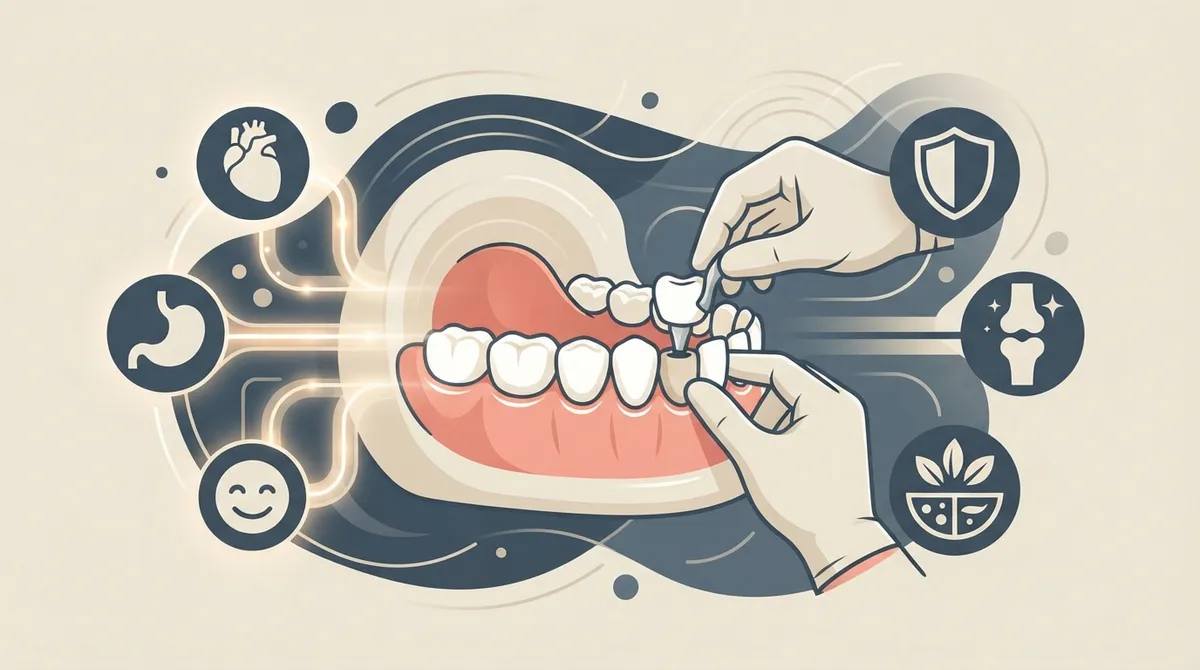
Restorative dentistry stops small problems from turning into big ones. It also helps you avoid infections that can spread beyond your mouth. Good restorative care protects your whole body, not just your teeth.
3. Common Restorative Dentistry Procedures
There are many tools in a dentist's toolbox for restoring smiles. Here are the most common ones you will hear about:
- Dental fillings for cavities and small chips
- Crowns to cover and protect weak or broken teeth
- Crowns and bridges to replace one or more missing teeth
- Dental implants for permanent tooth replacement
- Dentures for patients missing many or all teeth
- Root canal treatment to save an infected tooth
Each option serves a different need. Your dentist will help you figure out which one fits your situation best.
4. Fillings: The Simplest Fix
Fillings are usually the first stop for cavities. Your dentist removes the decayed part of the tooth and fills the space with a strong material. Today, most fillings use tooth-colored composite resin instead of old metal fillings.
Modern dentistry also favors a gentle approach. The American Dental Association now supports removing less healthy tooth structure during cavity treatment. This means dentists try to save as much of your natural tooth as possible, in both baby teeth and adult teeth.
5. Crowns: A Cap for Damaged Teeth
When a tooth is too weak or broken for a filling, a crown might be the answer. A crown covers the entire visible part of the tooth like a cap. It protects what is left underneath and lets you chew normally again.
Crowns can be made from porcelain, metal, or a mix of both. Many patients choose porcelain because it looks natural and blends in with their other teeth.
6. Bridges: Filling the Gap
A bridge replaces one or more missing teeth by anchoring to the healthy teeth on either side of the gap. It literally "bridges" the space. This stops your other teeth from shifting into the empty spot over time.
Bridges are a solid option for people who are not ready for implants or who need a faster solution. Learn more about crowns and bridges here in Ocoee to see if this fits your needs.
7. Dental Implants: The Long-Term Solution
Dental implants are often called the gold standard for replacing missing teeth. A small titanium post is placed in the jawbone, acting like an artificial tooth root. A crown is then attached on top.
Industry data suggests around 1 million patients in the U.S. get dental implants each year, adding up to roughly 2.5 million implants placed annually. Many dentists say implants are their top choice for replacing missing teeth because they look, feel, and act like real teeth. If you want to explore this option, you can learn more about our dental implants and even schedule a free consultation.
8. Dentures: Restoring Full Smiles
For patients missing many or all of their teeth, dentures are still a trusted and affordable option. Modern dentures fit better and look more natural than older versions.
Some patients choose full dentures, while others need only partials. Our team can help you figure out how to choose the right dentures for your lifestyle and budget.
9. Root Canals: Saving a Damaged Tooth
When decay or infection reaches deep inside a tooth, a root canal can save it. This procedure removes the infected tissue inside the tooth and seals it up. Many people worry root canals will hurt, but with modern numbing techniques, most patients feel little to no pain during treatment.
Saving your natural tooth is almost always better than pulling it. That is why root canals remain one of the most common restorative procedures performed today.
10. How Restorative Dentistry Differs From Cosmetic Dentistry
People often confuse restorative and cosmetic dentistry, but they serve different purposes. Restorative dentistry fixes function and health problems, like a cavity or a missing tooth. Cosmetic dentistry focuses on appearance, like whitening or veneers.
That said, many treatments do both jobs at once. A crown, for example, restores function and can look great too. If you are curious about the difference, check out this guide on how cosmetic dentistry can transform your smile in 2026.
11. What Recent Data Tells Us About Restorative Care
Restorative dentistry is more common than many people realize. A 2025 hospital study in Ondo tracked 316 restorative procedures over a two-year period, with more than half happening in a single year. This shows how steady the demand for these treatments stays over time.
| Statistic | Detail |
|---|---|
| Annual U.S. dental implants placed | About 2.5 million |
| Severely damaged teeth restored with full crowns | 72% |
| Dentists preferring implants for missing teeth | 93.8% |
| Restorative procedures tracked (Ondo, 2021-2023) | 316 total |
These numbers show restorative dentistry is not a small niche. It is one of the most needed and requested types of dental care around.
12. Steps to Take If You Think You Need Restorative Dental Work
Not sure if you need restorative care? Here is a simple checklist to follow:
- Schedule a full dental exam to check for hidden decay or damage
- Ask your dentist about all your options, from fillings to implants
- Discuss insurance and financing options before starting treatment
- Ask about timelines so you know what to expect
- Follow your dentist's aftercare instructions closely
- Book follow-up visits to make sure everything is healing well
Taking these steps helps you feel confident and prepared before any procedure.
13. How Long Restorative Treatments Usually Last
Many patients want to know how long their investment will last. Here is a general breakdown:
- Fillings: 5 to 15 years, depending on material and care
- Crowns: 10 to 15 years or longer with good hygiene
- Bridges: 10 to 15 years on average
- Dental implants: often 20+ years, sometimes a lifetime
- Dentures: 5 to 10 years before needing adjustment or replacement
Good oral hygiene and regular checkups can help any restoration last even longer. That is why we always recommend sticking to your general dentistry checkup schedule after any restorative work.
Does Insurance Cover Restorative Dentistry?
Most dental insurance plans do cover restorative treatments, though coverage amounts vary. Charming Smiles of Ocoee accepts many major insurance providers, including Delta Dental, Cigna, Aetna, MetLife, and more. We also offer flexible payment plans and a dental savings plan for patients without insurance.
Right now, we also have current specials running, including a free dental implant consultation and $200 off implant treatment. These offers make restorative care more affordable for families across Ocoee.
Why Choose Charming Smiles of Ocoee for Restorative Care
Dr. Aliuska Lopez and her team have built a reputation as the trusted choice for restorative dentistry near Ocoee, Florida. Our office blends advanced dental technology with a calm, spa-like setting, so even patients with dental anxiety feel comfortable during treatment.
We understand that restoring your smile is a big decision. That is why we take time to walk you through every option, answer your questions, and build a plan that fits your budget and goals. You can follow us on Facebook or check out patient photos on our Instagram page to see real results from real patients.
Curious what other patients say about their experience? You can visit us on Google — Charming Smiles of Ocoee to read reviews from families right here in Ocoee.
Ready to Restore Your Smile?
Whether you need a simple filling or a full smile makeover with implants, restorative dentistry can give you back your confidence and comfort. Do not wait until a small problem turns into a bigger, more costly issue.
Our team is ready to help you find the right restorative plan for your smile. You can easily book online to get started, or if you prefer to talk it through first, feel free to call us at (407) 378-3704. We look forward to helping you smile with confidence again, right here in Ocoee, Florida.
FAQs
Q: What is restorative dentistry?
A: Restorative dentistry is the part of dental care that repairs damaged teeth and replaces missing ones. It covers things like fillings, crowns, bridges, implants, and dentures. Think of it as the branch of dentistry that gets your smile back to full working order.
Q: How is restorative dentistry different from cosmetic dentistry?
A: Restorative dentistry focuses on fixing function and health, like repairing a cavity or replacing a missing tooth. Cosmetic dentistry is more about appearance, like whitening or veneers. Many treatments actually do both, giving you a healthy smile that looks great too.
Q: Are dental implants considered restorative dentistry?
A: Yes, dental implants are one of the most popular restorative options today. They replace the whole tooth, root included, and many dentists consider them the best long-term solution for missing teeth. We would love to walk you through the process at our Ocoee office.
Q: Does insurance cover restorative dental treatments?
A: Most insurance plans offer some coverage for restorative treatments like fillings, crowns, and root canals. Charming Smiles of Ocoee accepts many major insurance providers and also offers flexible financing plans. We are always happy to help you figure out your coverage before treatment begins.
Q: How long do restorative dental treatments last?
A: It depends on the treatment. Fillings often last 5 to 15 years, crowns and bridges can last 10 to 15 years, and dental implants can last 20 years or even a lifetime with good care. Regular checkups help make sure your restoration stays strong for years to come.