13 Facts About What Dental Veneers Are Made Of
Discover what dental veneers are made of, from porcelain to composite resin, and learn which material fits your smile goals best.
Key Takeaways
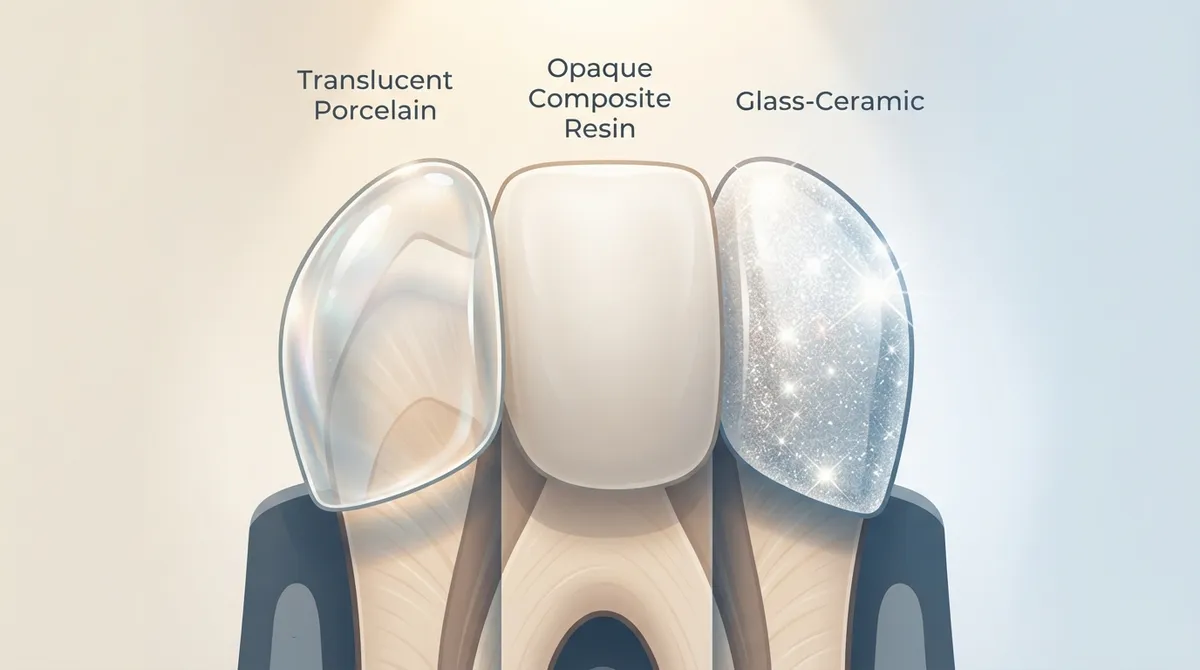
- Porcelain veneers are the gold standard material with 87-94% survival rates after 7-8 years, making them the most durable long-term choice despite higher upfront costs.
- Composite resin veneers offer a budget-friendly alternative that can be applied directly in one visit, but may require more frequent polishing due to greater stain susceptibility.
- Glass-ceramic veneers provide extra strength through ceramic-glass particles and are milled using CAD/CAM technology for precise fit and faster production than hand-layered feldspathic options.
- Composite veneers are easier and cheaper to repair chair-side when chipped, while porcelain veneers typically require full replacement if damaged, affecting long-term maintenance costs.
- Tooth preparation requirements differ by material: porcelain veneers need enamel removal for proper fit, while composite veneers often require minimal or no enamel removal for conservative smile transformation.
- Not all patients are candidates for veneers; those with severe decay, gum disease, or thin enamel need alternative treatments first, making a proper dental consultation essential before proceeding.
Thinking about getting veneers but not sure what they're actually made from? You're not alone. Patients ask us this question all the time at Charming Smiles of Ocoee, and it's a smart thing to wonder about before you commit to a smile makeover. After all, these thin shells will sit on your teeth for years, so knowing what they're made of matters.
The good news is that dental veneers today are made from materials that are both beautiful and tough. But not all veneer materials are the same. Some cost more, last longer, or look more natural than others. Understanding these differences helps you make a confident choice with your dentist.
In this guide, we'll break down exactly what veneers are made of, in plain simple language. No confusing dental jargon. Just the facts you need to feel good about your decision. Whether you're in Ocoee or nearby, this information will help you walk into your cosmetic dentistry consultation feeling prepared and confident.
1. Porcelain Is the Gold Standard Material
Most people picture porcelain when they think of veneers. That's because porcelain (also called dental ceramic) has been the top choice for decades. It's strong, looks like real enamel, and resists stains better than almost any other material.
Porcelain veneers reflect light the same way natural teeth do. This gives them a soft, glossy look instead of a fake, plastic shine. That's a big reason cosmetic dentists love this material for smile makeovers.

2. Composite Resin Is the Budget-Friendly Option
Composite veneers are made from a tooth-colored resin. This material is a mix of plastic-like polymers and tiny mineral particles like glass or ceramic dust. It's the same material used in many dental fillings.
The biggest perk of composite is speed and cost. Your dentist can often shape and apply composite veneers right in the chair during one visit. There's no need to wait for a lab to create your veneers.
3. Feldspathic Porcelain Offers Classic Beauty
Feldspathic porcelain is one type of dental ceramic used for veneers. It's layered by hand, almost like an artist painting a picture. Each layer builds up color and translucency to match your natural teeth perfectly.
This hand-layering process takes skill and time. That's why feldspathic veneers are often chosen for patients who want a truly custom, one-of-a-kind smile.
4. Glass-Ceramics Bring Extra Strength
Glass-ceramic veneers are another form of dental porcelain. They contain glass particles mixed into the ceramic base. This gives them added strength without losing that natural, tooth-like glow.
Many dentists like glass-ceramics because they can be milled using computer technology. This means faster production and a precise fit for your teeth.
How Ceramic Veneers Are Actually Made
Ceramic veneers go through one of a few processes before they reach your mouth:
- Pressed: Heated ceramic is pressed into a mold shaped like your tooth.
- Fired: Layers of porcelain are baked in a special oven to harden them.
- Milled: A computer carves the veneer from a solid block of ceramic using CAD/CAM technology.
Each method creates a strong, custom-fit veneer. Your dentist chooses the best process based on your smile goals and the lab they work with.
5. Composite Veneers Use a Resin Matrix
The resin in composite veneers isn't just plastic. It's a polymer matrix mixed with fine mineral fillers. These fillers, made of glass or ceramic particles, add strength and help the material match your tooth color.
This blend is what makes composite veneers flexible enough to shape by hand. Your dentist can sculpt the material right on your tooth to create a natural look.
6. Direct vs. Indirect Application Matters
Not all veneers are placed the same way. Composite veneers can be applied directly, meaning your dentist builds them right on your teeth during your visit. This is fast and often more affordable.
Indirect veneers, whether porcelain or composite, are made outside your mouth first. A lab or digital scanner creates the shell, then your dentist bonds it to your tooth. This usually takes two visits but often results in a more precise fit.
7. Newer Ceramic-Reinforced Composites Are Emerging
Dental material science keeps advancing. One newer option is ceramic-reinforced composite. This blends a polymer resin matrix with added mineral fillers for extra durability.
These newer materials show promise, but they're still being studied. A 2024 review found that machinable CAD/CAM composite veneers had an 84.7% survival rate over three years. Compare that to lithium-disilicate glass-ceramic, which showed 100% survival over the same period. That's a meaningful difference worth discussing with your dentist.
8. Porcelain Veneers Have an Impressive Track Record
You want your investment to last, right? Research backs up porcelain as a reliable choice. A 2016 systematic review cited by the American Dental Association found an overall survival rate of 89% for feldspathic porcelain and glass-ceramic veneers after an average of 9 years.
Breaking it down further, porcelain veneers showed 87% survival after 8 years. Glass-ceramic veneers showed an even higher 94% survival rate after 7 years. These numbers show why porcelain remains a trusted choice for long-term smile goals.
| Material Type | Average Survival Rate | Time Period |
|---|---|---|
| Feldspathic Porcelain & Glass-Ceramic (combined) | 89% | 9 years |
| Porcelain Veneers | 87% | 8 years |
| Glass-Ceramic Veneers | 94% | 7 years |
| CAD/CAM Composite Occlusal Veneers | 84.7% | 3 years |
9. Stain Resistance Differs Between Materials
If you love your coffee, tea, or red wine, this matters a lot. Porcelain is naturally resistant to staining. Its glassy surface doesn't soak up pigments the way other materials might.
Composite resin, on the other hand, can pick up stains more easily over time. It's still a great option, but you may need more frequent polishing or touch-ups to keep that bright, white look.
10. Repair Options Vary by Material
Life happens. Maybe you bite into something hard, or you have a small accident. What happens if your veneer chips?
Composite veneers are usually easier and cheaper to repair. Since the material is applied directly, your dentist can often smooth or patch a small chip in one visit. Porcelain veneers are tougher to repair chair-side and may need replacement if damaged.
Common Reasons Veneers Might Need Repair
- Grinding or clenching teeth at night
- Biting on hard objects like ice or pens
- Trauma from sports or accidents
- Natural wear over many years
- Poor bonding during the original placement
Wearing a nightguard and avoiding hard foods can help protect your veneers no matter which material you choose.
11. Your Bite and Tooth Shape Influence Material Choice
Not every smile is the same, and that's exactly why your dentist looks closely at your bite and tooth structure before recommending a material. Someone with a strong bite or teeth grinding habit might need a different material than someone with a gentle bite.
This is one reason a proper consultation matters so much. Dr. Aliuska Lopez and the team at Charming Smiles of Ocoee take time to evaluate your unique smile before suggesting the best veneer material for your goals.
12. Tooth Preparation Depends on the Material
Porcelain veneers usually require a small amount of enamel removal to make room for the shell. This helps the veneer sit flush and look natural.
Composite veneers often need less enamel removal, sometimes none at all. This makes composite a good choice for patients who want a more conservative approach to their smile transformation.
13. Not Everyone Is a Good Candidate for Veneers
Veneers work wonders for many smiles, but they aren't right for every situation. Patients with severe tooth decay, active gum disease, or very thin enamel may need other treatments first.
This is why a personal evaluation is so important. Skipping this step and choosing veneers without proper guidance can lead to disappointing results or future dental problems. That's not a mistake you want to make with something as visible as your smile.
Why Your Choice of Dentist Matters as Much as Your Choice of Material
Even the best veneer material won't give you great results in the wrong hands. The skill of your dentist affects how natural your veneers look and how long they last. Poor bonding, incorrect shade matching, or rushed preparation can ruin even top-quality porcelain.
At Charming Smiles of Ocoee, we combine advanced dental technology with a calming, spa-like setting to make your veneer journey comfortable from start to finish. Patients who struggle with dental anxiety often find our gentle approach makes a big difference. You can check out patient stories on our Facebook page or browse photos on our Instagram page to see real results from real patients.
What to Expect During Your Veneer Consultation
Wondering what actually happens at your first visit? Here's a simple breakdown:
- Your dentist examines your teeth, gums, and bite
- You discuss your smile goals and preferred material
- X-rays or scans may be taken to check tooth health
- Your dentist recommends porcelain, composite, or another option based on your needs
- A treatment plan and timeline are created just for you
This process ensures you get a personalized plan instead of a one-size-fits-all approach. We also offer a complimentary cosmetic consultation to help you explore your options without any pressure.
Making the Right Choice for Your Smile
Choosing between porcelain and composite doesn't have to be stressful. Think about your budget, how much change you want, and how much upkeep you're willing to do. Porcelain tends to be pricier upfront but lasts longer and resists stains better. Composite is more affordable and faster but may need more care over time.
Your dentist can walk you through the pros and cons based on your specific smile. Many patients also explore financing options like our insurance & financing options or payment plans to make the investment easier to manage.
If you're curious how veneers compare to other smile options like teeth whitening services or crowns & bridges, our team is happy to explain the differences during your visit.
Ready to Explore Your Veneer Options?
Now that you know what dental veneers are made of, you're ready to have a meaningful conversation with your dentist. Whether you lean toward classic porcelain or budget-friendly composite, the right choice depends on your goals, your smile, and your lifestyle.
At Charming Smiles of Ocoee, we're proud to serve patients throughout Ocoee with honest guidance and gentle care. Many families searching for a trusted Veneers provider choose us because we combine skill with a genuinely warm, welcoming environment. You can also visit us on Google to see what our Charming Smiles of Ocoee patients say about their veneer experiences.
Don't let confusion about materials hold you back from the smile you deserve. Ready to find out which veneer material fits your smile best? Book your consultation online today, or feel free to call us at (407) 378-3704 to speak with our friendly team. We can't wait to help you love your smile again.
FAQs
Q: What are dental veneers made of?
A: Dental veneers are mainly made from two materials: dental porcelain (ceramic) or composite resin. Porcelain includes types like feldspathic porcelain and glass-ceramics, while composite resin is a tooth-colored polymer with mineral fillers mixed in.
Q: Are porcelain veneers better than composite veneers?
A: It really depends on your goals! Porcelain tends to last longer and resist stains better, while composite is more affordable and can often be placed in a single visit. Your dentist can help you decide which fits your smile and budget.
Q: How long do dental veneers made of porcelain last?
A: Research shows porcelain veneers have an impressive survival rate, around 87% after 8 years and up to 94% for glass-ceramic veneers after 7 years. With good care, many patients enjoy their porcelain veneers for a decade or longer.
Q: Can composite veneers be repaired if they chip?
A: Yes! One great benefit of composite veneers is that dentists can often repair small chips right in the office during a quick visit. Porcelain veneers, however, usually need full replacement if they're damaged.
Q: Is everyone a good candidate for dental veneers?
A: Not quite. Patients need healthy gums and enough strong enamel for the best results. That's why a personal consultation with your dentist is so important before choosing veneers or any material.