13 Dental Pain Relief Tips That Really Work (2026)
Learn 13 proven dental pain relief strategies, from safe medications to knowing when to see an Ocoee dentist fast.

Key Takeaways
- Use ibuprofen 400-600mg combined with acetaminophen 500-650mg for moderate to severe dental pain, as research shows this combination works better than opioids with fewer side effects.
- Tooth pain is a symptom of underlying problems like decay or infection, not a diagnosis itself; pain relievers only mask symptoms, so see a dentist if pain lasts over 2 days or worsens.
- Seek immediate emergency care if you experience facial/neck swelling affecting breathing, rapidly spreading infection, or inability to open your mouth; these require urgent dental or medical attention.
- Avoid placing aspirin directly on teeth, using leftover antibiotics, or relying on unverified home remedies; instead use warm salt water rinses and soft foods while arranging a dental appointment.
A throbbing tooth can ruin your day, your sleep, and your mood. If you are searching for real dental pain relief, you are not alone. Thousands of Ocoee families deal with sudden tooth pain every year, and most of them just want fast, safe answers. This guide breaks down what actually helps, what to avoid, and when a home remedy simply is not enough.
At Charming Smiles of Ocoee, we see patients every week who tried to tough out tooth pain before finally calling us. Dr. Aliuska Lopez and her team believe you deserve clear, honest guidance backed by real dental science. This article walks you through 13 practical, research-supported ways to manage dental pain, plus the warning signs that mean you need to see a dentist right away.
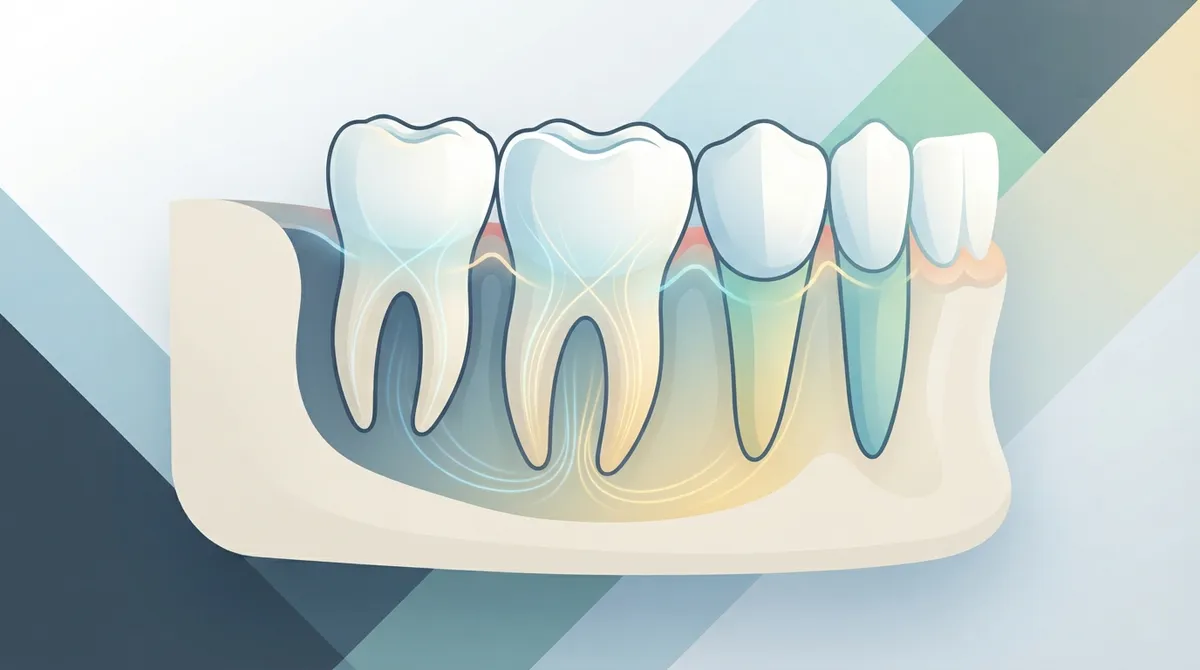
1. Understand That Dental Pain Is a Symptom, Not the Problem
Tooth pain is your body's alarm bell. It is not a diagnosis by itself. Common causes include tooth decay, an infected nerve, a dental abscess, gum disease, a cracked tooth, trauma, impacted wisdom teeth, healing after an extraction, or grinding your teeth at night.
Pain relievers only quiet the alarm. They do not fix the actual problem underneath. That is why emergency dentistry and a proper exam matter so much when pain sticks around.
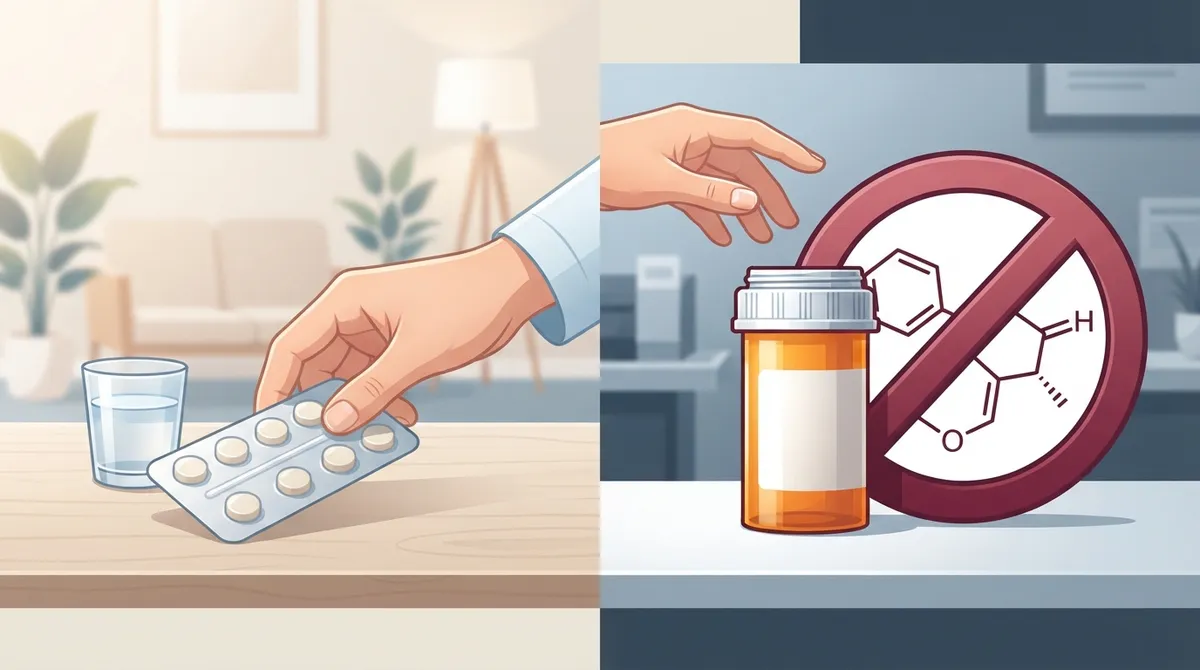
2. Reach for NSAIDs First, Not Opioids
According to the 2026-relevant American Dental Association guideline, nonsteroidal anti-inflammatory drugs like ibuprofen or naproxen are the first choice for most short-term dental pain in teens, adults, and older adults. NSAIDs calm inflammation, which is often the real driver of tooth pain.
A major evidence review covering more than 58,000 patients after wisdom tooth removal found that ibuprofen 400 mg combined with acetaminophen 1,000 mg worked better than opioid-based medicine, with fewer side effects. This combo is now considered a gold standard for temporary relief.
3. Combine Ibuprofen and Acetaminophen the Right Way
Many people do not realize you can safely pair these two medicines for stronger relief, since they work through different pathways in the body. Here is a general guideline example used by dental professionals:
- Mild pain: ibuprofen 200 to 400 mg as needed
- Moderate to severe pain: ibuprofen 400 to 600 mg plus acetaminophen 500 to 650 mg on a schedule
- Always follow label directions or your dentist's specific instructions
- Never take more than one product containing acetaminophen at a time
These are general examples, not a personal prescription. Always check with a dentist, doctor, or pharmacist before combining medications.
4. Know Who Should Be Careful With NSAIDs
NSAIDs are not right for everyone. Ask a professional first if you have any of the following:
- A history of stomach ulcers or bleeding
- Kidney disease
- Certain heart conditions
- You are taking blood thinners
- You are pregnant
Children, older adults, and people with liver disease also need individualized dosing. This is another reason a quick call to your dental team beats guessing at home.
5. Skip the Opioids Unless Truly Necessary
Opioids are no longer the routine go-to for tooth pain. Current dental guidelines say they should only be used in rare cases, when NSAIDs are not enough or cannot be taken safely. Even then, the lowest dose for the shortest time is the goal. Routine "just in case" opioid prescriptions are discouraged because of the real risks involved.
6. Do Not Expect Antibiotics to Stop the Pain
This surprises a lot of patients. Antibiotics alone do not fix most toothaches. Current CDC and ADA guidance says antibiotics are usually not needed for pain and swelling from an infected tooth nerve when proper dental treatment is available soon.
Antibiotics may be considered if you have a fever, spreading swelling, or cannot get urgent dental care right away. But they are a backup plan, not the main fix. Only root canals, drainage, extractions, or other definitive treatment actually solve the underlying issue.
7. Try Safe Home Comfort Measures While You Wait
While you arrange a dental visit, a few gentle steps can ease discomfort:
- Rinse gently with warm salt water (half a teaspoon of salt in a glass of warm water)
- Stick to soft foods that do not require heavy chewing
- Avoid chewing on the painful side of your mouth
- Use a soft-bristle toothbrush around the sore area
- Take appropriate over-the-counter pain relievers as directed
These steps offer temporary comfort. They do not treat decay, infection, or a crack. Think of them as a bridge to your appointment, not a fix.
8. Avoid These Common Home Remedy Mistakes
Some old home remedies can actually make things worse. Please avoid:
- Placing aspirin directly on the tooth or gum (it can burn soft tissue)
- Applying unverified chemicals or essential oils straight to the gums
- Using leftover antibiotics from an old prescription
- Ignoring pain that keeps getting worse
If you have ever wondered how can you fix a toothache in Ocoee fast, the honest answer is: manage symptoms gently, then get a real diagnosis.
9. Know the 2-Day Rule for Toothaches
Health authorities like the NHS recommend seeing a dentist if your toothache lasts more than two days or does not improve with pain medicine. This is a helpful, simple rule to remember. Pain that lingers usually means something structural needs attention, like decay reaching the nerve or an abscess forming.
10. Watch for These Signs You Need a Same-Day Dental Visit
Certain symptoms mean it is time to call a dentist, not wait it out. Book an appointment soon if you notice:
- Pain when biting down
- Fever alongside tooth pain
- Red or swollen gums
- A bad taste that will not go away
- Swelling in the cheek or jaw
Our team offers a $49 emergency consultation and same-day options when possible, so you are never stuck waiting in pain.
11. Recognize True Dental Emergencies
Some situations need urgent, same-day emergency care, not a home remedy. Seek emergency help right away if you experience:
- Facial or neck swelling that affects breathing, swallowing, or speaking
- Swelling around the eye or neck
- Rapidly spreading infection
- Signs of possible sepsis, like chills or confusion along with swelling
- Inability to open your mouth
- Severe pain that will not respond to medication
These are not situations to manage at home. Please seek emergency dental or medical care immediately if any of these apply to you.
12. Get the Root Cause Fixed With Definitive Dental Treatment
Pain relief medicine buys you time. It does not repair a cavity, calm an infected nerve, or reattach a broken piece of tooth. Depending on what is causing your pain, treatment may include:
| Cause of Pain | Common Treatment |
|---|---|
| Tooth decay | Filling or crown |
| Infected nerve (pulpitis) | Root canal treatment |
| Dental abscess | Drainage plus antibiotics if needed |
| Gum disease | Periodontal cleaning or deep cleaning |
| Cracked or fractured tooth | Crown, bonding, or extraction |
| Impacted wisdom tooth | Extraction |
| Teeth grinding | Night guard and bite adjustment |
Our general dentistry team can pinpoint the exact cause with a thorough exam and X-rays, then build a plan that actually stops the pain for good rather than masking it.
13. Choose a Dental Home That Makes Pain Relief Comfortable and Stress-Free
Nobody enjoys dealing with tooth pain, and dental anxiety only makes it worse. At Charming Smiles of Ocoee, we designed our office to feel calm and welcoming, with soothing music, cozy blankets, and a gentle team that genuinely listens. Dr. Aliuska Lopez is known throughout Ocoee as a caring smile expert who helps nervous patients feel at ease.
We accept many major insurance plans, including MetLife, Delta Dental, Cigna, Aetna, and more, and we offer flexible insurance & financing options like CareCredit and Cherry Financing. Our dental savings plan also helps uninsured patients access affordable preventive care year-round. You can also browse our current specials, including our $49 emergency consultation, to make urgent care more affordable.
If jaw tension or grinding contributes to your pain, working alongside a trusted resource like West Florida Therapy for muscle and physical therapy support can complement your dental treatment plan nicely.
We are proud of the reviews our patients leave us. You can visit us on Google — Charming Smiles of Ocoee to read real experiences from Ocoee neighbors, or follow along on our Charming Smiles Facebook page and Charming Smiles Instagram page for smile tips and patient stories. For more background on our practice and values, take a look at our about us page.
When to Call Charming Smiles of Ocoee for Dental Pain Relief
Tooth pain rarely gets better on its own. If your pain has lasted more than two days, keeps you up at night, or comes with swelling, please do not wait. You can book online in just a few minutes, or reach out and call us at (407) 378-3704 for a same-day emergency slot near our location close to Publix in Ocoee.
Real, lasting dental pain relief comes from combining smart short-term care with proper dental treatment. Our team is ready to get you out of pain and back to smiling with confidence.
FAQs
Q: What is the fastest way to relieve tooth pain before seeing a dentist?
A: Warm salt water rinses, an appropriate dose of ibuprofen or ibuprofen with acetaminophen, and avoiding the sore side while chewing can all bring quick comfort. Just remember, these steps ease pain temporarily, they do not treat the cause, so a dental visit is still needed.
Q: Is ibuprofen or acetaminophen better for dental pain?
A: Ibuprofen is generally more effective on its own because it targets inflammation, which is often behind tooth pain. That said, combining ibuprofen with acetaminophen has been shown to work even better for many patients, especially after procedures like extractions.
Q: Can I take ibuprofen and acetaminophen together for a toothache?
A: Yes, many dental professionals recommend this combination because the two medicines work differently in the body. Just follow label directions closely and check with your dentist or pharmacist if you take other medications or have health conditions.
Q: When does tooth pain require an emergency dentist or hospital care?
A: Seek emergency care right away if you have facial or neck swelling that affects breathing or swallowing, rapidly spreading infection, or an inability to open your mouth. For everything else that is severe or lasts more than two days, call our office so we can get you seen quickly.
Q: Do antibiotics relieve toothache, and when are they needed?
A: Antibiotics alone usually do not stop dental pain because they do not fix the actual problem, like decay or a cracked tooth. They are typically reserved for cases with fever, spreading infection, or when urgent dental treatment cannot happen right away.
Q: What dental treatments permanently stop tooth pain?
A: It depends on the cause. Options include fillings, crowns, root canals, gum treatment, extractions, or a night guard for grinding. Our team can figure out the right fix after a thorough exam and X-rays.