13 Dental Implant Bone Grafting Facts for 2026
Discover 13 key facts about dental implant bone grafting, from healing time to costs, straight from Ocoee's trusted dental experts.
Key Takeaways
- Bone grafting rebuilds jawbone lost from tooth loss, gum disease, or dentures by acting as a scaffold for new bone growth, creating a firm base to support implants lasting decades with proper care.
- Common graft types include ridge preservation, guided bone regeneration (GBR), ridge augmentation, and sinus lift, each suited to different bone loss locations and severity levels determined by dental imaging.
- Clinical studies show 92.8% graft integration rates and 95.5% implant survival after one year, with block grafts achieving 96.9-100% success for horizontal reconstruction and 89.5-100% for vertical building.
- Smoking significantly impairs healing by reducing blood flow to grafted tissue, increasing graft failure risk; quitting or cutting back even temporarily around surgery meaningfully improves outcomes.
- Not all implant patients need bone grafting; alternatives like shorter implants, narrow-diameter implants, angled placement, or removable options may suit your anatomy and budget better.
- Healing takes 4-9 months for most staged grafts with mild soreness managed by over-the-counter pain relief; full recovery to normal activities occurs within days, though complete bone maturation requires months.
Missing a tooth and thinking about an implant? You might have heard the words "bone graft" and felt a little nervous. That's totally normal! Many folks in Ocoee have the same question buzzing in their heads. The good news is that dental implant bone grafting is a well-understood, gentle process that helps rebuild your jaw so your new tooth has a strong, stable home. Think of it like adding fresh soil before you plant a tree, so the roots have something solid to grip onto.
At Charming Smiles of Ocoee, Dr. Aliuska Lopez and her caring team walk patients through every step, so nothing feels scary or confusing. We put together this friendly guide with 13 facts you really need to know. Whether you're a busy parent, a retiree exploring dental implants for the first time, or just curious, we've got you covered. Let's dig in (pun intended) and clear up the mystery around bone grafting.
1. What Dental Implant Bone Grafting Actually Does
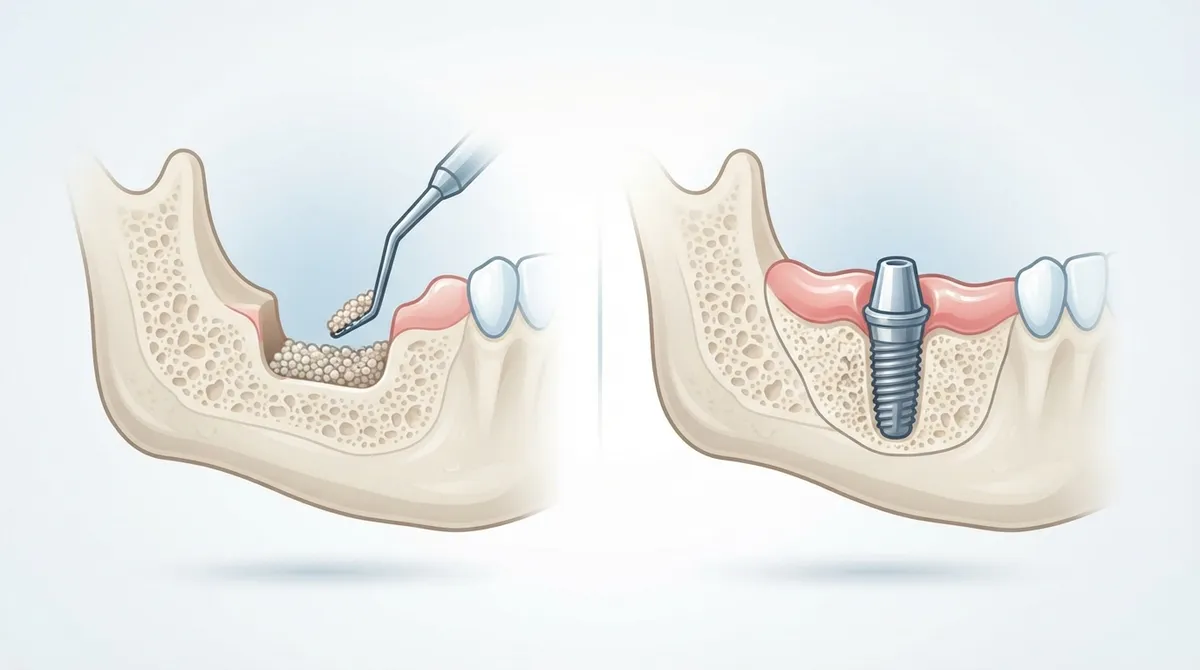
Bone grafting rebuilds jawbone that has worn away over time. This weak or thin bone can happen after losing a tooth, gum disease, an injury, or wearing dentures for many years. Without enough bone, an implant post has nothing sturdy to attach to.
The graft acts like a scaffold. Your body slowly grows new bone around it, creating a firm base. Once healed, that spot is ready to support an implant that can last for decades with good care.
2. Common Reasons People Need a Graft
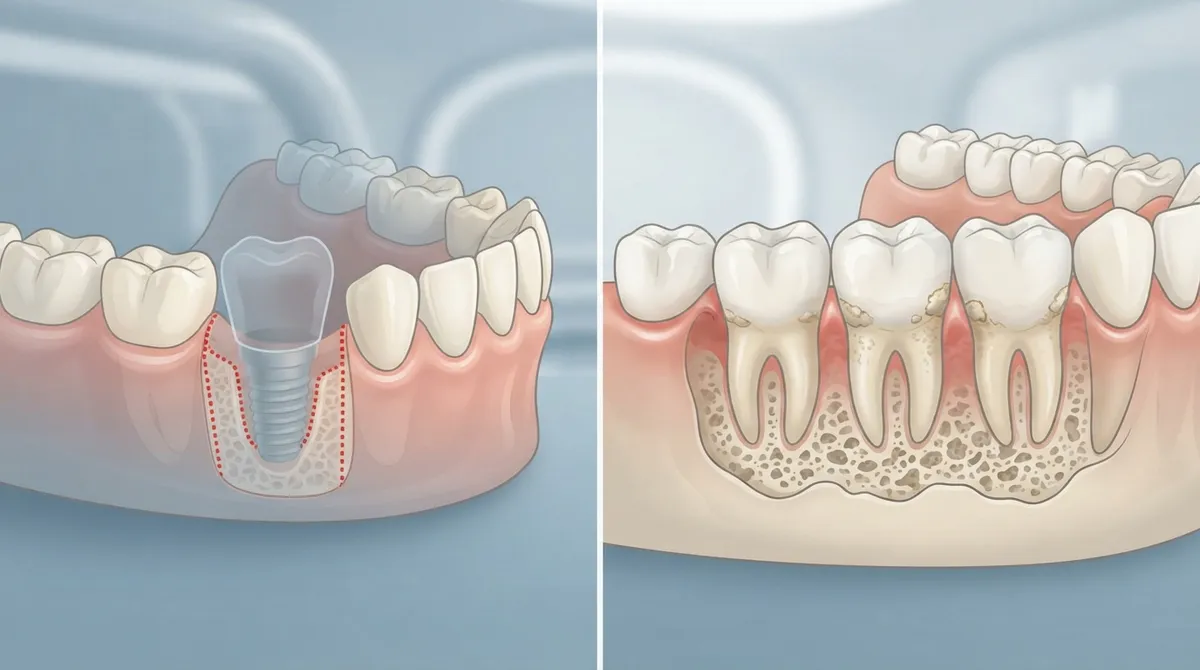
Not everyone needs bone grafting, but many patients do because of one or more of these reasons:
- Tooth loss that happened months or years ago, letting the bone shrink
- Gum disease that ate away at the bone structure
- An injury or accident that damaged the jaw
- Long-term denture use, which can cause the ridge to flatten
- A sinus that sits too close to the upper jawbone
A quick exam and some imaging will tell you and Dr. Lopez exactly what your jaw needs.
3. The Main Types of Bone Grafting Procedures
There isn't just one kind of bone graft. Your treatment depends on where the bone loss is and how much rebuilding is needed. Here are the most common options:
- Ridge preservation: Done right after a tooth is pulled to stop the bone from shrinking.
- Guided bone regeneration (GBR): Uses graft material and a protective membrane to grow bone in a specific spot.
- Ridge augmentation: Rebuilds width or height along the jaw ridge.
- Sinus augmentation (sinus lift): Adds bone below the sinus in the upper back jaw, where bone is often thin.
Your dentist will recommend the right type based on your specific goals and X-ray results.
4. Graft Material Options You Should Know
Graft material isn't one-size-fits-all either. Here's a simple breakdown of what might be used:
| Graft Type | Source | Best For |
|---|---|---|
| Autogenous graft | Your own bone | Larger defects, strong healing potential |
| Allograft | Donated human bone (processed and safe) | Moderate bone loss, avoids second surgery site |
| Xenograft | Animal-derived bone (usually bovine) | Slow, steady bone building |
| Alloplast | Synthetic material | Smaller grafts or combination cases |
Every option has pros and cons, and your dentist will explain which one fits your case best during your consultation.
5. Same-Day Grafting vs. Staged Healing
Sometimes a graft can go in at the very same visit as the implant. Other times, healing needs to happen first before the implant is placed. Here's the difference:
- Same-day placement: Works when the defect is small and the implant can sit firmly right away.
- Staged approach: Needed for larger defects. The graft heals first, then the implant goes in later.
Your treatment plan depends on your bone quality, the size of the gap, and where the implant will sit. This is exactly why a thorough exam matters so much before starting treatment.
6. What Happens During Treatment Planning
Before any grafting begins, your dental team needs a clear picture of your mouth. A solid treatment plan usually includes:
- A full clinical exam of your teeth and gums
- A check for active gum disease or infection
- 3D imaging, like a CBCT scan, to see bone height and width
- A review of your medical history and any health conditions
- A conversation about your bite and what you want your smile to look like
This step-by-step process helps avoid surprises later and gives you the best shot at a smooth healing journey.
7. How Long Healing Really Takes
Patience really does pay off here. Healing time depends on the graft type, size, and your own body's healing speed. Many staged grafts are checked again after about 4 to 9 months. Smaller grafts might heal faster, while bigger sinus lifts or vertical grafts can take longer.
Your dentist will use X-rays and a hands-on check to confirm the bone is strong enough before placing your implant. Rushing this step is never worth the risk.
8. Real Success Rates You Can Trust
It helps to know the numbers instead of just guessing. A 2025 study looking at 85 patients and 112 implants placed in grafted sites found a 92.8% graft integration rate and 95.5% implant survival after one year (source: PMC12449570). Keep in mind this was a smaller study with limited follow-up, so results can vary.
Another review of block grafts found implant survival between 96.9% and 100% for horizontal bone building, and 89.5% to 100% for vertical bone building, which tends to be more complex (PubMed, PMID 25662543). These numbers show that with skilled care, outcomes tend to be very good, though every mouth is different.
9. Possible Risks and Complications
No surgery is completely risk-free, and it's important to go in with realistic expectations. Some possible complications include:
- Graft or membrane exposure (the most commonly reported issue)
- Infection at the graft site
- Swelling, bruising, or mild bleeding
- Numbness or tingling near the site
- Slower-than-expected bone growth
- Needing a second graft in rare cases
A narrative review found that avoiding smoking and closing the wound without tension were linked to fewer problems (PubMed, PMID 35103322). Following your dentist's aftercare instructions closely makes a big difference in your results.
10. Why Smoking Makes Healing Harder
If you smoke, this section is especially important. Smoking slows blood flow to healing tissue, which can delay recovery and raise the chance of graft failure. Studies consistently link smoking to poorer healing outcomes after bone grafting.
If you're a smoker considering implants, talk openly with your dentist. Cutting back or quitting, even temporarily around your procedure, can meaningfully improve your results.
11. Do You Always Need a Bone Graft?
Here's some reassuring news: not every implant patient needs bone grafting. Depending on your anatomy, alternatives might include:
- Shorter implants that fit existing bone
- Narrow-diameter implants for tighter spaces
- Implants placed at an angle to avoid weak areas
- Removable options instead of implants, if that suits your needs better
A friendly consultation with Dr. Lopez can help you understand exactly which path makes the most sense for your mouth and your budget.
12. What Recovery Feels Like Day to Day
Most patients describe mild soreness, some swelling, and a bit of bruising for the first few days. Pain is usually manageable with over-the-counter medicine or something your dentist prescribes. Here's a simple recovery checklist to keep things smooth:
- Eat soft foods for the first few days
- Avoid touching or poking the surgical site with your tongue
- Keep up gentle oral hygiene as directed
- Skip strenuous exercise for about a week
- Attend all follow-up visits so healing stays on track
Most people are back to normal daily activities within a few days, even if full bone healing takes months behind the scenes.
13. Choosing a Dentist You Can Trust With Grafting
Bone grafting success depends heavily on the skill and experience of your dental team. Charming Smiles of Ocoee combines advanced imaging, gentle techniques, and a warm, spa-like setting to make even surgical steps feel manageable. Patients dealing with dental anxiety especially appreciate the calming amenities and compassionate approach that Dr. Lopez and her team are known for.
If you're comparing options, it helps to visit us on Google — Charming Smiles of Ocoee and read what real patients say about their implant journeys. You can also check out our testimonials page or follow along on the Charming Smiles Facebook page and Charming Smiles Instagram page for real smile transformations.
Understanding Costs and Financing
Bone grafting costs vary based on the type of graft, the size of the area, and whether it's done alongside implant placement. Because pricing depends on your unique needs, a consultation is the best way to get accurate numbers. Charming Smiles of Ocoee offers a free dental implant consultation, plus $200 off implant treatment for new patients.
We also work with many major insurance providers and offer flexible insurance & financing options, including third-party plans that let you pay over time. If you don't have insurance, ask about our dental savings plan, which can lower the cost of exams, cleanings, and other care throughout the year. You can also explore our payment plans or check our current specials for extra savings.
What to Expect at Your Consultation
Your first visit is all about listening and learning. Dr. Lopez will review your dental history, take detailed images of your jaw, and explain your options in plain language, no confusing dental jargon. You'll leave with a clear plan and realistic timeline.
According to the American Academy of Periodontology, proper diagnosis and imaging are essential steps before any bone grafting or implant procedure, helping ensure long-term success. If you'd like to compare general implant longevity, a broader meta-analysis found roughly 97.2% five-year survival for single-tooth implants overall, which shows how reliable modern implant dentistry has become (PubMed, PMID 23062124).
Ready to Take the Next Step?
Bone grafting might sound intimidating at first, but it's really just a helpful bridge to a stronger, longer-lasting smile. With the right dentist, a proven plan, and a little patience, most patients sail through the process with minimal discomfort and fantastic results. Charming Smiles of Ocoee is proud to be the trusted choice for families and individuals across Ocoee who want gentle, modern implant care in a relaxing environment.
Don't wait to get answers about your smile. Call us at (407) 378-3704 to schedule your free implant consultation today, or explore our location to plan your visit. You can also book online in just a few clicks. Your stronger, more confident smile is closer than you think!
FAQs
Q: Do I need a bone graft before a dental implant?
A: Not always! It really depends on how much healthy bone you have left. Some patients have plenty of bone and can skip grafting entirely, while others need a little extra support first. The only way to know for sure is with a quick exam and some imaging, which we're happy to walk you through.
Q: Can a dental implant and bone graft be done on the same day?
A: Sometimes, yes! If the bone defect is small and the implant can sit securely right away, we can often combine both steps into one visit. Larger defects usually need the graft to heal first before the implant goes in, but we'll map this out clearly during your consultation.
Q: Is dental implant bone grafting painful, and what is recovery like?
A: Most patients say it's much easier than they expected. You might feel some mild soreness or swelling for a few days, but this is usually managed with simple pain relief. Full bone healing takes months behind the scenes, but you'll be back to your normal routine pretty quickly.
Q: How much does dental implant bone grafting cost?
A: Costs vary based on the graft type and how much bone needs rebuilding, so there's no single price that fits everyone. The best way to get real numbers is through a free consultation, where we'll also talk about insurance and flexible financing options that fit your budget.
Q: What happens if a dental bone graft fails?
A: Graft failure is uncommon, but it can happen, especially with smoking or skipping aftercare instructions. If it does occur, don't worry, your dentist can usually repeat the grafting process or adjust the plan to still get you to a successful implant down the road.