12 Temporary vs Permanent Crowns Facts You Need in 2026
Learn the key differences between temporary vs permanent crowns, from materials to timelines, with tips from Charming Smiles of Ocoee.
Key Takeaways
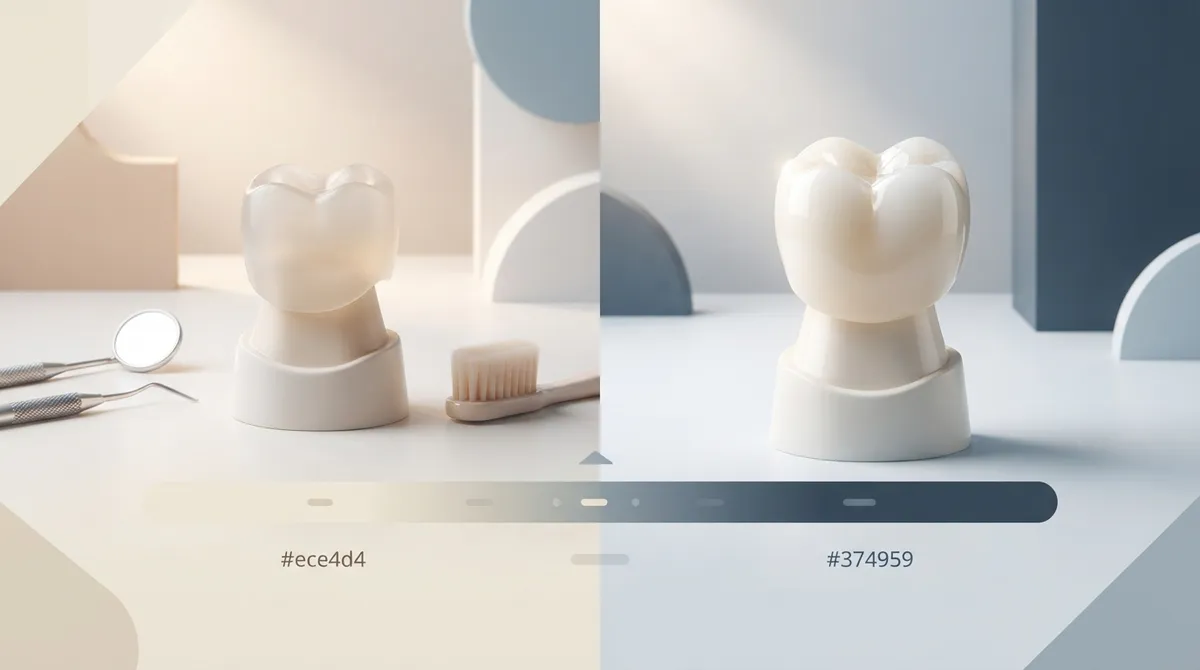
- Temporary crowns use weak cement by design to allow easy removal, while permanent crowns use strong cement for long-term bonding; temporary crowns last 2-3 weeks and are made from acrylic/resin, whereas permanent crowns last 5-15+ years using porcelain, zirconia, or metal.
- Temporary crowns require gentler care—avoid sticky and hard foods, chew on the opposite side, and floss gently—to prevent cracking or loosening before your permanent crown is fitted in 2-3 weeks.
- If your temporary crown falls out, call your dentist immediately to prevent tooth sensitivity and shifting of nearby teeth, as weak cement can dislodge more easily than expected.
- Both temporary and permanent crowns require regular oral hygiene including twice-daily brushing and flossing, plus routine dental exams, since crowns cannot prevent decay at their edges or gum disease underneath.
Getting a dental crown can feel confusing, especially when your dentist mentions you'll wear a temporary one first. If you're scratching your head about temporary vs permanent crowns, you're not alone. Many patients at crowns & bridges appointments in Ocoee ask the same questions before their treatment begins.
The good news? Understanding the difference is simple once you break it down. Both types of crowns play an important role in protecting your tooth and giving you a smile you'll love. In this guide, we'll walk you through everything you need to know, from materials to timelines to care tips. By the end, you'll feel confident and ready for your own crown journey with Charming Smiles of Ocoee.
1. Temporary Crowns Protect Your Tooth While You Wait
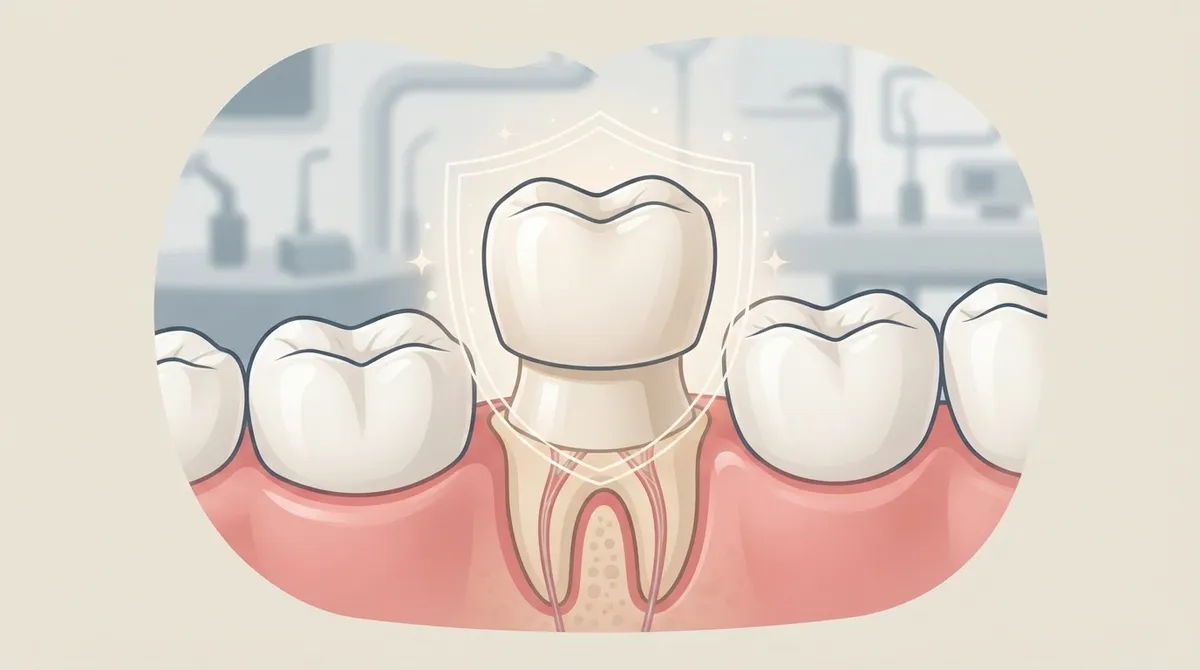
A temporary crown is like a placeholder. It covers your prepared tooth while a dental lab creates your custom permanent crown. This little cap does a lot of work in a short time.
It protects the sensitive tooth structure underneath. It also keeps your tooth from shifting out of place. Without it, nearby teeth could drift into the gap, causing bite problems later.
Temporary crowns also help you chew and speak normally. They even keep your smile looking complete while you wait for the real thing.
2. Permanent Crowns Are Built to Last for Years
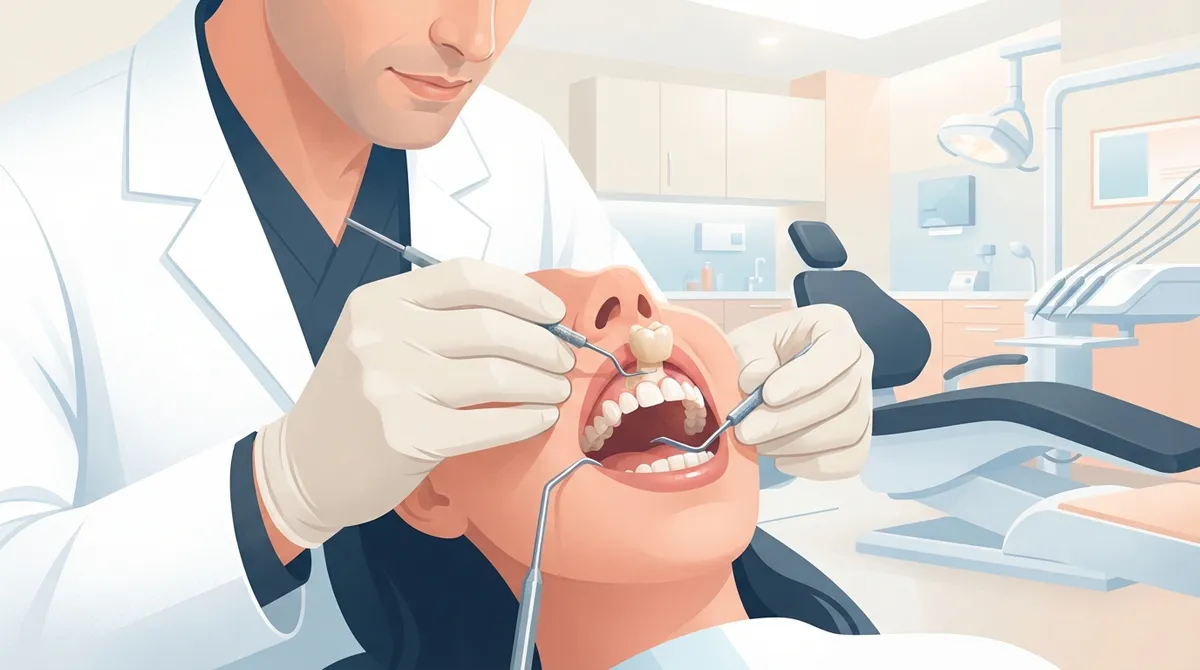
Permanent crowns are the final result. They're custom-made just for your tooth, based on precise molds or digital scans taken at your visit.
These crowns are designed for the long haul. According to the Cleveland Clinic, dental crowns typically last around 5 to 15 years, and some can last even longer with good care. That's a big difference compared to the few weeks you'll spend in a temporary crown.
3. The Materials Are Completely Different
This is one of the biggest differences between temporary and permanent crowns. Temporary crowns are usually made from acrylic or resin. These materials are affordable and easy to shape quickly in the office.
Permanent crowns, on the other hand, use much stronger materials. Common options include:
- Porcelain, for a natural, tooth-like appearance
- Zirconia, known for strength and durability
- Porcelain-fused-to-metal, combining strength with good looks
- Metal alloys or gold, ideal for back teeth that handle heavy chewing
Your dentist will help you choose the best material based on where the tooth is located, your bite, and your budget. If you're curious about your options, our services page covers this in more detail.
4. Temporary Crowns Use Weaker Cement On Purpose
You might wonder why a temporary crown feels less sturdy. That's actually by design. Dentists use a special cement that's intentionally weak.
This makes it easy to remove the temporary crown later. When your permanent crown is ready, your dentist needs to pop off the old one without damaging your tooth. Strong cement would make that process painful and difficult.
5. How Long You'll Wear a Temporary Crown
Most patients wear a temporary crown for about two to three weeks. This gives the dental lab enough time to craft your permanent restoration with precision.
Sometimes the wait is longer. This can happen if your case involves extra treatment, like a dental implant, or if the lab work is more complex. Some dental offices now offer same-day crowns using digital scanning and in-office milling machines, which can skip the temporary stage altogether.
6. What Happens at the Permanent Crown Fitting
Your second visit is where the magic happens. Your dentist removes the temporary crown and checks your tooth underneath.
Here's what typically happens during this step-by-step process:
- Your dentist removes the temporary crown carefully
- They clean the prepared tooth thoroughly
- The permanent crown is tried in for fit and comfort
- Your dentist checks your bite and how the teeth touch
- They also inspect the color match with nearby teeth
- Once everything looks perfect, the crown is bonded or cemented in place
If your tooth still feels sensitive, local anesthetic may be used to keep you comfortable throughout the process.
7. Temporary Crowns Need Gentler Care
Because temporary crowns are more fragile, they need a little extra attention. Cracking, loosening, and staining happen more easily with temporary materials.
Here are some simple tips to protect your temporary crown:
- Avoid sticky foods like caramel or gum
- Skip hard foods that require heavy biting force
- Chew on the opposite side of your mouth when possible
- Floss gently by sliding the floss out sideways instead of pulling upward
These small habits go a long way in keeping your temporary crown intact until your permanent one is ready.
8. Permanent Crowns Are Much More Durable
Once your permanent crown is bonded, it's built to handle daily wear and tear. You can eat, chew, and smile with confidence again.
Permanent crowns resist cracking and staining far better than temporary ones. That said, they still need proper care to last as long as possible. Good habits protect your investment and keep your smile looking great for years.
9. Both Crown Types Still Need Regular Dental Care
Here's something many patients don't realize. Neither a temporary nor a permanent crown replaces the need for good oral hygiene.
You still need to brush twice daily and floss regularly. Routine dental exams matter too, since a crown can't prevent decay at its edges or gum disease underneath. Think of your crown as part of your smile, not a replacement for taking care of it.
Our team at general dentistry services can help you build simple habits that protect both your natural teeth and your crowns.
10. What to Do If Your Temporary Crown Falls Out
Don't panic if this happens. It's more common than you might think, especially given how the cement is designed to be weaker.
Still, you shouldn't ignore it. Your prepared tooth can become sensitive to hot and cold quickly. Nearby teeth may also start shifting if too much time passes.
Call your dental office right away if your temporary crown falls out, or if you notice persistent pain, a bite that feels too high, or any swelling. Quick action prevents bigger problems down the road. If you're dealing with a dental emergency, our emergency dentistry team is ready to help.
11. Comparing Temporary and Permanent Crowns Side by Side
Sometimes a simple comparison makes everything click. Here's a quick breakdown of the key differences.
| Feature | Temporary Crown | Permanent Crown |
|---|---|---|
| Material | Acrylic or resin | Porcelain, zirconia, metal, or combinations |
| Typical Lifespan | 2 to 3 weeks | 5 to 15 years, sometimes longer |
| Cement Strength | Weak, designed for easy removal | Strong, designed for long-term bonding |
| Durability | More prone to cracking or staining | Highly durable with proper care |
| Purpose | Protects tooth while lab creates final crown | Long-term tooth restoration and function |
Seeing these differences laid out helps explain why patience during the temporary stage really pays off.
12. Why Choosing the Right Dentist Matters Most
Not all dental offices treat crown placement the same way. The skill of your dentist affects everything, from your comfort during preparation to how well your permanent crown fits and looks.
At Charming Smiles of Ocoee, Dr. Aliuska Lopez and her team focus on precision and patient comfort every step of the way. Our spa-like environment helps ease anxiety, and our advanced technology means more accurate fittings for your permanent crown. Many patients considering options also explore our veneers or teeth whitening services alongside crown treatment for a complete smile transformation.
Curious what other patients think? You can visit us on Google — Charming Smiles of Ocoee to read real reviews from our Ocoee community. You can also connect with us on the Charming Smiles Facebook page or follow along on the Charming Smiles Instagram page for smile transformation photos and patient stories.
Ready to Get Started With Your Crown Treatment?
Understanding temporary vs permanent crowns makes the whole process feel less overwhelming. Whether you're dealing with a damaged tooth or planning ahead for restorative work, knowing what to expect helps you feel calm and prepared.
If you think you might need a crown, don't wait until discomfort turns into an emergency. Our friendly team makes it easy to get answers and start treatment quickly. For more information on dental crowns and their role in oral health, resources from the American Dental Association can also be helpful.
Ready to protect your smile with expert crown care? Call us at (407) 378-3704 to schedule your consultation, or stop by our location in Ocoee today. You can also book online for a time that fits your schedule. We can't wait to help you smile with confidence again!
FAQs
Q: What is the main difference between temporary and permanent crowns?
A: Temporary crowns are made from acrylic or resin and protect your tooth for a few weeks while your permanent crown is being made. Permanent crowns use stronger materials like porcelain or zirconia and are designed to last five to fifteen years or more!
Q: How long can I wear a temporary dental crown?
A: Most patients wear a temporary crown for about two to three weeks. Sometimes it takes a bit longer if your treatment plan is more complex, but don't worry, your dentist will keep you updated every step of the way.
Q: Can I eat normally with a temporary crown?
A: You can eat, but it's smart to be gentle with your temporary crown. Avoid sticky or hard foods, and try chewing on the other side of your mouth when you can. This helps prevent cracking or loosening before your permanent crown is ready.
Q: What should I do if my temporary crown falls out?
A: Don't panic, but do call your dentist right away! Your prepared tooth can get sensitive quickly, and nearby teeth might shift if you wait too long. Our team is always happy to help with quick, caring solutions.
Q: How long do permanent dental crowns typically last?
A: Permanent crowns usually last around five to fifteen years, and many patients enjoy them even longer with good care. Regular brushing, flossing, and checkups make a huge difference in how long your crown lasts.