12 Implant Maintenance Routine Mistakes to Avoid in 2026
Avoid these 12 implant maintenance routine mistakes to keep your dental implants healthy, stable, and lasting for years to come.
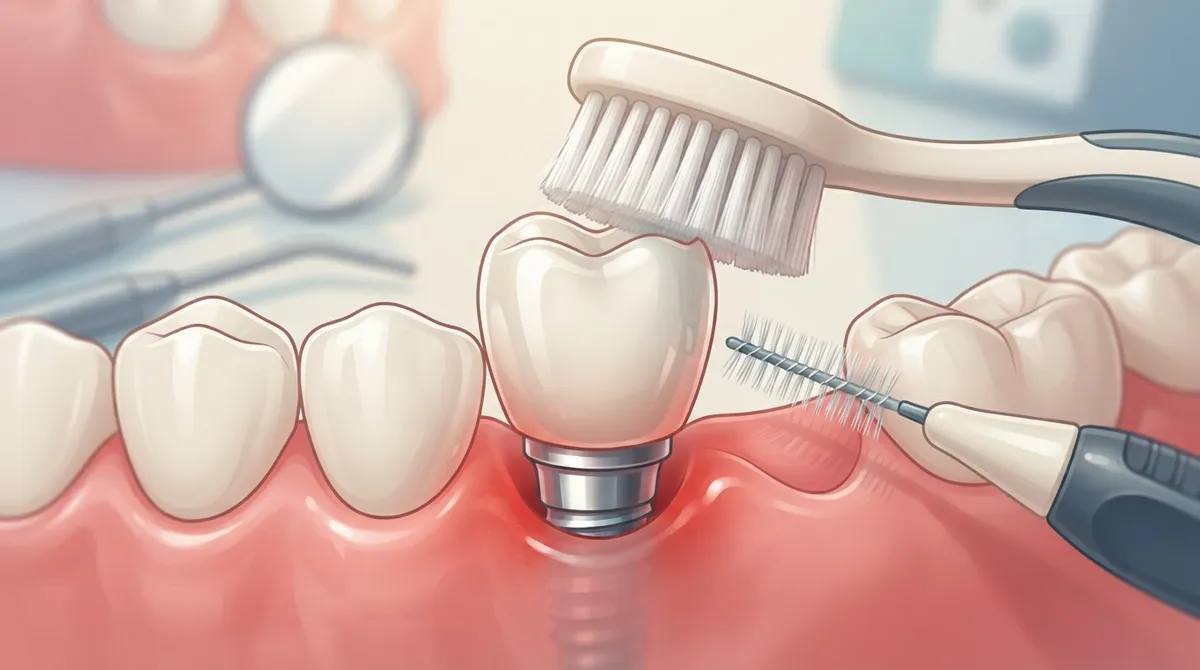
Key Takeaways
- Professional cleanings every 3-4 months during the first year are critical to prevent peri-implant disease, a serious infection of gum and bone tissue around implants that natural teeth cannot develop.
- Use only soft-bristle toothbrushes or electric toothbrushes with soft heads twice daily; hard bristles scratch crown surfaces and irritate gums, making implants vulnerable to infection over time.
- Interdental cleaning with floss threaders, interdental brushes, or water flossers is non-negotiable and reaches spots regular floss misses around implant crowns.
- Bleeding or swelling near your implant is the first sign of peri-implant mucositis; address it with gentle thorough cleaning and immediate professional evaluation to prevent progression to bone-damaging peri-implantitis.
- Your maintenance schedule must be personalized based on risk factors like smoking, diabetes, gum disease history, and bone quality; a one-size-fits-all approach fails high-risk patients who need more frequent visits.
- Avoid whitening toothpastes containing abrasive particles that scratch implant crowns; stick to low-abrasive formulas and report any health changes to your dentist as they affect implant healing and inflammation.
Getting a dental implant feels like a big win. It looks natural, feels sturdy, and lets you smile with confidence again. But here's something many patients don't realize until it's too late: an implant maintenance routine matters just as much as the surgery itself. Skip the right care, and even the best implant can run into trouble.
At Charming Smiles of Ocoee, Dr. Aliuska Lopez and her team see this all the time. Patients invest in dental implants and then fall into small habits that put their investment at risk. The good news? Most of these mistakes are easy to fix once you know what to look for. Let's walk through the 12 most common implant maintenance routine mistakes, and how to steer clear of them for good.
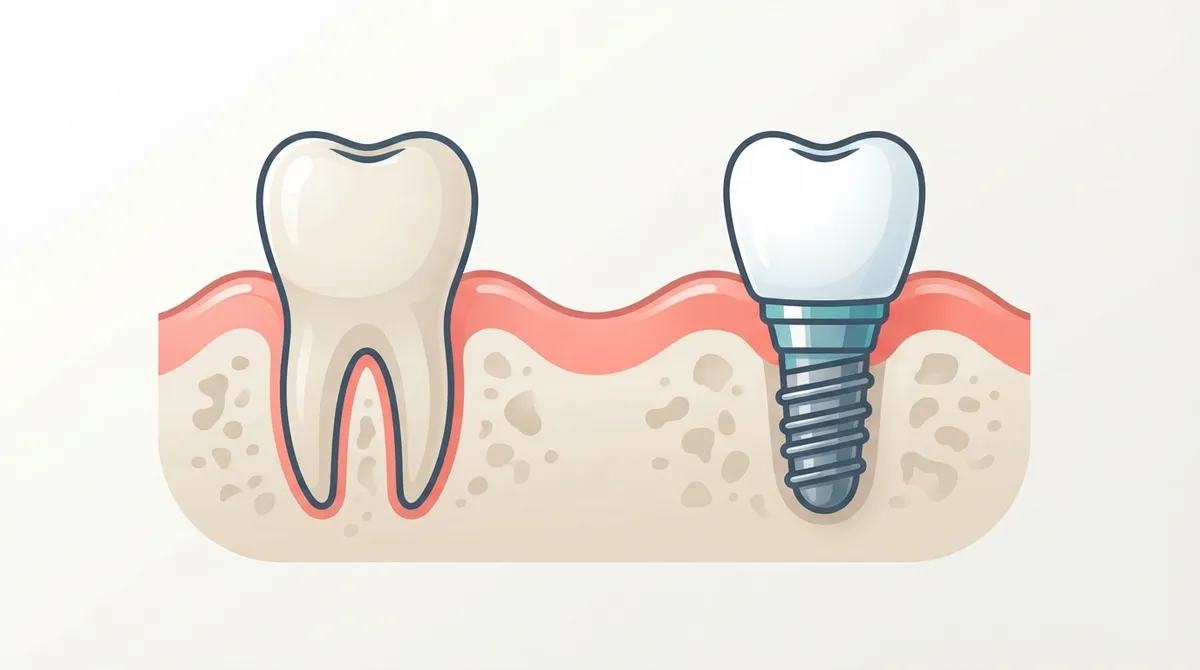
Why an Implant Maintenance Routine Really Matters
Dental implants are not the same as natural teeth. They don't get cavities, but the gum and bone tissue around them can still get infected. This is called peri-implant disease, and it happens more often than people think. A solid implant maintenance routine keeps this risk low and your implant working for years to come.
Research shows that professional cleanings every 3 to 4 months are often recommended during the first year after your implant is restored, especially if you have higher risk factors. After that, some patients can move to longer gaps between visits. Either way, skipping these check-ins is mistake number one.
Mistake 1: Skipping Professional Cleanings
Some patients think brushing at home is enough. It's not. Plaque builds up in spots your toothbrush can't reach, especially around the base of an implant crown. Professional cleanings remove this buildup before it turns into a bigger problem.
Mistake 2: Using a Hard-Bristle Toothbrush
A soft toothbrush, used twice a day, is the gold standard for implant care. Hard bristles can scratch the crown surface and irritate your gums. Over time, this damage adds up and makes your implant more vulnerable to infection.
Daily Habits That Make or Break Your Implant
Your at-home routine is the foundation of implant health. Here's a simple checklist to follow every single day:
- Brush twice daily with a soft-bristle or electric toothbrush
- Use low-abrasive, non-whitening toothpaste around implants
- Clean between teeth with floss, interdental brushes, or a water flosser
- Rinse with an alcohol-free mouthwash if recommended by your dentist
- Avoid chewing on hard items like ice or pens
- Never use tobacco products near your implant site
Mistake 3: Ignoring Interdental Cleaning
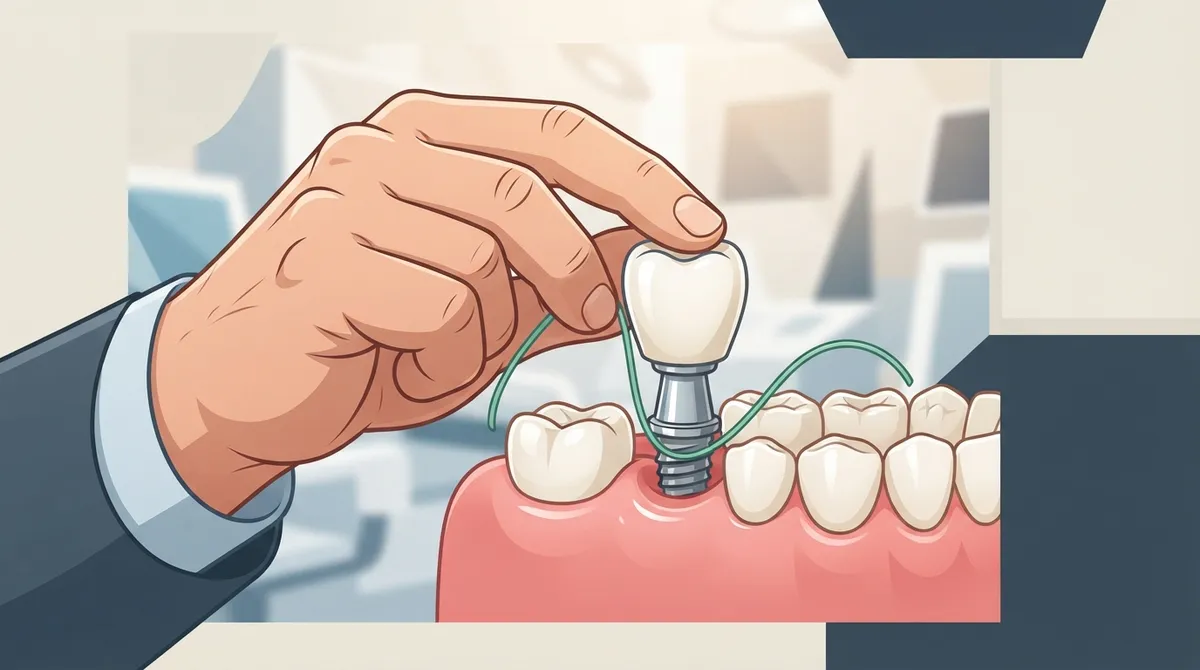
Flossing around an implant crown is different from flossing natural teeth. Many patients skip this step because it feels awkward. But interdental brushes, floss threaders, or water flossers can reach spots regular floss misses. This step is not optional if you want your implant to last.
Mistake 4: Assuming Electric Toothbrushes Are Off-Limits
This is a myth we hear often. Electric toothbrushes are actually fine for implants, and many patients find them easier to use correctly. Just make sure the brush head is soft and you're not pressing too hard.
Building the Right Professional Maintenance Schedule
Your dentist will tailor your visit schedule based on your personal risk factors. Here's what typically happens during a professional implant maintenance visit:
- Review of your medical and dental history updates
- Discussion about your current home care routine
- Clinical exam of the implant and surrounding gum tissue
- Checking implant stability and looking for any looseness
- Professional removal of plaque and calculus buildup
- Radiographs to monitor bone levels around the implant
- Occlusion check to make sure your bite is balanced
- Personalized coaching on improving your home care
This full process is why routine visits to general dentistry appointments matter so much. Skipping steps, or skipping visits entirely, is where trouble usually starts.
Mistake 5: Waiting Too Long Between Checkups
Some patients wait a year or more between implant checkups. That's too long, especially in the first year after placement. Most dental guidelines suggest professional visits every 3 to 4 months for higher-risk patients or during that critical first year.
Mistake 6: Skipping X-Rays
X-rays are not just for spotting cavities. They help your dentist track bone levels around the implant over time. One clinical review recommends comparing X-rays at 6 to 8 months against your baseline image. Other guidance suggests a baseline X-ray at the time of restoration and another around the one-year mark. Skipping these images means missing early warning signs.
| Maintenance Task | Recommended Frequency | Who Performs It |
|---|---|---|
| Brushing with soft toothbrush | Twice daily | Patient at home |
| Interdental cleaning | Once daily | Patient at home |
| Professional cleaning and exam | Every 3 to 6 months | Dental hygienist/dentist |
| Radiographic monitoring | Baseline, then around 1 year | Dentist |
| Implant stability check | Every professional visit | Dentist |
Understanding the Difference Between Two Common Problems
Two terms come up a lot in implant care: peri-implant mucositis and peri-implantitis. Knowing the difference helps you understand why your maintenance routine matters so much.
Mistake 7: Confusing Mucositis With Something Minor
Peri-implant mucositis is inflammation of the gum tissue around the implant. It's the early stage of trouble, kind of like gingivitis for natural teeth. Left untreated, it can turn into peri-implantitis, which affects the bone supporting your implant. Catching mucositis early, through regular visits, prevents it from becoming a bigger issue.
Mistake 8: Ignoring Bleeding or Swelling
If your gums bleed when you brush near your implant, don't ignore it. This is often the first sign of inflammation. Many patients brush less around the sore spot instead of more carefully. That's backward. Gentle, thorough cleaning is what actually helps.
Risk Factors That Change Your Maintenance Needs
Not every patient needs the exact same schedule. Your dentist will look at several factors to build your personal implant maintenance routine:
- History of gum disease or peri-implant disease
- Smoking or tobacco use
- Diabetes or other systemic health conditions
- How consistent your home care habits are
- Number and location of implants
- Overall bone quality and healing history
Mistake 9: Thinking One Size Fits All
Some patients assume their friend's maintenance schedule should match their own. But if you smoke or have diabetes, you likely need more frequent visits. Your dentist customizes your plan based on your specific risk profile, not a generic template.
Mistake 10: Not Mentioning Health Changes
If your health changes, like a new diabetes diagnosis or starting a new medication, tell your dental team. These factors affect healing and inflammation around your implant. Keeping your dentist in the loop helps them adjust your maintenance routine as needed.
Tools That Actually Work for Implant Care
Choosing the right tools makes a real difference in your daily routine. Here's a quick comparison to help guide your choices:
| Tool | Best For | Notes |
|---|---|---|
| Soft-bristle toothbrush | Daily brushing | Gentle on crown and gum tissue |
| Electric toothbrush | Consistent pressure control | Safe for implants when used correctly |
| Water flosser | Hard-to-reach areas | Great for bridges and multiple implants |
| Interdental brushes | Tight spaces between teeth | Sized to fit your specific gaps |
| Floss threaders | Under bridges and connected crowns | Helps guide floss through tricky spots |
Mistake 11: Using the Wrong Toothpaste
Whitening toothpastes often contain abrasive particles that can scratch implant crowns over time. Stick to a low-abrasive toothpaste unless your dentist recommends otherwise. This small swap protects your implant's surface for years.
Mistake 12: Going It Alone Without Professional Guidance
The biggest mistake of all is trying to figure out implant care without expert input. Every mouth is different, and your dentist can spot problems long before you'd notice them yourself. Partnering with a trusted dental team, like the one at Charming Smiles of Ocoee, gives you a real safety net.
What a Tailored Follow-Up Program Looks Like
A well-known dental journal review from 2024 describes a four-step approach to implant follow-up care. This approach breaks down into simple steps that any patient can understand:
- Monitor the health of the tissue around your implant
- Motivate good habits and manage personal risk factors
- Remove plaque professionally at scheduled visits
- Treat any infected sites right away if they appear
This structured approach is exactly what you'll find when you visit our team for regular checkups. It's not guesswork. It's a proven system built around your specific needs.
How Charming Smiles of Ocoee Supports Your Implant Journey
Located near Publix in Ocoee, FL, our practice combines advanced technology with a relaxing, spa-like setting. If dental anxiety has kept you from staying on top of implant care, we understand. Our team offers soothing amenities and gentle, patient-first care that makes maintenance visits far less stressful.
We also make implant care more affordable. Check out our dental savings plan or explore our insurance and financing options to find a payment path that works for your budget. We even offer a free dental implant consultation and $200 off implant treatment for new patients getting started on their journey.
Curious what other patients say about their experience? You can follow Charming Smiles of Ocoee on Facebook or check out real smile transformations on our Instagram page. You can also visit us on Google to see reviews from our Ocoee neighbors.
Putting Your Implant Maintenance Routine Into Action
Building a strong implant maintenance routine doesn't have to be complicated. It really comes down to three things: brush and clean gently every day, keep your professional appointments, and speak up if something feels off. Those three habits alone will protect your investment for the long haul.
According to the National Institutes of Health, consistent professional maintenance combined with good home care significantly reduces the risk of implant complications. Pairing expert guidance with your daily efforts gives your implant the best possible chance of lasting a lifetime.
If you're overdue for a checkup or just got your implant and want to start strong, now is the time to act. You can book online to find a time that works for you. Our friendly team is also proud to partner with local businesses like Brain Buzz Marketing, who help us share helpful dental content just like this article with our Ocoee community.
Ready to protect your smile for years to come? Reach out to our location to schedule your next implant maintenance visit, or simply call us at (407) 378-3704 today. Your smile deserves the best care, and we're here to give it to you every step of the way.
FAQs
Q: How often should dental implants be professionally cleaned?
A: Most dentists recommend professional implant cleanings every 3 to 4 months during the first year, especially for higher-risk patients. After that, some patients can move to every 6 months depending on their oral health. Your dentist will personalize this schedule based on your specific needs.
Q: Can I use an electric toothbrush on my dental implant?
A: Yes, absolutely! Electric toothbrushes are safe and often work great for implant care, as long as the brush head is soft. Just be gentle and avoid pressing too hard around the implant crown.
Q: What's the difference between peri-implant mucositis and peri-implantitis?
A: Peri-implant mucositis is early gum inflammation around your implant, similar to gingivitis. If left untreated, it can progress into peri-implantitis, which affects the bone supporting your implant. Catching mucositis early through regular checkups prevents it from becoming more serious.
Q: Do dental implants need X-rays during maintenance visits?
A: Yes, X-rays help your dentist monitor bone levels around your implant over time. A baseline X-ray is often taken when your implant is restored, with follow-up images around the one-year mark to check for any changes.
Q: What tools work best for cleaning around dental implants?
A: Soft-bristle or electric toothbrushes, interdental brushes, floss threaders, and water flossers are all great options. The best choice depends on your specific implant setup, so your dentist can recommend what works best for your smile.