12 Facts About Oral Cancer Screenings in Ocoee (2026)
Discover 12 essential facts about oral cancer screenings, what happens during the exam, risk factors, and how Charming Smiles of Ocoee protects patients.
Key Takeaways
- Oral cancer screenings are seamlessly integrated into regular dental checkups every 6 months for average-risk patients; a trained dentist's visual and tactile exam is more effective than special devices for early detection.
- Tobacco and alcohol use are the two biggest independent risk factors for oral cancer, with risk increasing significantly when both are used together; men over 40, heavy users, and those with HPV exposure need more frequent screenings.
- Watch for warning signs like sores that don't heal in 2 weeks, red/white patches, unexplained bleeding, lumps, or difficulty swallowing—contact your dentist immediately if you notice these symptoms rather than waiting.
- Most dental insurance plans cover oral cancer screenings as part of routine exams, and affordable dental savings plans are available for uninsured patients to maintain consistent preventive care.
Here's something a lot of folks in Ocoee don't think about during a routine dental visit: your dentist might be checking for more than cavities. Oral cancer screenings are a simple, painless part of modern dental care, and they can genuinely save lives. If you've never asked your dentist about this exam, or you're just curious what actually happens, you're in the right place.
At Charming Smiles of Ocoee, we believe every patient deserves clear, honest information about their health. Dr. Aliuska Lopez and her team weave oral cancer screenings into regular checkups so nothing sneaky slips past. Let's walk through 12 facts that will help you understand why this quick exam matters so much, and why staying consistent with your dental visits is one of the kindest things you can do for yourself.
1. Oral Cancer Screenings Are Part of a Normal Dental Visit
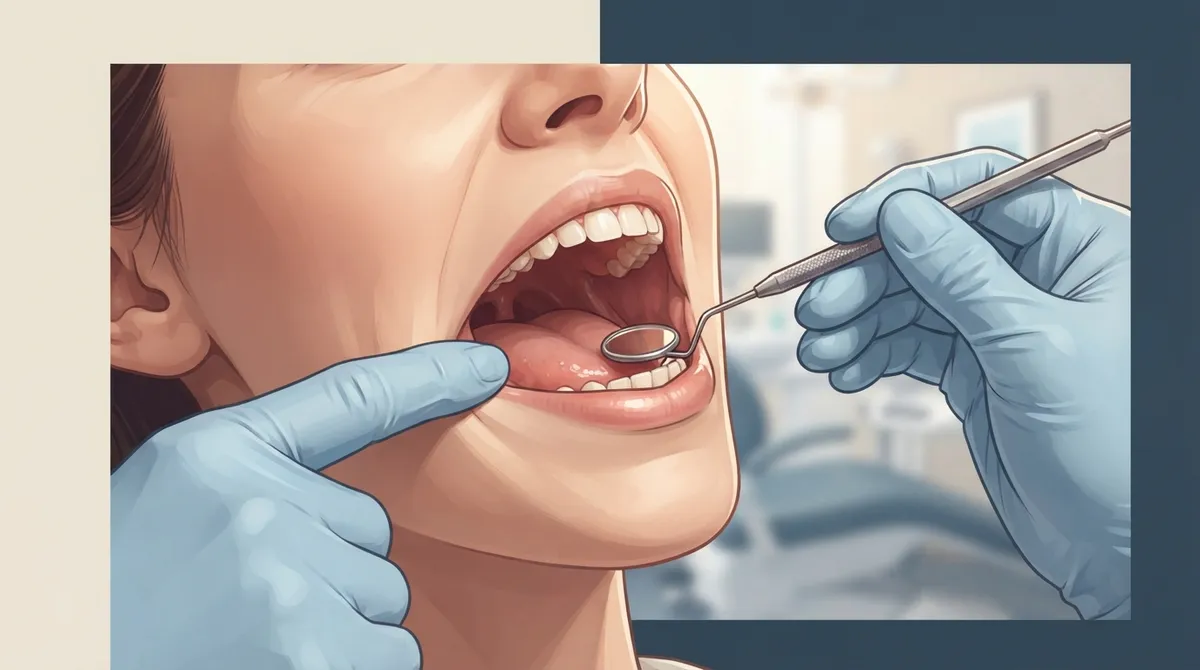
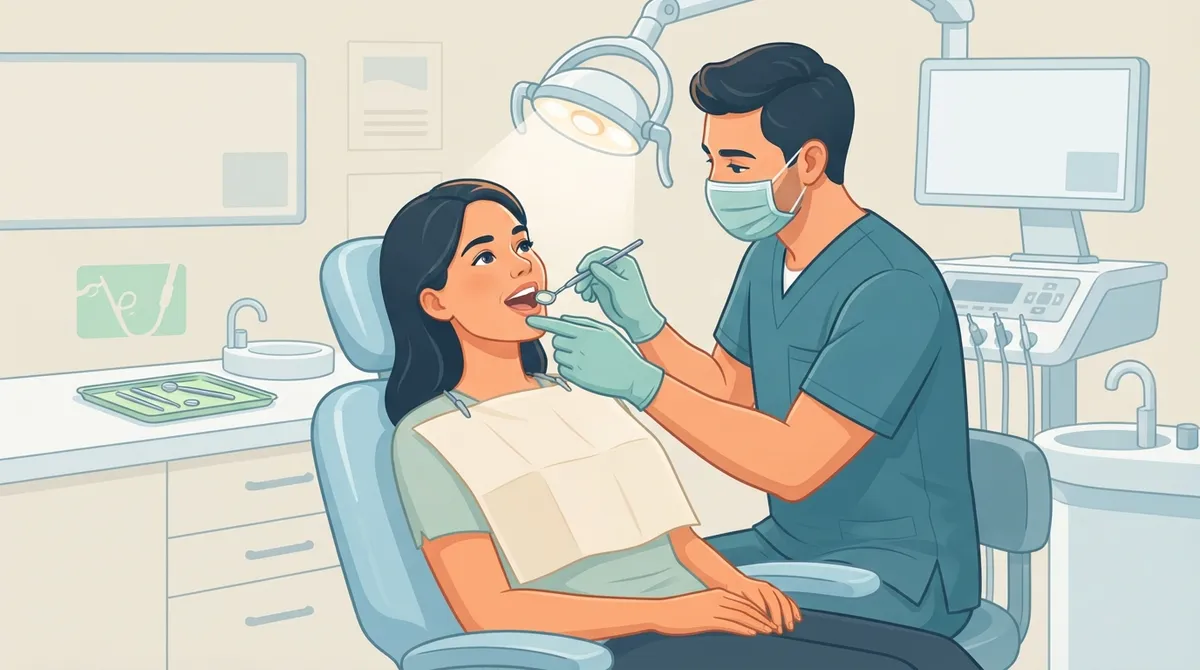
You may not even realize it's happening, but your dentist likely checks for oral cancer every time you come in for regular checkups. It's woven right into the flow of a standard exam. There's no extra needle, no scary machine, just a careful look and gentle touch.
This screening usually takes just a few minutes. It's quick, comfortable, and doesn't add stress to your appointment. Most patients don't even notice the extra attention their dentist is paying to certain areas of the mouth and neck.
2. What Happens During the Exam
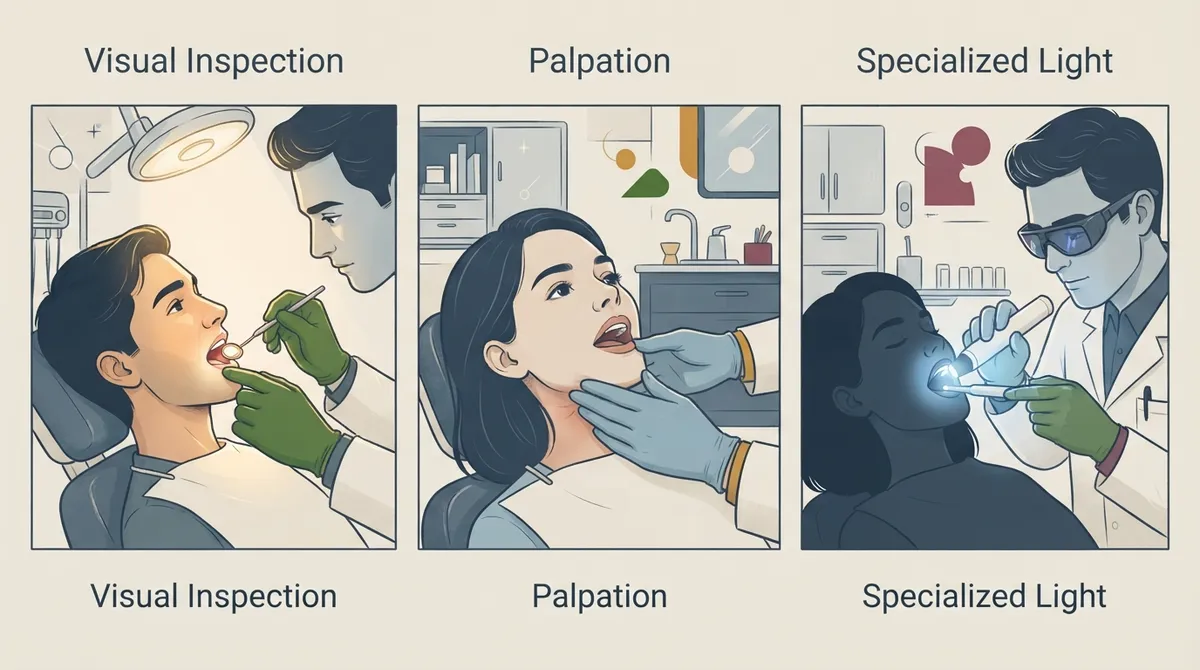
Wondering what actually goes on? Here's a simple breakdown of the steps your dentist follows:
- Reviewing your medical, social, and dental history for any red flags
- Looking closely at your lips, cheeks, and gums
- Checking your tongue, both top and underneath
- Examining the floor and roof of your mouth
- Feeling your neck and jaw area to check the lymph nodes
This visual and tactile approach is the gold standard right now. According to updated guidance discussed in the American Dental Association's oral cancer guideline, a thorough hands-on and eyes-on exam is more reliable than fancy gadgets for catching early warning signs.
3. Devices Aren't Always Better Than a Careful Eye
You might have heard about special lights or saliva tests marketed as oral cancer detectors. Here's the honest truth: the ADA's newest guidance actually recommends against relying on these tools to diagnose malignancy. A trained set of eyes and hands still does the best job.
The Mayo Clinic also notes that no single screening test has been proven to lower the risk of dying from oral cancer on its own. That's exactly why consistent dental visits matter so much, since your dentist is trained to notice small changes over time.
4. Tobacco and Alcohol Are the Two Biggest Risk Factors
Let's talk about what actually raises your risk. Tobacco use and alcohol are the two most well established, independent risk factors for oral cancer. When someone uses both together, the risk climbs even higher.
A 2023 study found that nearly all dentists surveyed, about 98.9 percent, recognized smoking as a major risk factor. Around 65.6 percent flagged alcohol, and 75.6 percent pointed to betel nut use. These numbers show just how seriously dental professionals take prevention and education.
5. Certain Groups Face Higher Risk
Some patients need closer monitoring than others. Here's who typically falls into a higher-risk category:
- Men over the age of 40
- People who use tobacco products regularly
- Heavy alcohol drinkers
- Patients with HPV exposure
- Anyone who had prior radiation to the head or neck
- People with weakened immune systems
- Patients with a history of poor oral hygiene
If you fall into one of these categories, don't panic. It just means your dentist may want to check a little more often or a little more closely. Being proactive is always better than being caught off guard.
6. Warning Signs You Shouldn't Ignore
Your mouth often gives you clues before anything serious develops. Watch for these common warning signs:
- A sore that doesn't heal within two weeks
- Red or white patches on the gums, tongue, or cheek lining
- Unexplained bleeding in the mouth
- A lump or thickening in the cheek
- Numbness in the mouth or lips for no clear reason
- Difficulty chewing, swallowing, or moving your jaw
- A change in your voice that lingers
If you notice any of these, don't wait it out. Give us a call at (407) 378-3704 so we can take a look right away.
7. What Happens If Something Looks Suspicious
Here's a step-by-step look at what your dentist does if they spot something concerning during your exam:
- They document the size, location, and appearance of the area
- They may take a photo for tracking changes over time
- They discuss the finding with you honestly and clearly
- They recommend an immediate biopsy or refer you to a specialist
- They follow up to make sure you got the care you needed
Current guidance updated in 2026 continues to prioritize this direct path: clinical exam first, then biopsy or referral if something looks off. There's no guesswork involved, just clear next steps.
8. How Often Should You Get Screened
For most adults, an oral cancer screening happens naturally during your general dentistry checkup, usually every six months. If you're in a higher-risk group, your dentist might suggest checking more frequently.
This table breaks down a simple guide based on risk level:
| Risk Level | Suggested Screening Frequency | Who This Applies To |
|---|---|---|
| Average Risk | Every 6 months | Most adult patients with routine checkups |
| Moderate Risk | Every 4-6 months | Occasional tobacco or alcohol use, family history |
| Higher Risk | Every 3-4 months or as advised | Heavy tobacco/alcohol use, HPV exposure, prior radiation |
Your dentist will personalize this based on your history, so it's worth having an honest conversation at your next visit.
9. Screening Rates Show Room for Growth
Screening consistency varies a lot depending on where you live. A 2025 secondary analysis of a large national screening program found an average screening rate of just 4.4 per 1,000 people. That's a pretty low number, and it shows why local access to trusted dental care matters so much.
In Ocoee, we want every patient to feel confident that this exam is happening every time they sit in the chair. It shouldn't be something you have to ask for. It should just be part of the care you receive.
10. Insurance Often Covers This Exam
Good news: oral cancer screenings are usually bundled into routine exams, which most dental insurance plans cover. We accept a wide range of providers, including MetLife, Delta Dental, Cigna, Aetna, Humana, and more. If you're unsure about your coverage, our insurance & financing options page breaks it down simply.
For patients without insurance, our dental savings plan includes routine exams at a predictable yearly cost. It's a smart way to stay on top of your oral health without financial stress.
11. Comfort Matters, Especially for Anxious Patients
We know some people avoid the dentist because of anxiety or fear. That's exactly why our Ocoee office focuses on a calm, spa-like atmosphere. Soothing music, cozy blankets, and a gentle team make screenings feel like just another relaxed part of your visit, not something to dread.
Dr. Lopez is known throughout the community as a compassionate provider who takes time to explain everything clearly. You can read what patients say by checking out our Charming Smiles Facebook page or browsing recent photos on our Charming Smiles Instagram page. Many patients also share their experiences and you can see reviews from our Charming Smiles of Ocoee patients on Google.
12. Choosing a Trusted Ocoee Dentist Makes a Difference
Not every dental office treats oral cancer screenings the same way. Some rush through it. Others skip it entirely unless asked. At Charming Smiles of Ocoee, this exam is a standard part of every checkup because we believe prevention should never be optional.
Our team combines advanced technology with genuine care, and we serve families, seniors, and everyone in between throughout Ocoee. Whether you're due for a routine visit or you've noticed something unusual in your mouth, we're here to help you feel informed and supported every step of the way.
Simple Steps You Can Take Between Visits
You don't have to wait for your next appointment to stay proactive. Try these easy habits at home:
- Do a quick self-check in the mirror once a month
- Avoid tobacco products and limit alcohol intake
- Stay up to date with HPV vaccination if recommended by your doctor
- Keep a running list of any changes to mention at your next visit
- Don't skip your dental exams even if you feel fine
Small habits like these add up over time and give your dentist more information to work with during your screening.
Ready to Schedule Your Next Checkup
Taking care of your smile means more than just fighting cavities. It means protecting your overall health, and oral cancer screenings are a simple, painless way to do exactly that. Our team at Charming Smiles of Ocoee is proud to serve patients throughout Ocoee with warm, personalized care that never feels rushed.
If it's been a while since your last checkup, or you simply want peace of mind, we'd love to see you. You can book online at a time that works for your schedule, or reach out to call us at (407) 378-3704 to ask any questions. Visit our location near Publix in Ocoee and let us help you keep your smile healthy for years to come.
FAQs
Q: What happens during an oral cancer screening at the dentist?
A: Your dentist will look at your lips, cheeks, gums, tongue, and the floor and roof of your mouth. They'll also gently feel your neck and jaw to check your lymph nodes. It's quick, painless, and usually part of your regular checkup here at Charming Smiles of Ocoee.
Q: How often should oral cancer screenings be done?
A: For most adults, once every six months during a routine dental visit works great. If you're in a higher-risk group, like someone who uses tobacco or has a family history, your dentist might suggest checking a bit more often.
Q: Who is at higher risk for oral cancer?
A: Men over 40, tobacco and alcohol users, people with HPV exposure, and those with a history of head or neck radiation tend to face higher risk. If any of this sounds like you, just mention it to your dentist so they can keep a closer eye during your visits.
Q: Can dentists diagnose oral cancer during a screening?
A: Not exactly. Dentists can spot suspicious areas and recommend next steps, like a biopsy or a referral to a specialist. The screening itself is more about catching potential warning signs early, not delivering a final diagnosis on the spot.
Q: Does dental insurance cover oral cancer screenings?
A: Most of the time, yes! Since this screening is usually part of your routine exam, most dental insurance plans cover it. We also offer a dental savings plan here at Charming Smiles of Ocoee if you're looking for an affordable yearly option.