11 Steps That Show How Dental Implants Work in 2026
Discover how dental implants work in 11 simple steps, from consultation to healing, with expert insight from Charming Smiles of Ocoee.
Key Takeaways
- Dental implants replace the entire tooth root with a titanium or zirconia post surgically placed in the jawbone, where bone fuses around it through osseointegration (2-6 months) to create a stable, long-lasting foundation.
- The implant process involves 11 steps: consultation, imaging, treatment planning, tooth extraction, bone grafting if needed, implant placement, osseointegration healing, abutment attachment, impression taking, crown placement, and follow-up care.
- A simple single-tooth implant typically takes 3-4 months total, but timelines vary based on healing speed, bone grafting needs, and number of teeth being replaced; bone grafting alone can add 2-6 months.
- Dental implants require good overall health, disease-free gums, adequate jawbone density (or willingness to undergo bone grafting), and non-smoking status during healing to be successful.
- Unlike dental bridges that file down adjacent teeth and last 10-15 years, implants replace only the missing tooth, preserve neighboring teeth, and typically last many years or decades with proper care.
- Long-term implant success depends on consistent home care: brushing twice daily, careful flossing, six-month checkups, avoiding hard foods, and immediately reporting any looseness or discomfort.
Missing a tooth can feel like a big deal. Maybe you're hiding your smile in photos. Maybe chewing on one side of your mouth is your new normal. Whatever brought you here, you're probably wondering the same thing so many of our patients ask: how do dental implants work, exactly? Let's break it down together, step by step, in plain simple language.
At Charming Smiles of Ocoee, we've helped patients across Ocoee understand this process without the scary dental jargon. Dr. Aliuska Lopez and her team believe you deserve clear answers, not confusion. So grab a cup of coffee, get comfy, and let's walk through exactly how dental implants work from start to finish.
What Exactly Is a Dental Implant?
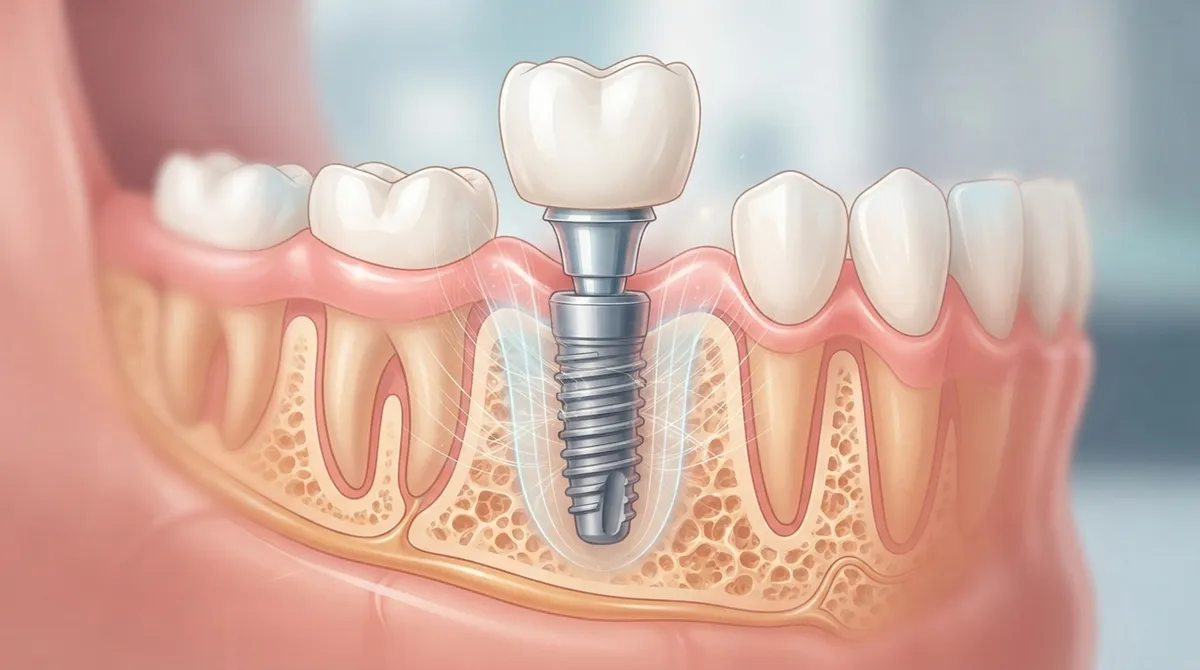
A dental implant is not just a fake tooth sitting on your gums. It's actually a full replacement for the missing tooth root. Think of your natural tooth like a plant. The part you see above the gum line is like the flower. But the root below the gum line is what keeps everything anchored and stable.
When a tooth is lost, that root disappears too. A dental implant replaces that root with a small titanium or zirconia post. This post gets placed directly into your jawbone. Over time, your bone actually grows around it and locks it into place.
The Three Main Parts of an Implant
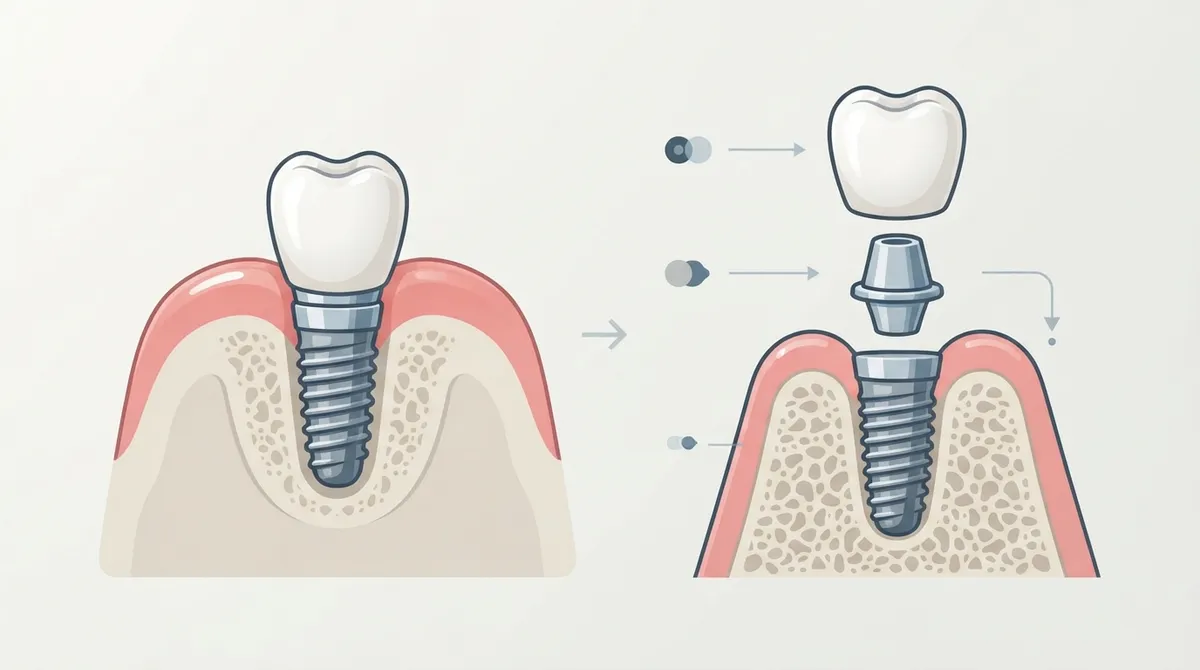
Understanding the parts makes the whole process much easier to picture. Every implant restoration has three key pieces working together:
- The implant body: This is the small post surgically placed into the jawbone. It acts as the artificial tooth root.
- The abutment: This little connector piece attaches to the top of the implant. It links the implant to your new tooth.
- The prosthetic tooth: This could be a crown, bridge, or denture. It's the visible part that looks and works like a real tooth.
These three parts work as a team. Without any one of them, the whole system wouldn't function properly.
11 Steps That Explain How Dental Implants Work
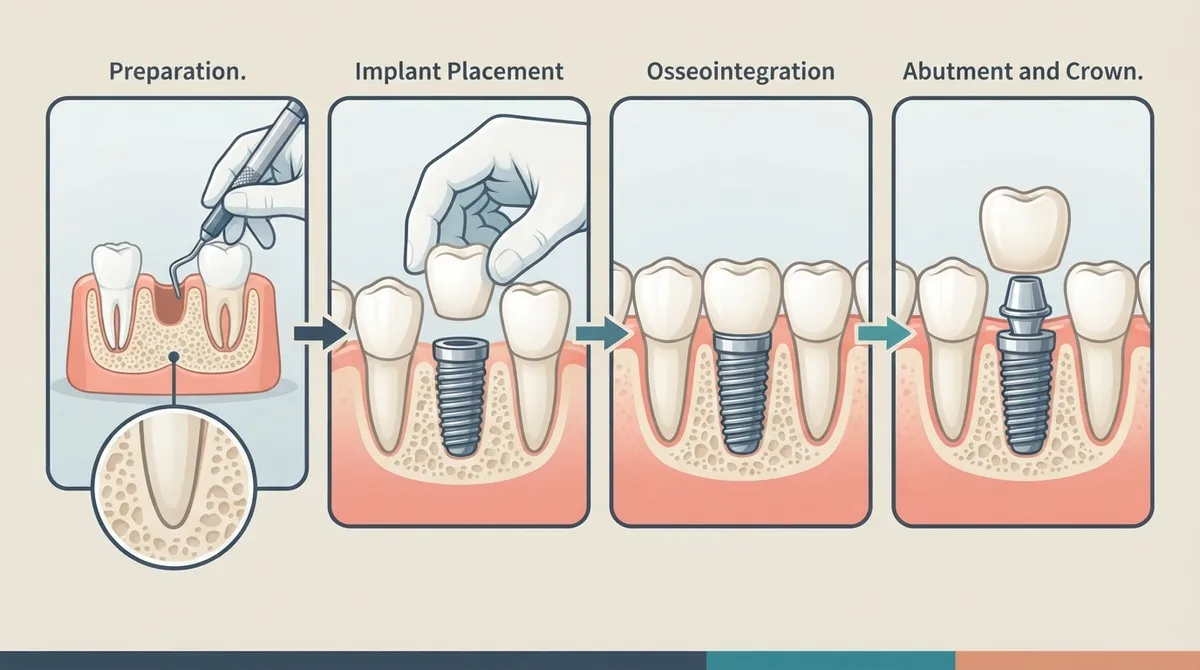
Now let's get into the good stuff. Here is the full journey, broken into simple steps, so you know exactly what to expect.
Step 1: Your Initial Consultation
Everything starts with a conversation. You'll sit down with our team to talk about your goals, your health history, and your smile concerns. This is also when we take a look at your mouth to see if implants are a good fit for you.
Step 2: Digital X-Rays and Imaging
Next, we take detailed pictures of your jawbone. These images show us the bone density, the location of nerves, and the best spot for your implant. This step is essential for a safe, precise plan.
Step 3: Creating Your Personalized Treatment Plan
Every mouth is different, so every plan should be too. Based on your images and exam, we design a treatment plan just for you. This plan considers how many teeth need replacing and whether you need any extra steps first.
Step 4: Tooth Extraction (If Needed)
If the damaged tooth is still present, it needs to come out first. Sometimes this happens on the same day as your implant placement. Other times, your mouth needs a little healing time before moving forward.
Step 5: Bone Grafting (When Necessary)
Some patients don't have enough jawbone to support an implant. This can happen after years of missing a tooth. In these cases, a bone graft adds material to build up the area before the implant goes in.
Step 6: Placing the Implant Body
This is the moment most people picture when they think about implants. The titanium or zirconia post is carefully placed into the jawbone. According to patient education materials from the European Federation of Periodontology, implants typically range from 4 mm to 16 mm long, depending on your needs.
Step 7: The Healing Period (Osseointegration)
Here's where the real magic happens. Over the next few months, your jawbone fuses to the implant surface. This process is called osseointegration. It's the biological process that makes implants so strong and long-lasting.
Healing time usually takes between 2 to 6 months. This depends on your bone health and which type of implant procedure you had. According to Mayo Clinic, this healing window allows the bone enough time to properly bond with the implant.
Step 8: Placing the Abutment
Once healing is complete, a small connector piece called the abutment gets attached to the implant. This piece will hold your new tooth in place. Sometimes this happens during the same appointment as the implant. Other times, it's a separate, minor procedure.
Step 9: Taking Impressions for Your New Tooth
Now for the fun part. We take detailed impressions of your mouth. These help our lab create a crown, bridge, or denture that matches your natural teeth perfectly. Color, shape, and size all get carefully matched.
Step 10: Attaching the Final Restoration
Your custom-made crown, bridge, or denture gets securely attached to the abutment. This is the piece everyone will see when you smile. It's designed to look and feel just like a natural tooth.
Step 11: Follow-Up Care and Maintenance
Once your new tooth is in place, we schedule follow-up visits to make sure everything is working well. Good home care and regular checkups help your implant last for many years to come.
How Long Does the Whole Process Take?
Patients often ask us this question first. The honest answer is that it depends on your specific situation. A simple, single-tooth implant case may take about 3 to 4 months overall, according to one dental practice source. However, timelines vary based on healing speed, whether you need a bone graft, and how many teeth are being replaced.
| Treatment Stage | Typical Timeframe |
|---|---|
| Consultation and Planning | 1 to 2 weeks |
| Extraction (if needed) and Healing | 4 to 8 weeks |
| Bone Grafting (if needed) | 2 to 6 months |
| Implant Placement | 1 day (procedure) |
| Osseointegration Healing | 2 to 6 months |
| Abutment and Final Crown Placement | 2 to 4 weeks |
Who Makes a Good Candidate for Dental Implants?
Not everyone needs the exact same approach, but many adults are great candidates for implants. Here's a quick list of things that usually make someone a good fit:
- You have generally good overall health
- Your gums are free from active disease
- You have enough jawbone density, or you're open to bone grafting
- You don't smoke, or you're willing to cut back during healing
- You want a long-term, permanent solution instead of removable options
Even if you're not sure you qualify, the best way to find out is through a consultation. Our free dental implant consultation gives you real answers without any pressure.
Dental Implants vs. Bridges: What's the Difference?
This is one of the most common questions we hear. Both options replace missing teeth, but they work in very different ways.
| Feature | Dental Implant | Dental Bridge |
|---|---|---|
| Replaces tooth root | Yes | No |
| Affects neighboring teeth | No | Yes, they're often filed down for support |
| Average lifespan | Many years, often decades | 10 to 15 years |
| Bone health support | Yes, helps prevent bone loss | No |
Want to dig deeper into this comparison? Check out our guide on dental implants vs. bridges in Ocoee to see which option fits your lifestyle best.
Why Choose Charming Smiles of Ocoee for Your Implant Journey?
We know choosing where to get dental implants is a big decision. Here's what makes our Ocoee practice different:
- Dr. Aliuska Lopez is known as a trusted "smile expert" with years of hands-on experience
- We offer a spa-like, relaxing environment with aromatherapy, blankets, and entertainment
- Flexible financing options including CareCredit and Cherry Financing
- A free implant consultation to help you make an informed decision
- Hundreds of glowing reviews from happy patients across Ocoee
Don't just take our word for it. You can visit us on Google — Charming Smiles of Ocoee to read real reviews from real patients who felt nervous just like you before their first visit.
Caring for Your Dental Implants Long-Term
Getting an implant is only half the story. Taking care of it properly helps it last for many years. Here are simple habits that make a big difference:
- Brush twice daily just like you would with natural teeth
- Floss around the implant carefully to remove trapped food
- Schedule regular dental checkups every six months
- Avoid chewing on very hard items like ice or hard candy
- Tell your dentist right away if you notice looseness or discomfort
If you're also considering other treatments, our cosmetic dentistry and denture services might be worth exploring too, depending on your smile goals.
Common Concerns Patients Have About Implants
It's totally normal to feel a little nervous before implant surgery. Many patients worry about pain, cost, or how long recovery will take. The good news is that modern techniques make this process much more comfortable than people expect.
We also understand dental anxiety is real. That's why our office focuses so heavily on comfort. Soft blankets, calming music, and gentle care make a real difference for patients who've avoided the dentist for years.
If cost is a concern, we also offer payment plans and a dental savings plan designed to make treatment more affordable without sacrificing quality care.
Ready to Take the Next Step?
Understanding how dental implants work is the first step toward getting your confident smile back. You don't have to figure this out alone. Our friendly Ocoee team is here to answer every question, big or small.
Ready to see if implants are right for you? Call us at (407) 378-3704 to schedule your free consultation today. You can also learn more about our location and office hours, or connect with us on our Charming Smiles Facebook page and Charming Smiles Instagram page to see real smile transformations. You can also book online whenever it's convenient for you. Your new smile is closer than you think, and we can't wait to help you get there.
FAQs
Q: How do dental implants stay in place?
A: Dental implants stay in place through a process called osseointegration, where your jawbone actually fuses to the implant surface. It's like the bone grows right around the post, locking it in tight. This creates a foundation that's often stronger than what you'd get with other tooth replacement options.
Q: What is osseointegration in dental implants?
A: Osseointegration is the biological process where your jawbone bonds directly to the implant post. Think of it like the bone slowly wrapping around and grabbing onto the implant over time. This process usually takes 2 to 6 months and is what makes implants so stable and long-lasting.
Q: How long do dental implants take to heal?
A: Healing time typically ranges from 2 to 6 months, depending on your bone health and the type of procedure you had. A simple single-tooth case might move a bit faster, while cases needing bone grafts often take longer. Our Ocoee team will walk you through your personal timeline during your consultation.
Q: Do dental implants look and function like natural teeth?
A: Yes, and honestly, that's one of the best parts. The crown attached to your implant is custom-made to match your natural teeth in color, shape, and size. Once healed, you can eat, speak, and smile with confidence, just like you would with your original teeth.
Q: What is the difference between a dental implant and a bridge?
A: A dental implant replaces the entire tooth, including the root, without touching your neighboring teeth. A bridge, on the other hand, relies on the teeth next to the gap for support, which sometimes means filing them down. Implants also tend to last longer and help protect your jawbone health over time.