11 Reasons Your Crown Clicking When Biting Needs Care
Learn why your crown clicks when biting, what causes it, and when to see a dentist in Ocoee before it becomes a bigger problem.
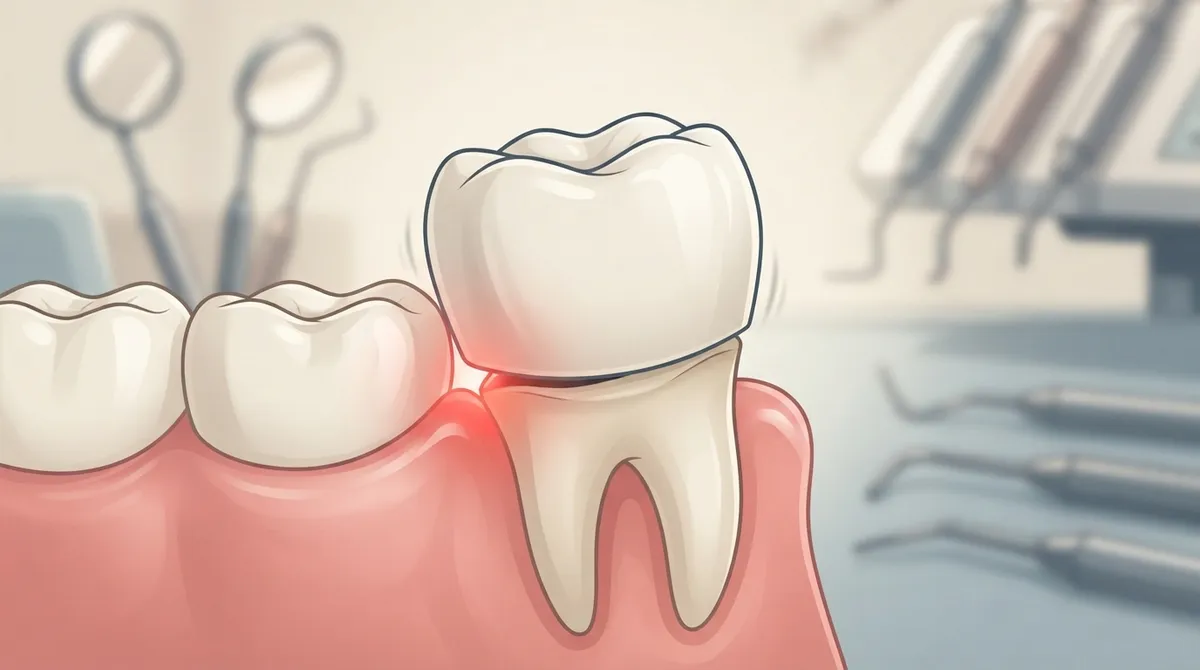
Key Takeaways
- A clicking crown most often indicates lost cement grip (26.5% of crown failures), but can also signal decay underneath, a cracked tooth, or a high bite—schedule a dentist visit promptly to prevent bacteria infiltration and costlier repairs.
- While waiting for your appointment, chew on the opposite side, avoid sticky/hard foods, and never use household glue or wiggle the crown; these precautions prevent further damage to the tooth and crown.
- Red flags requiring immediate attention include sharp pain when biting, new sensitivity to temperature, visible gaps at the gumline, swelling, or a wobbly crown—call your dentist right away for these symptoms.
- Most clicking crowns can be fixed by recementing if the crown and underlying tooth are sound, but treatment depends on diagnosis: decay requires treatment first, cracked crowns need replacement, and advanced infections may need root canal therapy.
Hear a little click every time you bite down? You're not imagining it, and you're definitely not alone. A crown clicking when biting is one of those small but annoying signs that something has shifted with your dental work. Here in Ocoee, our team at Charming Smiles of Ocoee hears about this a lot from patients who thought a simple clicking sound could just wait it out.
The truth is, that click is your tooth trying to tell you something. It might be a loose crown, a bite that's slightly off, or even decay hiding underneath. Ignoring it can turn a small fix into a bigger, pricier problem. So let's walk through the top reasons your crown might be clicking, what it means, and what you should do next. Think of this as your friendly guide to keeping that smile strong and comfortable.
1. Your Crown Has Lost Its Cement Grip
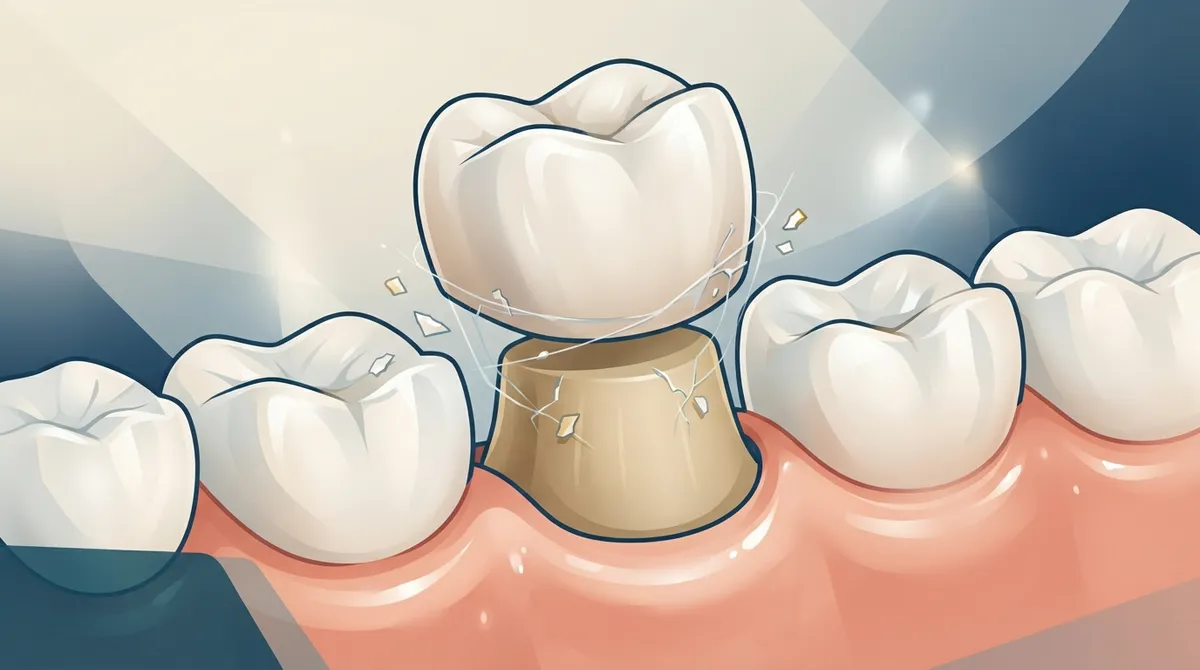
The most common reason a crown clicks is simple: the cement holding it down has worn away. Over years of chewing, cement slowly breaks down. This lets the crown shift just a tiny bit every time you bite.
A 2022 clinical study found that loss of retention was the top reason crowns failed, making up about 26.5% of all failures reviewed. That's a pretty big number, and it shows just how common this issue really is. The good news? If your tooth underneath is healthy, your crowns & bridges specialist can often clean and recement the crown without much fuss.
2. Decay Has Snuck In Under the Crown
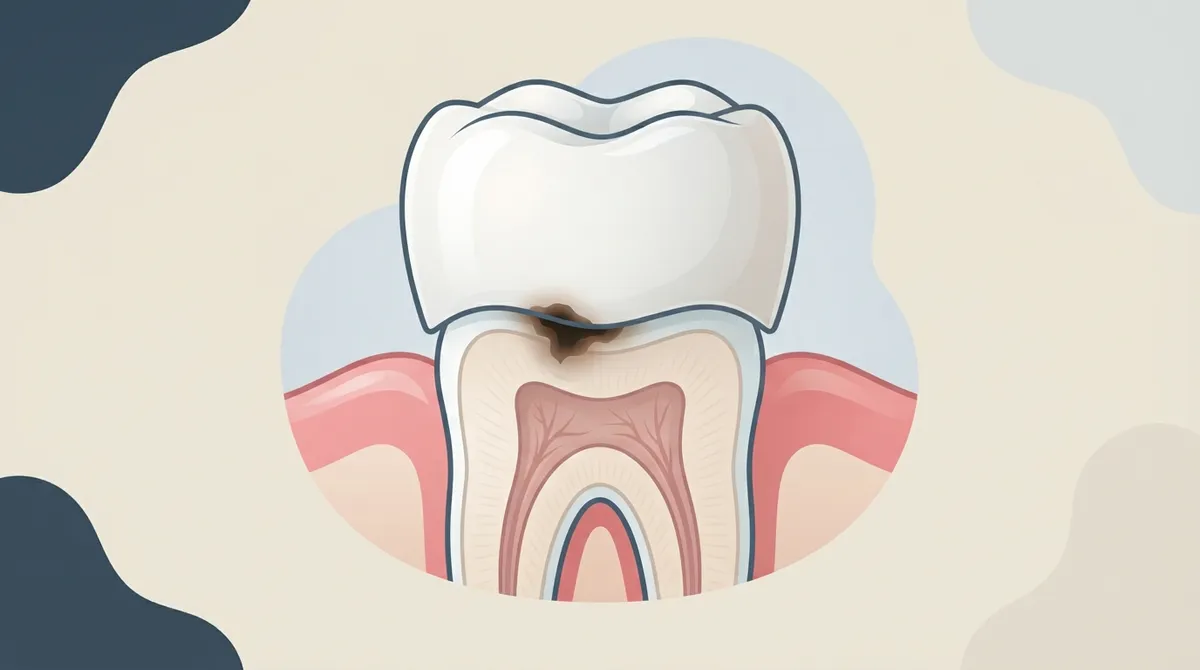
Crowns protect your tooth, but they aren't invisible force fields. Bacteria can sneak in through tiny gaps at the edges, especially if the seal weakens over time. This decay can cause the crown to feel loose or shift slightly, which leads to that clicking sound.
This is exactly why regular checkups matter so much. Our team recommends learning more about dental care for crowns in Ocoee so you know what warning signs to watch for between visits.
3. The Tooth Underneath Might Be Cracked
Sometimes the problem isn't the crown at all. It's the natural tooth structure hiding beneath it. Teeth can crack or weaken over time, especially if they've had root canals or large fillings in the past.
Research shows tooth fracture accounts for about 12.6% of crown failures, and tooth loss makes up another 13.5%. That means clicking isn't always a simple fix. It's worth having your dentist check the whole tooth, not just the crown itself.
4. Your Bite Might Be Slightly High
If you just got a new crown and it feels like it's hitting first when you bite, that's different from a loose, clicking crown. A high bite means the crown is a touch too tall, causing extra pressure in one spot.
This isn't dangerous, but it is uncomfortable and can lead to jaw soreness or headaches if left alone. A quick adjustment during a follow-up visit usually solves this problem fast.
5. Nighttime Teeth Grinding Is Wearing Things Down
Do you grind or clench your teeth at night? Many people don't even realize they do this until a dentist points out the wear patterns. Bruxism puts extra stress on crowns, cement, and the teeth underneath.
- Grinding can loosen even a well-placed crown over time
- It often happens during sleep, so you may not notice
- A custom night guard can protect your investment and stop future clicking
- Morning jaw soreness or headaches are common clues
If this sounds like you, ask about protective options during your next visit to general dentistry services.
6. Trauma or an Accidental Bite Down Moment
Sometimes it's as simple as biting down on something hard, like ice or a popcorn kernel. That sudden force can knock a crown loose or crack the tooth beneath it. If your clicking started right after eating something crunchy, this could be your answer.
7. The Crown Was Never a Perfect Fit
Occasionally, a crown just wasn't shaped quite right from the start. Maybe it's slightly too big, too small, or doesn't match your bite pattern perfectly. This can cause ongoing clicking that never really goes away on its own.
This is one reason working with an experienced, detail-focused dentist matters so much. Dr. Aliuska Lopez and the team take extra care during fittings to avoid this problem altogether.
8. Warning Signs You Should Never Ignore
A little clicking is one thing. But some symptoms mean you need to call your dentist right away. Watch for these red flags:
- Sharp pain when you bite or chew
- Sensitivity to hot or cold that wasn't there before
- A bad taste or smell coming from the crown area
- Visible gaps or dark lines at the gumline
- Swelling in your face or gums
- The crown feeling wobbly or about to fall out
If you notice any of these, please don't wait. Give us a call us at (407) 378-3704 so we can get you in quickly.
9. What to Do While You Wait for Your Appointment
Once you notice clicking, there are a few smart steps to take before your visit. These simple precautions can protect the tooth and crown from further damage:
Chew on the opposite side of your mouthAvoid sticky, hard, or chewy foods on that sideDon't poke or wiggle the crown with your tongue or fingersNever use household glue to fix it yourselfIf it falls out, rinse it gently and bring it with you
These steps buy you time without making things worse. Our emergency dentistry team is always ready if the clicking turns into something more urgent.
10. How Your Dentist Diagnoses the Problem
When you come in for a clicking crown, your dentist will check several things. First, they'll look for movement or wobbling. Then they'll examine your bite contacts to see if pressure is landing evenly.
Next comes a close look at the crown margins, where the crown meets your natural tooth. Gum health gets checked too, along with signs of decay. In many cases, dental X-rays are used to spot hidden problems like bone loss or infection near the root. This full picture helps your dentist choose the right fix.
| Diagnostic Step | What It Reveals |
|---|---|
| Mobility Check | Shows if the crown is loose or shifting |
| Bite Contact Test | Identifies high spots causing pressure |
| Margin Inspection | Checks for gaps where bacteria can enter |
| Gum Evaluation | Detects inflammation or recession |
| Dental X-Rays | Reveals decay, bone loss, or infection |
11. Treatment Options Based on What's Found
Not every clicking crown needs the same fix. Your treatment really depends on what's happening underneath. Here's a general breakdown of what might happen next:
| Situation | Likely Treatment |
|---|---|
| Crown is sound, just lost cement | Clean and recement the same crown |
| Minor decay found | Treat decay first, then recement or replace |
| Crown is cracked or damaged | New crown fabrication |
| Poor original fit | Replace with a properly fitted crown |
| Advanced infection present | Root canal treatment, then new crown |
If you're worried about needing a root canal alongside your crown repair, know that modern techniques make this far more comfortable than most people expect. Our spa-like environment helps ease those worries too.
Why Ocoee Patients Trust Charming Smiles for Crown Care
A five-year study on porcelain restorations found de-cementation happened in about 5.3% of cases, alongside chipping and open contacts around 6% each. These numbers remind us that even quality crowns can shift over time. That's exactly why regular checkups and quick attention to clicking matter so much.
At Charming Smiles of Ocoee, we combine advanced technology with a genuinely caring approach. Dr. Lopez is known as a smile expert who takes time to explain what's happening and why. Whether you need a simple recementing or a full crown replacement, our team walks you through every option with patience and honesty.
Many patients also appreciate our flexible insurance & financing options and our dental savings plan, which help make crown repairs and replacements more affordable. You can also check our current specials to see if any promotions apply to your visit.
Curious what other patients say about their experience? You can visit us on Google — Charming Smiles of Ocoee to read real reviews from Ocoee neighbors just like you. We're also active on our Charming Smiles Facebook page and Charming Smiles Instagram page, where we share smile transformations and helpful tips.
When to Stop Waiting and Book Your Visit
Here's the honest truth: a clicking crown rarely fixes itself. Waiting too long can let bacteria sneak in, damage the tooth further, or cause the crown to pop off completely at the worst possible moment. According to the American Dental Association, prompt evaluation of restoration problems helps prevent more extensive treatment down the road.
If you've noticed clicking, tapping, or any shifting feeling from a crown, don't brush it off. It's a small problem now that can become a much bigger one later. The team at Charming Smiles of Ocoee is here to help you sort it out quickly, comfortably, and without judgment.
Ready to get that clicking checked out? You can book online at a time that works for you, or stop by our location near Publix in Ocoee. Your smile deserves quick, gentle attention, and we're ready to give it.
FAQs
Q: Why is my dental crown clicking when I bite down?
A: Most often it means the crown has lost some of its cement grip and is moving slightly against your tooth. It could also mean your bite is a little high or the tooth underneath needs attention. Either way, it's worth having your dentist take a look before it gets worse.
Q: Does a clicking crown always mean it is loose?
A: Not always! A loose crown does click, but so can a crown that's sitting a bit too high after placement. The good news is both issues are easy to diagnose during a quick dental visit, and both have straightforward fixes.
Q: Can a loose dental crown be recemented instead of replaced?
A: Yes, in many cases! If the crown itself is in good shape and the tooth underneath is healthy, your dentist can simply clean it up and recement it back in place. It's a quick, comfortable fix that saves you time and money.
Q: How urgent is it to fix a crown that clicks or moves?
A: We recommend scheduling a visit as soon as you notice it, rather than waiting. A clicking crown can let bacteria sneak in underneath, which may lead to decay or infection over time. Catching it early usually means an easier, less expensive fix.
Q: What should I do if my crown falls off completely?
A: Stay calm! Gently rinse the crown with warm water, avoid using any glue, and keep it in a safe spot to bring with you. Call our office right away so we can get you scheduled quickly and protect the exposed tooth underneath.