11 Honest Answers: Does Getting a Crown Hurt? (2026)
Wondering does getting a crown hurt? Learn what to expect during and after a crown visit, plus tips for a comfortable recovery in Ocoee.
Key Takeaways
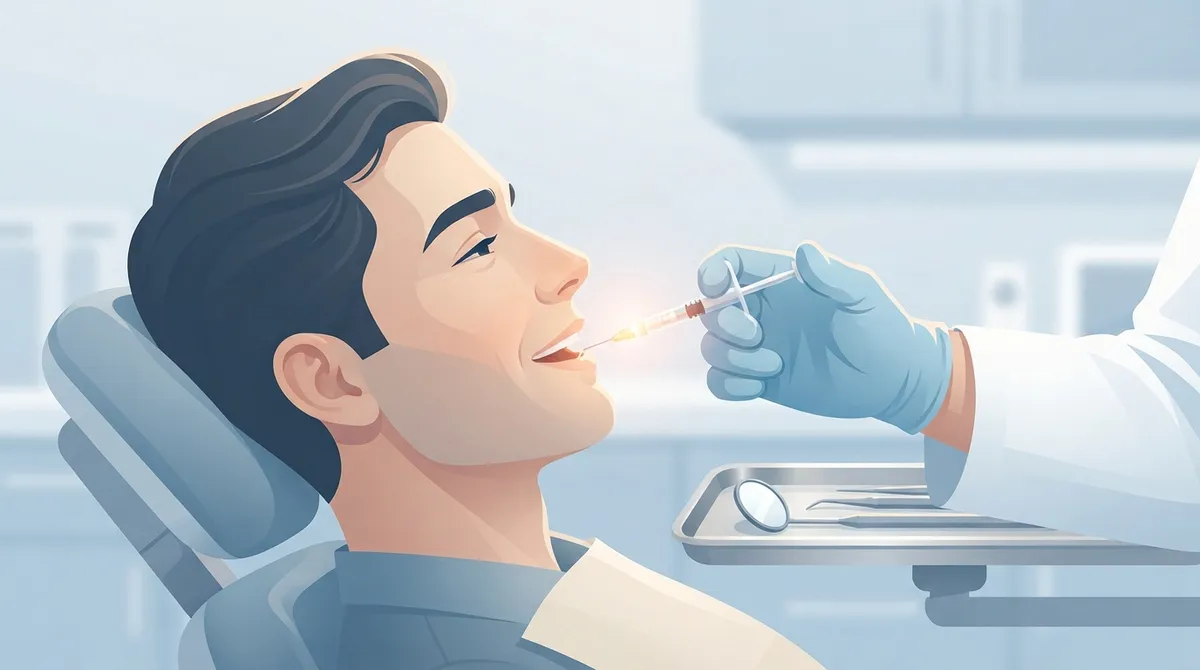
- Local anesthesia numbs the tooth and gums before the procedure, so you should feel pressure or vibration but not sharp pain; tell your dentist immediately if you feel a sharp sensation so they can add more numbing medicine.
- Mild soreness and gum tenderness are normal after a crown appointment and usually fade within a few days to two weeks; discomfort should gradually improve, not worsen.
- Temporary crowns may feel different and cause sensitivity to hot, cold, or biting pressure because they don't seal as tightly as the final crown; avoid sticky and hard foods during this phase.
- A crown feeling painful when biting down is often caused by it sitting slightly too high; call your dentist for a quick bite adjustment rather than trying to file it yourself.
- Seek immediate dental care if you experience severe worsening pain, pain at night, swelling, pus, bad taste, or a loose crown, as these may indicate infection or nerve irritation.
- Dental anxiety can intensify how you perceive sensations during the procedure; a calm office environment and communication with your dentist about your fears can significantly improve comfort.
If you have been told you need a dental crown, one question probably jumped to the front of your mind: does getting a crown hurt? You are not alone. It is one of the most common questions we hear from patients, and it makes sense. Nobody wants to walk into an appointment feeling nervous about pain.
Here is the good news. For most people, getting a crown is a comfortable experience. Your dentist numbs the area first, so you should not feel sharp pain during the work. You may notice some pressure or vibration, and you may feel a little sore afterward. That is normal and usually fades fast.
In this guide, we walk through 11 honest answers about crown comfort. We cover the procedure, the numbing, the temporary crown, and what to expect in the days after. Whether you are a busy parent, a senior, or someone who gets nervous in the dental chair, you will find clear, friendly answers here. Let's take the mystery out of it together.
1. The Short Answer: Most People Feel Very Little
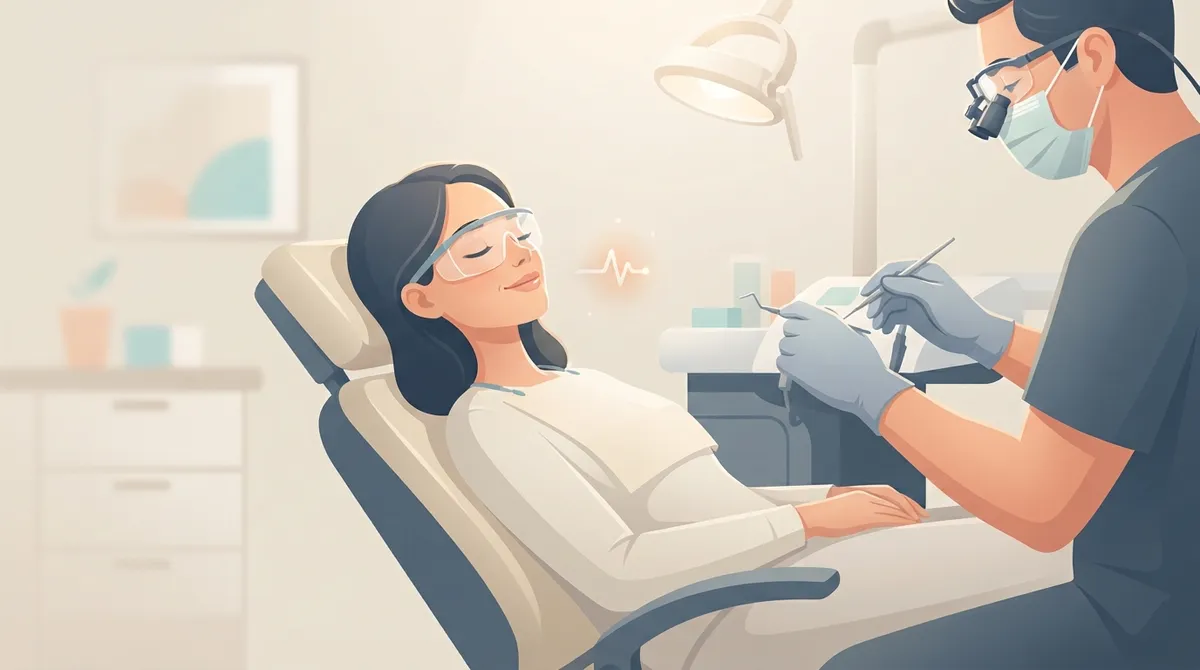
Let's start with the big question. Does getting a crown hurt? For most patients, the answer is no, not during the procedure itself. Your dentist uses a local anesthetic to numb the tooth and the gums around it. Once you are numb, the tooth preparation should feel painless.
What you might feel is pressure, movement, or a buzzing sensation from the dental tools. That can feel odd, but it is not the same as pain. Think of it like feeling someone tap your shoulder through a thick coat. You know something is happening, but it should not hurt.
If you ever feel a sharp zing, just raise your hand. Your dentist can pause and add more numbing medicine. Speaking up is always welcome. Comfort is a team effort.
2. What Happens During a Crown Appointment
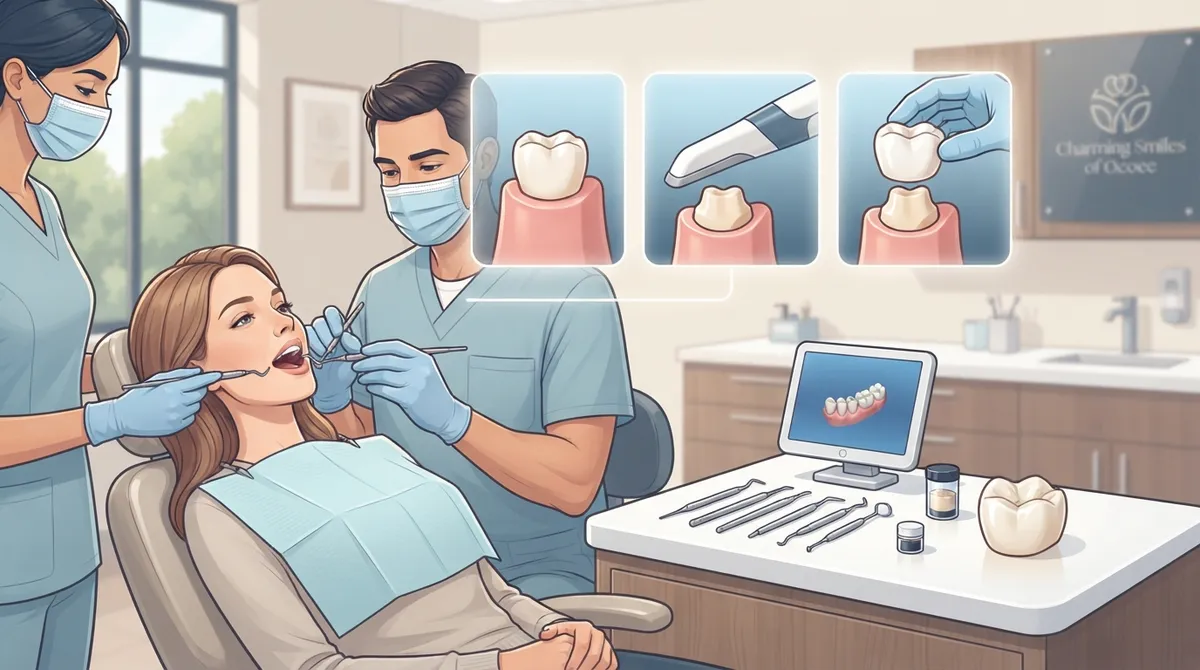
Knowing the steps can calm a lot of nerves. A typical crown visit includes a few simple stages. Here is the usual flow:
- Numbing: Your dentist applies numbing gel, then gives a local anesthetic so you stay comfortable.
- Tooth shaping: The tooth is gently reshaped to make room for the crown.
- Impression or scan: Your dentist takes a mold or digital scan so the crown fits your bite perfectly.
- Temporary crown: A temporary crown protects the tooth while your permanent one is made.
- Final fitting: At a later visit, the permanent crown is checked and cemented in place.
Each step is designed to be gentle. At crowns & bridges appointments, our team walks you through everything before we begin, so there are no surprises.
3. How Numbing Keeps You Comfortable
Local anesthesia is the star of the show. It blocks pain signals from the tooth to your brain. That is why you can sit through tooth shaping without feeling sharp pain.
The numbing shot itself may feel like a quick pinch. Many dentists apply a numbing gel first to soften even that moment. After a minute or two, the area feels thick, heavy, or tingly. That is the sign it is working.
Your lip, cheek, or tongue may feel numb for a few hours. That is normal. Just be careful not to bite your cheek or lip while the numbness wears off.
4. Pressure and Vibration Are Not the Same as Pain
Many people worry because they hear a drill and feel movement. Here is a helpful way to think about it: numbing stops pain, but it does not always stop the feeling of touch.
You may feel:
- Light pressure on the tooth
- A gentle vibration from the handpiece
- Cool water or air in your mouth
- Your jaw feeling tired from being open
None of these should hurt. If something feels sharp or sensitive, let your dentist know right away. We can pause and numb you more. There is no reason to tough it out.
5. Dental Anxiety Can Make Things Feel Worse
Here is something many people do not realize: fear can make everything feel more intense. When you are tense, your body reacts to every small sensation. A gentle touch can seem much bigger than it really is.
That is why a calm, welcoming office matters so much. At Charming Smiles of Ocoee, we designed our practice with comfort in mind. Think soothing music, streaming entertainment in the treatment room, pillows, blankets, and aromatherapy. Dr. Aliuska Lopez is known for her gentle approach with nervous patients.
If dental fear has kept you away, you are welcome here. Just tell us how you feel, and we will adjust everything to help you relax.
6. Why a Temporary Crown Can Feel Different
Many patients are surprised by how the temporary crown feels. It is not a perfect fit, and it is made from a different material than your final crown. It is only meant to protect your tooth for a short time.
Because a temporary crown may not seal as tightly, you might notice more sensitivity to hot, cold, or biting pressure. That does not mean something is wrong. It is simply the nature of a short-term cover.
A few tips for the temporary phase:
- Avoid sticky foods like caramel or gum
- Skip very hard foods like ice or nuts
- Chew on the opposite side when you can
- Floss gently and slide the floss out sideways, not upward
If the temporary crown comes loose or falls off, call your dentist. That is something we can fix quickly.
7. What Soreness to Expect After the Numbness Fades
Once the numbing wears off, it is normal to feel a bit of soreness. The gums around the tooth may be tender because they were touched and moved during the work. The tooth itself may feel a little sensitive too.
According to Cleveland Clinic, gum soreness usually settles within a few days, while tooth sensitivity can last a couple of weeks. The key sign to watch for is direction. Your discomfort should slowly get better, not worse.
Most people can go right back to work, school, or daily routines after their appointment. If you are a busy parent juggling drop-offs and errands, that is great news. A crown visit rarely means missing a full day.
| Stage | What You May Feel | How Long It Usually Lasts |
|---|---|---|
| During the procedure | Pressure, vibration, no sharp pain | Length of the visit |
| Right after numbing wears off | Mild soreness, tender gums | A few hours to a few days |
| Temporary crown phase | Sensitivity to hot, cold, or biting | Until the final crown is placed |
| After final crown | Slight sensitivity or bite awareness | Up to a couple of weeks |
8. Why Your Crown Might Hurt When You Bite
Sometimes a crown feels fine at first, but biting down causes a sharp or achy feeling. The most common reason is that the crown sits a little too high. Even a tiny difference can make your bite feel off.
Here is what to do:
- Do not try to file or adjust the crown yourself.
- Avoid chewing hard foods on that side.
- Call your dentist and describe what you feel.
- Let your dentist check and adjust the bite, which is usually a quick fix.
A bite adjustment is simple and often takes just a few minutes. Most patients feel immediate relief. It is one of those small fixes that makes a big difference.
9. When Crown Pain Is a Warning Sign
Mild soreness is normal. Ongoing or worsening pain is not. It is smart to know the difference so you can act quickly when needed.
Call your dentist if you notice:
- Severe pain that keeps getting stronger
- Pain that shows up on its own, without biting or temperature triggers
- Pain that wakes you up at night
- Swelling in your gums or face
- A bad taste or pus near the tooth
- A crown that feels loose or shifts
These signs can point to a bite problem, an irritated nerve, or an infection. The sooner you get checked, the easier the fix. If you ever have sudden dental pain, our emergency dentistry team is here to help you feel better fast. You can also call us at (407) 378-3704 to be seen quickly.
10. Do You Need a Root Canal With a Crown?
This is a common worry. The short answer is: not always. Many crowns are placed on teeth that are cracked, worn, or weakened by a large filling. Those teeth often do not need a root canal at all.
However, if the nerve inside the tooth is infected or badly damaged, a root canal may come first. The crown is then placed afterward to protect and strengthen the tooth. In that case, the root canal is done to relieve pain, not cause it. Learn more about root canals and how modern care keeps you comfortable.
Your dentist will examine your tooth and take X-rays to decide the best plan. You will always know what to expect before treatment starts.
11. Simple Aftercare Tips for a Smooth Recovery
A little care goes a long way after your crown visit. Follow your dentist's instructions, and your recovery should be easy. Here are some helpful tips:
- Wait to eat until numbness fades. This prevents accidental cheek or tongue bites.
- Avoid very hot drinks while you cannot feel your mouth well.
- Take pain relief only as directed and only if it is safe for you.
- Brush and floss gently around the crown every day.
- Keep your regular checkups so your dentist can monitor your crown.
Good habits help your crown last for years. If you want to understand more about caring for one, our guide on dental care for crowns in Ocoee is a great next read.
Why Patients Choose Charming Smiles of Ocoee for Crowns
Comfort is at the heart of what we do. Charming Smiles of Ocoee is a trusted general and cosmetic dental practice led by Dr. Aliuska Lopez, known as a smile expert for her skill, precision, and compassionate care. We combine modern technology with a spa-like setting so every visit feels calm.
We also make care easier to afford. We accept many major insurance plans and offer flexible financing. You can explore our insurance & financing options or check out our dental savings plan, which gives adults and seniors 25% off most other dental procedures. New here? Our current specials include a $129 complete checkup for adults.
Want to hear from real patients? See what neighbors say when you visit us on Google — Charming Smiles of Ocoee. You can also follow our smiles on the Charming Smiles Facebook page and the Charming Smiles Instagram page.
Ready for a Comfortable Crown Experience?
So, does getting a crown hurt? For most patients, the answer is a gentle no. Numbing keeps you comfortable, and any soreness afterward is usually mild and short-lived. If something feels off, your dentist can adjust your bite or check for deeper issues quickly.
If you have been putting off a crown because you feel nervous, we would love to help you take the first step. Our team is patient, kind, and never rushes you. Book online today, or call us at (407) 378-3704. You can also find our location at 315 West Rd, Ocoee, FL 34761. Your comfortable, confident smile is waiting.
FAQs
Q: Does getting a dental crown hurt during the procedure?
A: Usually not. Your dentist numbs the tooth and gums with a local anesthetic, so you should not feel sharp pain. You may feel pressure or vibration, and if anything feels sharp, just tell your dentist so they can numb you more.
Q: How long does pain or sensitivity last after getting a crown?
A: Gum soreness typically settles within a few days, and tooth sensitivity can last a couple of weeks. The important thing is that it should slowly improve. If it gets worse or does not fade, give your dentist a call.
Q: Is it normal for a temporary crown to hurt?
A: Some sensitivity is normal because a temporary crown does not seal as tightly as the final one. You may notice reactions to hot, cold, or biting. If the pain is strong or the crown comes loose, call your dentist right away.
Q: Why does my crown hurt when I bite down?
A: The crown may be sitting a little too high, which makes your bite feel uneven. This is a common and easy fix. Your dentist can adjust it quickly, so please do not try to adjust it yourself.
Q: When should I call a dentist about crown pain?
A: Call if you have severe or worsening pain, pain that wakes you at night, swelling, pus, a bad taste, or a loose crown. These signs may point to a bite problem, nerve irritation, or infection, and early care makes treatment easier.