11 Front Tooth Crown Mistakes to Avoid in 2026
Avoid these 11 common front tooth crown mistakes and learn how Charming Smiles of Ocoee helps you get a natural, lasting smile.
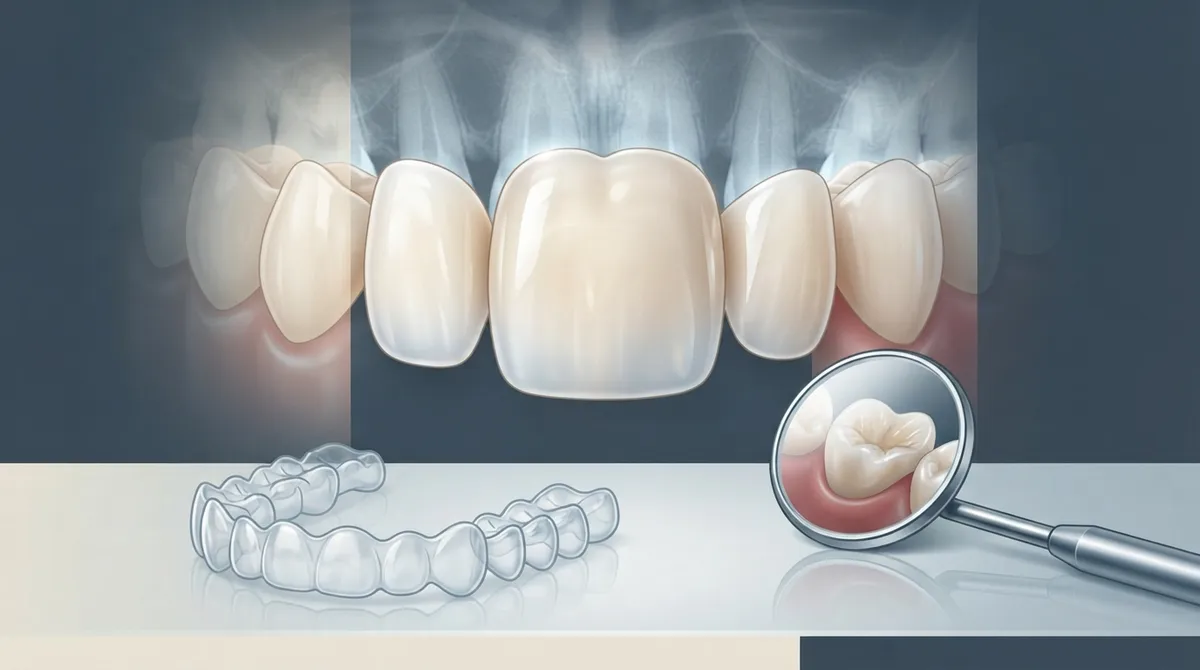
Key Takeaways
- Choose all-ceramic or lithium-disilicate (e.max) crowns for front teeth to achieve the most natural, translucent appearance that mimics real enamel and blends seamlessly with surrounding teeth.
- Get a thorough pre-treatment exam with digital X-rays to check the tooth's nerve, gum tissue, bite, and hidden infections—skipping this can lead to serious problems requiring root canals or additional treatment later.
- Understand that crowns permanently remove natural tooth structure and cannot be reversed; explore less invasive alternatives like bonding, veneers, or inlays before committing to a crown.
- Wear a custom night guard if you grind or clench your teeth at night, as constant pressure can crack or wear down even well-made crowns, and attend regular checkups since crowns don't prevent cavities or gum disease.
Your front teeth do a lot of work. They help you talk, smile, and eat every single day. So when a front tooth gets damaged, cracked, or badly discolored, it can feel like a big deal. That's where front tooth crowns come in. They cover and protect a weak tooth while giving you back a smile you feel good about.
Here's the thing though. Getting a crown on a front tooth isn't quite like getting one on a back molar. Front teeth show every time you smile, laugh, or talk. That means small mistakes can turn into big regrets. At Charming Smiles of Ocoee, we've helped many patients in Ocoee avoid these exact pitfalls. Let's walk through the 11 most common mistakes people make with front tooth crowns, so you can skip the stress and get a smile that actually looks and feels right.
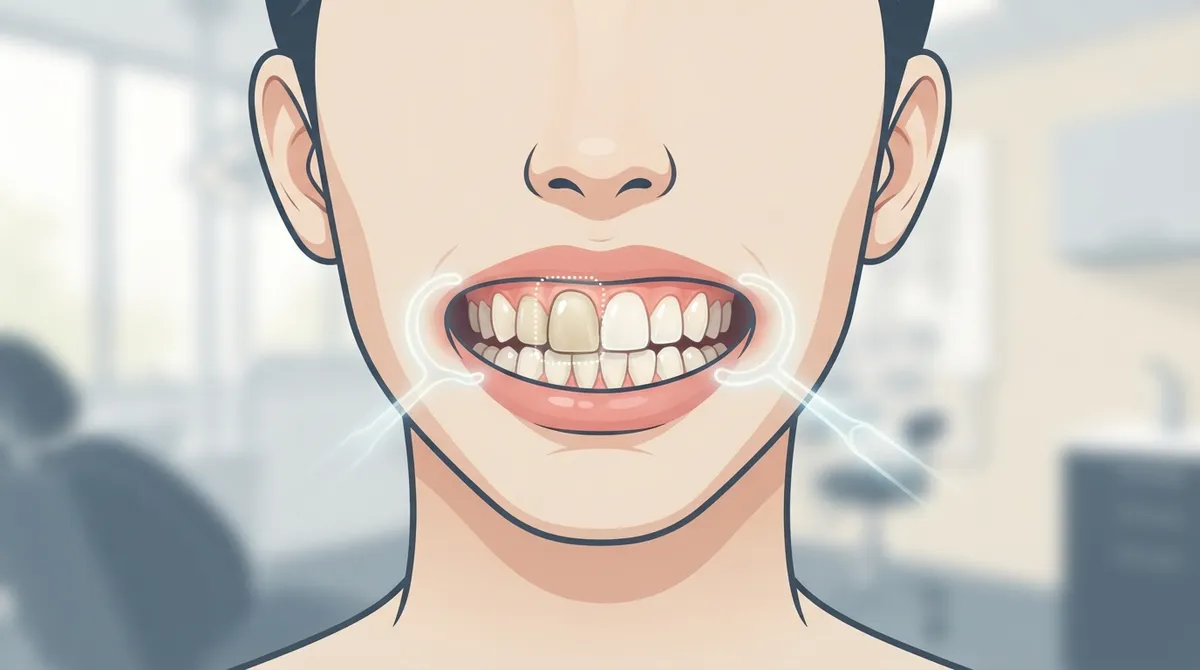
1. Choosing the Wrong Material for Visible Teeth
Not all crown materials look the same up close. Some are strong but a little flat looking. Others blend in beautifully with your natural teeth. This mistake happens more than you'd think, and it's one of the easiest to avoid with good guidance.
All-ceramic and porcelain crowns usually give the most natural, glassy look. Lithium-disilicate crowns, like e.max, are popular because they mimic real enamel so well. Zirconia is super strong but can look a little less see-through. Porcelain-fused-to-metal crowns hold up well too, but they can sometimes show a dark line at the gum if your gums shift over time.
| Material | Best For | Appearance |
|---|---|---|
| All-Ceramic/Porcelain | Front teeth, natural look | Most translucent, closest to real enamel |
| Lithium-Disilicate (e.max) | Front and back teeth | Very natural, strong |
| Zirconia | Strength-focused cases | Strong, slightly less translucent |
| Porcelain-Fused-to-Metal | High bite force areas | Durable, may show dark margin over time |
Our crowns & bridges team will walk you through which material fits your smile goals and your budget.

2. Skipping a Proper Exam Before Treatment
A front tooth crown isn't just about covering up a problem. Your dentist needs to check the tooth's nerve, the surrounding gum tissue, your bite, and whether there's any hidden infection. Skipping this step is a big mistake that can lead to problems later.
Digital X-rays and a full exam help your dentist plan the right approach. Sometimes a tooth needs a root canal first. Other times, the tooth just needs a solid crown. Either way, this step matters more than people realize.
3. Not Understanding That Crowns Are Permanent
Here's something many patients don't know until it's too late. Getting a crown means removing some of your natural tooth structure. That part can't be undone. So this decision deserves real thought, not a rushed choice.
Before committing, ask your dentist about alternatives like bonding, veneers, or an inlay or onlay. If your tooth condition allows for a less invasive fix, that might be worth exploring first. Our veneers page has more info if you're weighing your cosmetic options.
4. Ignoring the Temporary Crown Instructions
Between your first and second appointment, you'll wear a temporary crown. Some patients treat this stage casually and end up with a temporary that falls off or shifts. That can throw off your final fit.
Follow these simple steps during the temporary phase:
- Avoid sticky or hard foods on that side of your mouth
- Brush gently around the area, don't skip it
- Floss carefully by sliding the floss out sideways instead of pulling up
- Call your dentist right away if it feels loose
Taking your temporary crown seriously helps your final crown fit better and last longer.
5. Forgetting That Crowns Don't Protect Against Everything
A lot of people assume a crown means the tooth is now "fixed for good." That's not entirely true. The natural tooth structure under and around the crown can still get cavities. Gum disease, root infection, and loosening crowns are all still possible.
This is why regular checkups matter so much. Our general dentistry visits help catch small problems before they turn into bigger ones.
6. Using Your Front Teeth as Tools
We've all done it. Opening a bag with your teeth, biting a fingernail, or tearing tape. But your crown isn't designed for that kind of stress. Using your front teeth as tools is one of the fastest ways to chip or crack a crown.
Save your crown by keeping scissors, bottle openers, and other tools handy instead of your teeth.
7. Not Wearing a Night Guard If You Grind Your Teeth
If you clench or grind your teeth at night, your crown is at risk. That constant pressure adds up over time and can wear down or crack even a well-made crown. Many patients don't realize they grind until a dentist points out the wear patterns.
- Ask your dentist if a night guard makes sense for you
- Wear it consistently, not just on stressful nights
- Bring it to checkups so we can check the fit
A custom night guard is a small investment that protects a much bigger one, your smile.
8. Choosing a Provider Based on Price Alone
We get it, cost matters. In the U.S., front tooth crown pricing often depends on your dentist's fee, your insurance benefits, your location, and whether extra treatment like a root canal is needed. But picking the cheapest option without checking experience or reviews can backfire.
A well-placed crown from a skilled dentist tends to last longer and look more natural, saving you money down the road. Dr. Aliuska Lopez and her team focus on precision and comfort so your crown fits right the first time. We also offer insurance & financing options and a dental savings plan to help make quality care more affordable.
9. Not Asking About Shade Matching
Your front tooth crown needs to blend in with the teeth around it. If shade matching gets rushed, your crown might look slightly off compared to your natural teeth. This is a small detail that makes a big visual difference.
Ask your dentist how they match shades. Good practices take time here, sometimes using natural light and multiple angles to get it just right. This step is part of what makes a smile look effortless instead of "done."
10. Delaying Treatment for a Damaged Front Tooth
Putting off treatment might feel easier in the moment, but a cracked or badly decayed front tooth can get worse fast. Waiting too long sometimes means more of the tooth needs to be removed later, or the nerve becomes affected.
If you're dealing with sudden front tooth pain or damage, don't wait. Our emergency dentistry team is ready to help, and you can always call us at (407) 378-3704 for prompt care.
11. Skipping Regular Checkups After Getting a Crown
Once your crown is placed, it's tempting to think you're all set. But research shows that survival rates change over time. One study found cumulative survival around 89.9% at 5 years, dropping to about 61.8% at 20 years. Regular care makes a real difference in how long your crown lasts.
Keep up with these habits:
- Brush twice daily with fluoride toothpaste
- Clean carefully around the gumline and under the crown's edge
- Attend regular dental exams and cleanings
- Tell your dentist right away if something feels off
Most crowns last somewhere between 5 and 15 years, sometimes longer with great care. Skipping checkups is one of the easiest ways to shorten that lifespan.
What to Expect During Treatment
If you're nervous about the process, knowing what happens can help. Here's a simple breakdown of what a front tooth crown appointment usually looks like:
- Exam and X-rays to check the tooth and surrounding structures
- Numbing the area so preparation is comfortable
- Shaping the tooth to make room for the crown
- Taking a digital scan or impression
- Matching the shade to your natural teeth
- Placing a temporary crown while your permanent one is made
- A second visit to check fit, look, and bite before final cementing
Most patients are surprised at how smooth and manageable the whole process feels, especially in a relaxed, spa-like setting.
Why Ocoee Patients Trust Charming Smiles
Front tooth crowns are a big decision, and you deserve a team that treats them that way. Dr. Aliuska Lopez has built a reputation as a caring, detail-focused dentist who understands both the function and beauty side of a healthy smile. Our office blends real dental expertise with a calming environment, perfect for patients who feel nervous about dental visits.
Curious what other patients say about their experience? You can visit us on Google — Charming Smiles of Ocoee to read real reviews from people right here in Ocoee. You can also check out our Charming Smiles Facebook page or follow along on our Charming Smiles Instagram page for smile transformations and helpful tips.
For general background on crown procedures and oral health guidelines, the American Dental Association offers helpful patient resources too.
Ready to Protect Your Smile the Right Way?
Front tooth crowns can restore your confidence when done with care and precision. Avoiding these 11 mistakes puts you in a much better position for a smile that looks natural and lasts for years. If you're ready to talk about your options, our team is here to help every step of the way. You can book online today, or stop by our location in Ocoee to meet the team in person. We can't wait to help you smile with confidence again.
FAQs
Q: How much does a front tooth crown cost?
A: Costs vary based on your dentist's fee, your insurance benefits, and whether extra treatment like a root canal is needed. We're happy to walk you through your options and financing plans so there are no surprises.
Q: What is the best material for a crown on a front tooth?
A: All-ceramic and lithium-disilicate crowns, like e.max, usually give the most natural, tooth-like look for front teeth. Your dentist will help you pick the best option based on your smile goals and bite.
Q: How long do front tooth crowns last?
A: Most crowns last around 5 to 15 years, and sometimes even longer with great care. Regular checkups, good brushing habits, and avoiding hard bites all help your crown go the distance.
Q: Is a crown or veneer better for a front tooth?
A: It really depends on how much natural tooth structure remains and the extent of damage. Crowns work best for weaker or heavily restored teeth, while veneers suit teeth that just need a cosmetic boost.
Q: Does getting a front tooth crown hurt?
A: Not at all, thanks to local anesthetic during preparation. Most patients say the process feels much easier than they expected, especially in our calm, comfortable office.