11 Differences Between Veneers and Crowns (2026 Guide)
Wondering what the difference is between veneers and crowns? Learn 11 key differences, from coverage to cost, and find the right fit for your smile.
Key Takeaways
- Crowns cover the entire tooth for strength and repair, while veneers are thin shells bonded to the front for cosmetic improvement; choose crowns for damaged teeth and veneers for healthy teeth needing cosmetic enhancement.
- Veneers typically last 10-15 years and crowns last 5-15 years with proper care; both are permanent decisions requiring lifelong commitment since natural tooth enamel removed during preparation cannot regrow.
- Crowns require more tooth reduction than veneers since they reshape the entire tooth, while veneers need minimal reduction of the front surface; discuss the gentlest approach with your dentist.
- Dental insurance may cover crowns as restorative treatment, but veneers are usually considered cosmetic and not covered; explore payment plans, savings plans, and financing options to manage costs.
So, what is the difference between veneers and crowns? It is one of the most common questions we hear from patients who want a better-looking, stronger smile. The two treatments look alike on the surface. Both are custom-made, tooth-colored restorations that sit over your natural teeth. But they do very different jobs.
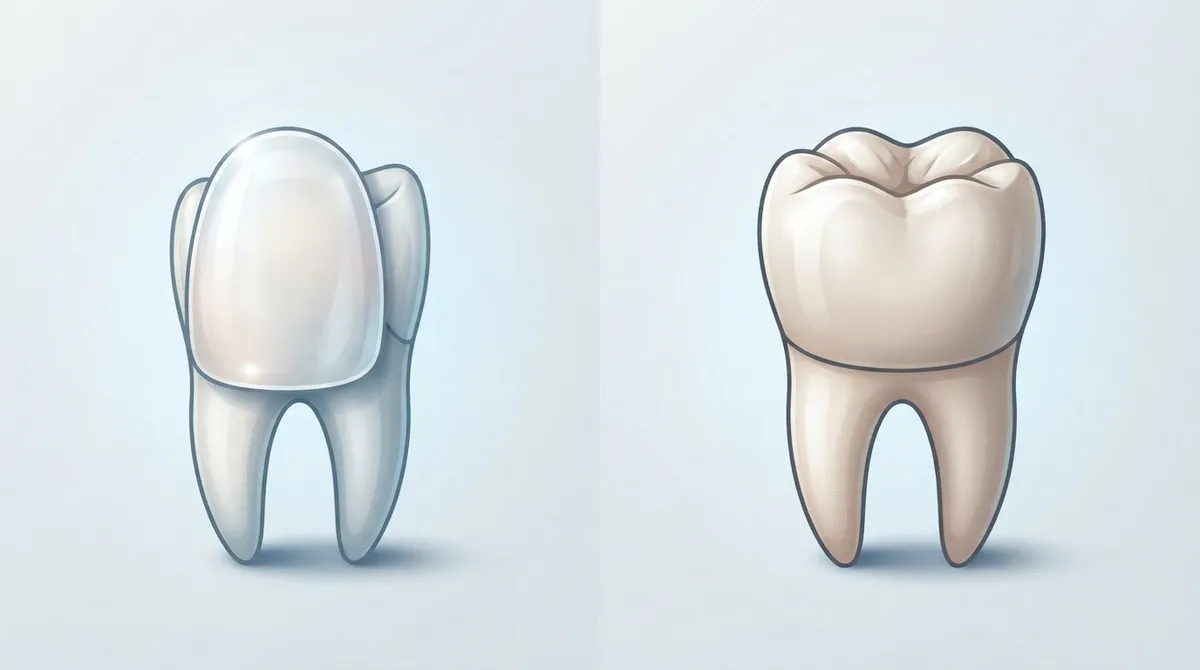
Think of a veneer as a thin, pretty shell for the front of a tooth. Think of a crown as a full cap that wraps the whole tooth. One is mostly about looks. The other is mostly about strength and repair.
Whether you are a busy parent fixing a chipped tooth, a cosmetic enthusiast dreaming of a brighter smile, or a senior with worn-down teeth, this guide will help. Below are 11 clear differences so you can walk into your dental visit feeling confident. At Charming Smiles of Ocoee, Dr. Aliuska Lopez and our team love helping patients pick the right option for their smile.
1. How Much of the Tooth Each One Covers
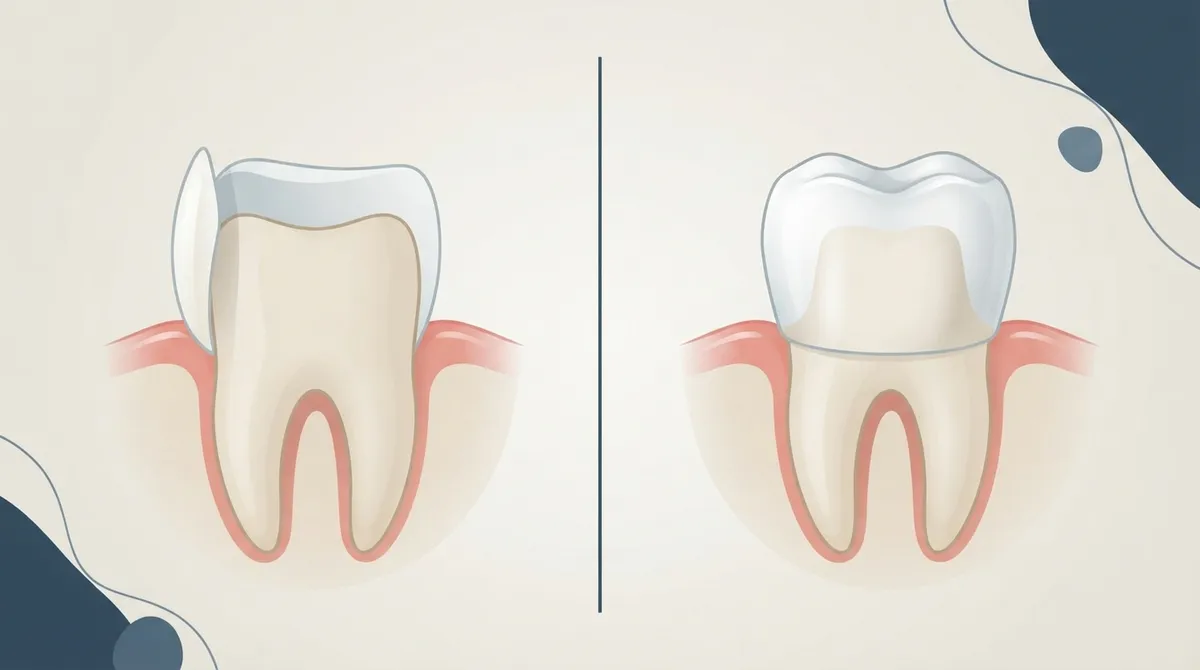
This is the biggest difference. A veneer is a thin, custom shell bonded mainly to the front surface of a tooth. A crown covers the entire visible portion of the tooth, like a snug cap.
Because a crown surrounds the tooth, it holds a weak tooth together. A veneer does not offer that kind of full-tooth support. That single point shapes almost every other difference on this list.
2. The Main Purpose: Looks vs. Repair
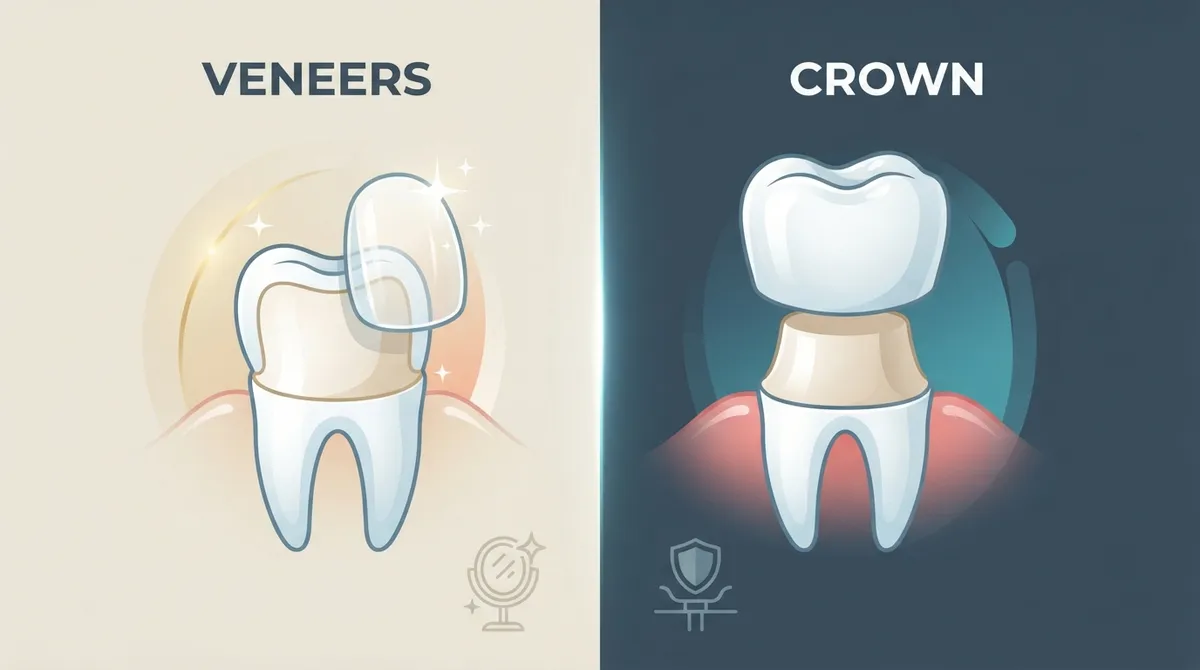
Veneers are mostly cosmetic. Dentists use them to improve how teeth look. Crowns are mostly restorative. They protect and rebuild teeth that are damaged or weak.
Here is a quick way to remember it:
- Veneers: "I want my healthy tooth to look better."
- Crowns: "I need my damaged tooth to work and last."
That said, a crown can also look beautiful. Many patients enjoy both strength and a natural finish with a crown.
3. The Problems Each One Can Fix
Each treatment shines in different situations. Veneers are a great fit for teeth that are strong but not as pretty as you would like. Crowns are the better choice when a tooth has lost a lot of its structure.
| Concern | Veneers | Crowns |
|---|---|---|
| Stained or discolored teeth | Often a great fit | Possible, but usually more than needed |
| Small chips | Often a great fit | Sometimes |
| Minor gaps or uneven shape | Often a great fit | Rarely needed |
| Large cavities or big fillings | Usually not suitable | Often recommended |
| Cracked or fractured tooth | Usually not suitable | Often recommended |
| After a root canal | Not typical | Often recommended |
| Severely worn teeth | Depends on the case | Often recommended |
Your dentist will examine your tooth, your bite, and your goals before suggesting either one.
4. How Much Natural Tooth Is Removed
Both treatments usually require some removal of natural tooth structure. Traditional veneers generally need less reduction than full crowns. A crown must fit over the whole tooth, so more of the tooth is shaped.
The amount still varies from patient to patient. Your dentist will plan the gentlest approach that gets you a safe, lasting result.
5. Whether the Treatment Is Reversible
Many veneer procedures are irreversible because some enamel is removed. Once that enamel is gone, it does not grow back. That means you will likely need a veneer or another restoration on that tooth for life.
Crowns are also considered permanent. Both are long-term decisions, so it pays to ask questions first. A good consultation helps you feel sure before you start. If you are curious about the cosmetic side, you can explore our Veneers page.
6. Strength and Protection
Crowns win on strength. Because a crown wraps around the whole tooth, it spreads chewing forces across the tooth and helps hold a cracked or weakened tooth together.
Veneers are strong, but they do not reinforce the tooth the way a crown does. A veneer may not be right when a tooth is substantially weakened, has extensive decay, or has too little healthy enamel for reliable bonding. If you are dealing with a damaged back tooth, our crowns & bridges care is often the better path.
7. The Materials Used
Both restorations can be made from ceramic or porcelain, plus other materials. The best choice depends on where the tooth sits, how hard you bite, how much healthy tooth is left, and what look you want.
- Front teeth: Porcelain or ceramic is popular for a natural, light-catching shine.
- Back teeth: Stronger materials are often chosen because chewing forces are higher.
- Grinders and clenchers: Your dentist may suggest tougher materials or a night guard.
Dr. Lopez will walk you through the options so the final result feels natural and comfortable.
8. How Long Each One Lasts
Both can last many years with good care. According to Cleveland Clinic, veneers typically last about 10 to 15 years, while the average crown lasts about 5 to 15 years, and some crowns last even longer.
Research backs up how well they perform. A 2021 systematic review of porcelain laminate veneers estimated a 10-year cumulative survival rate of 95.5%. A review of ceramic restorations reported about 94% five-year survival for single-unit ceramic crowns.
These numbers are encouraging, but they do not promise a problem-free life. Your habits, bite, and home care all play a role.
9. The Treatment Process
Both treatments usually take more than one visit, though timelines vary. Here is a simple look at what to expect.
- Consultation: Your dentist checks your teeth, gums, and bite, and talks through your goals.
- Preparation: The tooth is gently shaped. Veneers need a thin layer removed from the front, while crowns need the whole tooth reshaped.
- Impressions or digital scan: A precise model is made so your restoration fits perfectly.
- Temporary restoration: A temporary may protect the tooth while the final piece is made.
- Final placement: The veneer or crown is checked for fit, color, and bite, then bonded or cemented in place.
If you feel nervous about any of these steps, you are not alone. Our spa-like setting, soothing music, and gentle approach are designed to help anxious patients relax.
10. Cost and Coverage
Cost varies by material, the number of teeth, and your treatment plan. Because crowns often repair damaged teeth, dental insurance may cover part of the cost. Veneers are usually considered cosmetic, so coverage is less common.
The good news is that you have options. You can learn about insurance & financing options, our dental savings plan, and flexible payment plans. We also offer a free cosmetic consultation, and you can check our current specials for more ways to save.
11. Care and Maintenance
Neither treatment is invincible. Both can chip, crack, loosen, or need replacement over time. Neither one prevents decay at the edges where the restoration meets your natural tooth.
Here are simple habits that protect your investment:
- Brush twice a day and floss daily.
- Keep up with regular checkups and cleanings.
- Skip chewing ice, pens, or hard candy.
- Ask about a night guard if you grind your teeth.
- Do not use your teeth to open packages.
Small habits make a big difference. For more tips, see our guides on dental care for veneers and dental care for crowns.
So, Which One Is Right for You?
The answer depends on your tooth, not just your wishes. A simple guide can help:
- Choose veneers if your teeth are healthy and strong, and you want to fix color, small chips, minor gaps, or uneven shape.
- Choose crowns if a tooth is cracked, heavily filled, badly worn, or recently had a root canal.
- Ask about both if you want a full smile refresh and some teeth need repair while others only need a cosmetic lift.
Only an exam can tell you for sure. Your dentist will look at how much healthy tooth remains, how you bite, and what you hope to see in the mirror. If you want a wider look at your choices, our cosmetic dentistry services cover many ways to enhance your smile. You can also read how to transform your smile with cosmetic dentistry in 2026 for more ideas.
Want to see how real patients feel about their care? Read what neighbors say about us and visit us on Google — Charming Smiles of Ocoee. You can also follow our smile stories on the Charming Smiles Facebook page and the Charming Smiles Instagram page.
Ready to Find Your Best Smile Solution?
Now you know the answer to what is the difference between veneers and crowns. Veneers are thin shells that make healthy teeth look better. Crowns are full caps that protect and rebuild damaged teeth. Both can give you a beautiful, confident smile when matched to the right tooth.
You do not have to figure it out alone. Dr. Lopez and our friendly team will examine your teeth, listen to your goals, and explain every option in plain, gentle terms. Ready to take the next step? Call us at (407) 378-3704 or book online today. You can also find our location at 315 West Rd in Ocoee. We cannot wait to meet you!
FAQs
Q: Are veneers or crowns better for front teeth?
A: It depends on the tooth. If your front tooth is healthy and you want to fix color, small chips, or minor gaps, veneers are often a lovely choice. If the tooth is cracked, heavily filled, or weak, a crown may be the better fit. Your dentist will check your tooth and bite to guide you.
Q: Do veneers or crowns require more tooth shaving?
A: Crowns usually need more tooth reduction because they cover the entire tooth. Traditional veneers generally need less, though the amount varies by case. Your dentist will plan the gentlest approach that still gives you a strong, natural-looking result.
Q: How long do veneers and crowns last?
A: With good care, veneers typically last about 10 to 15 years, and crowns last about 5 to 15 years, sometimes longer, according to Cleveland Clinic. Habits like teeth grinding and skipping checkups can shorten that time, so regular dental visits really help.
Q: Can a crown be used instead of a veneer?
A: Sometimes, yes. A crown can improve looks and add strength, but it removes more of your natural tooth than a veneer. If your tooth is healthy and you only want a cosmetic change, a veneer is often the more conservative choice.
Q: What happens if a veneer or crown chips or falls off?
A: Do not worry, it happens sometimes! Save the piece if you can, keep the area clean, and call your dentist right away. Prompt care helps protect the tooth underneath, and many chipped or loose restorations can be repaired or replaced.